This January, an international contemporary dance festival backed by one of the world’s best-known luxury jewellery houses will bring choreographers from across the globe to Sydney.
But what exactly is Dance Reflections by Van Cleef & Arpels? And what does its arrival mean for Australia’s contemporary dance scene?
Running from 7 to 25 January 2027 in partnership with Sydney Festival, Dance Reflections will present an international program of works from 13 top-tier contemporary dance companies, including leading Indigenous intercultural company Marrugeku – the only Australian company represented in the program.
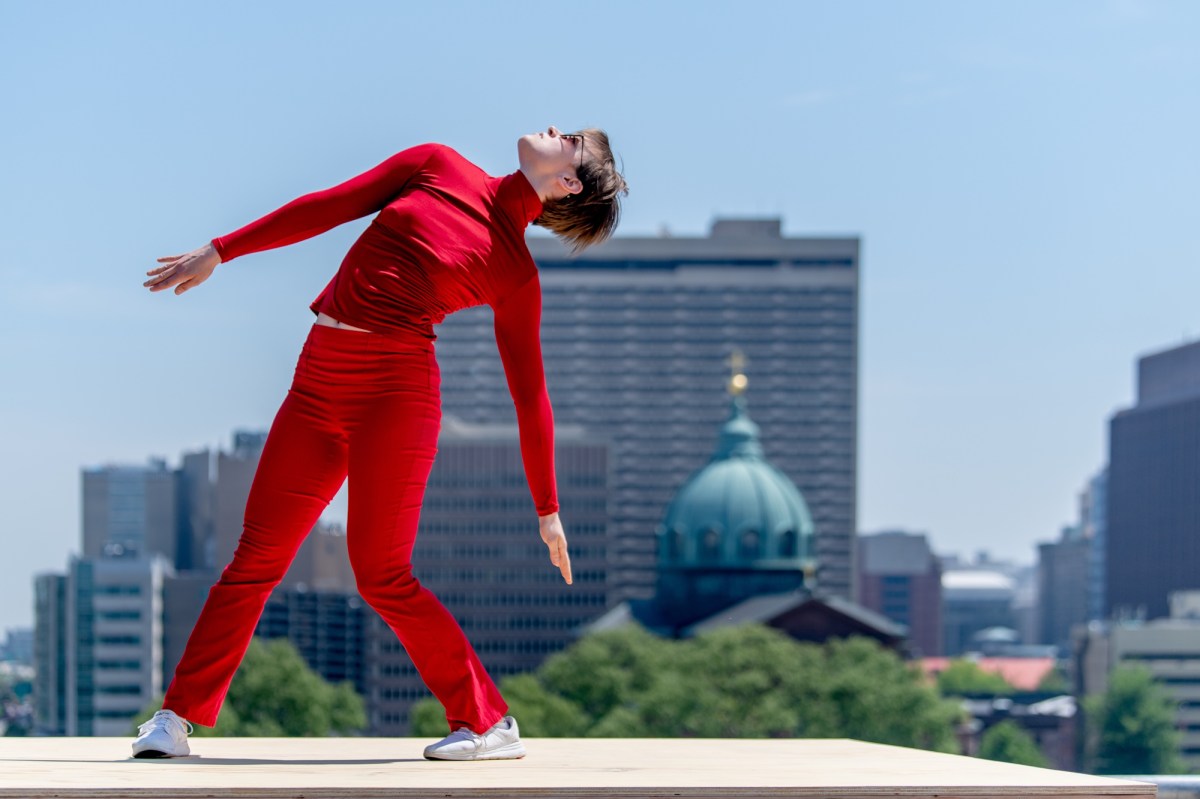
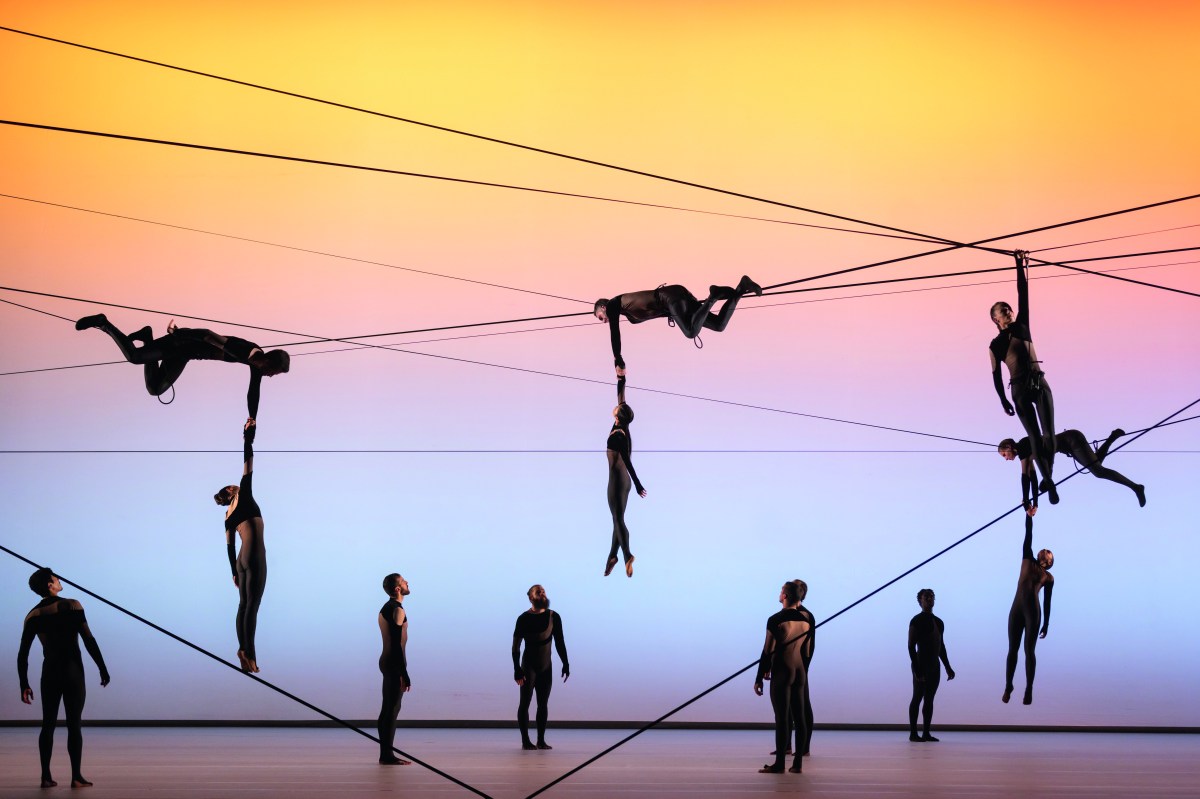
From Roof Piece by Trisha Brown Dance Company (US), which places dancers on the roof of the Art Gallery of New South Wales for an epic call-and-response performance, to Outsider, a death-defying spectacle from Switzerland’s Rachid Ouramdane that will see performers crossing the cavernous sandstone expanse of The Cutaway in Barangaroo on a network of tightropes – Dance Reflections is quite literally taking Sydney’s contemporary dance offering to new heights.
It’s the first Southern Hemisphere edition of a festival that has developed an international network of artists and cultural partners. The program spans different approaches to movement, from stripped-back explorations of the body to works that bring dance into conversation with visual art, music, fashion and other disciplines.
For Serge Laurent, Director of Dance and Cultural Programs at Van Cleef & Arpels, the festival is an opportunity to connect audiences with dance across cultural and artistic boundaries.
But its arrival also raises questions about how international cultural investment can support local artists, and what happens when a global program meets a place with its own distinct dance practices.
Dance Reflections by Van Cleef & Arpels – quick links
Why Sydney – and why now?
Laurent’s interest in bringing Dance Reflections to Sydney began several years ago. He visited Australia in 2020 as a jury member for the prestigious Keir Choreographic Award (which was won that year by respected Sydney-based dancer and choreographer Angela Goh).
It was at this time that the Frenchman encountered the local dance scene and began exploring the possibility of presenting a festival here, meeting with previous Sydney Festival director Olivia Ansell (who has her own origins as a dancer) to start the conversation.
That same year, the broader Dance Reflections initiative was established, before the first Dance Reflections by Van Cleef & Arpels Festival was held in London in March 2022.
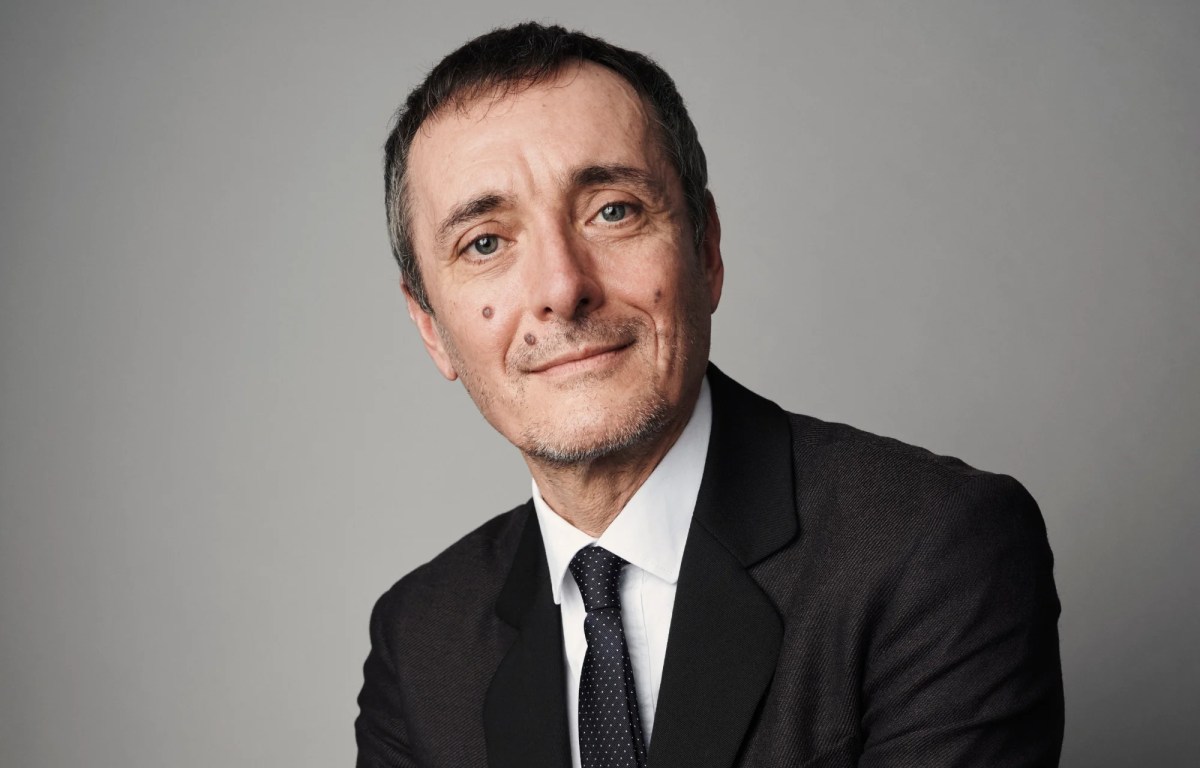
The intention, says Laurent, was never to focus on one country or region. From the beginning, he wanted Dance Reflections to take a global approach to contemporary dance, reflecting the range of cultures and artistic languages shaping the form.
‘My job – let’s say, my duty – is to to get an overview on the global dance scene, and I’m so impressed by the diversity of contemporary dance,’ says Laurent, when addressing a small crowd of invited guests at the festival’s launch event.
‘A festival forming, it’s like a journey, a contagion … and what is important for me is not for people to love a piece, or to be a bit suspicious about it, it’s [about] what they keep from it … The most important thing is [the conversations that] happen after the show.’
ArtsHub: From sheepshearing to the world stage: Lewis Major’s unlikely dance journey
Sydney’s venues were an important part of the decision. On his first visit, Laurent was struck by Carriageworks and AGNSW, and by the possibilities their architecture offered for presenting different kinds of work.
The inaugural festival will be taking over these venues in addition to the Sydney Opera House, the Seymour Centre, Powerhouse Parramatta and The Cutaway.
‘If I hadn’t found the right places to present the artists I was thinking of, I would not do it,’ he says. ‘So it’s also because of the city itself, what it allows you to make.’
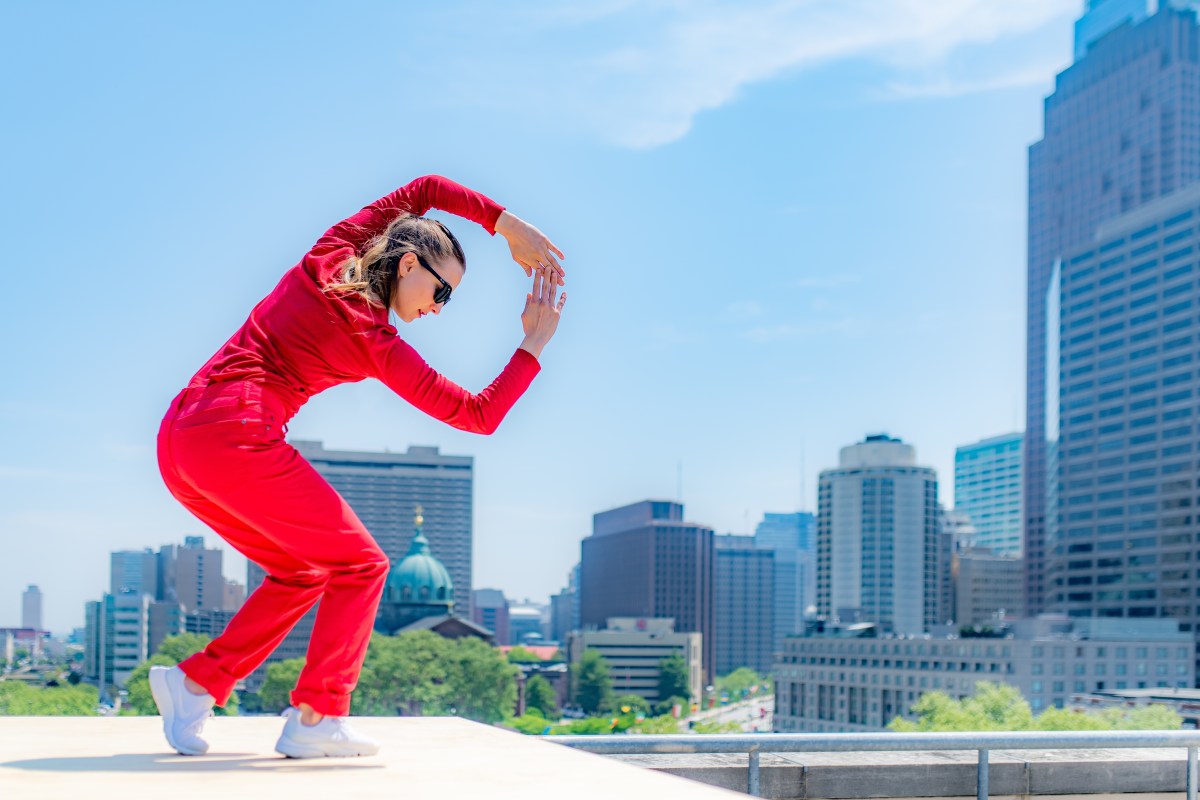
That emphasis on place is central to Laurent’s curatorial approach. Rather than simply assembling a list of artists, he considers how a work might respond to a particular space, and how the experience of seeing dance changes between a theatre, an art gallery or a large public venue.
The result is a program that invites audiences to encounter dance in different settings, as well as through different choreographic approaches.
What makes it different from Australia’s existing dance festivals?
While contemporary dance is definitely regarded as one of the more niche art forms, Dance Reflections does not arrive in an artistic vacuum. Australia already has a rich contemporary dance ecology, with companies, independent artists, festivals and presenters developing work across the country.
For starters, we have the Australian Dance Biennale, which just had its inaugural edition as part of Melbourne’s RISING festival, and ORBIT, a new touring initiative from three of the country’s biggest indie dance organisations. There’s also DanceRites, a biennial gathering of First Nations dance from around the world at the Sydney Opera House.
ArtsHub: Australian Dance Summit finds a sector at a crossroads
Dance Reflections’ particular contribution is its international network, and the opportunity to bring works from that network into dialogue with local artists and audiences.
Laurent says Van Cleef & Arpels’ network now includes around 75 partners across 19 countries, connecting artists, venues and cultural organisations in different parts of the world.
For him, those relationships are not simply a way to take the same program from city to city. They create opportunities for artists and presenters to encounter work they might not otherwise see, and for those encounters to influence their own practice.
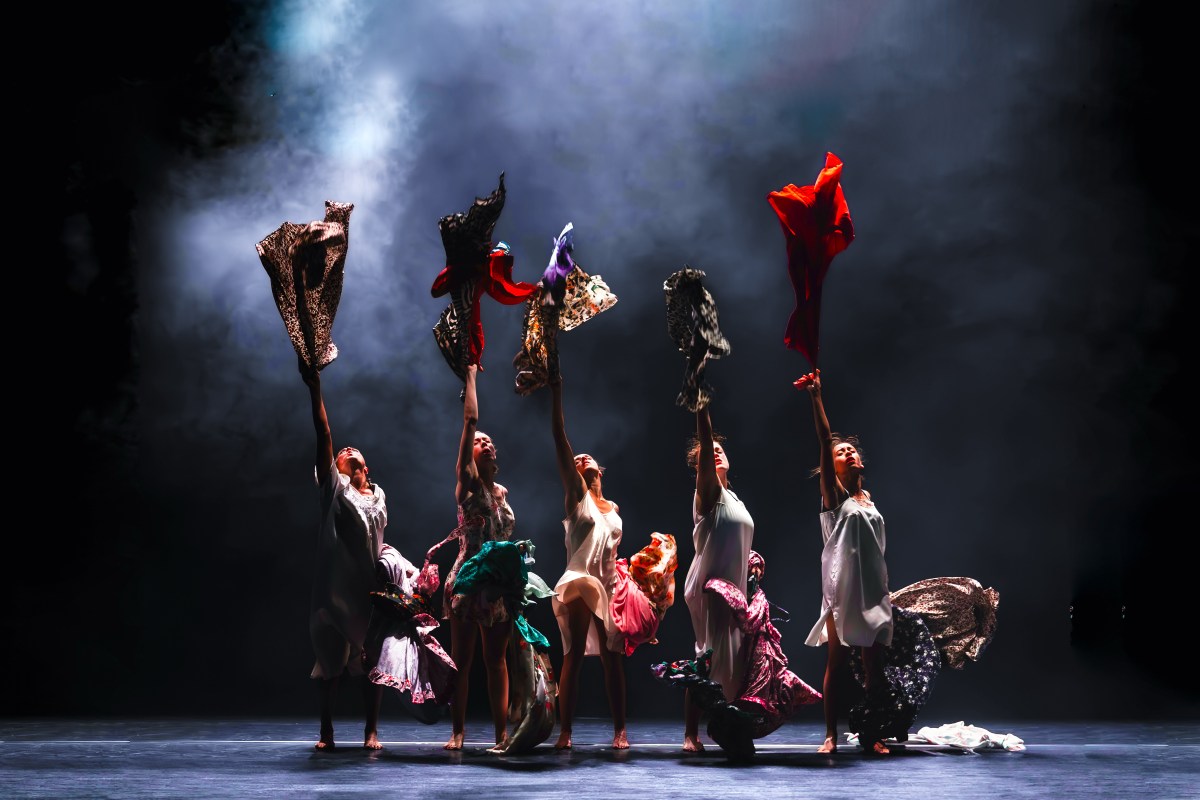
‘As a curator, you never work on your own. You never “discover” anyone. It’s always because someone connected you,’ he says.
He describes the network not as a collection of partners, but as a way to engage with the diversity of dance-making through conversation and exchange. When international artists visit a new place, he hopes they will connect with its local scene, share approaches, and learn from one another.
That emphasis on exchange is also reflected in the festival’s workshops and public-facing activities, which extend the experience beyond attending performances.
The distinction, then, is less about replacing or competing with Australia’s existing dance festivals than about bringing an international network of artists and institutions into the local cultural landscape.
Why is Marrugeku the only Australian company in the program?
Marrugeku’s inclusion is one of the program’s most significant local elements – and a revealing example of how Laurent’s global outlook works in practice.
Founded in Western Arnhem Land and now with bases in Broome and Sydney, the company is known for intercultural and collaborative approaches to dance-making. Its new work Ngurragabu will be presented as part of the festival, bringing an Australian Indigenous-led practice into a program otherwise dominated by foreign artists.
Laurent is candid about his own limits when it comes to programming Indigenous dance. Rather than claiming expertise in a field he is not the expert of, he says he wanted to work with local partners and approach the process with humility.

Marrugeku was proposed to him through the local partnership, and Laurent says he was drawn to the way the company’s artists’ explained their approach to making work.
‘I really enjoy what they told me about their artistic approach, because even if the result of the work is very different to [Belgian choreographer] Anne Teresa De Keersmaeker, for example … when you talk with artists, the beginning is [always] about the same: the desire to develop something through this language, to transmit something, because art is language,’ he says.
He wanted to bring the company’s work into proximity with the festival’s international offerings, rather than separating Indigenous dance into its own category.
ArtsHub: Profits or losses for contemporary dance companies: who’s in best and worst shape?
‘I wanted to bring together this type of [Indigenous-led] work with the global, [because] it’s the [same] approach of contemporary dance,’ he says.
It is a meaningful ambition, although the fact that Marrugeku is the only Australian company in the program also raises a question about the balance between international reach and local representation.
One festival cannot represent the breadth of Australian dance, but the way it engages with local artists matters – particularly when its international program is being presented in partnership with an Australian festival.
Ngurragabu is one of two brand new works whose development was commissioned by the festival, the other being CROSSOVER, an Australian exclusive from ‘France’s hottest choreographers’, (LA)HORDE.
What is a luxury jewellery brand doing in contemporary dance?
Asked about the relationship between fine jewellery and dance, Laurent acknowledges that the connection might initially seem unusual. For him, however, movement provides a common thread.
Van Cleef & Arpels argues that it has a longstanding connection to dance, from its history of creating jewellery ‘inspired by movement’ to its relationship with choreographer George Balanchine, whose ballet Jewels premiered in 1967.
The company launched Dance Reflections in 2020, building on that history through support for dance creation and presentation. The initiative does not simply commission new works: Laurent explains that it contributes to productions alongside other supporters, and also supports institutions presenting those works.
In other words, the model aims to support both the creation of dance and its journey to audiences.
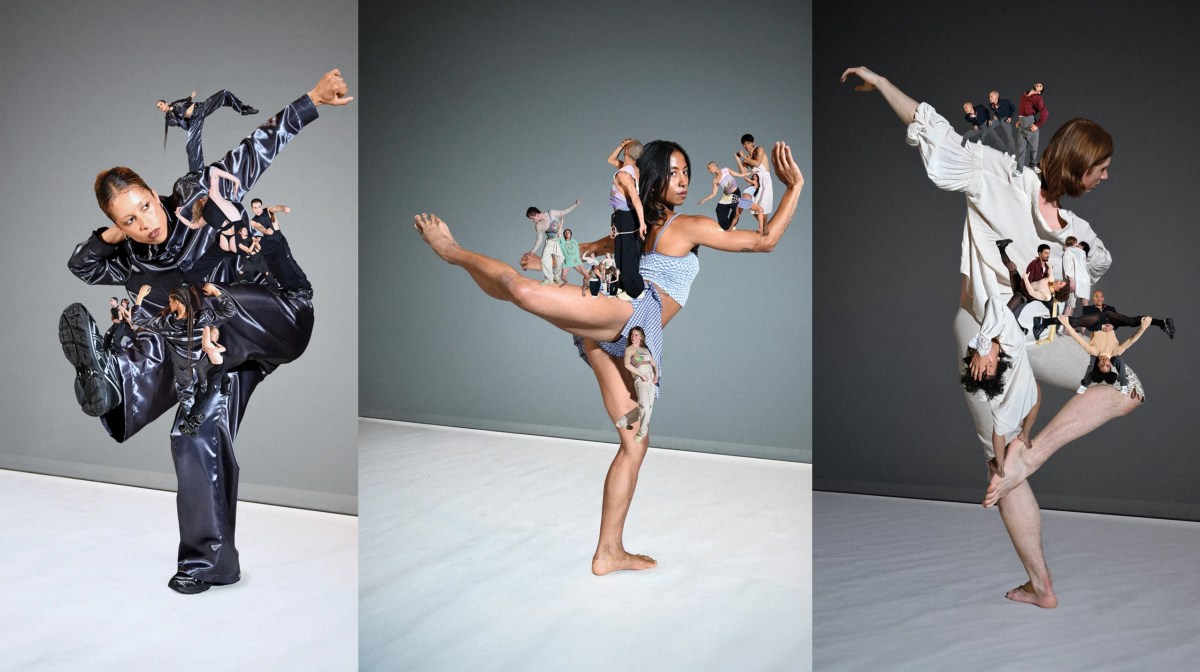
Laurent’s own path to dance was far from direct. He initially studied Egyptian archaeology before moving into contemporary visual art, then performing arts and finally dance. Before taking on his position with Van Cleef & Arpels, he spent 20 years at the Fondation Cartier pour l’Art Contemporain and the Centre Pompidou in Paris. That interdisciplinary background informs his belief that dance can exist as a distinct artform while also bringing other disciplines together.
He points to works that combine choreography with music, visual art and costume, as well as pieces that strip performance back to movement alone. What interests him is not the boundary between artforms, but the possibilities that open up when artists work across them.
There is also a broader argument for private-sector arts support. Laurent says he was attracted to the initiative’s sense of responsibility to the arts.
‘As a company thriving in different contexts, you also owe something to the communities,’ he says. ‘You can give and contribute to the development of one facet of society.’
He sees this as a form of giving back to the field of dance, while recognising that corporate patronage is one part of a larger funding ecosystem, not a replacement for public support.
How can you approach contemporary dance as an outsider?
For audiences unfamiliar with some of the artists in the program, Laurent’s advice is not to worry too much about understanding a work immediately.
‘If you come to see a contemporary art piece, dance, whatever, don’t try to understand at first,’ he says. ‘Just receive it as it is, and after you can investigate to know better.’
That invitation reflects the festival’s broader approach: to create opportunities for audiences to encounter different forms of dance, without assuming that every work will be immediately familiar or easy to interpret.
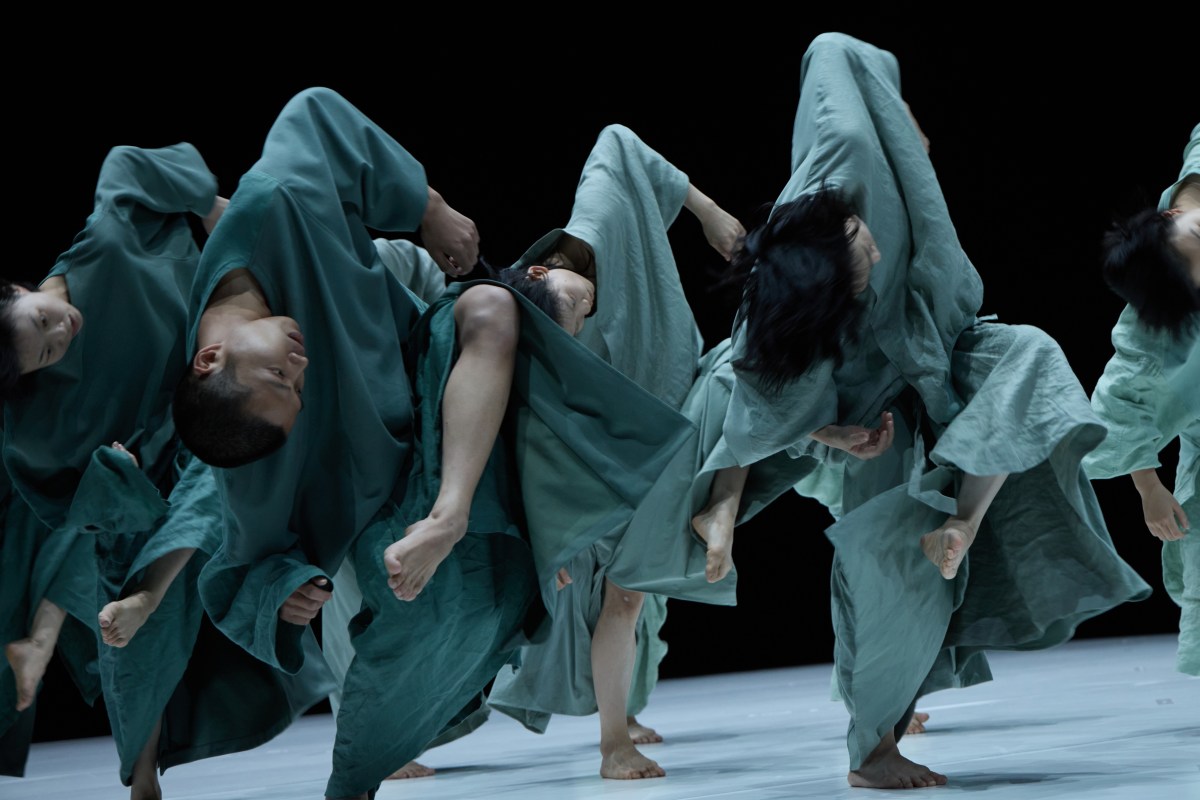
Laurent does not believe the measure of a successful performance is whether every audience member loves it. A work might challenge, surprise or even unsettle a viewer, but what matters is what they take away from the experience.
For him, the festival is about more than presenting a series of performances. It is also a chance to build awareness of dance as an artform, and to create space for people to talk about what they have seen.
‘It’s more a space to talk about dance, to develop awareness about dance,’ he says.
With its first Southern Hemisphere edition, Dance Reflections brings a major international network into Sydney’s already active dance landscape. Whether its legacy is measured through new audiences, connections between artists or opportunities for local work to travel further, its most valuable contribution may be the conversations it creates – between artists, disciplines, venues, and the people who come to watch.