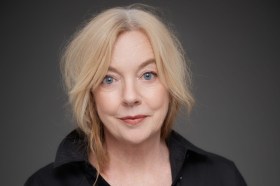
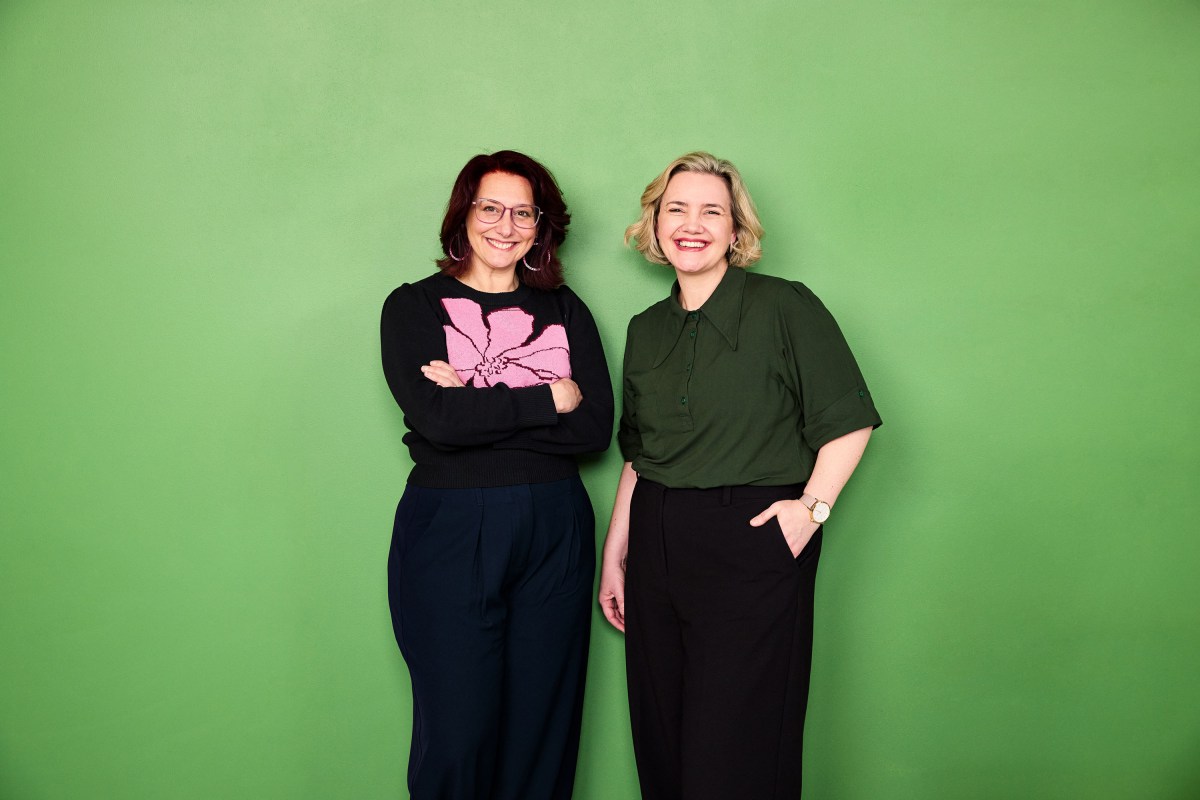
Since taking the reins as Artistic Director and Co-CEO of State Theatre Company South Australia, Petra Kalive has been thinking about a lot more than getting bums on seats.
Adelaide holds down the fort as Australia’s festival capital, with Adelaide Fringe and Adelaide Festival among the nation’s top tier for arts and culture. But when she arrived in the city at the beginning of 2025, Kalive found a theatre sector that had been severely diminished by years of funding cuts.
‘When I arrived, I saw that the the mid-tier sector in Adelaide had atrophied, it had been gutted,’ she tells ArtsHub.
State Theatre Company SA steps up – quick links
Creating pathways for South Australian artists
‘It had lost funding over many years. So while I had been hearing stories of the incredible work that the small-to-medium companies used to be doing, when I arrived there was only a fraction of that work being produced, and a real desire, a desperation, from local artists that they wanted to be on stage, they wanted to tell their stories.
‘But there were no avenues to do it. On top of the sector not being supported to to thrive, there was also a lack of venues where they could present their work in Adelaide.’
For Kalive, the answer was not simply to lament the gap. It was to ask what a major state theatre company could do to help fill it.
The result is SPARK, a program designed to give South Australian artists the resources and support to take their work from an idea to the stage – while also creating pathways for those artists to build sustainable careers beyond the program.
And as the company heads towards its recently announced 2027 season, that same philosophy is evident across the program: new Australian work, South Australian voices, formally adventurous theatre, and a renewed commitment to getting commissions out of drawers and in front of audiences.
‘I’m a lover of Australian work and Australian stories,’ Kalive says. ‘And so quite by accident, next year’s season is a bit of a celebration of all of that, both classics and new work.’
ArtsHub: Australian theatre to look forward to in 2027
SPARK gives artists room to make
SPARK grew out of Kalive’s observation that there was a wealth of independent talent in South Australia, but increasingly few avenues for artists to realise ambitious work.
Going beyond State Theatre Company SA’s pre-existing Stateside program, which would showcase work from smaller theatre companies, SPARK productions are incorporated into the mainstage season.
Brought into the company’s ecosystem, these fledgling shows are provided rehearsal space, a venue, access to the company’s workshop and wardrobe, producing support and artistic mentorship. Artists also receive 100% of the box office from their SPARK production.
The idea is to remove some of the practical barriers that can overwhelm independent artists, allowing them to concentrate on the work itself while gaining experience of what it takes to operate at a major company.
‘It’s like: you [an indie artist] have been working independently and you know what it is to market and produce a show independently,’ Kalive says. ‘But these are the skills that you need to do it for a mainstage company, and they are slightly different. There are mechanisms and people to reach out to.’
For Kalive, that makes SPARK as much about professional development as production.
She describes it as ‘mentorship and pathway building’ initiative, with the aim of helping artists understand both the possibilities and limitations of working within a major arts organisation.
‘We want the next generation of artists to feel as confident and clear as they possibly can,’ she says.
The longer-term ambition extends beyond State Theatre Company SA too. Kalive hopes the company can help South Australian artists build connections with artistic leaders elsewhere in Australia, creating opportunities for future commissions, programming and collaborations.
‘Work leads to work in this industry,’ she says.
Meet Log Boy
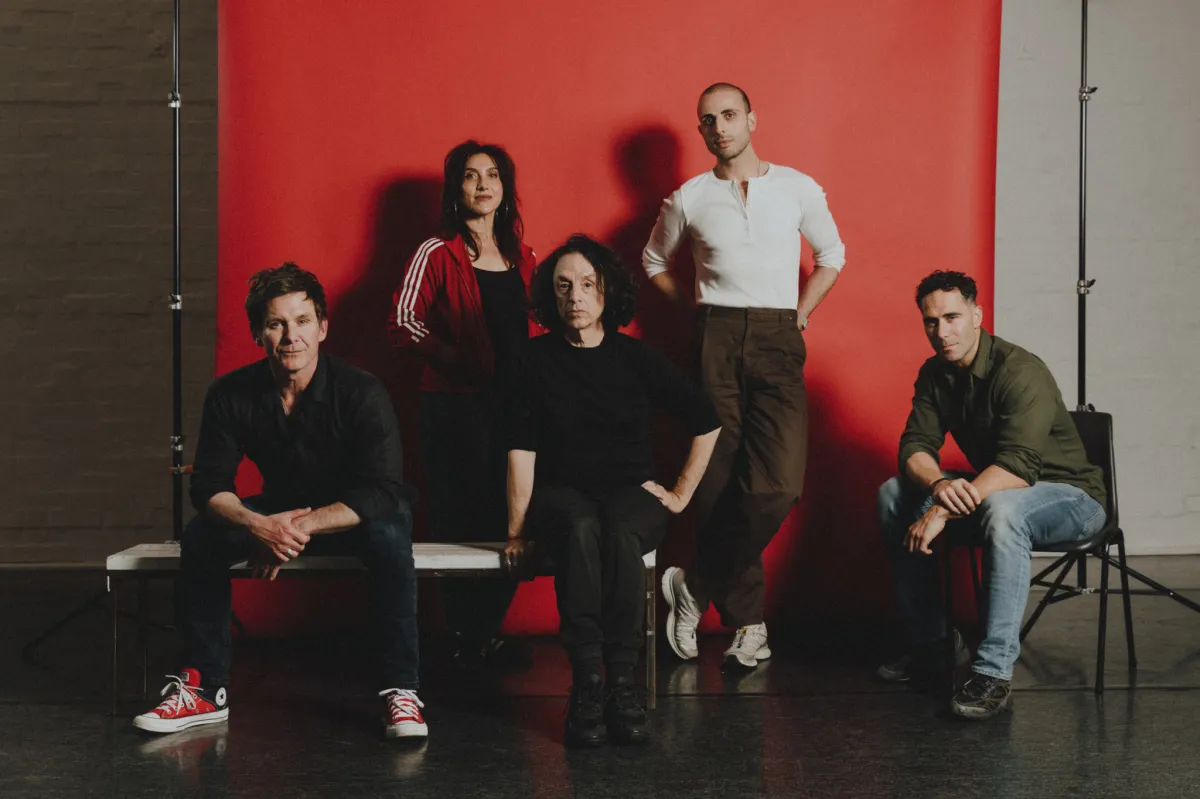
One of the clearest examples of SPARK’s potential is Log Boy (playing from 1 to 10 October), which recently opened as part of the program with a renowned cast including the inimitable Paul Capsis (House of Rot).
A camp comedy-horror from emerging Adelaide writer Anthony Nocera, the work was first encountered through the company’s Great Australian Bites festival, where staged readings of new work from South Australian writers are presented to invited audiences after a rapid rehearsal process.
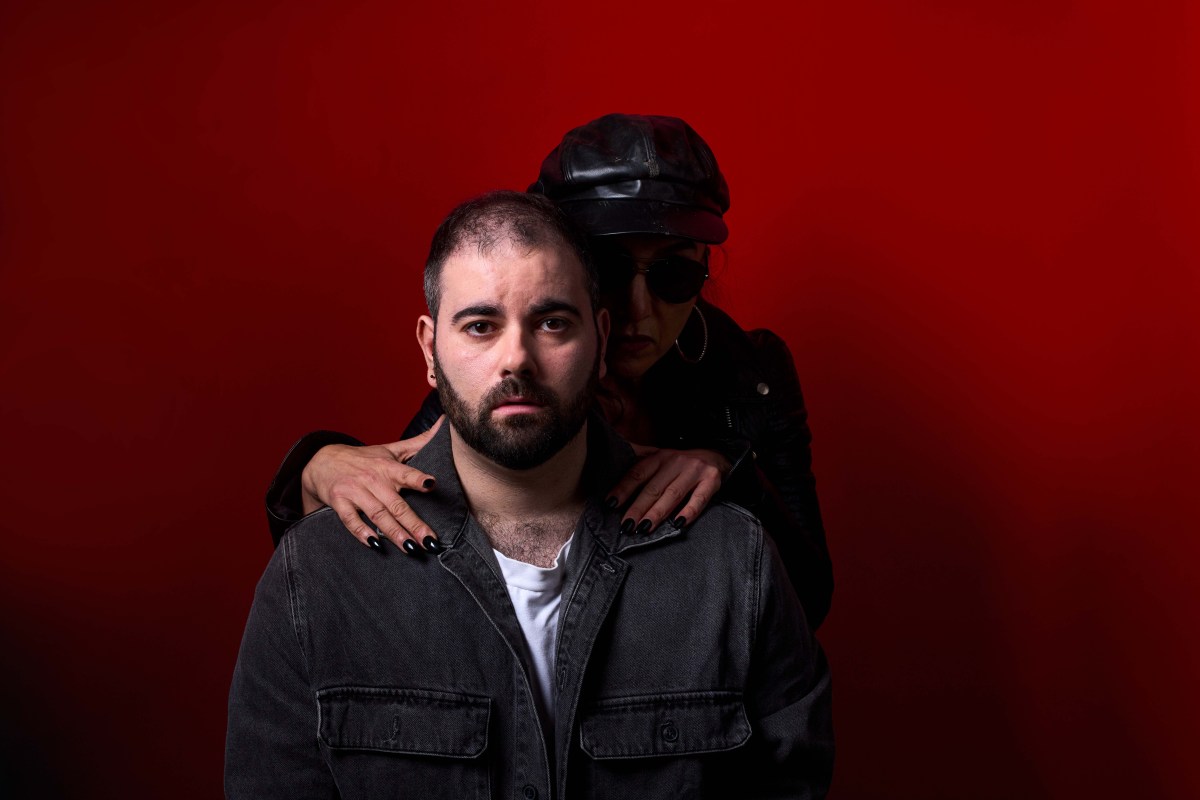
Kalive immediately saw something in it. ‘It was so strong and so funny and so heartwarming,’ she says. ‘I immediately fell in love with it.’
Log Boy sees two generations of gay men clash on the eve of a friend’s funeral, grappling with death, grief and the ghosts of AIDS. But rather than approaching those subjects through straightforward drama, the work uses horror-comedy to find humour and invention within them.
That combination is part of what excited Kalive: the play can be deeply specific, while also finding something universal in its exploration of grief.
It is also an example of the kinds of voices and forms she wants State Theatre Company SA to make room for.
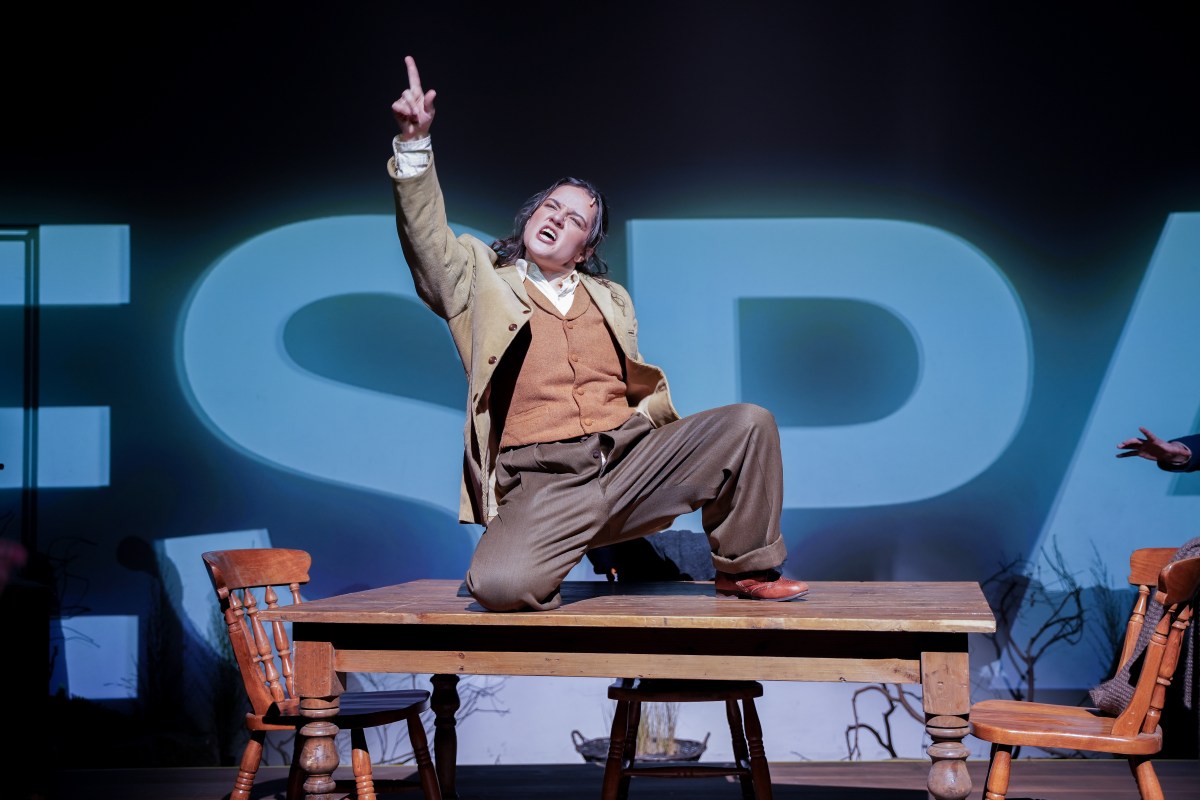
‘We’re gonna get “stale and pale” pretty quickly if we’re not continuing to engage and invest in a diversity of voices,’ she says.
The benefits are not limited to the artists. Kalive says shows like Log Boy and the meticulously chaotic Uncle Vanya – but there’s ASMR soap cutting videos playing in the bottom right corner (which is exactly what it sounds like) have also brought audiences to the company who would not ordinarily attend a State Theatre Company production.
‘Now we get to begin a conversation with those new audiences about what theatre they want to see, and the fact that theatre is for them as well.’
State Theatre SA’s 2027 season uplifts new voices
That same appetite for new voices runs through the company’s 2027 program.
Alongside established works and returning productions, the season features new Australian and South Australian writing, including two works developed as State Theatre Company SA commissions. For Kalive, getting those onto the stage is crucial.
‘Often in a major theatre company, work is commissioned and never presented,’ she says. ‘There are so many brilliant plays in drawers in theatre companies all around the world.’
The 2027 season instead aims to put those works in front of audiences, while giving South Australian writers and theatre-makers the backing of the state’s major theatre company.
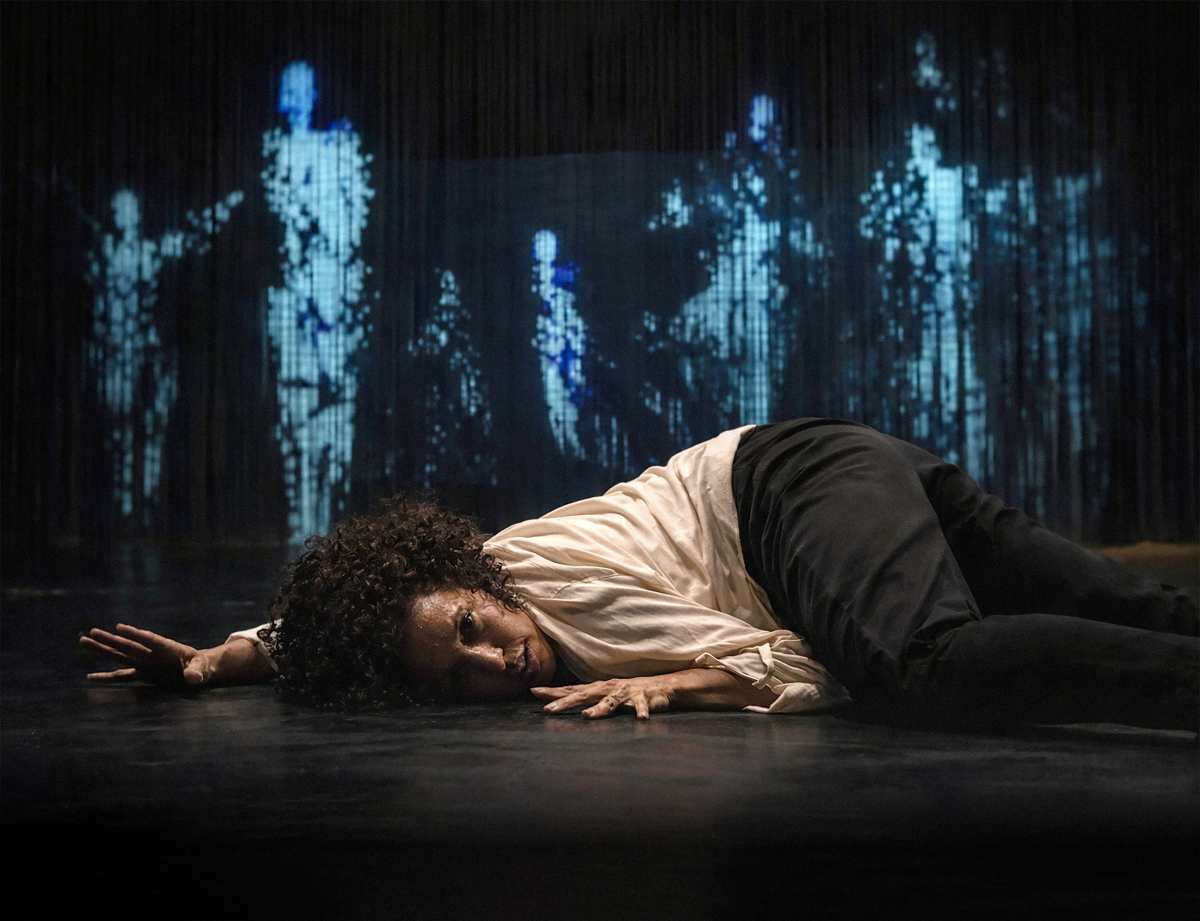
The season ranges from a new staging of Ray Lawler’s Australian classic Summer of the Seventeenth Doll, which Kalive will direct, to The Dark Matter of Usulal, presented in collaboration with Adelaide Festival. Seeing Margaret J Harvey returning to the stage for the first time in a decade, this formally ambitious solo work draws on the living cosmologies of Saibai (an island located in the Torres Strait) through performance, sound, movement and digital imagery.
Kalive says the latter represents a deliberate formal stretch for a state theatre company, making its place in the Adelaide Festival particularly exciting.
There is also An Iliad, which returns for a national tour after its sold-out Sydney Theatre Company season, with David Wenham reprising his role as the world-weary Poet, accompanied live by musician Helen Svoboda.
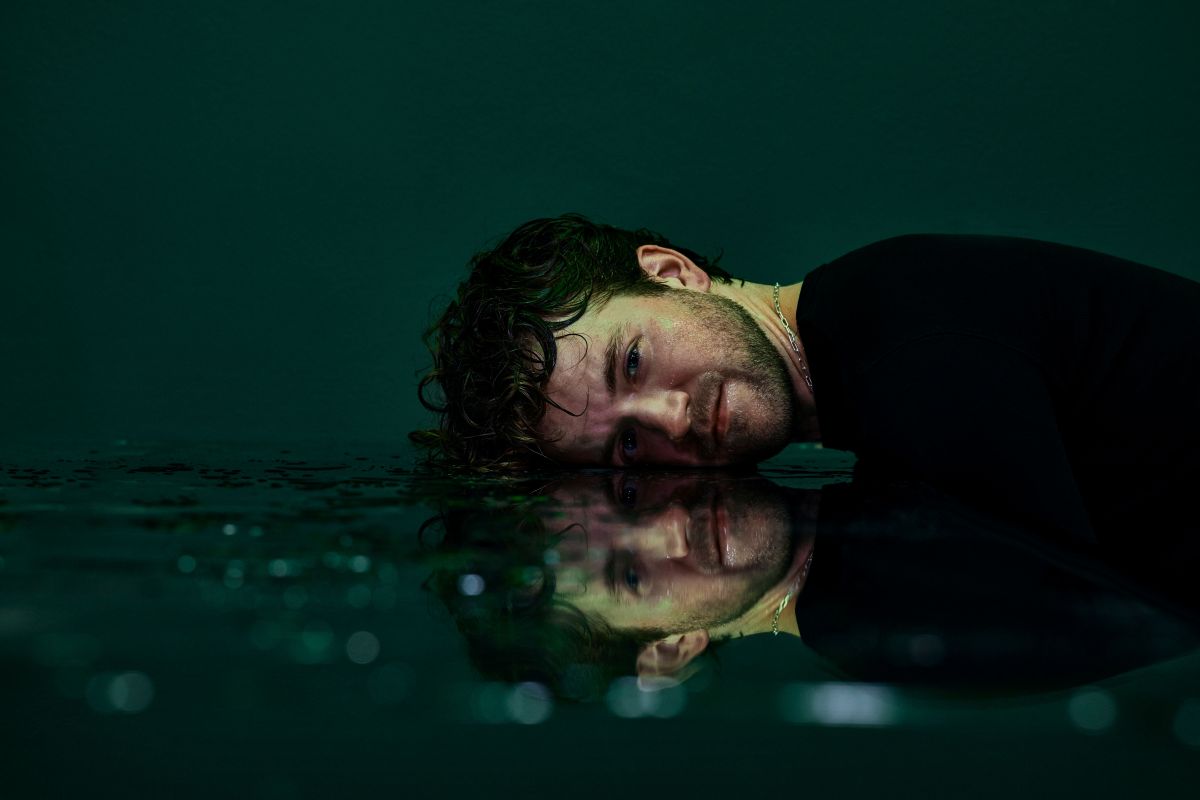
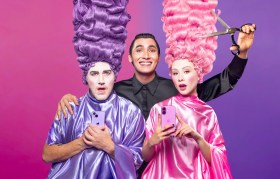
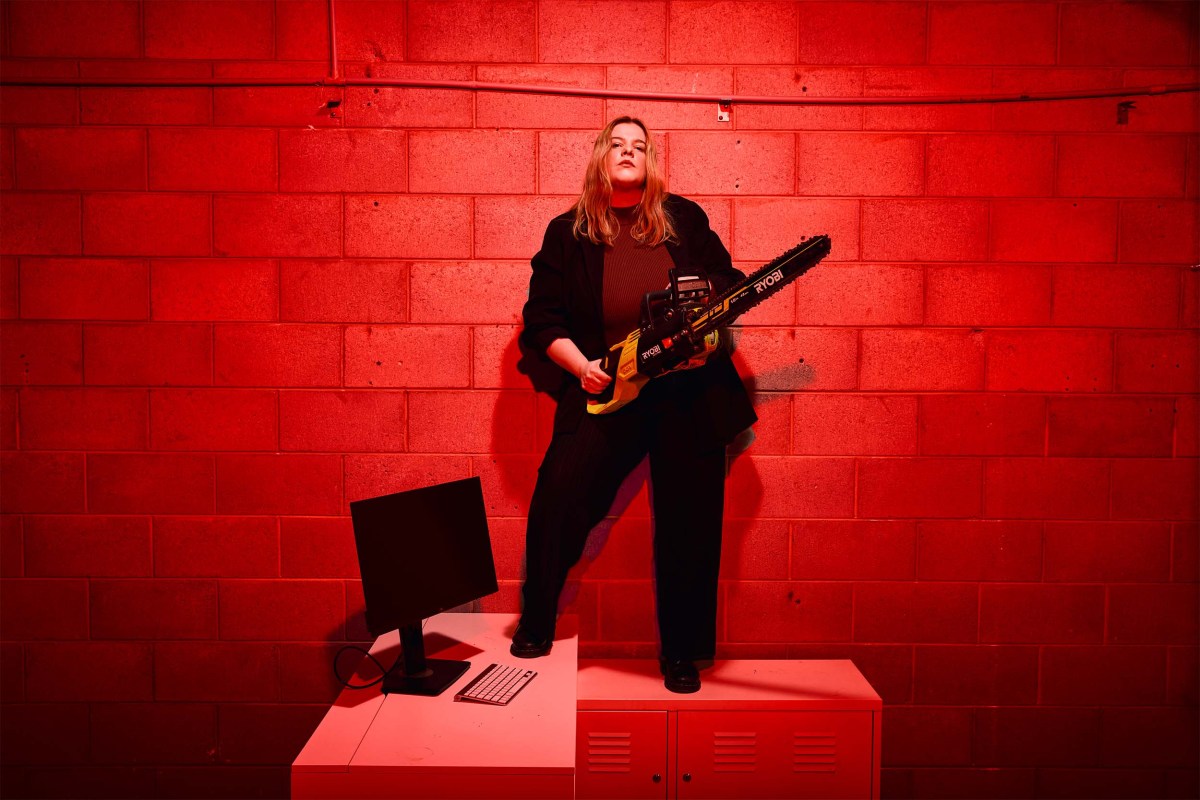
And SPARK itself continues into 2027, with Taylor Nobes’ A Guide to Success in the Workplace, a musical horror comedy about workplace power, complicity and vengeance; and Luke Wiltshire’s Squid, a warm and autobiographical solo work that sees the recent Flinders University graduate accompanied by an alter-ego named Squid as he goes on a journey about gender identity, belonging and coming to terms with his younger self.
Elsewhere in the season, James Smith’s Evil Hour offers a new Australian gothic drama inspired by South Australian history, while Michele Lee’s Snappy – directed by Kalive – reimagines Henrik Ibsen’s A Doll’s House as a darkly funny exploration of identity, expectations and the cost of holding a life together.
ArtsHub: What do Asian Australian artists want to see in place of OzAsia?
Adelaide needs more than festivals
It is a program that moves between classics and new work, comedy and horror, mythology and autobiography, without treating the state theatre company’s remit as fixed.
For Kalive, that breadth is not incidental. It is part of the responsibility that comes with running a major company in a state with such a strong independent arts culture.
Adelaide’s festivals can generate an extraordinary burst of energy, she says, but that energy needs somewhere to go once the festival crowds have gone home.
Kalive sees State Theatre Company SA as having a role in keeping that momentum alive throughout the year – supporting artists, audiences and the wider ecology that makes theatre possible.
The ambition, ultimately, is bigger than any individual season.
‘One can’t exist without the other,’ Kalive says of the relationship between major companies and independent artists.
For a state theatre company, she argues, investing in the artists around it is not simply an act of generosity. It is essential to keeping the artform itself alive, surprising, and connected to the people it exists to serve.