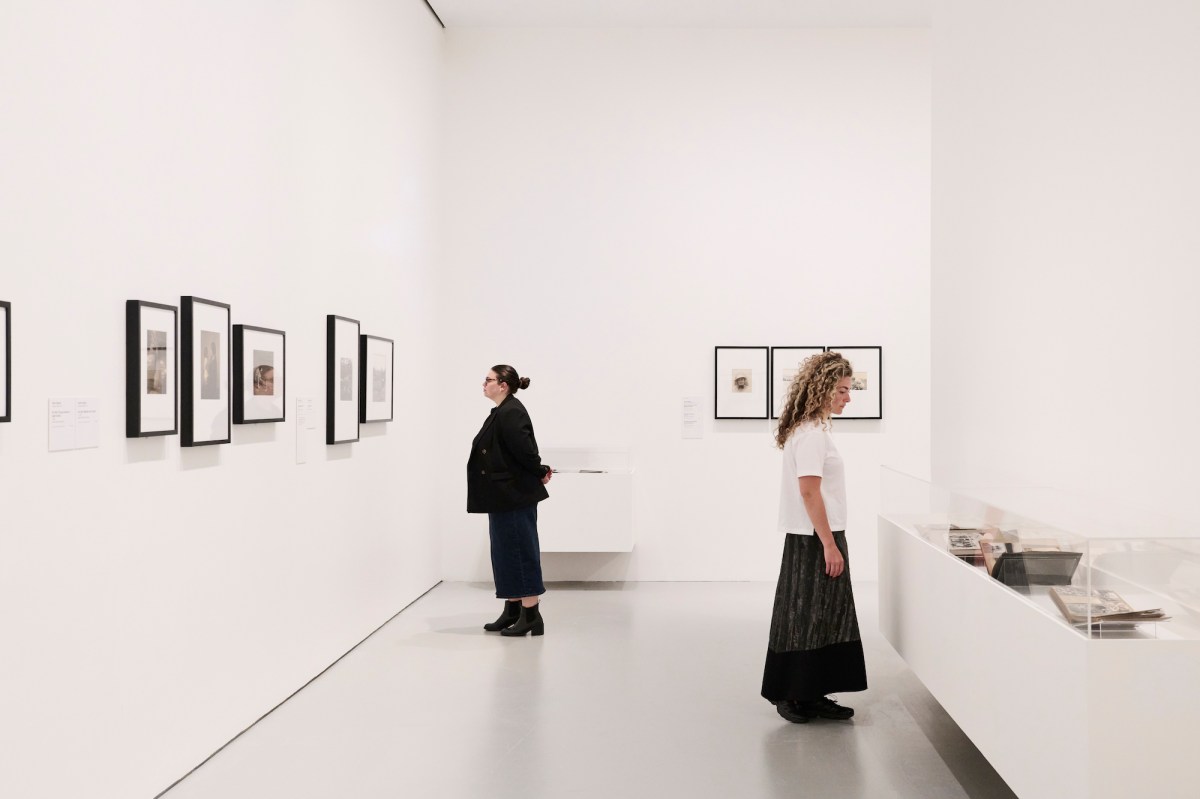
Women Photographers 1900-1975: A Legacy of Light is exhaustive. Covering a 75-year period, the National Gallery of Victoria exhibition endeavours to re-write the history of this time from the perspective of the female lens.
For anyone interested in photography – or social history generally – then you won’t be disappointed. It is a quiet exhibition, with a clean hang of white framed black-and-white images across several galleries. Where the magic lies, is in the content.
A Legacy of Light review – quick links
Over 170 new acquisitions revealed
A review of the NGV Collection in 2019 highlighted a need to fill some gaps to broaden the holdings of Australian women photographers and place them in context with their international peers of the day.
Working with the support of the Bowness Family Foundation and other patrons, significant photographs were collected over the next five years. This exhibition is the first time over 170 of those photographs have been unveiled.
Now, Australian audiences can view the works of Olive Cotton alongside the images of Mexican modernist Lola Álvarez Bravo, for example.
On the one hand, the exhibition brings new light to the vital and often overlooked contributions made by women to the histories of photography. On the other, A Legacy of Light presents a new threshold for long engagement with these materials moving forward.
A time capsule of change
To make sense of this huge stretch of time, 1900 is marked the start of the suffrage movement, while 1975 the start of the feminist movement – bookends that position the female voice. In between, is the works document the incredible social and political journey connecting women photographers across the globe.
The exhibition is presented as two parallel shows that run the same timeline, both starting off with studio portraiture, but illustrating a difference through the female gaze.
Viewers are first introduced to Gertrude Käsebier and Trude Fleischmann, working in Vienna in the 1920s. There is also a fabulous image of a dance troupe by Kitty Hoffmann from 1930 that embodies the modern moment, and work by Japanese photographer Yamazawa Eiko that demonstrates a new take on cropping and framing a scene in the 1930s.
The curators then connect this New Photography moment with Australia, and the work of Olive Cotton – in particular her Teacup ballet (1935), which is an absolute highlight of the show.
This was a period when there was a huge demand for photography in magazines and advertising, and women were often supplying the images shaping this new world.
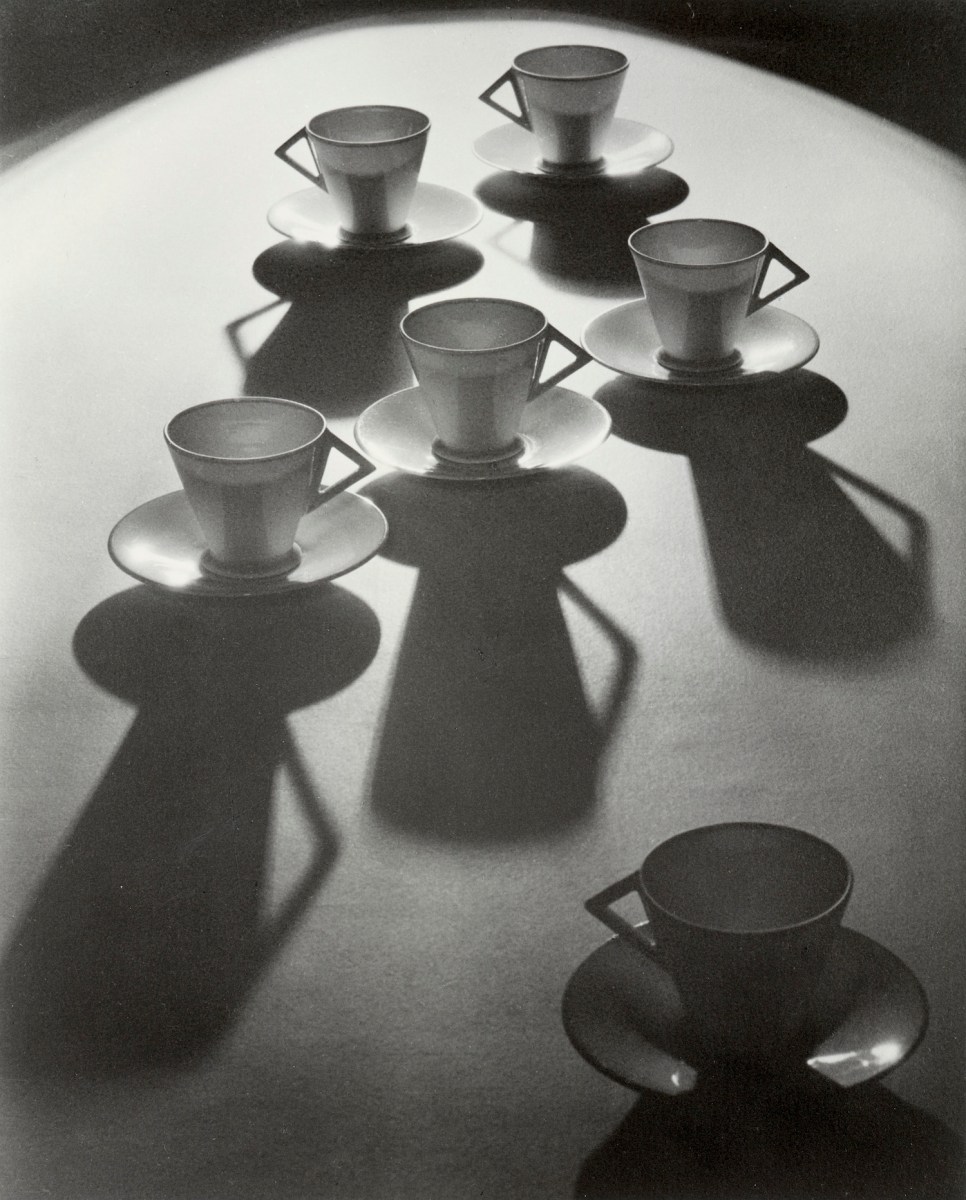
Viewers start to see the parallels between Cotton’s work and, say, Mexican photographer Lola Álvarez Bravo’s iconic Las Lavanderas (The Washerwomen) (c1940) or American photographer Imogen Cunningham’s incredible Agave design 1 from the 1920s – both incredible studies of light, shadow and form.
The impact of modernism on women photographers
The next gallery explores the impact of the machine age. An incredible folio of images fill the space, with works by Australian photographer Heather George alongside German-born Ilse Bing (known as the ‘Queen of Leica’) and the American and Lee Miller.
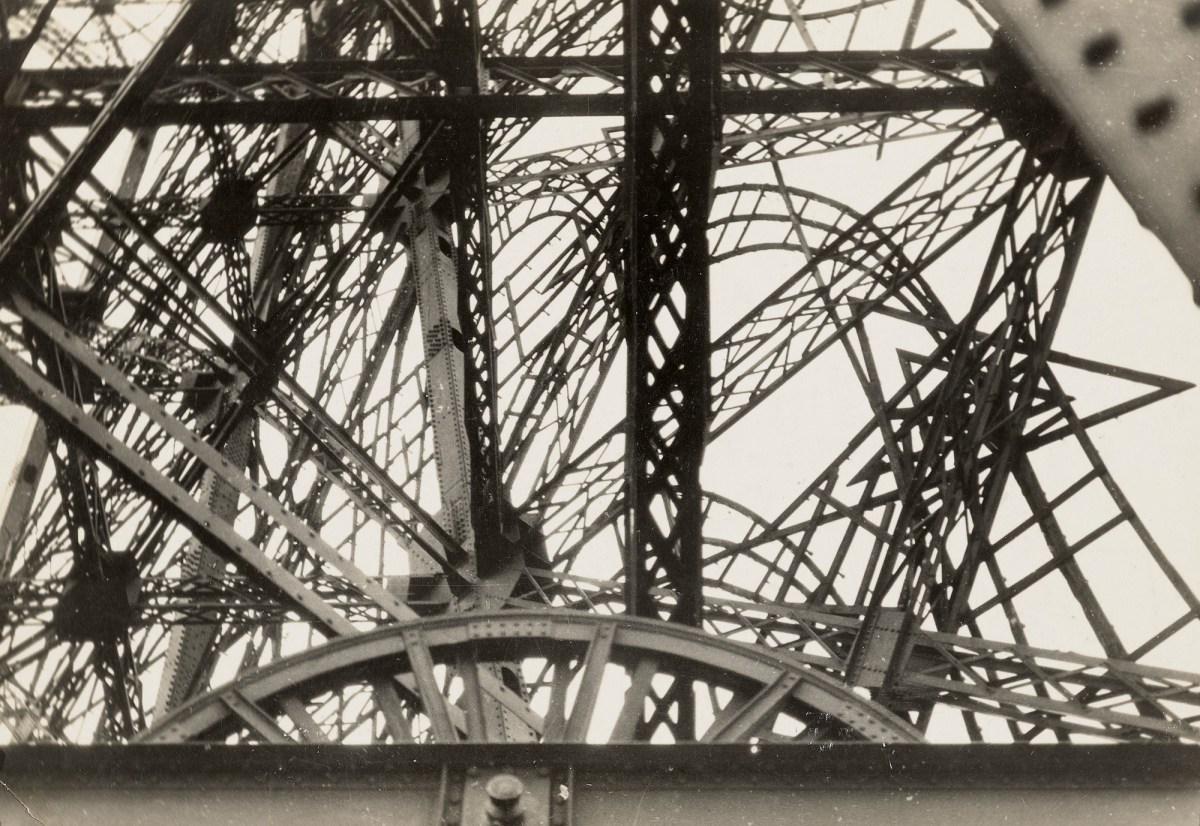
The brutal muscle and metal of this newly forming world is followed by the intimacy of Dora Maar’s photographs of life with Pablo Picasso. This circle of the avant-garde was flourishing and from here, we start to see surrealism entering the conversation – in photomontage practices and the collecting of image fragments, and in the way photographers framed the body and the nude with a sense of agency and self-expression.
Viewers are introduced to the works of Laure Albin Guilot, Germaine Krull, Claude Cahun and Marcel Moor and Florence Henri, among others.
Read: Which exhibitions got 5-star reviews in 2025?
Parallel exhibitions with different tones
Just when you thought this was exhaustive and complete in itself, viewers then move into the second half of the exhibition and travel through the same timeline again, though with a shift in tone and emphasis.
This half also starts with studio photography. Knock-outs include large hand-coloured portraits by Australian Alice Mills, made in 1918, followed by quirky natural portraits by Ruth Hollick and the New Zealand photographer May Moore – women all successfully running their own studios.
A Legacy of Light then journeys through how women photographers played a role in travel. For this writer, a highlight was the work of German-born Hedda Morrison, who worked in China from 1933 to 1946 and then Sarawak from 1946 to 1966 before heading to Australia, where she worked from 1967 to 1991. What a strong, independent powerhouse.
The later galleries focus on the protest movement and social documentary, and includes images by Nora Dumas, Tina Modotti, Dorothea Lange and an incredible image by Consuelo Kanga.
The exhibition wraps up with Sue Ford and Ponch Hawkes’ feminist images, among others, that call for a liberation of gender stereotypes and barriers.
Read: Pippin Drysdale’s Infinite Terrain review: charting 40 years in ceramics
Yes, A Legacy of Light is exhaustive, but it highlights the rich networks that allowed the exchange of information, ideas and support between many of these women across the world – from Vienna and Japan in the 1920s to Melbourne, Paris, Buenos Aires, Mexico City, Paris, Germany and beyond in the later decades.
It is an incredible curatorial read – and a fascinating history told through pictures. If you take the time with this exhibition, it is deeply rewarding.
Women Photographers 1900-1975: A Legacy of Light is at NGV International in Melbourne until 3 May 2026. It is a ticketed exhibition.
Discover more screen, games & arts news and reviews on ScreenHub and ArtsHub. Sign up for our free ArtsHub and ScreenHub newsletters.
The writer travelled to Melbourne as a guest of the gallery.