Earlier this month, just days before this year’s 61st Venice Biennale participants were required to confirm their commitment to the prestigious event, South Africa’s Arts and Culture Minister Gayton McKenzie pulled the plug on his country’s chosen biennale project, citing concerns of interference by a ‘foreign power’ in the work.
In contrast to Australia’s own infamous Venice Biennale controversy, this latest case of an artist’s rescinded invitation to this international exhibition has, according to South Africa’s Arts and Culture Minister, not been principally because of the artists’ subject matter, but concerns over sources of financial support for the work.
South Africa cancels Venice Biennale project – quick links
What happened to South Africa’s (former) 61st Venice Biennale artist representative?
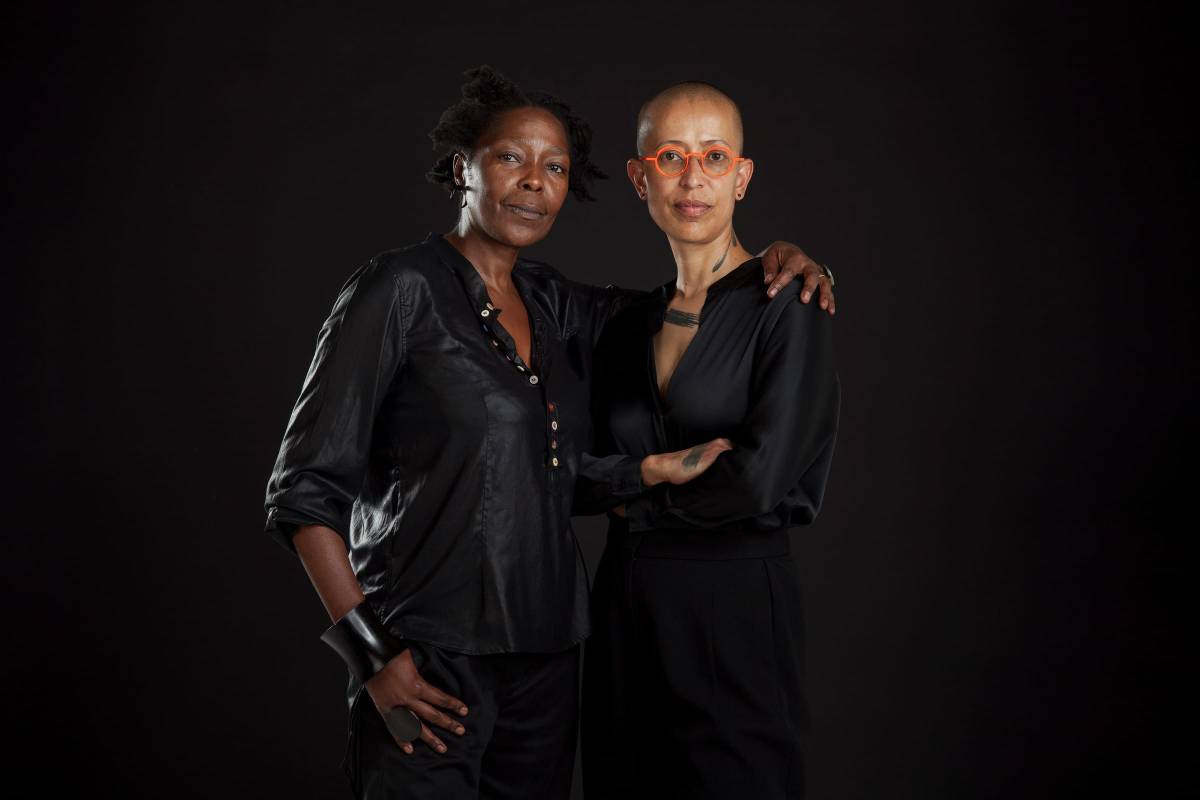
On 6 December 2025, an independent committee of South African arts representatives announced it had chosen the work of artist Gabrielle Goliath and curator Ingrid Masondo for exhibition in the South African Pavilion at this year’s 61st Venice Biennale.
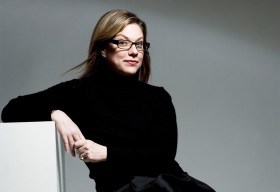
Gabrielle Goliath is a South African artist known for her political installations and performance works. The piece chosen for exhibition at Venice this year is entitled Elegy and is an ongoing performance and video series that the artist has been working on since 2015.
Described by Goliath as ‘an ongoing labour of remembrance, repair and black feminist love…each performance [of Elegy] gathers a group of seven opera singers who collectively enact a ritual of mourning, sustaining a single haunting tone over the course of an hour. Invoked in this gesture are the absent presences of women and LGBTQIA+ individuals lost to a normative crisis of rape culture and femicide in South Africa and globally.’
The artist and curator’s statement (written prior to the cancellation) describes the Venice Biennale iteration of the work as ‘a timely invitation to pause together, in a moment marked by division and fracture’.
It is also says the work ‘calls us to listen for the conditions that make neglect possible, that allow certain communities – spoken in minor keys – to fade into the background of collective concern’.
South African news source The Daily Maverick and US-based arts news platform Hyperallergic have reported that the Venice Biennale iteration of Elegy was to have included content honouring Palestinian poet Hiba Abu Nada, who died in an Israeli airstrike in Gaza in October 2023.
The first evidence that South Africa’s Art and Culture Minister Gayton McKenzie may have had a problem with this artwork is in a letter sent from Goliath and Masondo to the Minister, dated 4 January, that expresses the artist team’s dismay at their understanding the Minister was ‘threatening the cancellation of the 2026 South African Pavilion at the Venice Biennale…unless certain aspects of the artwork [Elegy] be changed or removed’.
The letter claims the specific elements of the work the Minister wished to see changed or removed are those ‘that address the tragic loss of civilian lives in Gaza, especially those of Palestinian women and children’.
But the artistic team’s letter, which asked the Minister to uphold the independent committee’s original curatorial selection and allow the chosen biennale project to proceed as planned, had little effect.
Days later, Goliath and Masondo were informed that the Arts and Culture Minister’s office was taking full management of South Africa’s Pavilion at the biennale, and that Elegy would no longer be exhibited.
After news of the backflip began circulating, the five members of the independent arts committee responsible for appointing Goliath and Masondo as South Africa’s Venice Biennale artist team issued an open letter protesting the Minister’s decision, calling it ‘an abuse of executive authority’ and ‘deeply troubling’.
Their letter also affirmed the committee’s ‘continued and unequivocal support for the artist, the curator, and their project in the face of political pressure and attempts to silence free expression and compromise artistic integrity’.
How did South Africa’s Arts and Culture Minister respond to the backlash?
Following widespread backlash against the cancellation, South Africa’s Arts and Culture Minister Gayton McKenzie issued his own statement on 10 January clarifying what he describes as the ‘misinformation, misdirection and insult’ that had resulted in the wake of his decision.
Minister McKenzie’s statement contends that his decision had been made not in the name of censorship, but rather due to a realisation that ‘a foreign country’ had ‘undertaken to purchase the artworks concerned following the conclusion of the Biennale’ which raised concerns that ‘South Africa’s platform was being used as a proxy by a foreign power to endorse a geopolitical message about the actions of Israel in Gaza’.
He also stated that he retains his discretion ‘to be wary of artists being paid to become involved in geopolitical narratives that have the potential to cause unneeded division and bring the Department of Sport Arts and Culture, and my Ministry into disrepute,’ and that ‘the artists involved in this must come clean about who was paying for this [artwork]’.
In terms of the future outlook of South Africa’s Venice Biennale Pavilion, the Minister explained that in retaking full control of the pavilion’s management, his department ‘shall give access at the Biennale to artists who promote our country’.
He added: ‘I have used, and will always use, every opportunity I have to sell our country to the world, because I am a patriot, and nothing and no one will change that.’
What’s next for South Africa’s 2026 Venice Biennale pavilion?
At the time of writing, the future of South Africa’s 61st Venice Biennale Pavilion remains in doubt.
Arts news source Hyperallergic is reporting that Goliath and Masondo have appealed Minister McKenzie’s decision to South Africa’s President Cyril Ramaphosa, and to the country’s Department of International Relations and Cooperation.
A letter to President Ramaphosa was also published by South African not-for-profit organisation Campaign for Free Expression (dated 16 January).
In it, this group, as well as 10 other signatories from South African not-for-profits such as Ahmed Kathrada Foundation and Corruption Watch, signal their concerns around ‘executive accountability, collective Cabinet responsibility, and the constitutional protection of freedom of artistic expression’ they believe have been brought into question by the Arts and Culture Minister’s decision.
Concluding their letter, they urge the South African presidency and cabinet to ‘intervene decisively to reaffirm the centrality of artistic freedom to South Africa’s constitutional democracy; to address and correct the Minister of Sport, Arts and Culture’s unlawful and constitutionally impermissible abuse of executive authority; and to ensure that Gabrielle Goliath’s work Elegy – unanimously selected through an independent, expert-led curatorial process to represent South Africa at the 61st Venice Biennale – is restored to its rightful place and showcased as originally determined’.
At the time of writing, South Africa’s President was yet to respond.