From age bans to algorithm audits, Australia’s national conversation is fixated on what we should take away from young people. But in the rush to restrict the online world, we’ve been asking the wrong question.
We’ve told a generation where not to go, without giving them somewhere better to be.
Young people need music – quick links
Helping young people connect through music
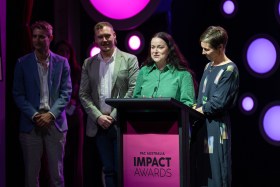
For 40 years, The Push has worked alongside young Victorians to build spaces where they can connect through music – attend their first gig, learn how to run events, discover their voice as an artist or explore careers behind the scenes. Now with an expanded national scope, we’re bringing that same purpose to all young Australians.
Across those four decades, we have heard an insistent message from young people: music shapes identity and gives them somewhere to belong. That belonging matters more than ever today.
We know that loneliness and psychological distress is rising among young Australians, according to recent research from the Australian Institute of Health and Welfare and the Monash Youth Policy Centre.
At the same time, a growing body of evidence – including Creative Australia’s 2023 National Arts Participation Survey – shows that participation in arts and cultural activity strengthens wellbeing, social connection and a sense of purpose.
ArtsHub: Circus arts strengthen young people’s mental health and social connections, new report details
The benefits of live music and the challenges of accessing it
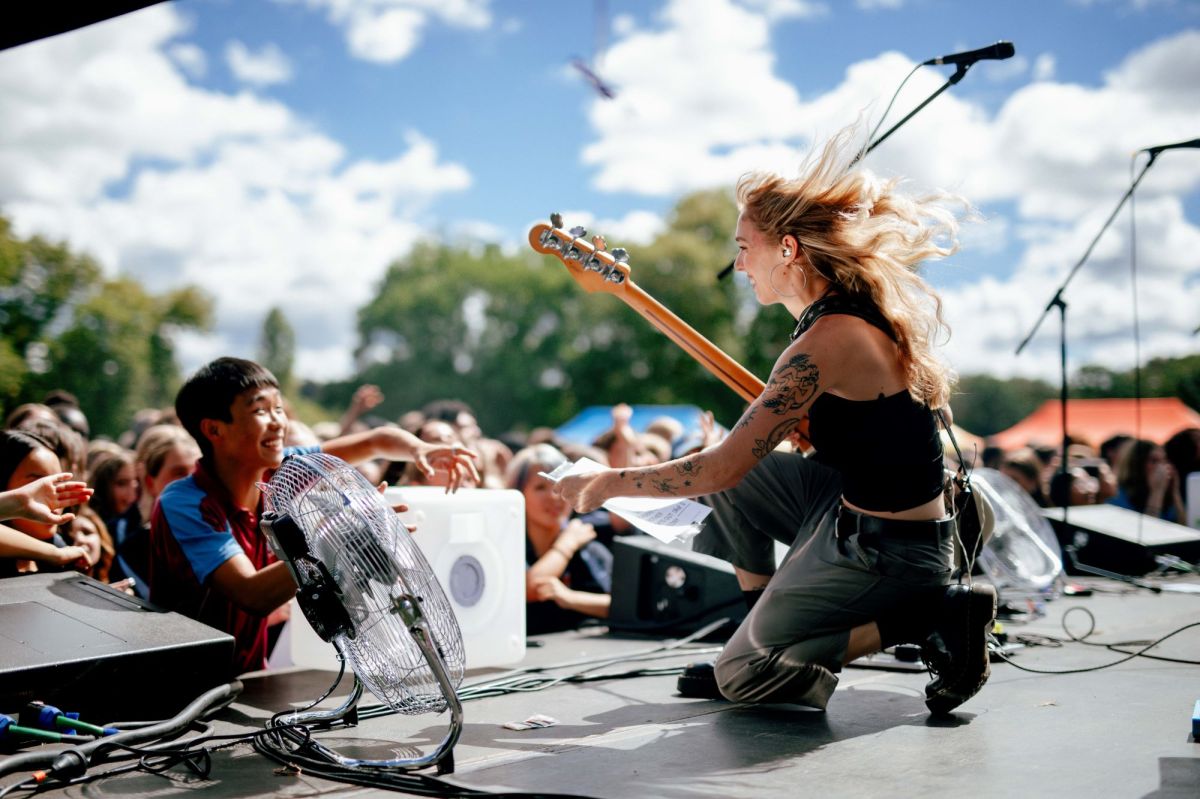
Live music environments offer something the internet cannot replicate: shared experience, physical presence and deep, authentic community.
Playing your first set, standing in the crowd, working together to stage an event – these moments build identity, confidence and connection in ways that scrolling never will.
Yet the infrastructure that allows young people to participate in music, arts and culture is fragile and shrinking.
Across Australia, all-ages venues are sparse, insurance and liquor licensing make youth events harder to stage, and rising costs mean many young people simply cannot afford to attend live music.
In some communities, there are no safe and accessible places for under-18 audiences to experience live music at all.
A shifting cultural landscape: young people take the lead
The many barriers restricting young people’s access to live music reflect a broader challenge in youth policy.
Grassroots sport continues to play an extraordinary role in the lives of many young Australians – but it cannot be the only pathway for connection and identity.
Culture matters too.
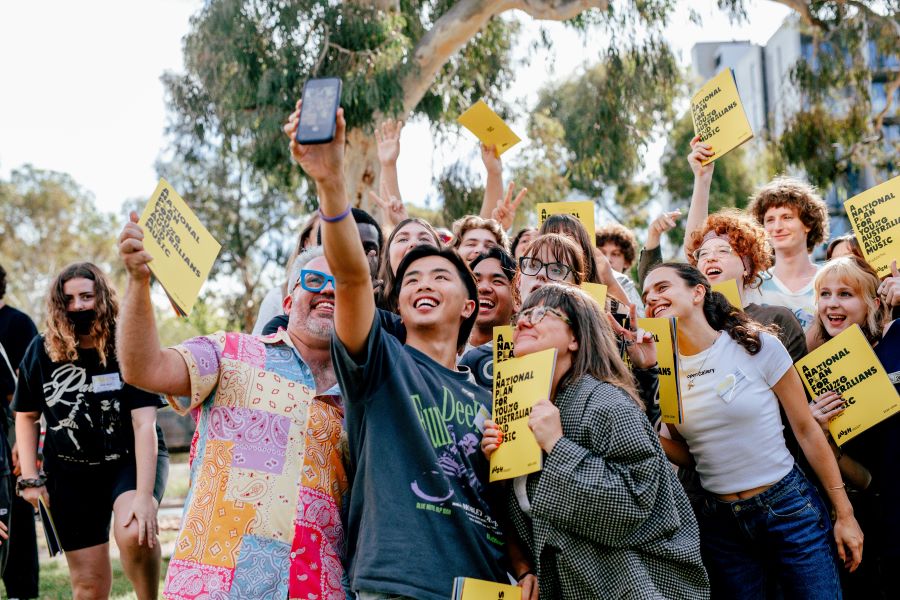
When young people go to gigs, run their own shows or step into music careers, they are not just audiences. They are building culture, they are forming friendships, developing skills and discovering who they are.
In March, a delegation of young Australians travelled to Canberra to launch a National Plan for Young Australians and Music, a 10-year vision shaped through consultation with young people, educators, artists and industry leaders across Australia.
ArtsHub: The Push unveils 10-year plan for young Australians and music
At Parliament House, these young leaders went toe-to-toe with national policymakers. And by sharing their stories, they delivered a clear, unified message.
They don’t want more screen time – they want more stages.
They want affordable gigs, creative spaces in their communities, and pathways into music careers that do not depend on postcode or privilege.
But where words are heard, music is felt. The energy transformed when the Federal Minister for the Arts, the Hon Tony Burke MP, and his band of pollies picked up their instruments to join Teen Jesus and the Jean Teasers and Ipswich band LanGwij for an impromptu jam session.
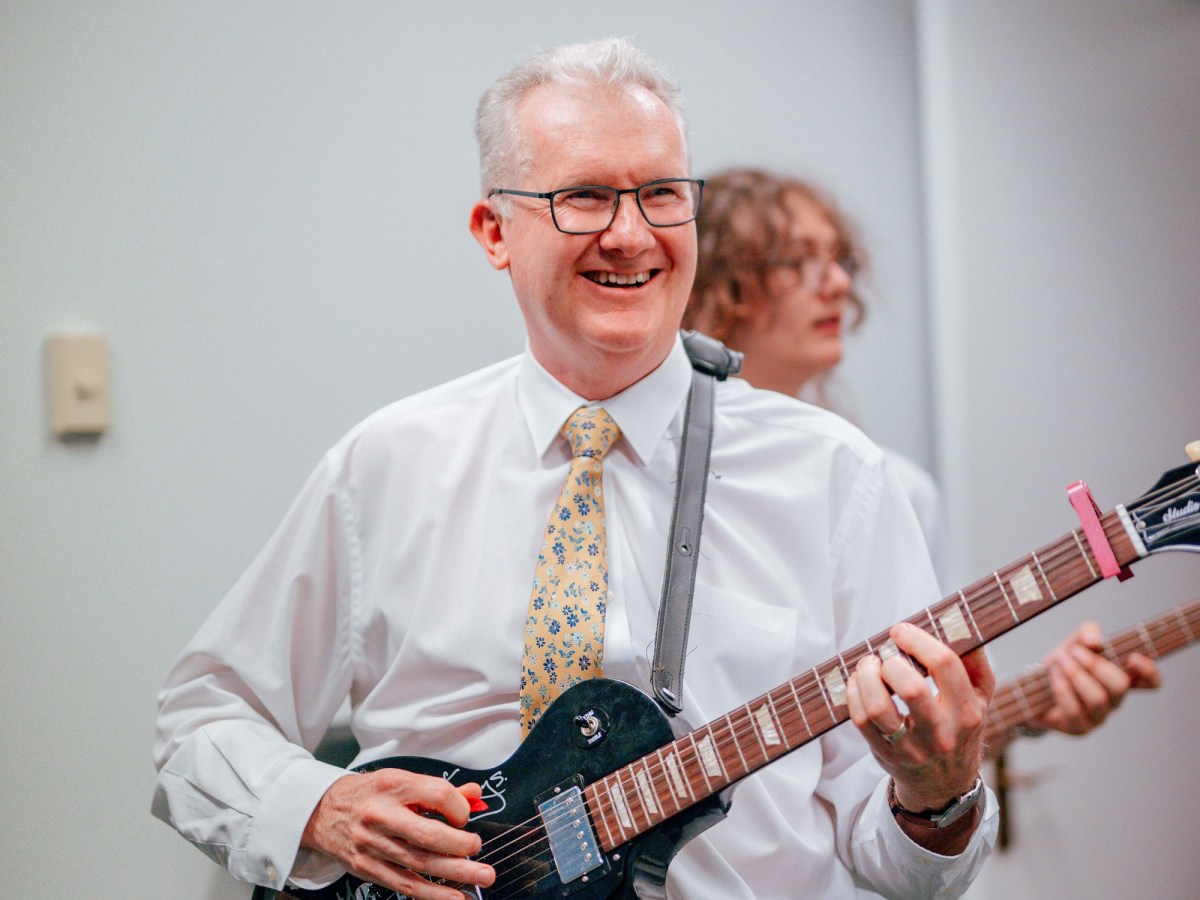
The power of music to truly connect people is undeniable.
For generations, Australia has invested heavily in sporting infrastructure for young people – footy ovals, tennis courts, cricket clubs and pathways that recognise the role sport plays in building healthy communities.
Imagine if we built the same infrastructure for culture.
Building a culture where young people can thrive
If we want our local arts cultures to thrive and our young people to grow up connected, confident and resilient, we need to treat music as essential.
Not a ‘nice to have’. Not a luxury. Not an afterthought. A vital part of the environments that help young people find their people and their place in the world.
If we want young people to put down the phone, we have to give them a reason to look up. A National Plan for Young Australians and Music isn’t only about culture – it’s about building a nation where belonging happens in a crowd, not in the comment section; where connection occurs in the rehearsal room and on stage, not just in the locker room, on the netball court and the cricket pitch.
So what does that look like if we get this right?
Imagine if every venue across this country was all-ages, meaning underage young people have the same opportunity to see their favourite artist as overage people.
Imagine if every school had a careers teacher who understood that music is a real career – and knew the pathways, not just for artists, but for the entire industry behind them.
Imagine if every young person who couldn’t afford a ticket to their favourite band had a live music pass, meaning they didn’t have to miss out.
Because right now, at a time when things feel increasingly uncertain – when young people are being told where they can’t go, what they can’t access, and what’s being taken away – we all have a responsibility to focus on what they can build.
Creating real-world spaces where young people can connect, belong, and see a future for themselves.
Music does that. Let’s invest accordingly.
The Australian Government is currently seeking input into its next National Cultural Policy. We’ll be submitting a clear case: that actioning a National Plan for Young Australians and Music will strengthen culture, grow our creative economy, and support the wellbeing of young people across the country.
Our Federal Budget submission asks for a $13.4 million investment over four years to reach more than 160,000 young Australians – a modest investment with meaningful impact, and a practical place to start.