Australian games organisation Freeplay, one of the longest-running games organisations in the world, has released a new report with the newly-formed National Games and Play Working Group, which details the many challenges facing the local games industry. Also released was a joint submission to the now-closed National Cultural Policy review.
The report dives deeply into the ongoing challenges and frustrations faced by local game developers, particularly in regards to government-led support and funding, in comparison with funding for other arts and established institutions.
As outlined, the crux of the matter is a general lack of understanding about games, with the sector often sharing the pot with film arts, and still getting lesser investment.
Freeplay is calling on the Australian government to reconsider its approach to supporting its local games industry in the years ahead, with change needed to ensure developers can create sustainably, with tangible support that is fit for purpose.
Freeplay calls for games industry support – quick links
The core pillars of Freeplay’s report
Freeplay and the National Games and Play Working Group have outlined three key changes they believe will lead to positive outcomes for the Australian games industry, and the country’s economy overall:
- ‘Develop a coherent and nationally-consistent definition of games so gamemakers have certainty about whether they can even access different federal, state and territory programs.’
- ‘Catch games up on a decade of underinvestment by matching public games funding up to at 10% of film production’s total public investment.’
- ‘Set up a dedicated national agency – Games Australia – so game makers design games programs, assess games funding and promote games here and abroad, supported by a practitioner-led Australian Games Council.’
The report focuses on the need to have better-informed policy around the games industry, with decisions led by experienced practitioners who understand the needs of workers. With around 10,000 creative workers estimated to make up the local games industry (employed, contract and casual) and 82% of Australians playing games, the report identifies a pressing need for improved support overall.
Issues outlined include that games get only marginal investment compared to other arts within Australia. Per Freeplay, games programs receive 0.5% of national cultural funding, just 3% of what film production gets, and ‘significantly less’ than what dance, design or opera receive.
It has also called out deficiencies in support for upskilling, mentorship and business development, outside of select programs in Victoria, and noted that ‘games are excluded from export, audience and market development programs that film, television, music and literature get access to’.
Analysis of global standards reveals that Australia invests around $0.42 per person working in the games industry, compared to averages of $0.85 in New Zealand, $1.49 in Canada and $2.43 in Germany.
The report states definitively that Australia’s existing cultural government is ‘miscalibrated’ with the strategic needs of its games sector, and that a weak industrial culture means the country lacks ‘the strong collective agenda and identity of other artforms’ which has allowed for more cohesive advocacy elsewhere.
Australia’s games industry is resilient after years of change
Per Travis Jordan, Freeplay’s Advocacy, Fundraising and Sustainability Lead, there is a growing frustration with the way that games have become pigeonholed in Australia, with much of the public discourse focused on one aspect, or one type of game, to the detriment of growth.
‘Filmmakers wouldn’t accept their whole artform being defined by Marvel blockbusters or children’s TV shows,’ Jordan says.
‘Theatre would revolt if people’s first thought was of the latest Hairspray tour. Music isn’t less worthy of support because Taylor Swift is a billionaire. But still for many arts leaders, mentioning games just brings to mind the latest mass market title – instead of the hundreds of successful indie games Australia makes.’
‘Many of Australia’s largest cultural exports of the last 10 years emerged from our games sector. Even smaller narrative driven indie or experimental art titles sell hundreds of thousands of copies globally – while some of our breakout hits reach millions more people than some of our best-selling films. Games deserve our fair share of attention and funding. But we’re stuck fighting decades-old fights justifying our very existence in the arts world – and frankly we’re all tired of it.’
Per Jordan, the local games industry – as with many other cultural institutions – is currently facing significant upheaval, in line with a rocky economy. But as he points out, Australia’s games industry has learned to be resilient after years of waves, and it now better understands what’s needed to weather the incoming economic storm.
‘We just need the leadership and investment to do it. Now is Australia’s chance to lead,’ Jordan says.
As outlined, it all starts with a strong National Cultural Policy that understands the value of Australia’s games sector, and how financial support can inspire further success.
Case studies that prove how games funding can create big results
Freeplay’s report includes various case studies that prove how financial support can contribute directly to Australia’s economy, with even minor investment leading to long-term economic growth.
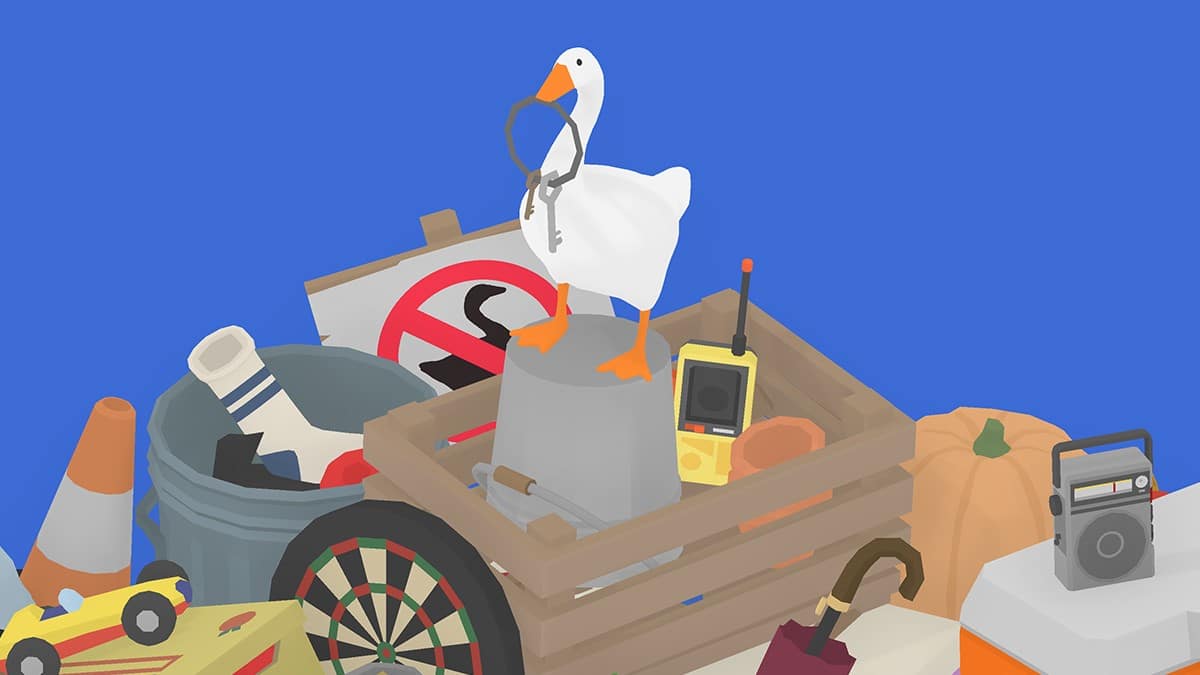
House House’s Untitled Goose Game, which became one of Australia’s most popular games after its 2022 release, received $80,000 in funding from VicScreen. The game went on to sell an estimated 1.6 million globally, and generated $12.5 million in revenue, to be partially put back into the economy.
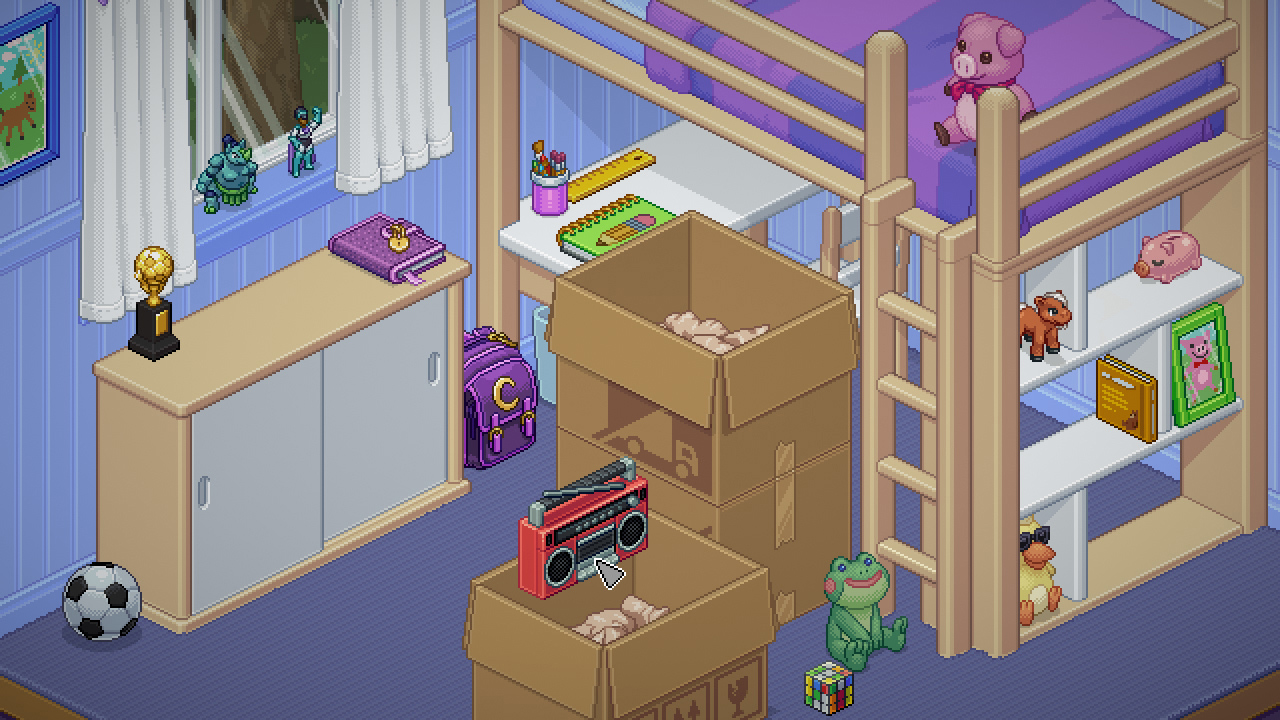
Witch Beam’s Unpacking, another recent hit out of Australia, received $60,000 in funding from Screen Queensland. In turn, it sold over 1.2 million copies on Steam (PC) alone, and generated over $18 million in revenue, to be partially put back into the economy.
Many, many other games are achieving similar results, with direct funding allowing developers to realise their brightest ideas and release titles backed by a strong vision and talent that ultimately find their intended audiences.
While some games have achieved this without funding, many other games would not exist without the direct financial support to cover the time required for development.
With improved funding across the board, there is potential for many more hits out of Australia, with these contributing not only to the financial success of developers, but feeding back into the economy, creating potential new jobs and stabilising local businesses.
A new National Cultural Policy for a brighter future
As outlined by Freeplay and the National Games and Play Working Group, the Australian games industry requires a more nuanced approach to existing support.
It asks for a multi-layered approach to games, without a prescriptive framework around what games could or should be. As the report states, ‘Games are ever-changing, moving with the speed of technological innovation and whatever experimental, transgressive and intersectional practice game makers are pursuing.’
It asks for public funding to be more consistent across states and territories, with a more cohesive approach developed through consultation, and hand-in-hand with a dedicated games agency. ‘Several other countries have made significant investments in interactive arts over the last three years in dual recognition of the risk to the sector from global economic disruption and the possibility for rapid sectoral growth,’ it states.
In essence, Freeplay and the National Games and Play Working Group are asking for a fair go, with an understanding of Australia’s local games ecosystem matched by significant, needed change to ensure future stability and further growth across the country.
The public consultation period for the next National Cultural Policy ended on 24 May, and submissions are now being reviewed.