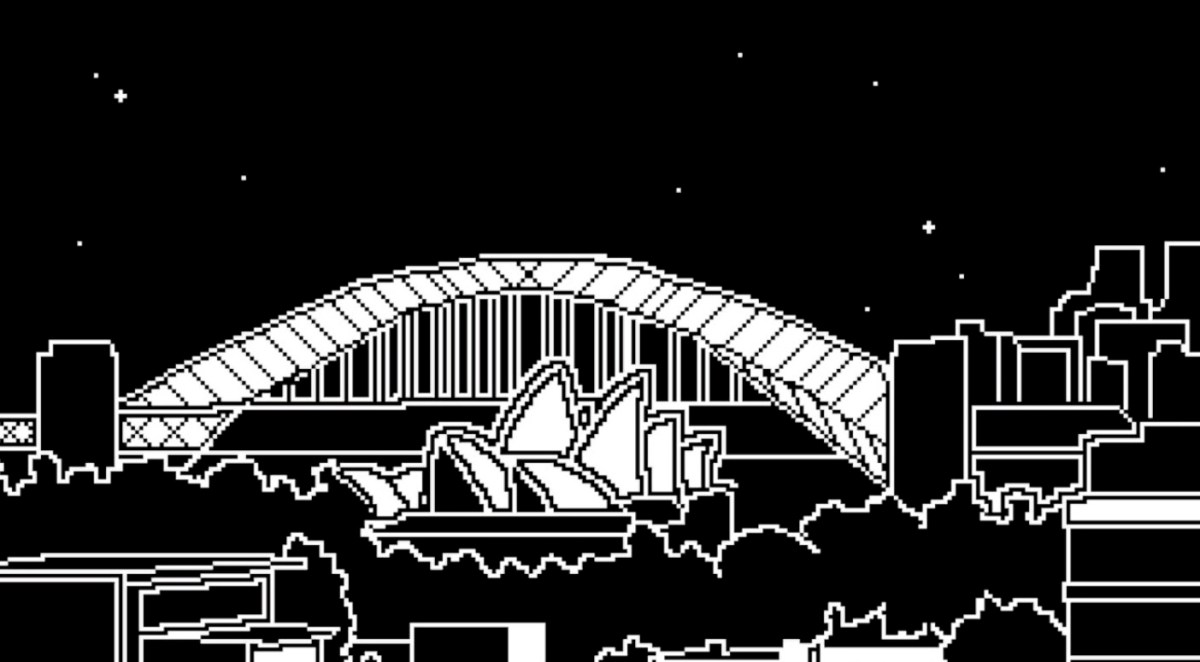
Developer Georgina Owassapian’s upcoming visual novel Night Shift: 1999 is partly autobiographical. It focuses on the journey of a vampire through Sydney, Australia and their struggle to remain human, but like all good vampire fiction, this is a metaphorical tale.
‘Part of the story is based off my experiences of moving to Australia … I kept thinking, if you were a vampire, you probably have to go through this type of thing a lot,’ Owassapian says.
Thinking deeply about her own migration during the game’s gestation, she related it to the long and layered journey of vampires in fiction – the idea of constantly moving, needing to make new friends, finding new jobs and charting new time periods. The circumstances are different, but the crux remains the same.
In any new circumstances, there is fear and uncertainty. There’s a natural ‘othering‘ that comes from being different. Developing Night Shift: 1999 was a chance for Owassapian to tell more of her story, and parse her own feelings about becoming part of a new city, in a new era.
Night Shift: 1999 developer interview – quick links
Night Shift: 1999 is inspired by real-life circumstances
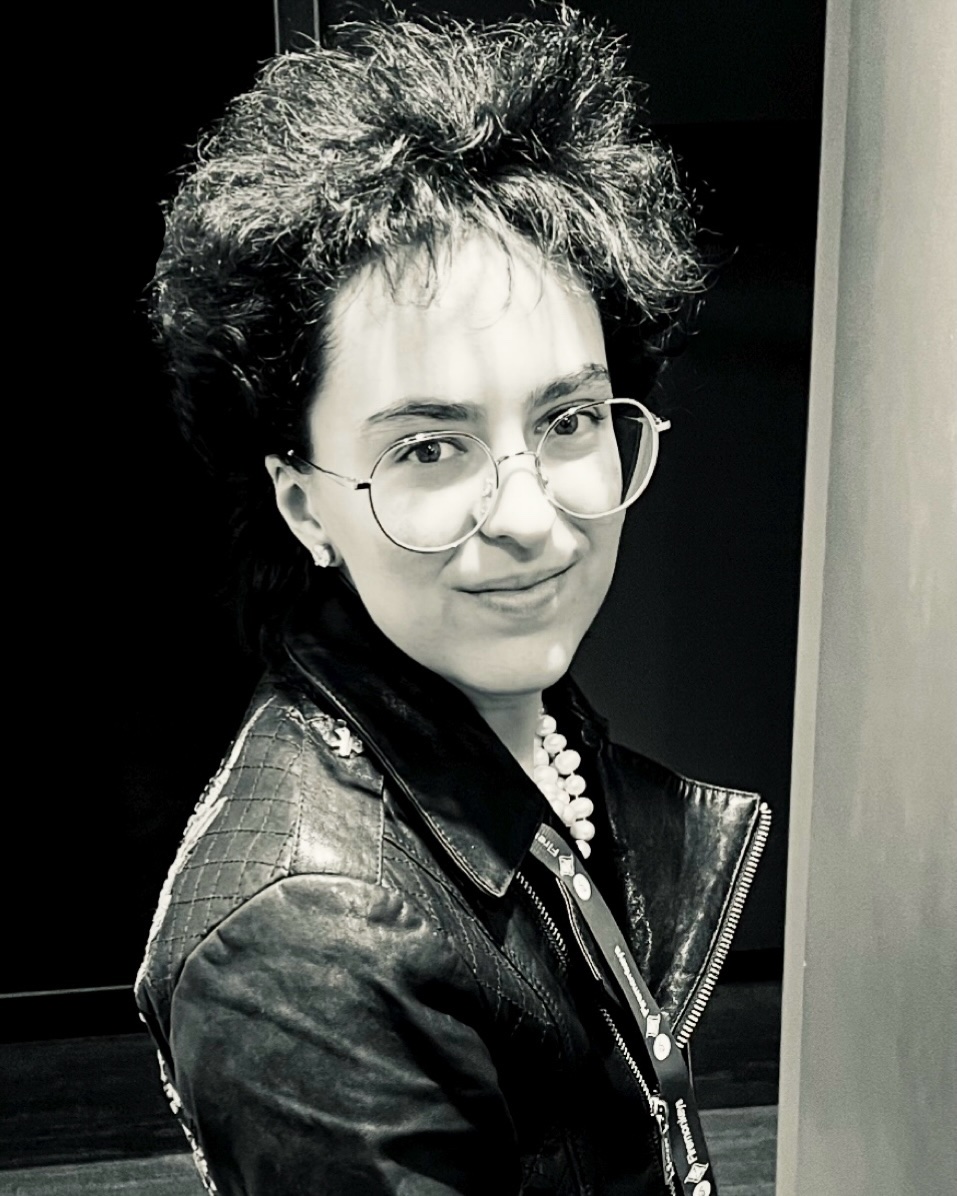
Owassapian’s background lies in fine art, and specifically, installation art and 3D modelling. As part of her creative practice, she was eventually inspired to branch out into new mediums, and so began developing ideas for a simple visual novel around 2019.
Aware of her personal lack of experience in the world of game development, she recognised it was important to start small, with a reasonable scope for new skills that could be picked up along the way. As Owassapian tells ScreenHub, she found ample resources and guides for building a visual novel, a video game focused on text-based storytelling, and with her artistic background, she felt it was the best medium through which to tell her story.
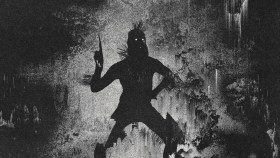
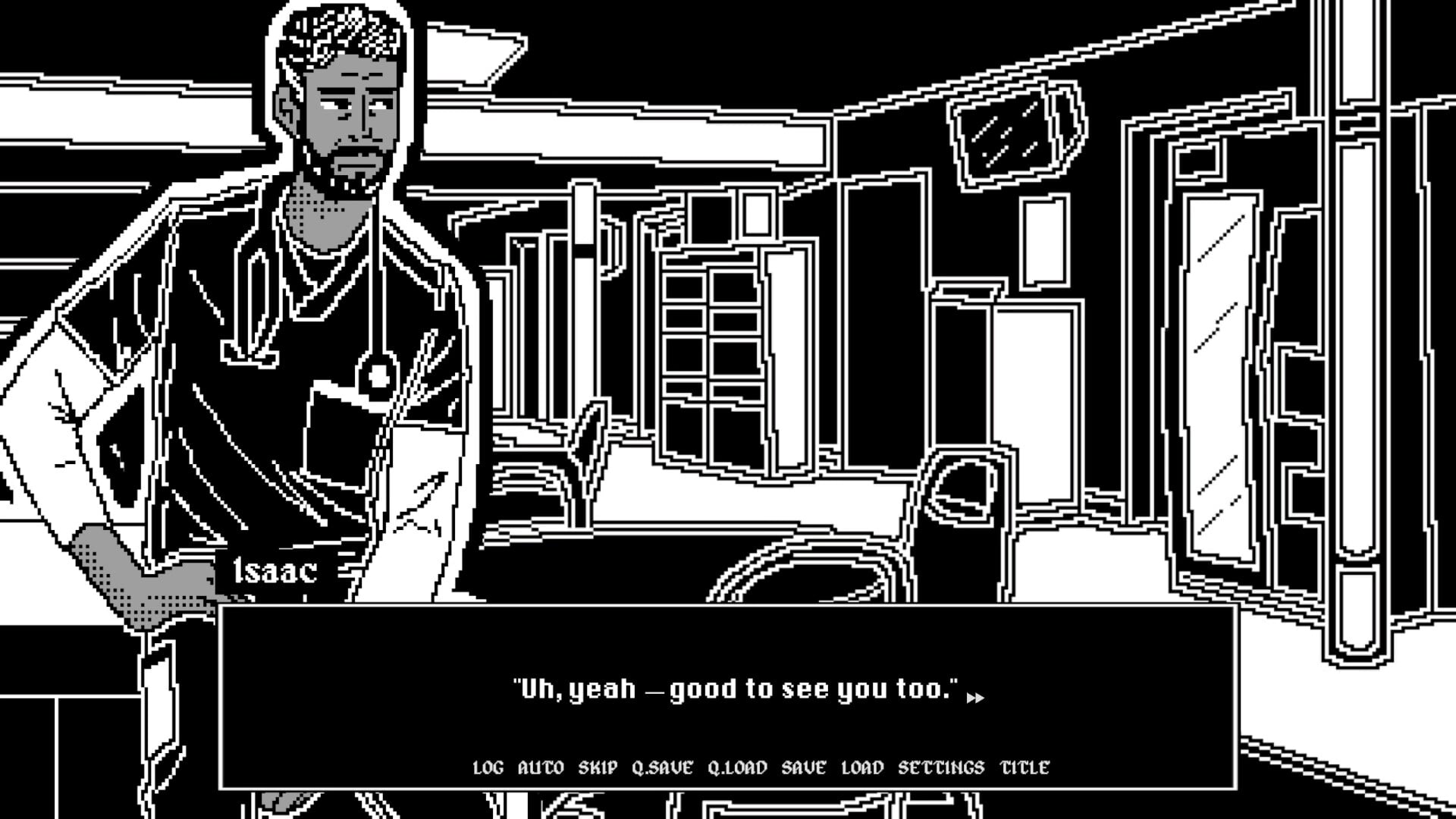
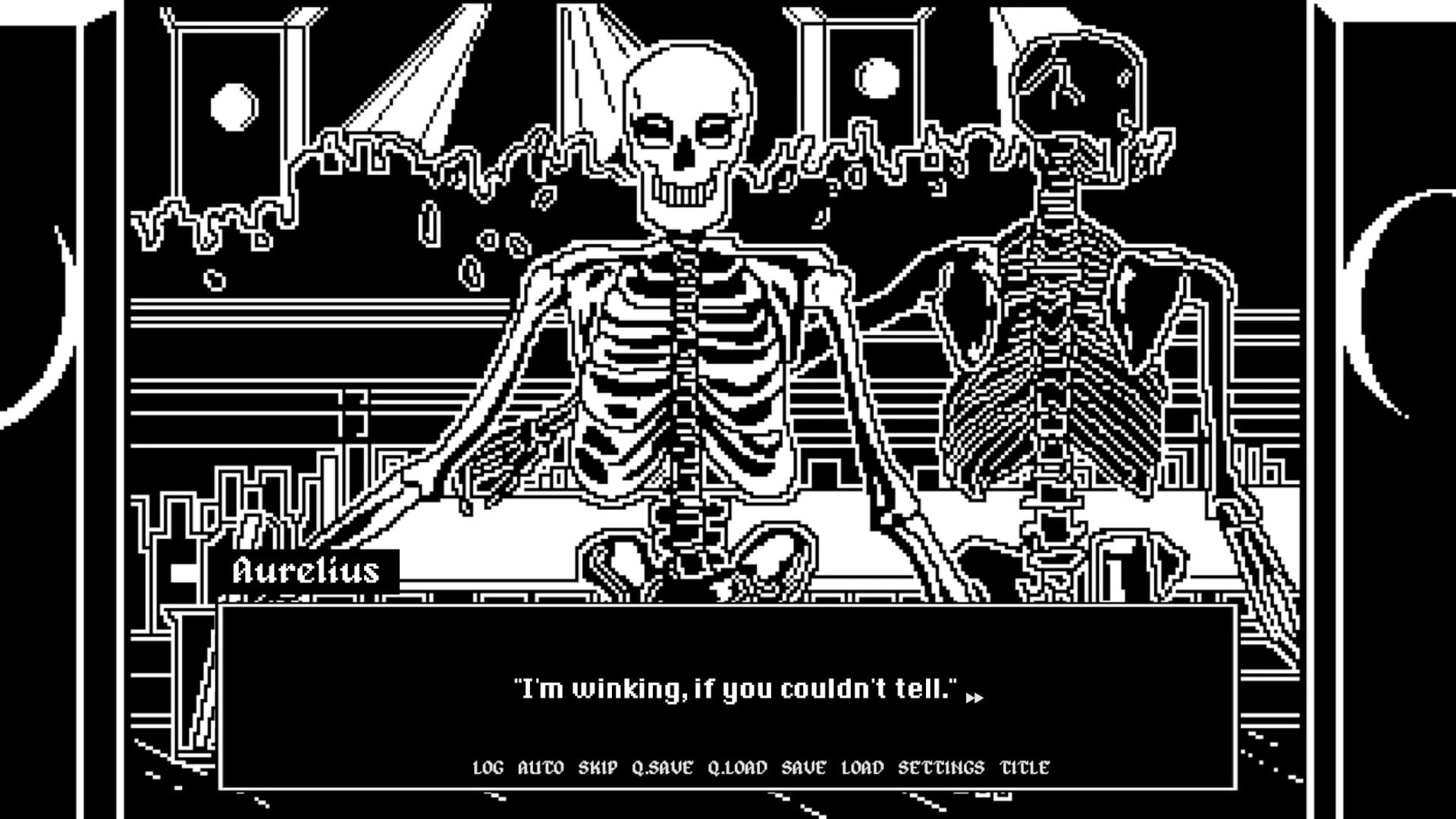
That background also informed her layered approach to Night Shift: 1999, with its sense of identity shaped by strong, artful visuals. The game is in black and white, with characters and iconic Sydney places rendered in sharp pixels.
‘When you’re working as an artist, you have to be so organised. You really have to be self-motivated,’ Owassapian says. ‘That helps in terms of taking on a project like this, where you have the tools to actually approach it, even if you don’t necessarily know exactly what you’re doing yet, and you’re still learning a new skill.’
As the early prototype for the game shaped up, Owassapian was eventually able to earn support from Screen Australia’s Emerging Gamemakers Fund. This particular fund is about elevating emerging game developers and providing them with some financial backing to bring their newest creations to their next stages and, eventually, to release.
In the case of Night Shift: 1999, Owassapian’s layered story of migration and identity simply wouldn’t be told without this support.
‘It’s something I’d been thinking about for quite a while, but just never had the time or money to actually do and focus on,’ Owassapian says.
‘I’m eternally grateful [for the funding] because … it’s been such a journey, and it’s been an incredible new experience to actually be able to do. The fact that now I’m getting to the end, where I’m going to be putting out a finished product that people can play and enjoy – I feel very blessed.’
Creating a monster
With time and space to work on this project, Owassapian quickly began to refine her brightest ideas, working on creating a compelling story inspired by vampire fiction, while also being reflective of her own real-life challenges.
One of the primary inspirations for the story was Being Human, the 2009 BBC TV series starring Aidan Turner, Russell Tovey and Lenora Crichlow as (respectively) a vampire, a werewolf and a witch, all living together in modern Bristol, England.
‘I loved that show when I was growing up, and how the different supernatural happenings in the TV show were reflective of real-life events,’ Owassapian says. ‘Even though they don’t hit the mark all the time, in terms of their comparisons with real life issues.’
‘My game is about migration, but [Being Human helped me realise] you don’t have to play it through that lens.’
Owassapian was particularly keen to subvert tropes within the vampire genre, which typically frame the creature as a metaphor for the other, particularly fear of the foreigner.
In recent years, there have been a range of films and series that have attempted to flip these stereotypes – Owassapian noted AMC’s Interview with the Vampire as a recent example, where vampires have more power and agency, and are used to explore social change and advancement.
‘There’s [metaphor] baked into the actual genre, and that’s why it’s nice to see different vampire media subverting it these days,’ Owassapian says. ‘[For Interview with the Vampire] it’s nice to see a take on gothic horror that isn’t necessarily demonising otherness.’
Setting the story of Night Shift: 1999 in Sydney was a further subversion for the vampire genre. It’s not a setting where vampires are common, and there are very few Australian vampire stories in mainstream culture.
For Owassapian, it was simply a matter of choosing a semi-autobiographical approach reflective of her experiences, but setting the game in Sydney also allowed for a uniqueness of tone and language, and a chance to spotlight some recognisable and iconic locations.
‘This is the area that I got to know … [Sydney] was a really important place, because I was living in Potts Point and I was going to National Art School [to start my adult life],’ Owassapian says.
‘I’d walk through Kings Cross and Darlinghurst every single day. Once I actually started doing research for Night Shift: 1999, I starting being like oh, Kings Cross is quite iconic, you know, in the area of of Sydney.’
‘I was lucky for that fact because there was a lot of archival photography, newspaper clippings, all sorts of things, because there [are] people that are really big fans of the area and its history … when you’re doing a game that’s kind of about the underworld, about those on the peripheries of society, that becomes the perfect setting.’
As Owassapian says, Sydney is its own character in the game, and it was ‘nice to be able to highlight it, and nice to be able to write about a place that means so much’ to her personally.
Developing Night Shift: 1999’s pixel art style
To better reflect the city and its underground culture, as well as the era of its setting – the new millennium – Owassapian eventually refined a pixel art style that she designed to reflect change, nostalgia and retro-chic.
‘These days people are kind of nostalgic for how games used to look, and it’s a nostalgia for a time period that merges a bunch of different types of aesthetics taken from the 70s, 80s, and 90s,’ Owassapian says.
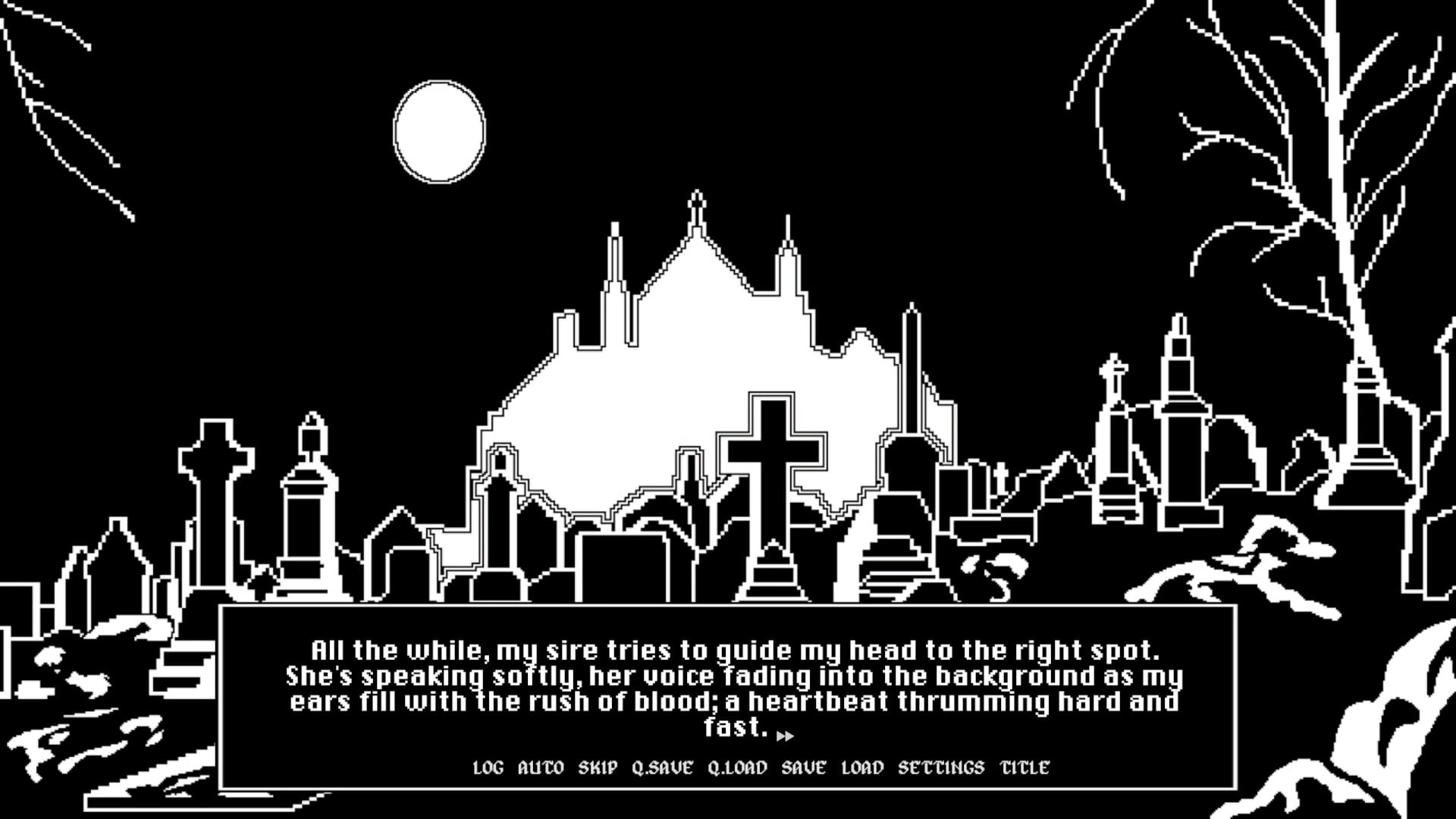
Through pixel art, the game declares itself as a period piece, while also paying homage to the black-and-white origins of modern vampire media – films like Dracula (1931) and Nosferatu (1922).
‘I was watching the original Nosferatu … with black and white, it definitely has this timeless feel,’ Owassapian says.
‘With visual novels, they remind me a lot of silent movies, especially when you don’t have voice acting involved.’
‘It was a cool way to signal that you’re playing as a character that doesn’t live within the bounds of other people’s realities, and is very separate.’
Night Shift: 1999 aims to speak to a universal experience
In this deep exploration, Owassapian hopes to tell her story in a way that’s universal and impactful.
To best understand Night Shift: 1999, you need to know it’s a vampire story that’s not really about vampires. Rather, it’s about the shared and familiar act of moving to a new place, figuring out its rules and trying to find your sense of self within them, or despite them.
‘My biggest hope is that whoever plays it, they can connect to the story, they can connect to the characters,’ Owassapian says.
‘I love visual novels, and I’ve really wanted to create characters that feel like they can be real people that you can encounter – not necessarily like you’re choosing options and you’re talking to people with the hopes of raising an imaginary friendship bar. You really have to figure out how to navigate social interactions depending on the person, and I’ve tried to put as much realism into this game as possible.’