Tabletop games creators have been impacted heavily by global turmoil in recent years. First, it was the 2019 Covid pandemic creating bottlenecks in global manufacturing and shipping. Then, the breakout of multiple wars disrupting trade routes. Then, the arrival of egregious (and some since-ruled-illegal) import tariffs to the US.
After years of chaos, tabletop creators are now dealing with new challenges. Manufacturing and shipping has become significantly more expensive, while the added, unexpected costs of additional tariffs have also eaten into company profits.
Here in Australia, tabletop games creators have described being relatively insulated from the biggest challenges facing game-makers worldwide, but as they tell ScreenHub, the last few years have still introduced plenty of new difficulties to the process of tabletop games development.
Australian tabletop games creators – quick links
The impact of America’s trade tariffs on Australian board game creators
In 2025, US President Donald Trump announced an array of sweeping tariffs, which would apply to all imports from various countries, including Australia. This was allegedly a means to raise more money through tax for the US, with the International Emergency Economic Powers Act used as justification for the changes.
The ruling put a blanket 10% tariff on all goods imported from Australia. What further complicated matters was that the tariff fee applied to the origin country of goods imported.
Most tabletop games are currently manufactured in China due to its unique manufacturing capabilities and technology. During the US reciprocal tariff war, the country was heavily targeted in an escalating battle of additional tariffs.
At one point, the US had suggested it would impose a tariff of up to 145% on imported goods originating from China, although this was eventually negotiated down. Per Reuters, China’s additional tariffs currently sit at 10%, the same amount facing most goods from other countries, although negotiations and changes continue.
Even with the initial decision to impose sweeping tariffs being shot down by the US Supreme Court in February 2026, there remains an array of new, temporary tariffs that all importers must face.
As one of the biggest markets for tabletop games, importing to the US to reach that larger audience simply can’t be avoided for many games creators.
For local Australian tabletop games creators, this tariff system – and the chaos and uncertainly that has followed it for the last year – has created a range of challenges.
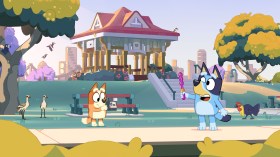
‘The US is … one of the largest markets for games, so obviously their tariffs of 100% and greater on China caused massive issues for many companies across the industry,’ Phil Walker-Harding, founder of Joey Games, tells ScreenHub.
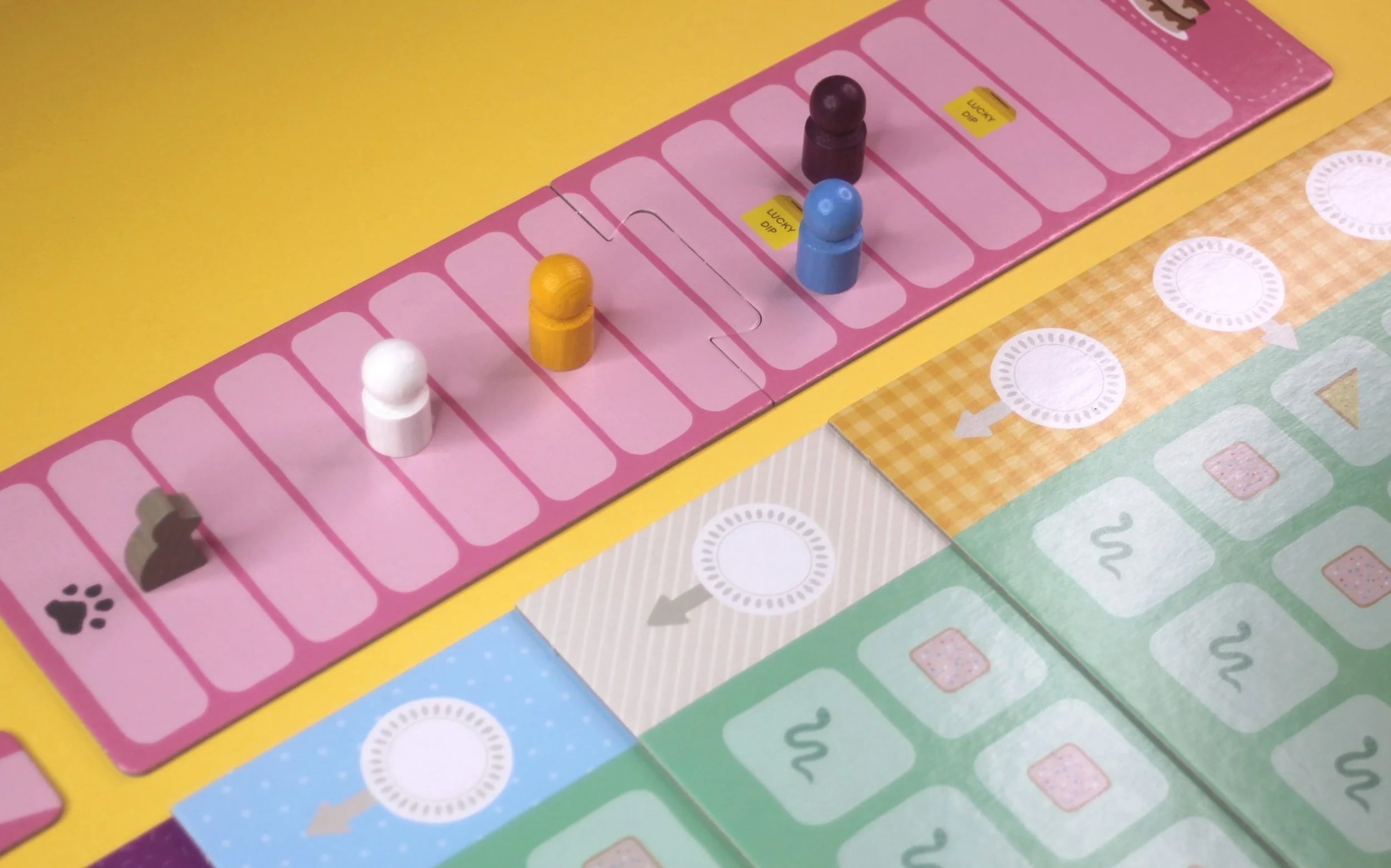
The Quokka Games team describes a similar impact, reporting greater costs and far more documentation now to develop games and import them to the United States.
‘Shipping to the US and Canada – there’s tariffs, so that does cause a hurdle of sorts,’ says Jonathon Cheung, co-founder of Quokka Games.
‘There’s a lot of push-and-pull and documentation – red tape – that you have do. I recently had to sign up to a third-party app to even get a label printed out from Australia Post. Then after that, I received the tariff bill of how much I have to pay. That just came off the credit card. I guess that’s less profit for us.’
The Storybrewers Roleplaying team, best known for creating the Jane Austen-themed TTRPG Good Society, described the period following the Covid pandemic as being ‘one challenge after another’, with the tariffs being just another hurdle to climb.
‘Our initial budgeting for projects was off because of the tariffs,’ Vee Hendro, co-founder of Storybrewers Roleplay, tells ScreenHub. ‘That eats into the money that you want to use to make the game better.’
Manufacturing and production costs have also been affected
Beyond needing more rigorous budgeting to deal with unexpected and high-cost tariffs, which have changed so rapidly that Australia Post has actually changed the process of importing goods to the US, local producers have also recently faced other added costs.
‘We remember the shipping spike and the production bottleneck,’ Hendro says. ‘The production bottleneck got way worse because of people trying to get stuff in before the tariffs started – so we ended up having projects that were delayed from that.’
Hendro and Storybrewers Roleplaying co-founder Hayley Gordon also report various other difficulties that have stemmed from global conflicts and political in-fighting, including new forms and documents relating to regulatory change, and new challenges for travel.
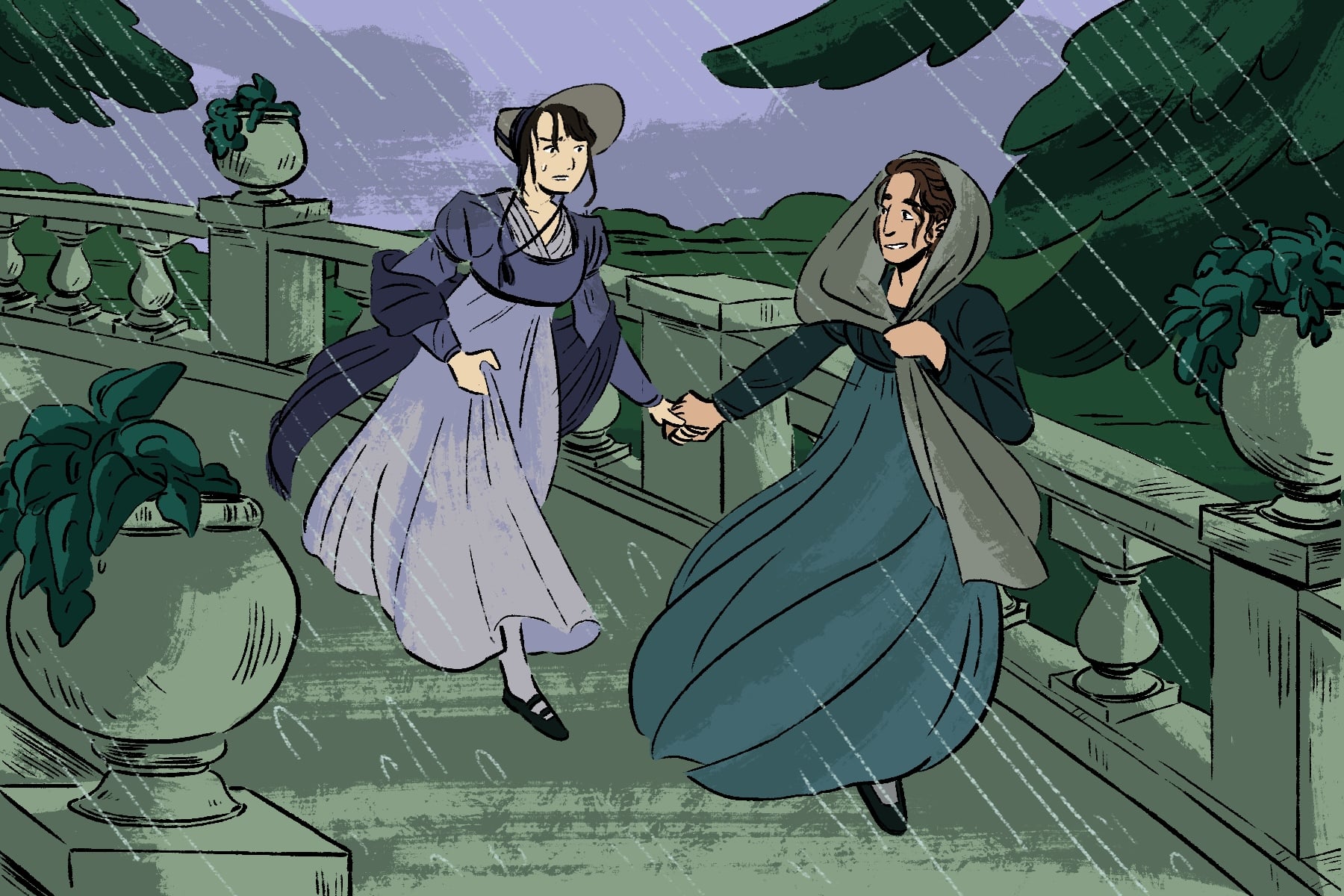
They plan to show their works at the UK Games Expo in Birmingham, as well as at Gen Con in Indianapolis. ‘Are we going to get out and get there? Will there be enough jet fuel?’ Hendro wonders.
The ongoing impact of the war in Iran has also contributed to concerns around production and manufacturing, as well as marketing and community growth. Many teams located in Australia have international audiences, and must bring their works overseas to showcase and gather support from the tabletop games community. There’s trepidation about making those trips safely, in what the Storybrewers team describes as an atmosphere of uncertainty.
Of the lessons learned over the past few years, Hendro says: ‘You start being smarter about the way you go about creating things to give yourself more flexibility when, inevitability, it seems something is going to go wrong in the journey.’
The Ghostfire Gaming team, currently developing new Neopets board game Neopia Quest, recently shared similar advice in light of their own experiences. ‘If it’s going to keep jumping around, [we] just make a plan and go with it,’ Ghostfire Gaming’s Lead Developer Mark McIntyre told ScreenHub.
Australia has a few key advantages in the tabletop games arena
As these creators tell ScreenHub, although there are many challenges, Australian game-makers are still in a better position than those in other regions. That’s because of a few unique reasons, including Australia’s geographical closeness to manufacturers in China.
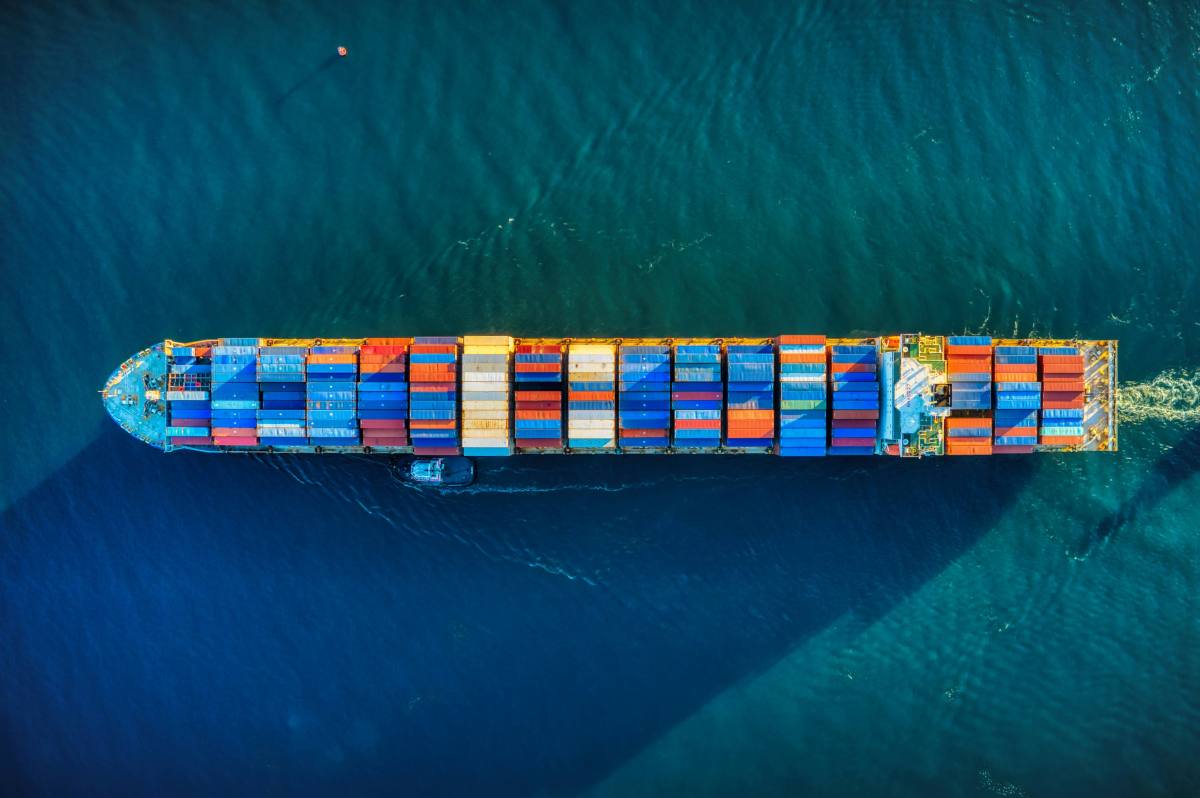
One of the biggest issues currently facing shipping of all kinds is the blockage of the Strait of Hormuz, a major shipping channel between Iran, Oman and the United Arab Emirates. Conflict around this region has made passage for ships unsafe, leading to global shipping delays and other complications.
With ships originating in China having direct passage to Australia, this element of global conflict hasn’t had a direct impact locally.
‘It hasn’t affected shipping at all,’ Cheung tells ScreenHub.
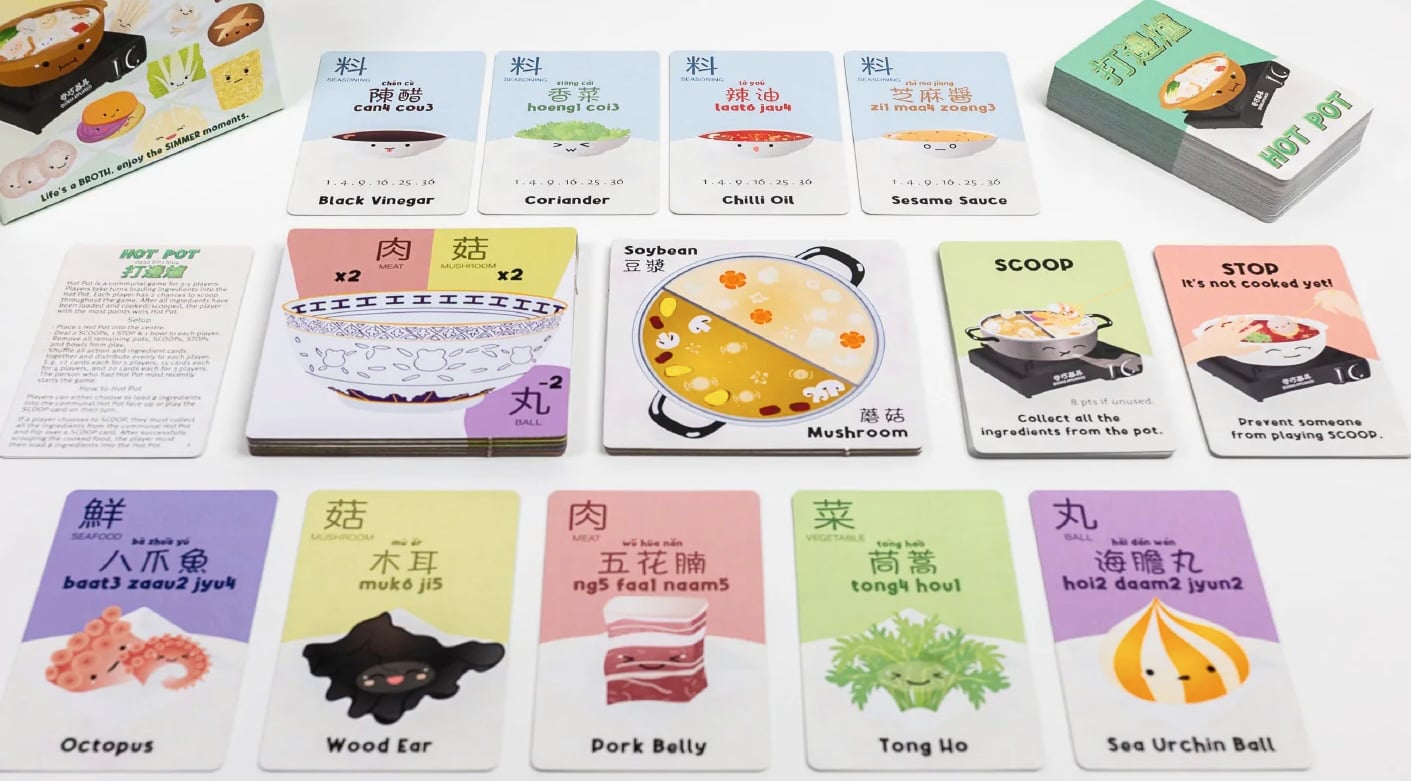
The Ghostfire Gaming team has had a similar experience, sharing that being so close to manufacturing facilities means that collaboration is more streamlined and shipping routes are relatively secure, with minimal risks compared to other routes around the world.
The Storybrewers Roleplaying team also point to community as another major benefit of Australia’s location, with local game-makers being a relatively tight-knit and helpful group.
‘This is where community is really, really important,’ Gordon says of the current uncertainties around manufacturing and production. ‘The network of indie game creators are amazing at informing each other of changes, sharing methods that they’re using to overcome different problems, and generally helping everyone [they] know have an easier time with this continued stream of issues that’s arising.’
Gordon adds, ‘If you’re self-publishing, if you’re doing it indie, that’s when community is really vital.’
It’s here, in this willingness to share advice and stick together, that the Australian tabletop games community is made stronger.
For these creators, while there are plenty of challenges involved in producing board games in the modern era, continuing to create experiences that connect with people and allow them to play is all the motivation they need to keep going.
In times of hardship and challenge, tabletop games continue to provide an outlet for both developers and players, and even with new hurdles to climb, the need to continue creating remains.