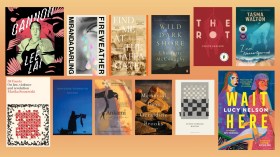
What do you see when you walk into any bookshop? New releases. Glossy, gorgeous things with alluring covers carrying cover endorsements that promise the moon. ‘Urgent!’ ‘Luminous!’ ‘A glittering debut!’ ‘Instant modern classic!’ ‘Amazing I could not put it down a veritable fever dream this author writes better than God …’
How long do these new releases stay at the sexy end of the bookshop? Maybe four weeks if you’re unlucky, 12 if you’re more fortunate. Then it’s the sad march to the cramped shelves at the back of the store, and ultimately the remainder bin.
The publishing industry stays afloat through hype that convinces readers they have to purchase new books. As a reader, this urgency is seductive – even addictive. Once you’ve got used to staying up with the latest, picking up a paperback from yesteryear seems like a backwards move, because any time you waste on an old book robs you of time keeping up with the newest.
Books: finding ‘the one’
This is clearly ridiculous, but I fall for that fallacy continually. The best estimate is that there are 170 million unique books in the world. UNESCO data shows roughly 2.2 million new books are published annually. How likely is it that the book you really need, the one you will most enjoy right now, was put into the world in the last few months?
So, last year, in amongst a few 2025-published bangers (if you haven’t tried Sophie Kemp’s Paradise Logic, don’t delay) I dug further back on the shelves.
My favourite literary love story is Thomas McNulty and John Cole in Sebastian Barry’s Days Without End. It’s a reliable shot of reading happiness; I drank it down fast and was delighted again.
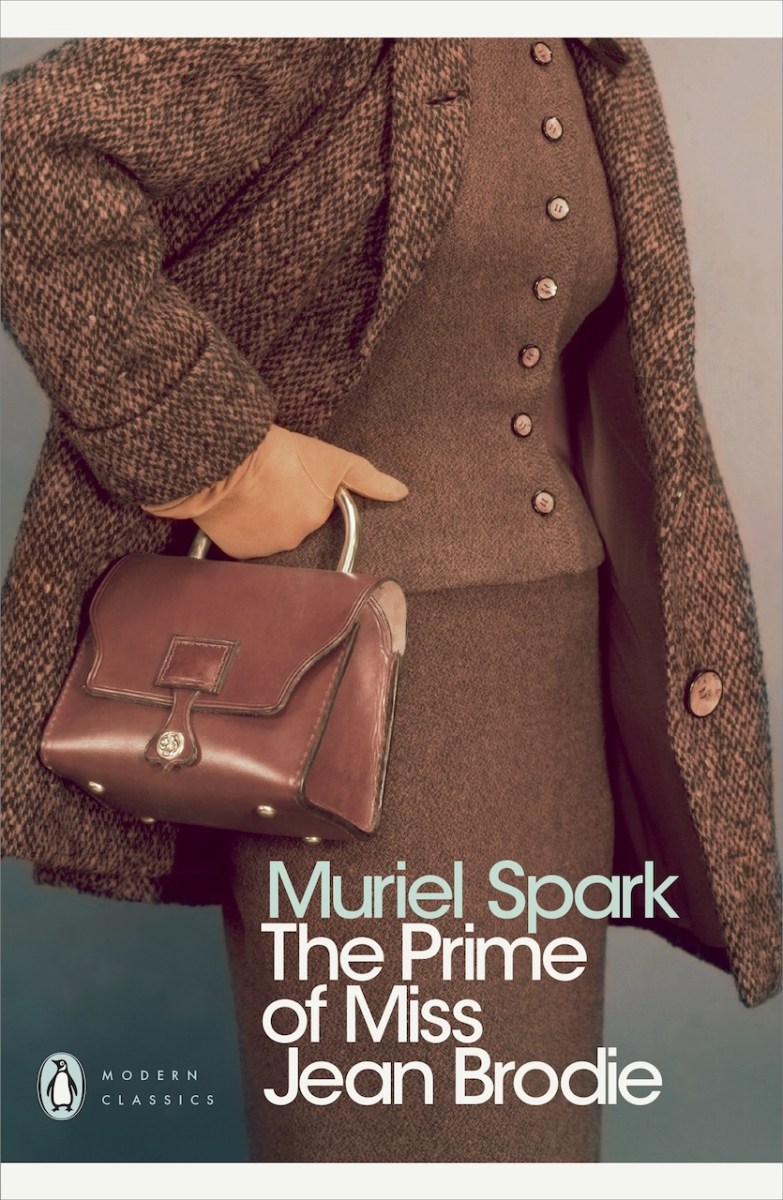
I reread The Prime of Miss Jean Brodie by Muriel Spark, a reliably thrilling novella. Even shorter is Denis Johnson’s Train Dreams, which I revisit often. (It is now a film that I will resolutely not see because I loathe favourite fictions being moviefied – but that’s a whole other story.)
Also in 2025 I worked my way through more than half of Brian Castro’s glittering back catalogue, just as several years ago I reread all of Michelle de Kretser’s novels. I strongly recommend picking an author – ideally Australian – and going full-immersion. It costs nothing but a little bit of time, and the rewards are rich.
I know a bookseller who sighs when people buy meretricious new releases rather than choosing from the array of established gems. He pointed me towards The Things They Carried by Tim O’Brien, published in 1990, an extraordinary collection. That led me to reread Everything Ravaged, Everything Burned by Wells Tower (2009) which was even better than I recalled.
I was shocked and moved by Trilobites & Other Stories by Breece D’J Pancake (1992). His stories are so tough and bleak and rural they make Harry Crews seem like a Manhattan fop. What recent short story collections could compare?
At a time when much contemporary fiction feels risk-averse and tepid, I was electrified to encounter I am Clarence by Elaine Kraf (1969), startlingly modern in its themes and style, and daring in its execution. Two other novels that excited me with their swagger were Jacques the Fatalist by Denis Diderot, and The Known Southern Land by Gabriel de Foigny. The former was written in 1796, the latter in 1676. Old does not have to mean fusty.
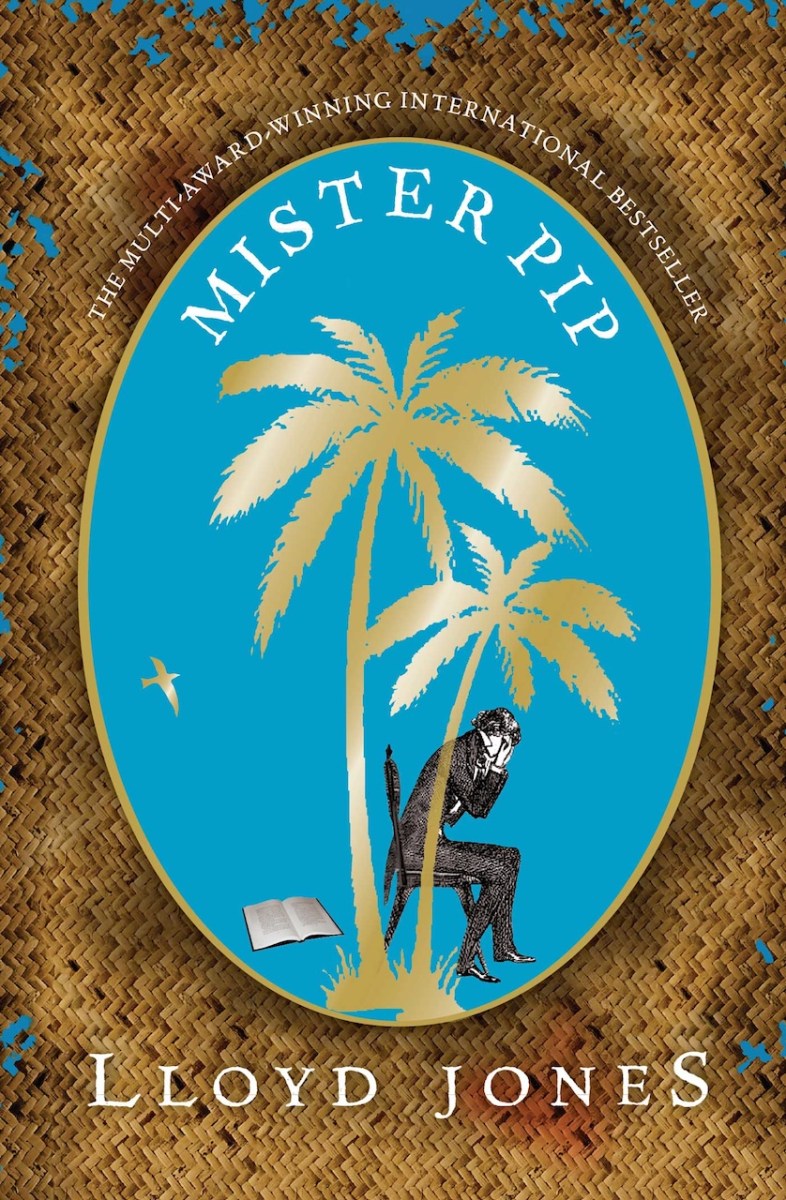
Turning away from hot-off-the-printer latest paperbacks allowed me to make a relaxed excursion to New Zealand circa 2006. In that year Lloyd Jones produced Mr Pip, which poleaxed me when I first encountered it.
A reread confirmed the magnitude of Jones’s achievement, capturing a place and a conflict and a whole set of personalities, conjuring love amidst devastating violence.
That book is justly acclaimed (shortlisted for the Booker Prize, and should have won) but in the same year in the same country Kiwi author Nigel Cox published The Cowboy Dog. This is a bewildering and bewitching western set in Auckland and some fictional prairielands to the south. Very strange, very good, and something I would not have experienced if I was shackled to the list of novels being reviewed in the zeitgeist-chasing book media.
It’s not just fiction, either. I found a second-hand copy of Warrigal’s Way by Warrigal Anderson (1996), which should rank as one of the great Australian memoirs. An Aboriginal child flees Melbourne aged 10 on a train for Sydney to avoid being stolen. He becomes a drover in Queensland aged 11, then works in abattoirs, factories and farms, building a life, wrestling with ghosts and demons. It is worth more than any celebrity ‘autobiography’ on the bookshop’s front table.
Books: let it go
There’s something inherently enjoyable as a reader about moving away from fixation on latest releases. It offers relief from the newness churn, and creates space to spend time with books we love, the ones that continue to move us.
Have I learned my lesson? Alas, no. Like the doofus in the ‘distracted boyfriend’ meme, I can be hand-in-hand with one of the treasures of the ages, but my head will still be turned by mediocre new releases, hopelessly waylaid by the middest of the mid.
To counteract this, in 2026 I will reading one chapter of Moby Dick per day, which will cover 136 days, including the Epilogue. It’s my all-time favourite book. If I’m not going to reread it now, then when?