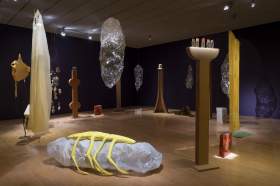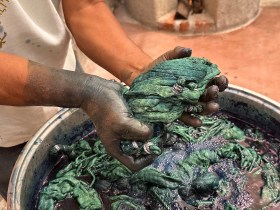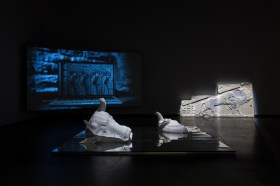
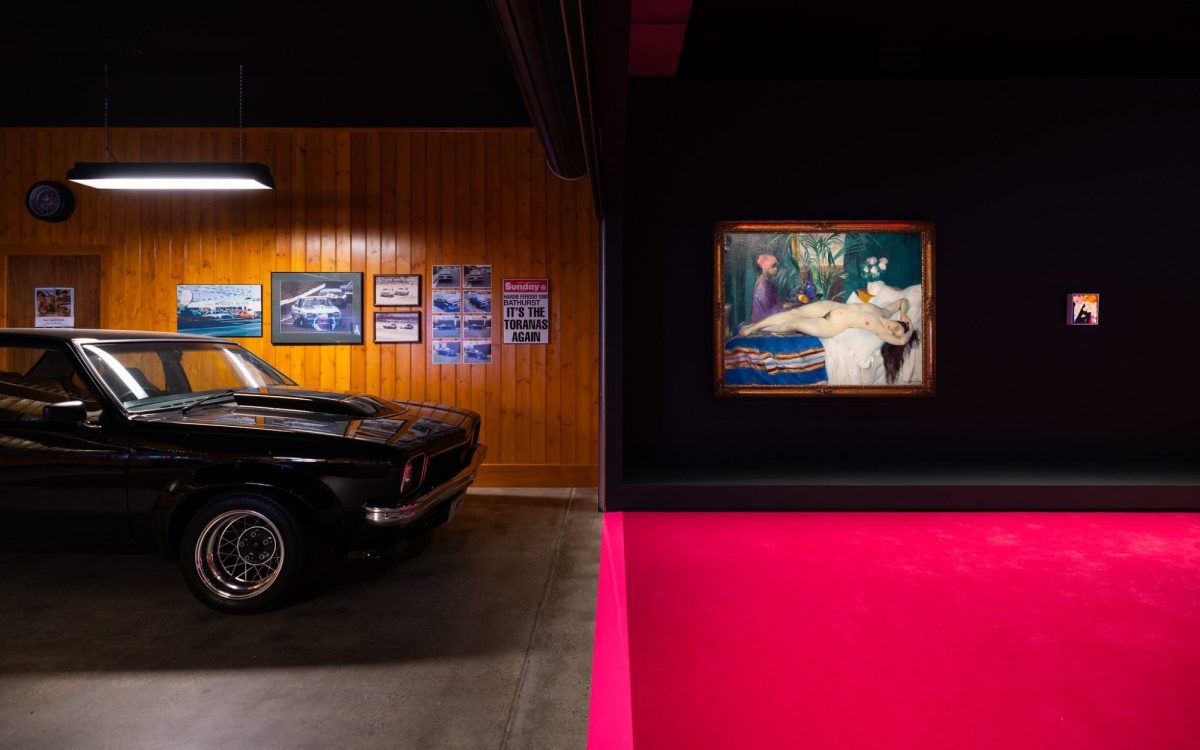
At the media preview (16 June) of Namedropping – the biggest exhibition project Mona (Museum of Old and New Art) has had since 2016 – five curators lined up to give an overview of the show, sans Mona’s actual owner. David Walsh himself, whose involvement was constantly cited, was nowhere to be seen. Already the amount of human resources and sheer value of items in Namedropping was evident, something not many public museums can afford, other than at a private empire like Walsh’s.
A decade or two ago, owning a Picasso would definitely make you an A-grade human subject to admiration; now, people may question your taste as a “collector wannabe”, while slamming Picasso for his (many) character flaws. The art market is more stubborn though, as piles of Picasso ceramics still fetch astronomical prices, selling through a variety of avenues from Sotheby’s to 1stDibs. There is a collection of 10 pieces in Namedropping, arranged in a hot pink display with Wu-Tang Clan’s infamous Once Upon a Time in Shaolin album nearby.