Indoor theatre is back. Despite audiences being inscrutable in masks, I’ve seen two packed shows and begun to believe that theatres are finally recovering after a dreadful year. But the outdoor experiments that have kept theatre’s flame alight during the pandemic shouldn’t be cast aside in the process.
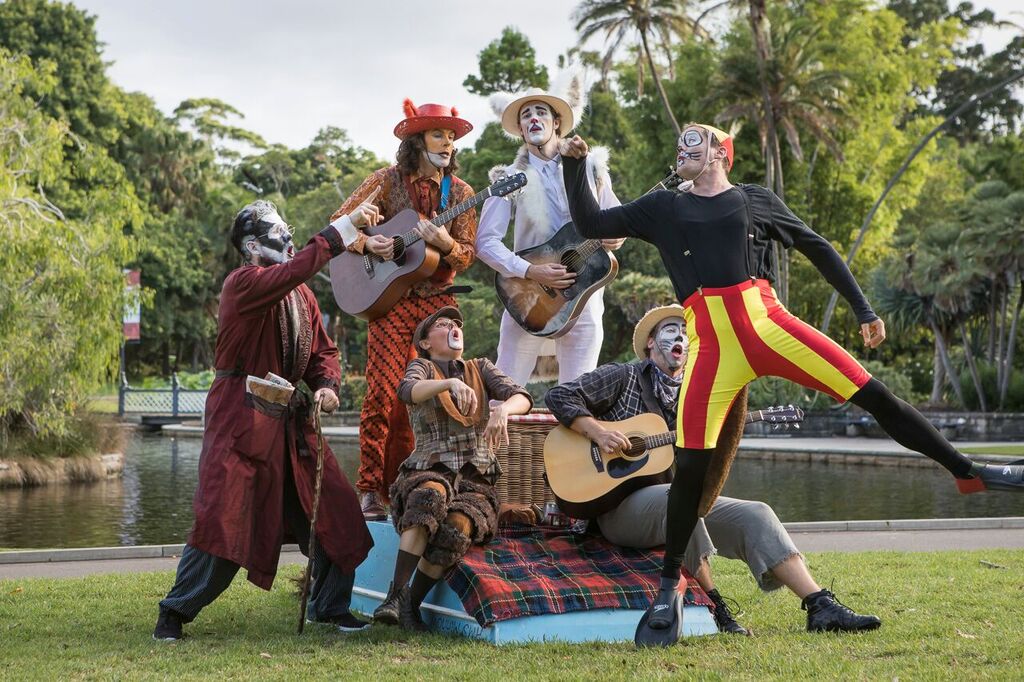
Drama in daylight has to work harder to claim our attention; subtext and subtlety are elusive. Conventions have emerged to deal with this, from masks amplifying Greek performers to the heightened rhetorical language that drives Renaissance plays. Physicality, coarse humour and stock characters informed the work of the popular commedia dell arte troupes, who originated from northern Italy in the 16th century and performed around Europe. In the director Peter Brook’s 1968 classic book The Empty Space, the outside is the domain of “rough theatre”, of clowning and defiant horseplay with heckling audiences.