Paul Keating was Prime Minister in 1995, the year John Howard regained leadership of the opposition. Adelaide hosted its final Grand Prix before the race moved to Melbourne, Qantas was privatised and Babe debuted on the big screen, raking in over $30 million at the Australian box office alone, just behind Crocodile Dundee in the all-time stakes.
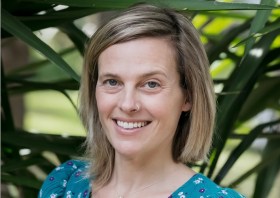
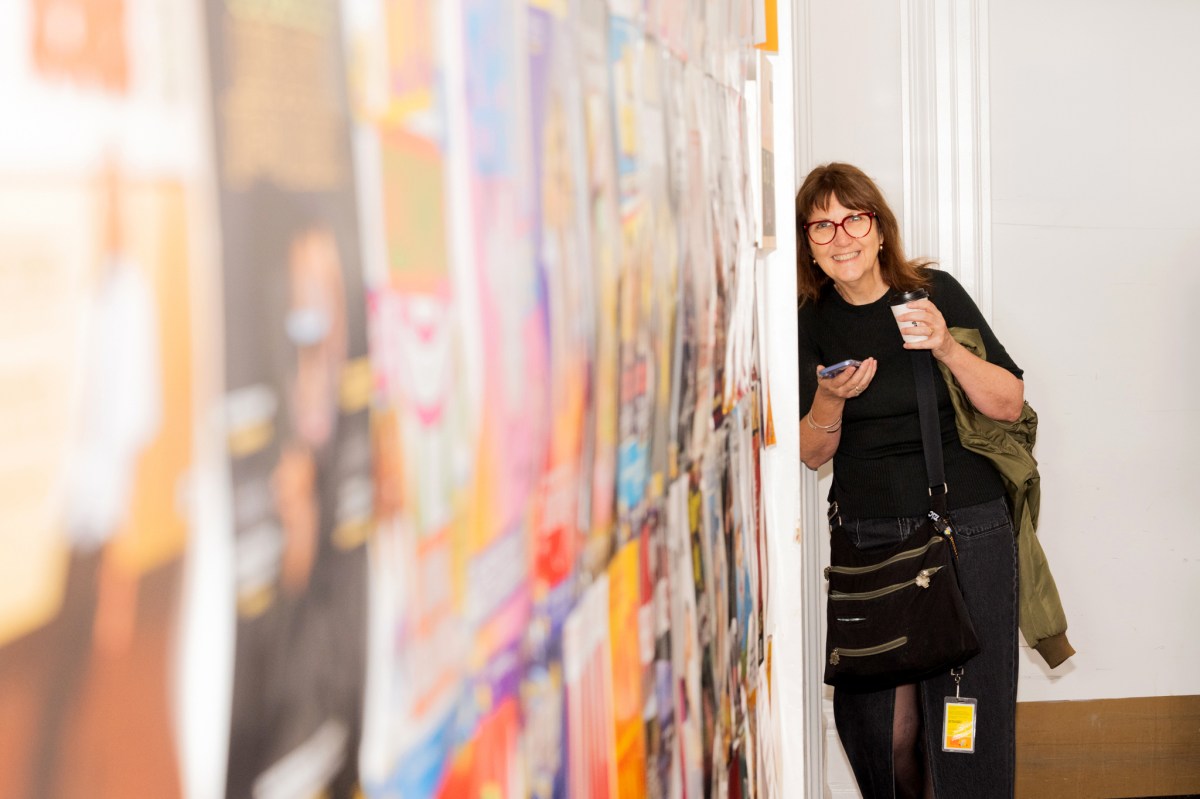
A momentous year, it’s also when the illustrious Susan Provan took on the mantle of leading the Melbourne International Comedy Festival (MICF). A role from which she will step down this year, after a three-decade stint, when a successor is announced.
‘I don’t think I would have imagined I’d stay for that long,’ she says. ‘I just kept on going. And I guess I’ve been really, really lucky, because I’ve loved it. And the nature of the job is extremely different, now, to one that I took on in 1995. It’s almost like every five years, I’ve gone into another role, because it’s changed so much.’
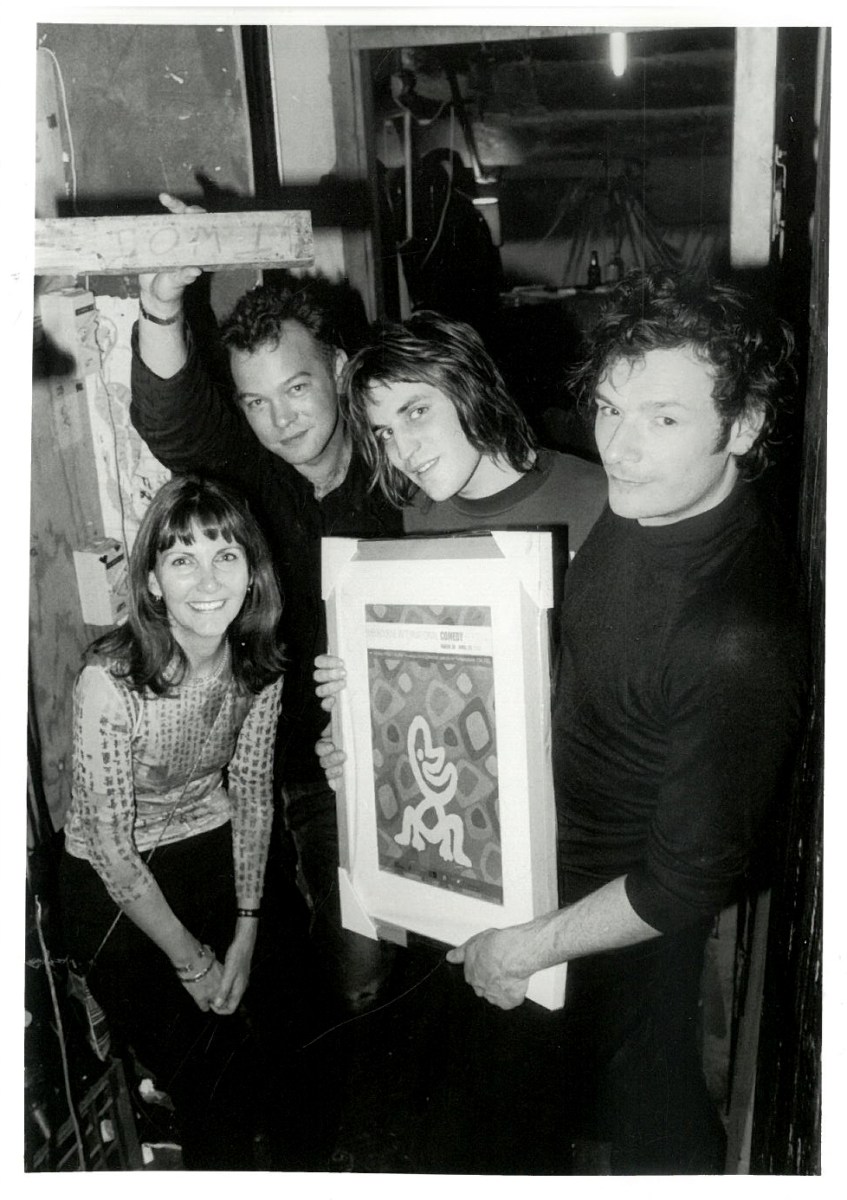
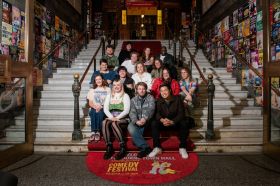
When Provan started, coming to MICF after stints at Circus Oz and the Last Laugh Theatre, she and her full-time colleagues could be counted on one hand. While it’s still a tight core team to run such an enormous beast, which just turned 40, she now has roughly three times as many staff, year-round.
‘I’ve been blessed to work with a remarkable team, past and present, like our marketing director, Denise Damianos, Rebecca Austin, Gideon James and Claire Hammond, who all came and stayed for a long time, because they loved it as much as I do and are very passionate.’
ArtsHub: Spare a thought for improv comedians at this year’s MICF
Of course, the team burgeons to include a small army of contractors by festival time. ‘In the late 90s, early noughties, I used to run around with envelopes of cash on payday for all the casual staff,’ Provan recalls.
Provan: growing MICF
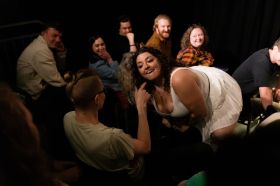
The inaugural MICF in 1987 saw 56 shows spread across 33 venues. When Provan came on board in 1995, the show count had more than doubled to 118. This year, 806 shows took over 200 performance spaces, with over 2000 comedians supplying the chuckles.
ArtsHub: Can Australian comedy festivals be a safe haven for American comics?
Provan always had big ambitions. ‘One of the things that I knew I wanted to do was to build a hub,’ Provan says. ‘I’d been going to the Edinburgh Fringe a lot prior to joining the Comedy Festival, and I used to spend a lot of time at the Assembly Rooms, and I thought it would be good if we had our own version.’
She brought on board the then-newly renovated Melbourne Town Hall, which remains the hub of MICF all these years later, seemingly still finding new nooks and crannies to host comedians, plus adding a laneway bar on the bustling Swanston Street façade this year, near the trusty box office that’s more of an information post, these days.
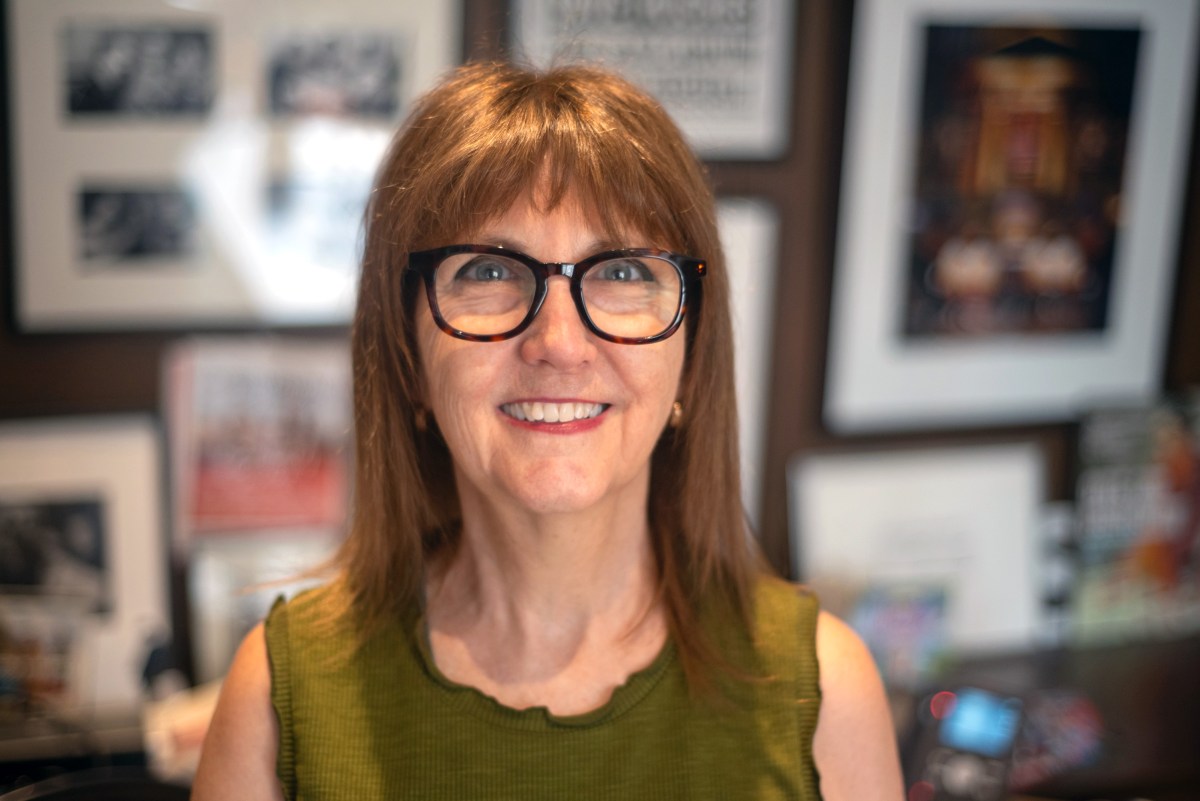
‘It’s funny, when I started out, we didn’t really have the internet, or social media, certainly not online ticketing,’ Provan laughs. ‘The box office used to be in the Collins Street foyer, and there were huge queues out around the corner of people buying their tickets.’
It’s fair to say, online ticketing caught on. ‘As soon as we introduced it, the curve was this incredible vertical thing that happened within a year, once people became confident. It just swept up, it was amazing.’
Provan: boosting the participation of women
On a similar curve, Provan also worked decisively to boost the participation of women, overcoming what occasionally felt a bit like a boys’ club. This year, women claimed more than half the top spots in the festival’s galas.
‘That was something that I really wanted to change, and worked hard at,’ Provan says. ‘It meant actively supporting women and making sure that there were comfortable spaces for them to perform in and be surrounded by. We didn’t make a big fuss about it. I still don’t think that would happen in the UK or the US.’
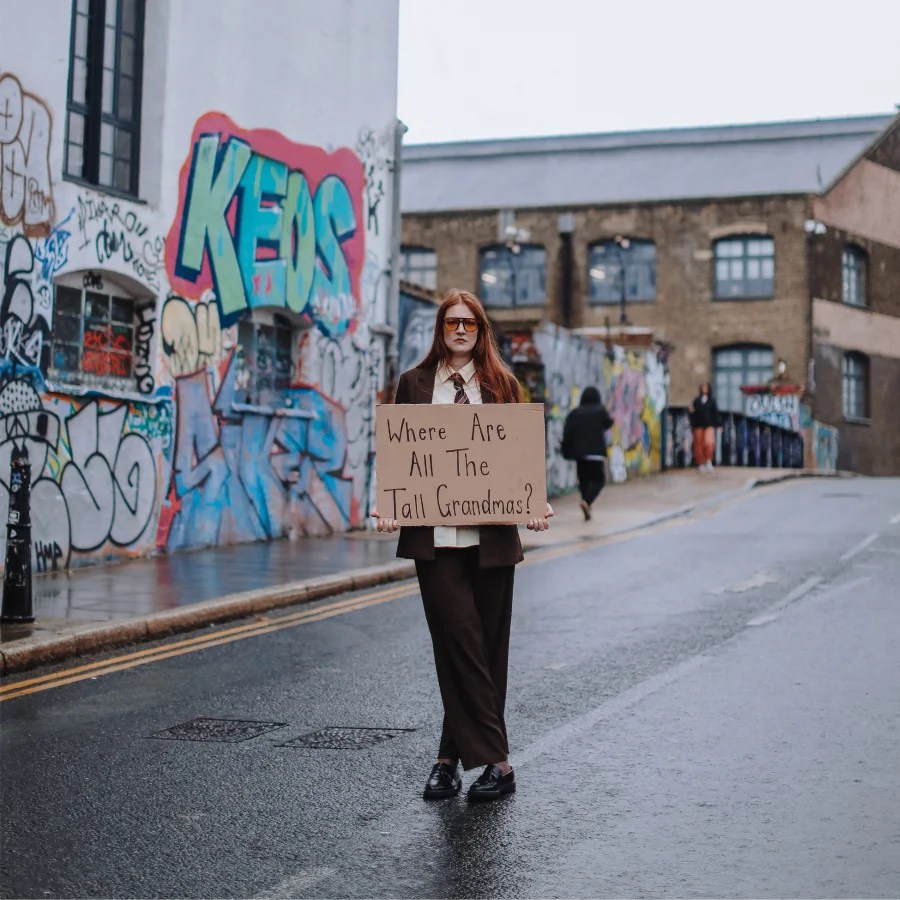
ArtsHub: Lou Wall at MICF – Where Are All the Tall Grandmas?
That support was baked into Provan. ‘Circus Oz was always very positive about representing women as strong members of the company, doing extraordinary things,’ she says. ‘And when I was at the Last Laugh, there were people like Linda Gibson [honoured by the naming of the Golden Gibbo award] and Jean Kittson coming up. I counted a lot of those people as friends, so it seemed like a no-brainer.’
The inclusion of and excelling First Nations comedians has also soared during Provan’s tenure, specifically championed by the national Deadly Funny competition that has helped propel folks including Steph Tisdell, Elaine Crombie, Dane Simpson and Jay Wymarra in its 20-year history.
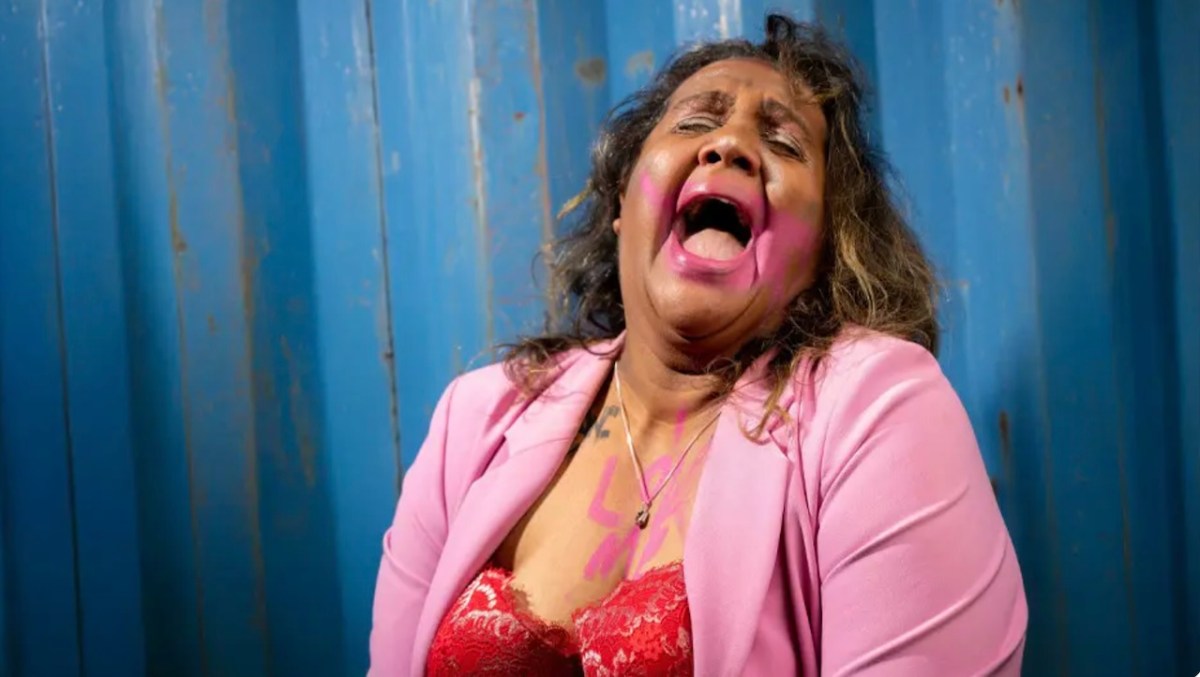
ArtsHub: Steph Tisdell and Elaine Crombie talk turning pain into punchlines at MICF
‘Back when I started, Ernie Dingo was probably the only First Nations comedian that most people were familiar with back then,’ Provan recalls. ‘Now there are so many household names it’s amazing. All those incredible performers, working all over Australia, like Andy Saunders on the telly as one of the key cast members of in Urzila Carlson’s new sketch show.’
Provan: seeding the future
A core part of Provan’s MICF mission has always been to seed the future of funny business, via institutions like national open-mic competition RAW comedy and schools-based development program, Class Clowns.
‘I just got a beautiful email from Aaron Chen, who’s busy becoming a superstar in the United States at the moment,’ Provan reveals. ‘He was in Class Clowns, and I still remember his first solo show at the Comedy Festival, and he’d kept his big fake check for winning Class Clowns, propped up on an easel outside his tiny space at the Victoria Hotel.’
Class Clowns has helped kickstart the careers of big-name comedians like Josh Thomas, Tom Ballard and Rhys Nicholson, with RAW launching the likes of Hannah Gadsby, Celia Pacquola, Anne Edmonds, Matt Okine and The Devil Wears Prada 2 pop-up Ronny Chieng.
‘I’ve loved watching the growth of the Asian scene at the Comedy Festival,’ Provan says. ‘It’s been great, being able to take Australian performers to India, Malaysia and Singapore and bring back the people we’ve found there. So there’s a significant cultural exchange going on, and friendships made between artists from Southeast Asia and Australia, swapping great work opportunities.’
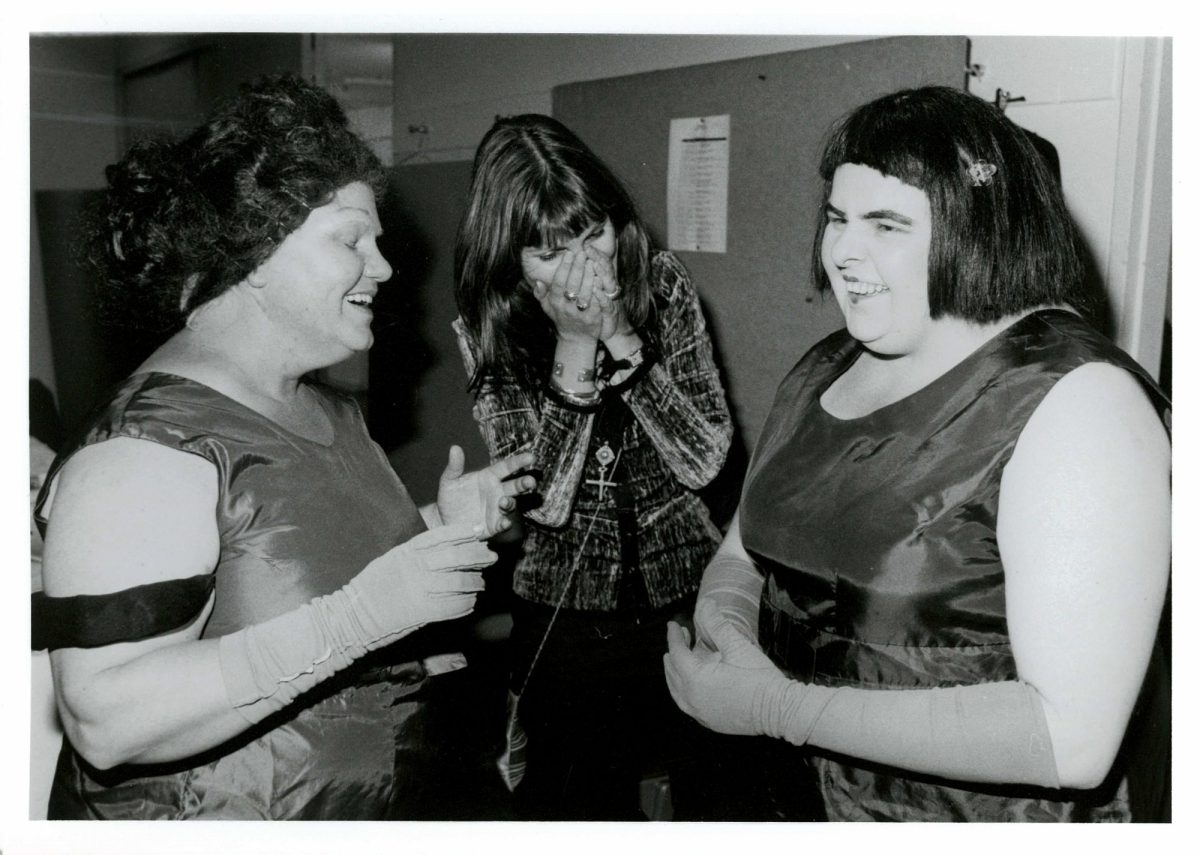
The Comedy Festival Roadshow, another stalwart of the program birthed during Provan’s time, takes a galaxy of stars emerging and established across the nation, post-festival. All up, the footprint is huge, making MICF the largest dedicated comedy showcase in the world.
‘Both the Comedy Festival and the Australian Open have a tangible effect on Melbourne’s city streets,’ Provan says. ‘Our ticket prices are accessible, so a really broad range of the community can come. You see that the bars, cafes and restaurants are full. People are on the streets. There’s a buzz, and that’s very gratifying.’
As are the voices you hear each year. ‘It’s so illuminating, the perspectives you come across from comedians,’ Provan says. ‘I love being surprised, thinking about something from a completely different point of view.’
Her advice to whoever steps into her shoes?
‘You cannot please everybody, so and don’t freak out about that,’ Provan says. ‘Just enjoy, enjoy the work. Get out and see shows, because that makes sure you never forget why you’re there.’
Provan will continue to be there, even after she steps down. ‘One of my great joys is standing up the back of a venue, listening to the crowd laugh,’ she says. ‘I haven’t had a proper holiday in forever. But I’ll still be out and about at Comedy Republic and the like. I just love this art form. It’s my community, my life.’