For more than 20 years, the Basil Sellers Art Prize has been quietly proving that a successful art prize can be measured by more than just the winning work.
Established in 2004 through the generosity of philanthropist and collector Basil Sellers AO, the Prize has grown into one of Australia’s most significant acquisitive art awards. But over the years, an important evolution happened behind the scenes that is manifest in a new artist-first ethos and a structure grounded in care, accessibility and generosity.
Basil Sellers Art Prize: turning point
The turning point came after the 2022 Prize, when a local artist asked a direct question: what is the point of an art prize, and is a national prize really relevant to the local community?
Rather than dismissing the question, the team listened. They challenged themselves to answer a fundamental question: if artists are the reason this exists, how can we redesign the whole art prize experience around them?
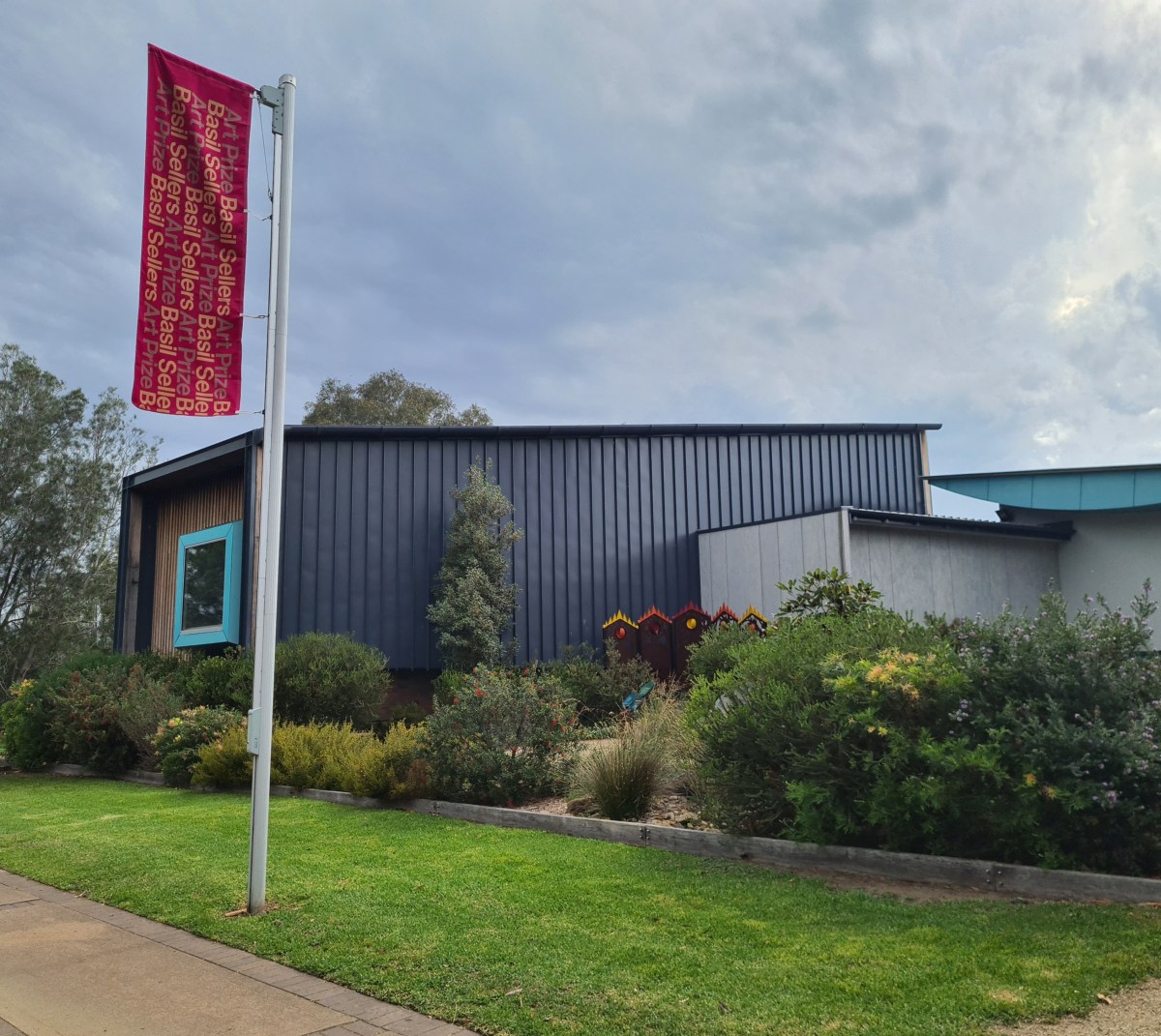
Answering that question took two years of research into the art prize landscape and a thorough reconsideration of the artist experience. What emerged was a clear guiding principle: if artists are paying to participate, every aspect of the process should respect their time, effort and investment.
‘We’ve now applied an artist-first lens across all of our services,’ says Indira Carmichael, Manager of Creative Arts Services at Eurobodalla Shire Council that manages the Basil Sellers Exhibition Centre and Art Prize. ‘We’re constantly asking: how do we make this easier and more collaborative; how do we solve problems better; and how do we treat people with kindness?’
When the Prize was redesigned for 2024, the organisers streamlined the administrative aspects for artists, making it easier to enter. Artists no longer have to supply detailed artist statements and the usual requirement for an artist CV has been removed from the application process. ‘If a prize is open, it should genuinely be open; a CV shouldn’t be part of that equation,’ says Carmichael.
‘Great art can come from anyone and anywhere. It is not dependent on a definition of professionalism that has failed to keep pace with the reality of most artists’ lives. This Prize doesn’t ask who you are in the eyes of the market – it asks what you have to say through your artwork.’
Basil Sellers Art Prize: ‘art is made to be seen’
The Prize has also taken a clear position on exclusivity clauses, rejecting the increasingly common requirement that artworks must never have been exhibited before. The only requirement is that submitted works have been created within the previous 12 months.
‘Art is made to be seen,’ says Carmichael. ‘We would never stand in the way of an artist showing their work.’
The artist-first philosophy extends beyond the application form. Courier fees for finalists are covered by the Prize, removing a substantial financial barrier for artists, especially those living some distance from Moruya. A framing subsidy has also been introduced this year to further reduce participation costs and help to ensure that all entrants can access a professional standard of presentation.
As all artists know, rejection letters are a fact of life if you enter art prizes. These became a key focus for the Prize team. They acknowledged that there is an inherent vulnerability in putting your work out there. This one change has been incredibly valuable to artists who have even thanked the Gallery for their considerate rejection letters.
One artist, David McColl, wrote: ‘The rejection email sent to me was probably the most personal and beautifully written I have ever received.’
For the team, those messages became an important measure of success.
The Prize’s commitment to artists extends beyond its entrants. The entry fees are all reinvested into creative arts programming across the Shire, helping to build creative literacy and support future generations of artists.
What makes the Basil Sellers Art Prize remarkable is this very ethos of putting the artists at the centre of the experience. The result is a national art prize that has become a leader in the space, not because it asks more of artists, but because it asks less of the artists and gives more of itself. The Basil Sellers Art Prize is living proof that a regional gallery really can make a difference.
The 2026 Basil Sellers Art Prize is open to artists across Australia in painting, drawing, and printmaking. The major acquisitive award was doubled in 2024 to $50,000, significantly strengthening the Prize’s impact and providing an extraordinary opportunity for artists. There is also a $5,000 Eurobodalla Award for an outstanding local work.
Entries for the 2026 Basil Sellers Art Prize are open now and close on 11 September 2026 with the finalists to be announced on 16 October 2026. Find out more.
—————————