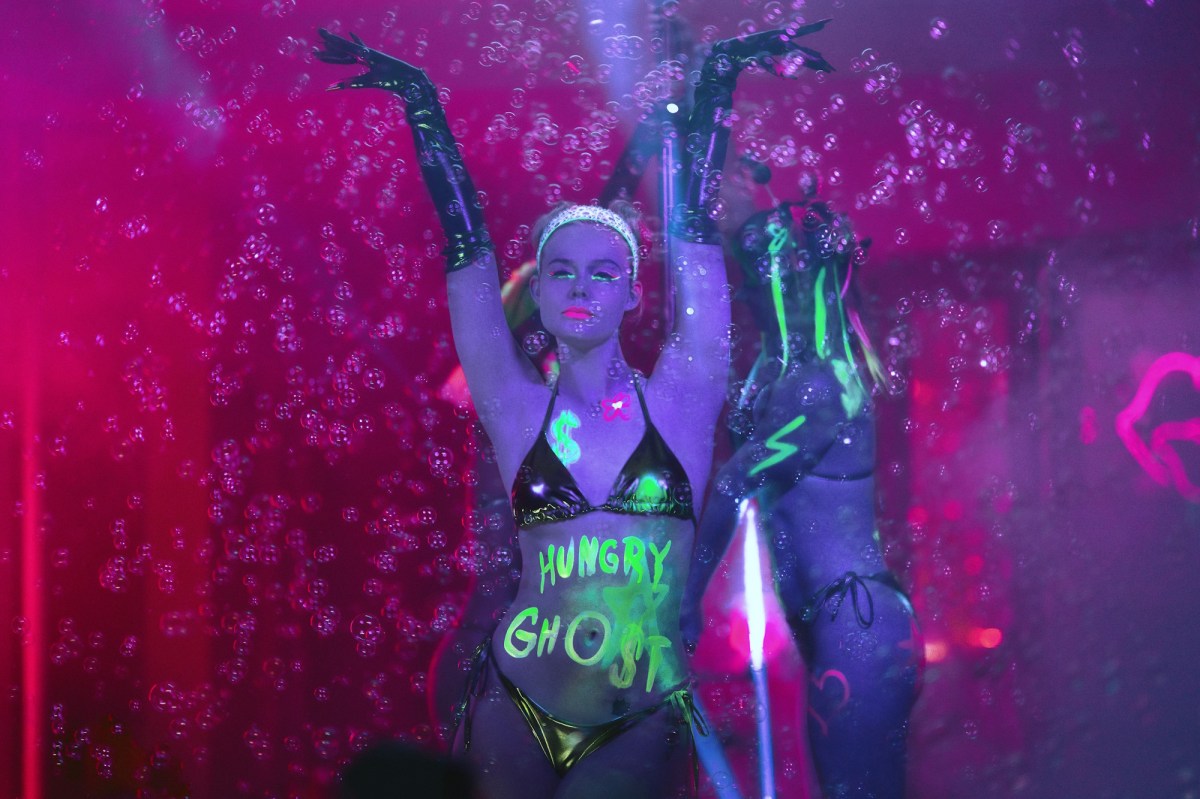
Society has come a long way on sex work since the apocryphal labelling of Mary Magdalene and the shame unfairly attached to a gig as old as civilisation by a deeply hypocritical patriarchy. That overdue normalisation is championed by David E Kelly’s cracking Apple TV show Margo’s Got Money Troubles.
Based on the brilliantly sassy and snort-laugh-inducing novel by Rufi Thorpe, the remarkable Elle Fanning plays the titular character. Margo is trying to make a go of her life at college, though her family isn’t cashed-up enough to follow her dream to NYU.
When the 17-year-old’s affair with her power-imbalance abusing professor – Michael Angarano’s (t)weedy and frankly pretty douchey Mark, a married man – leads to an unexpected pregnancy, her B-plan is sideswiped.
Not long after baby Bodhi arrives, Margo’s boss at a dinner-and-a-show joint drops her, and two flatmates move out with minimal notice, so she turns to OnlyFans for funds.
Sex work on screen – quick links
Sex work is show business
While creators use the subscription model plus pay-per-view video streaming site for a variety of reasons, it’s particularly popular with sex workers, including those who wouldn’t otherwise have considered the gig.
Which includes the fictional Margo, who has a baby to feed, as well as herself, plus suddenly a lot more rent to cover, all with no savings or parental safety net.
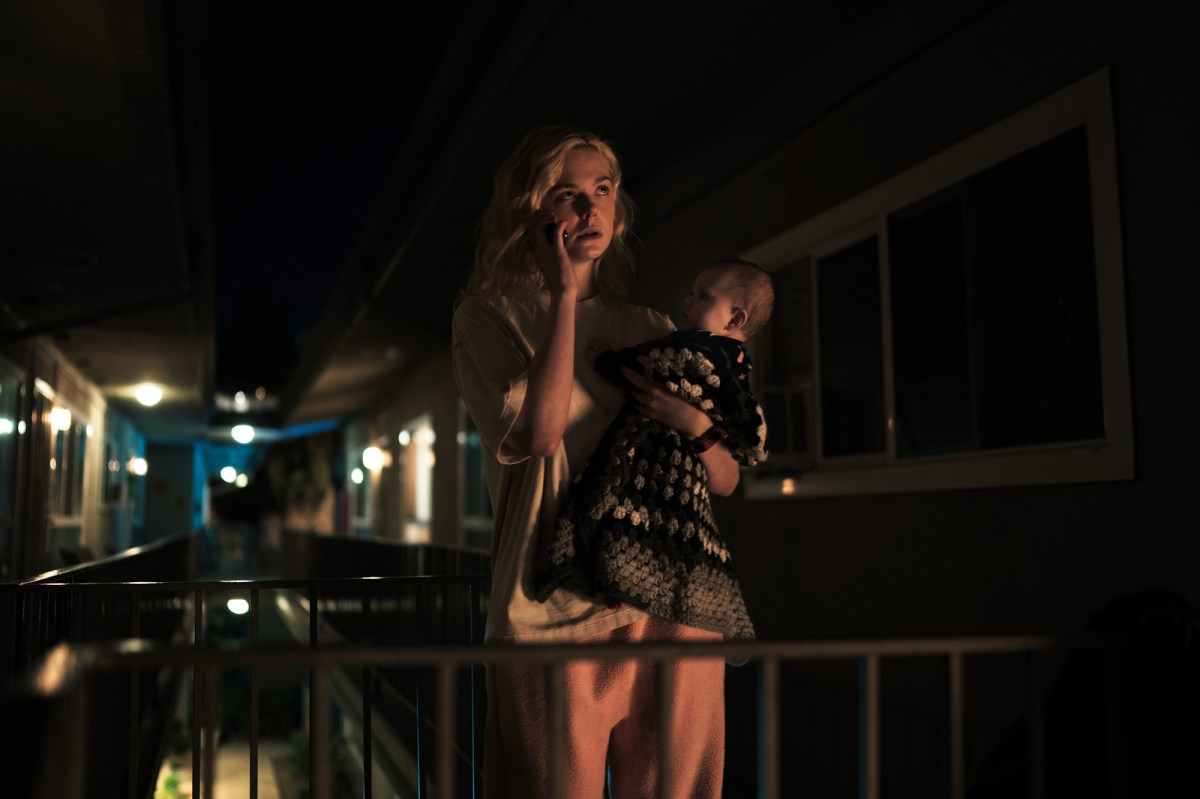
Fanning is spectacular in the central role. An astonishingly versatile actor, she delivered both Joachim Trier’s Best International Oscar-winner Sentimental Value and Dan Trachtenberg’s popcorn-chomping blast Predator: Badlands last year.
Michelle Pfeiffer, an Oscar nominee like Fanning, is also incredible as Margo’s strung-out mum, Shyanne, stealing every scene she’s in. Primetime Emmy-winner Nick Offerman plays Margo’s suddenly back-in-the-picture dad Jinx, a former wrestler battling injury-induced addiction.
While Shyanne’s appalled, worried what her religious boyfriend might think, Jinx gets over his initial concerns way quicker, grasping that sex work is just another kind of showbusiness.
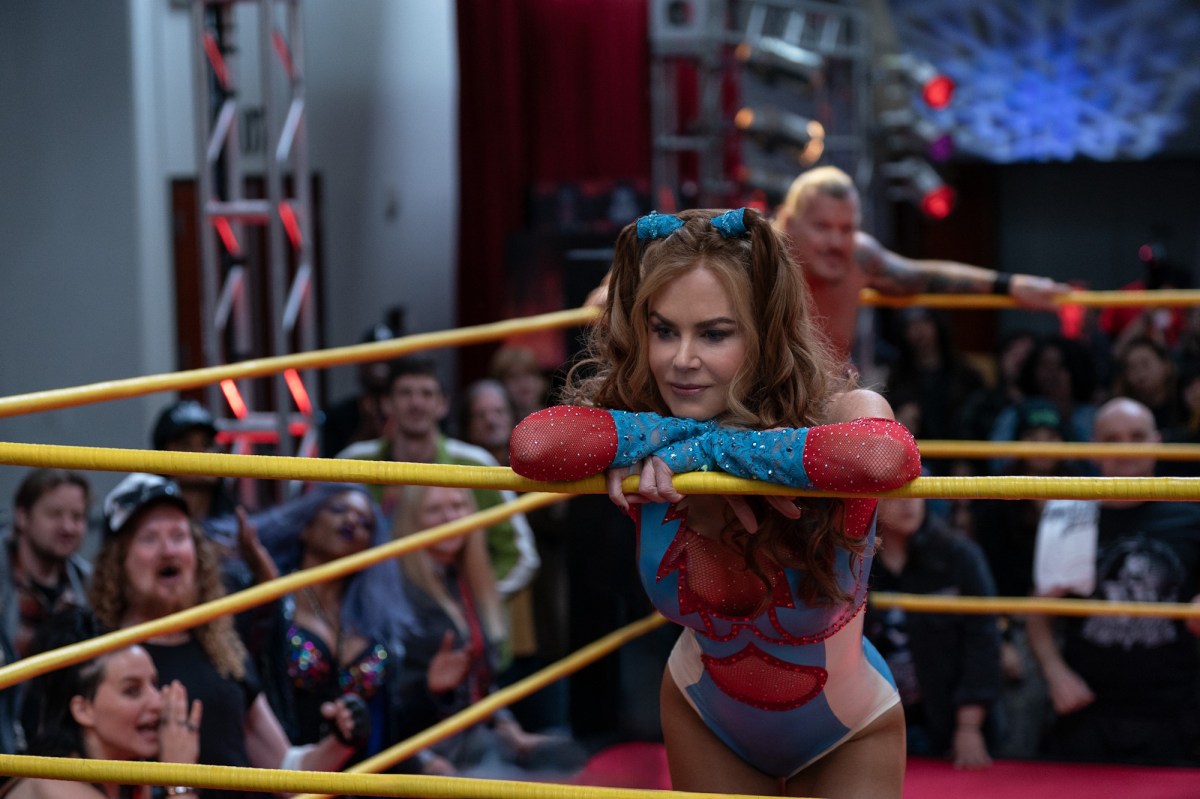
Australian megastar Nicole Kidman (who produces alongside Fanning, her sister Dakota, author Rufi Thorpe and others) also has a juicy cameo. With an Oscar on her mantlepiece for her in The Hours, Kidman lending her not inconsiderable support and Hollywood star power, alongside a bevy of A-listers, to a sex work-positive show entirely directed and mostly written by women, sends a powerful signal.
They’re leading the long-overdue normalisation of the industry.
Changed days
The oldest profession is going nowhere. I should know: I’m a former sex worker and proud, and I’ll always support my colleagues.
Yes, there should be better legal, structural and emotional support for workers who deserve better protection from unethical, violent or underpaying producers and consumers. But those trying to shutter the business are on a road to nowhere.
It also goes without saying that no-one should be telling anyone else what they can or cannot consensually do with their own body. That shit is wild.
The respect sex workers deserve requires considerable societal change – shifting the shame and blame game, and destigmatising pleasure, whether it’s just business or personal.
Things are changing, not just on the OnlyFans front.
When it comes to consumption, there once was a time when purchasing porn meant sneaking into an out-of-the-way newsagent, standing on tippy toes to grab a top-shelf mag with a privacy cover, which was then stashed in a brown paper bag at the counter while enduring a withering glare.
Even in sex-positive cinemas or sex shops dealing in VHS, folks could still be made to feel that red-hot shame as they checked over their shoulders before crossing the threshold.
While the popularisation of the internet has made porn easier to access discretely, that hasn’t necessarily addressed the underlying stigma. Then there are the risks of underage folks seeing stuff too soon before they are ready. Of course, it also had a considerable knock-on effect for the industry and pay rates for its workers.
Until, that is, they could cut out the middle (often) men, taking control of their own revenue stream while minimising the risk of harm on platforms like OnlyFans. Though, sheesh, the comments and unsolicited pics can be vile, as is the risk of doxxing by so-called moral crusaders, both of which can cause untold psychological harm.
Sex workers deserve a safe and respectful working environment just as much as anyone else.
Time for their close-up
Even as the sex work industry has evolved for participants on either side of the deal, screen culture has been slow to keep up.
Until fairly recently, the merest hint of a connection to sex work could derail an actor’s career. Scratch the surface, and things haven’t changed all that much.
These days, you can, as Fanning so magnificently does, play a sympathetic sex worker. One that isn’t branded as either a tragic victim of circumstance, often murdered, or a villainous home-wrecker. Just look at Mikey Madison winning the Best Actress Oscar for her character’s no-nonsense grasp of her agency in Sean Baker’s Anora.
But the pipeline from actual sex work to film and TV gigs can still be pretty clogged, with slurs too readily lobbed.
Several porn stars have broken through, including Blade and Cry-Baby actor Traci Lords, along with Sasha Grey, in Entourage and The Girlfriend Experience, and Stormy Daniels, who appeared in Party Down, plus the knowingly-named movie Bad President. Prolific actor, writer and director Ron Jeremy pops up in Ghostbusters as well as porn.
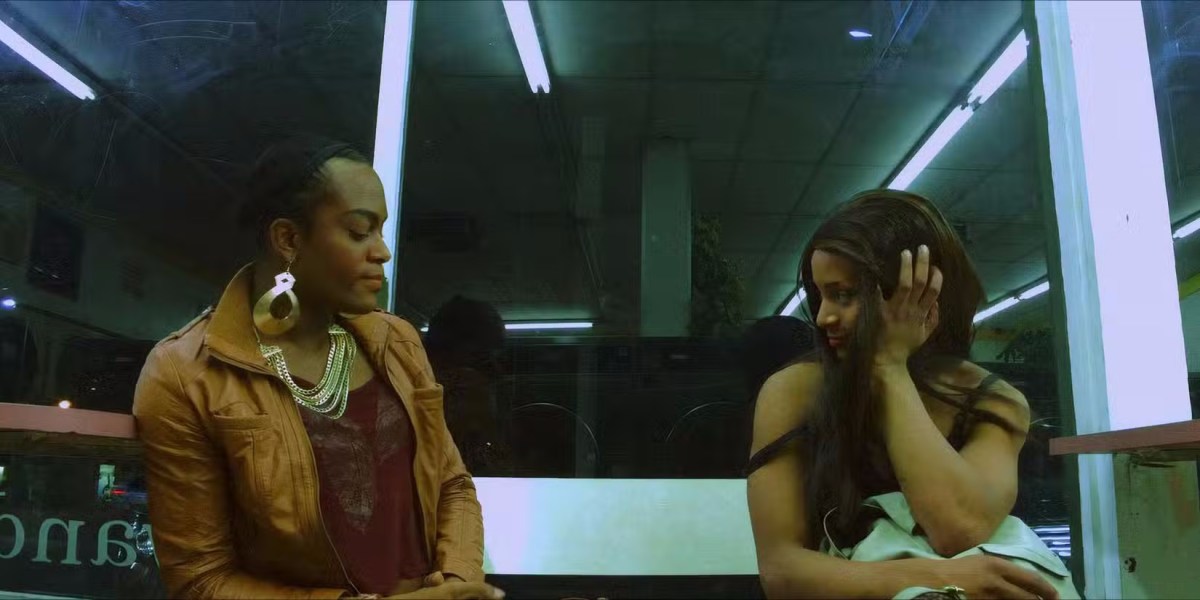
Sean Baker cast trans sex workers Kitana Kiki Rodriguez and Mya Taylor in his iPhone-shot, Sundance and Spirit Award-nominated cult classic Tangerine. Multiple A-listers have previously performed as strippers, including Lady Gaga and Channing Tatum.
Hopefully the day will soon come where someone’s opportunities are no longer hampered by a stint in sex work, either past or concurrent. For now, it’s fantastic to see Fanning and co deliver a nuanced look at a deliberately misunderstood industry.