The singing budgie. No real talent. Can’t sing, dance or act. Too raunchy. Madonna copycat (all while Madonna copped the same shit).
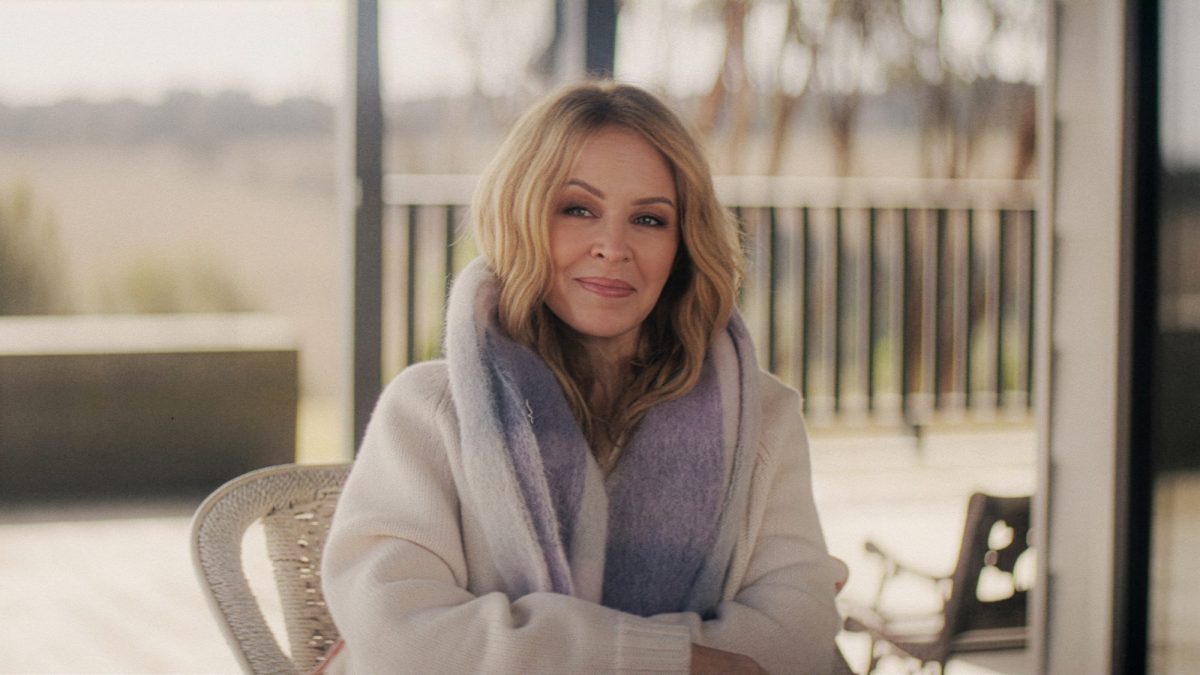
Arguably Melbourne’s brightest star, Kylie Minogue, the subject of Michael Harte’s excellent three-part Netflix documentary series that goes by her mononym – a recognition shared with Madonna – has faced a barrage of abuse across her career.
Nevertheless, Kylie persisted.
80 million record sales
Numbers aren’t everything, sure, but Kylie remains Australia’s biggest-selling solo artist, with more than 80 million record sales worldwide. She’s claimed a clutch of Grammys, Brit Awards and ARIAs since her first number one hit single, 1988’s I Should Be So Lucky.
On TV, Kylie graduated from The Henderson Kids to a Neighbours run so consequential that the late Princes Diana once rang the BBC to ask for two episodes she’d missed. Playing Charlene scored her a trio of Logies, with Kylie’s movies ranging from popcorn blockbusters, including Street Fighter, to arthouse fare like Leo Carax’s Holy Motors.
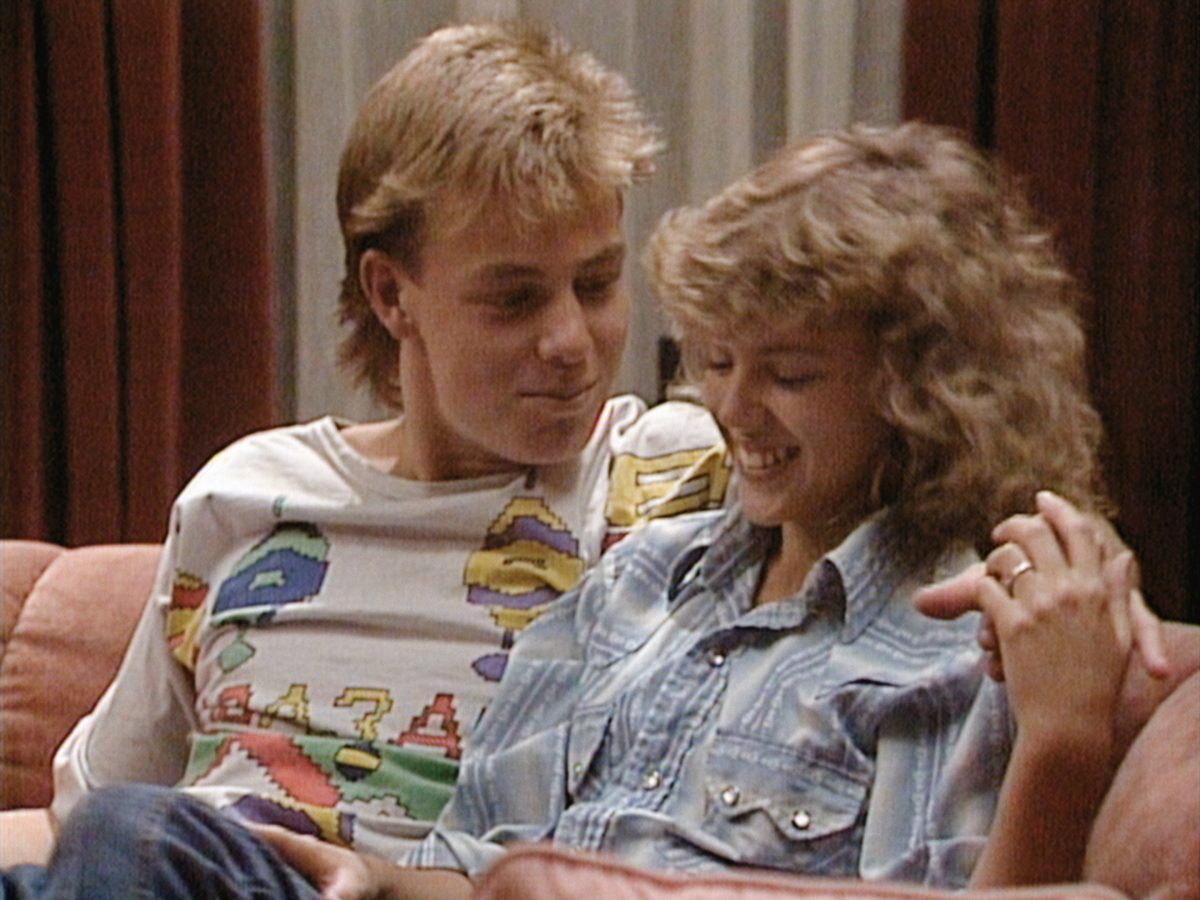
Now, folks have wildly varying tastes. It doesn’t make you misogynistic not to dig what Kylie’s putting out there. Far from it. But it’s hard not to watch the torrent of sexism spat at her in a wealth of archival footage and not be alarmed by a demeaning pattern.
Perhaps the most egregious clip comes when Derryn Hinch, who would go on to become a senator, interviews Kylie in her twenties. It’s 1989, when she was taking more control of her sound and image, gradually pushing away from hit factory Stock Aitken Waterman while stepping into the club scene dressed in Galliano.
Hinch: ‘To hear that Kylie Minogue is too sexy, is it like hearing that Mary Poppins has turned into a hooker?’
Perhaps more shocking still, Stan Grant of all people invasively asks Kylie if she’s had a boob job.
A different era, you may cry. But when has it ever been appropriate for an older man to speak to a younger woman like that? Just because rancid sexism was commonplace didn’t make it ok then, or any less repugnant for the distance now.
The look on Kylie’s sister and fellow multi-hyphenate Dannii’s face, rewatching these old clips, says it all. ‘Boring, repetitive, stupid,’ she offers. It’s hard not to hear it as an understatement.
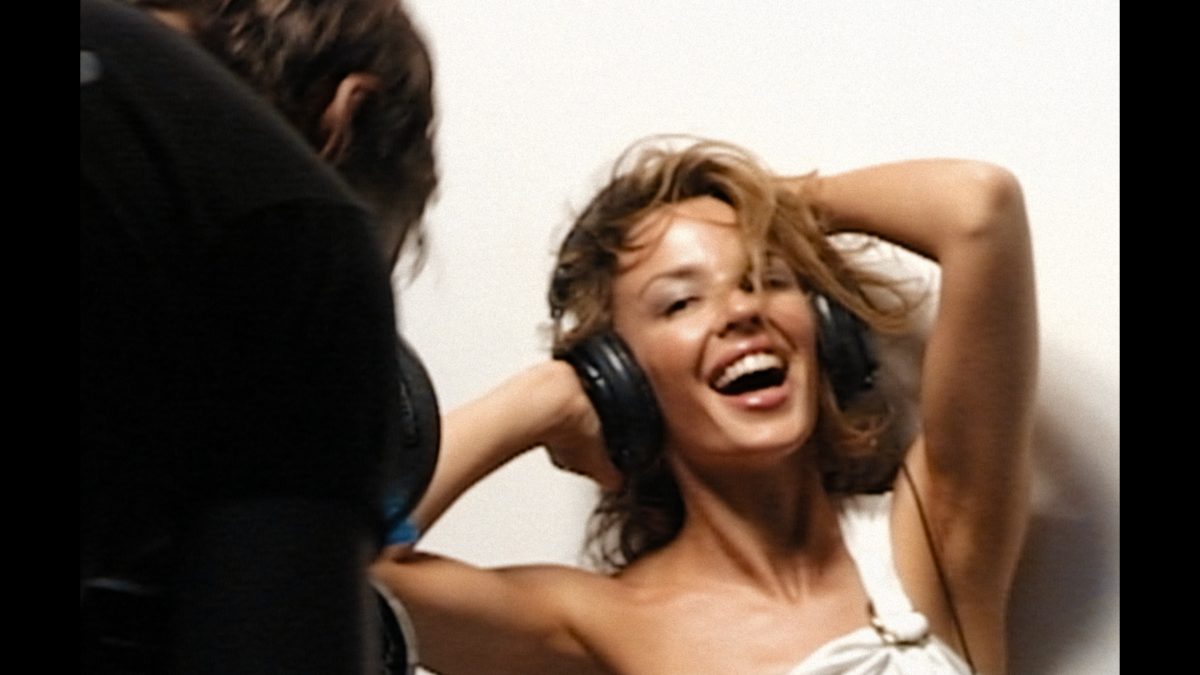
If it hurts us hearing it, you have to assume it wounded them. Danni adds: ‘If you sign up to be a pop artist, you’re meant to be mentally bulletproof … just shut up and be pretty.’ Worse still, fighting back only exacerbated the insults: ‘The minute you start defending yourself, they’ve won.’
In candid contemporary interviews, Kylie reveals just how hard it was, as an emerging star riddled with insecurities, to cop this crap.
She still does. Even in her own documentary! While they may be close, fellow Australian singer, composer and actor Nick Cave exudes an off-putting air of paternalistic smugness as he recalls their duet on 1995’s murder ballad Where the Wild Roses Grow.
In a new interview that’s far less welcome than Kylie’s cameo in Jane Pollard and Iain Forsyth’s Cave-led hybrid doco, 20,000 Days on Earth, he can’t help himself from insidiously describing her audience as ‘monstrous’ teenage girls who were: ‘So evil I couldn’t help but throw my arms around Kylie’.
Vomitous stuff, it’s hard not to agree when a newsreader suggests: ‘If Kylie is the Australian dream, then Nick Cave is the Australian nightmare.’
A generous series
As a fan who has wandered over the years only to come back to Kylie’s side, I was deeply moved by Harte’s rigorously researched and emotionally generous thee-part series.
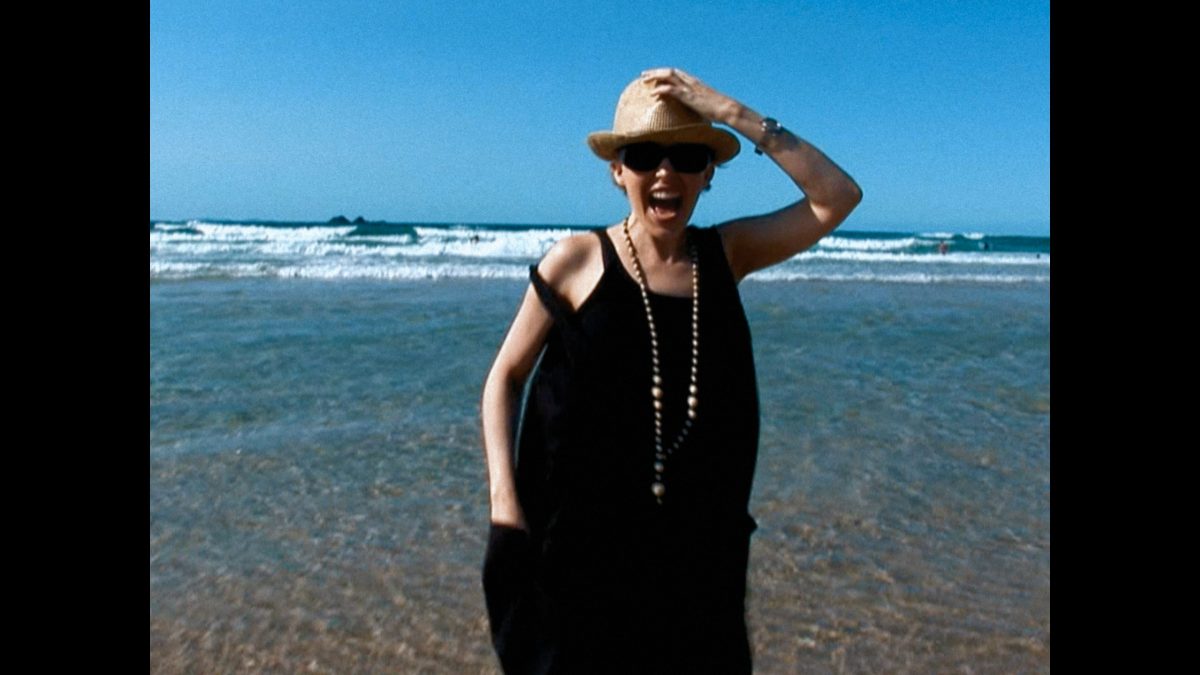
Folks will latch onto a startling, headline revelation at the end of the final episode, understandably, but perhaps the most moving moment for me is when Kylie, rifling through old boxes, reads the words she wrote to the child she wasn’t lucky enough to have, it broke me. She insists that energy persists, shining out of the darkness that followed her terrifying cancer diagnosis at 36, in full glare of an intrusive media (again).
Unguarded
Kylie feels unguarded in a truly rewarding fashion, spanning the depths of her painfully enduring love for lost INXS frontman, Michael Hutchence, achingly explored in Australian director Richard Lowenstein’s documentary, Mystify, to embracing the joyous spirit of songs like I Believe in You and All the Lovers. This in an uplifting career even the studiously moody Cave credits as a vital force for good in the world.
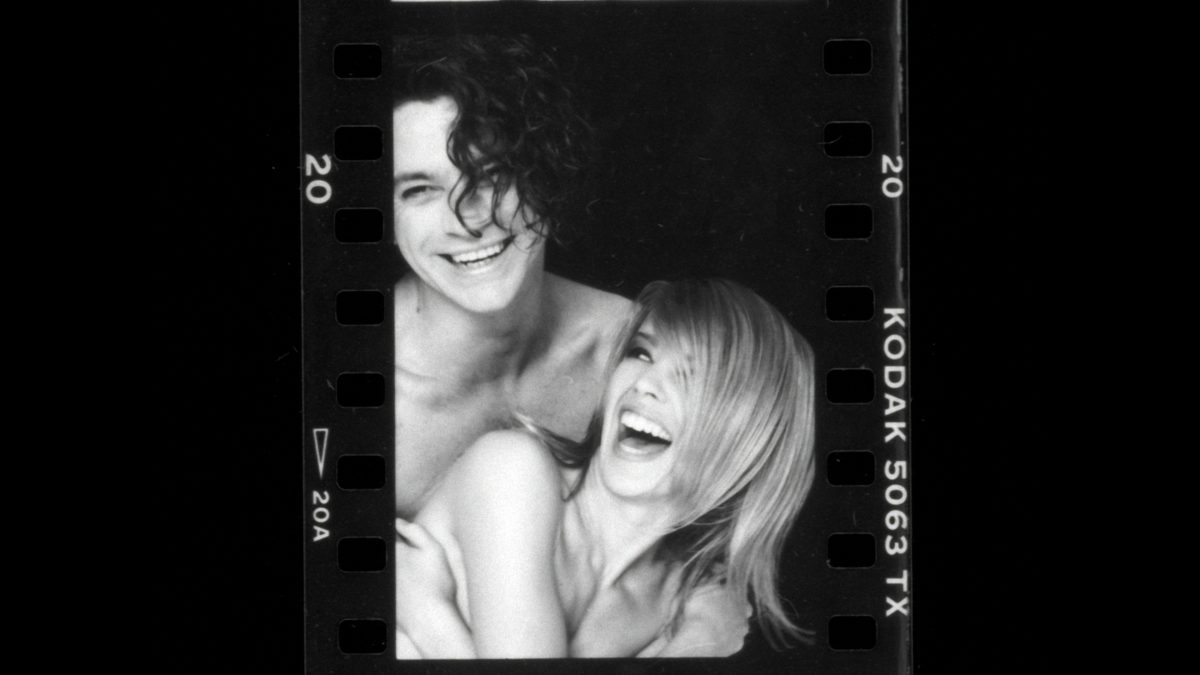
Kylie has been a (admittedly parasocial) companion through so many of my personal ups and downs. So when she says that the hatred she has inexplicably faced makes her feel most attuned to her LGBTQIA+ audience, to their determination to celebrate pride in spite of persecution, what could read as cheesy marketing actually lands like a hug for a sore soul carrying intergenerational trauma.
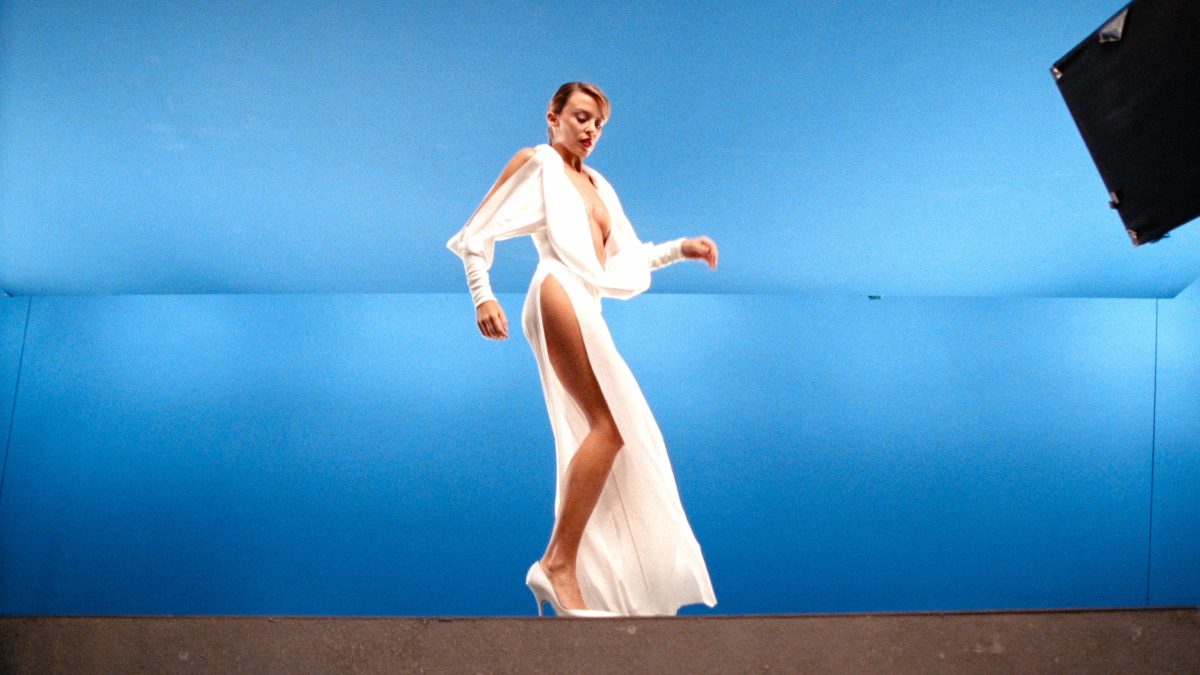
I believe Kylie when she says she would ‘go to war’ for us. A rainbow crowd she, like Madonna, has stood arm-in-arm with since the ‘80s, when a record producer took her to a London drag night and she joined the ‘supersonic’ versions of herself on stage.
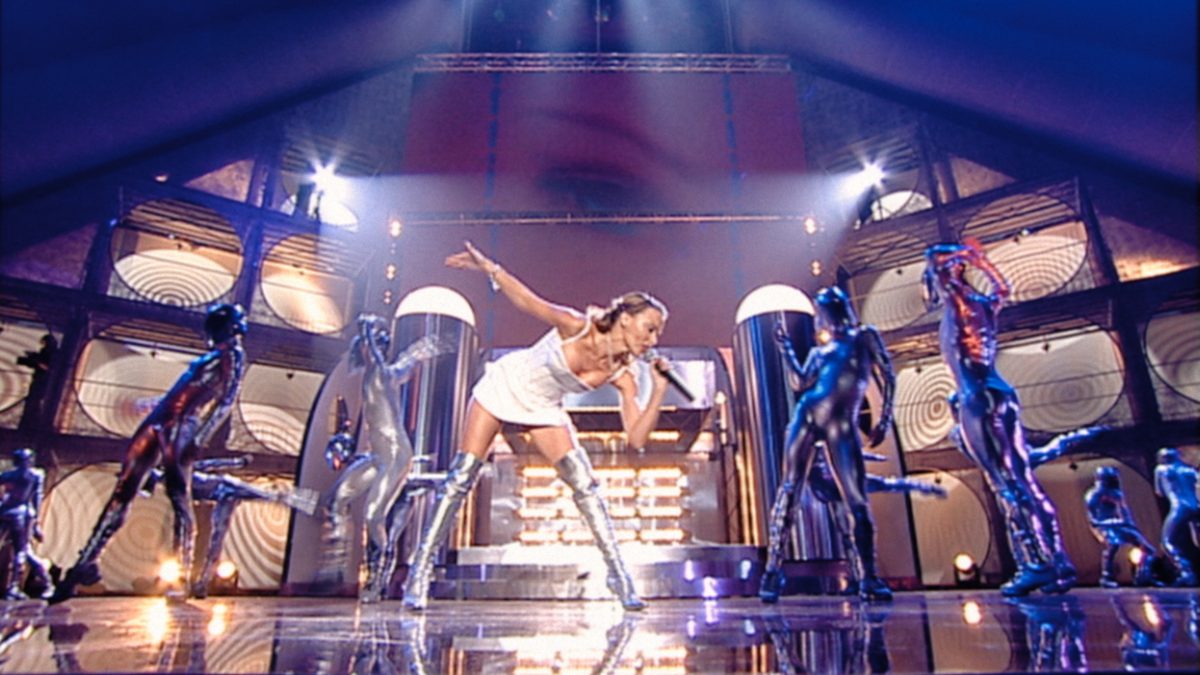
There have been many Kylies, the artist reminds us, including, but not limited to, the four that appear in the video for 1997 hit Did It Again. They are all completely herself. ‘What I’ve come to realise is, I might not be blessed with a voice from the heavens, but I don’t have anyone else’s,’ Kylie says. ‘What I have is my voice.’
We’re still listening.