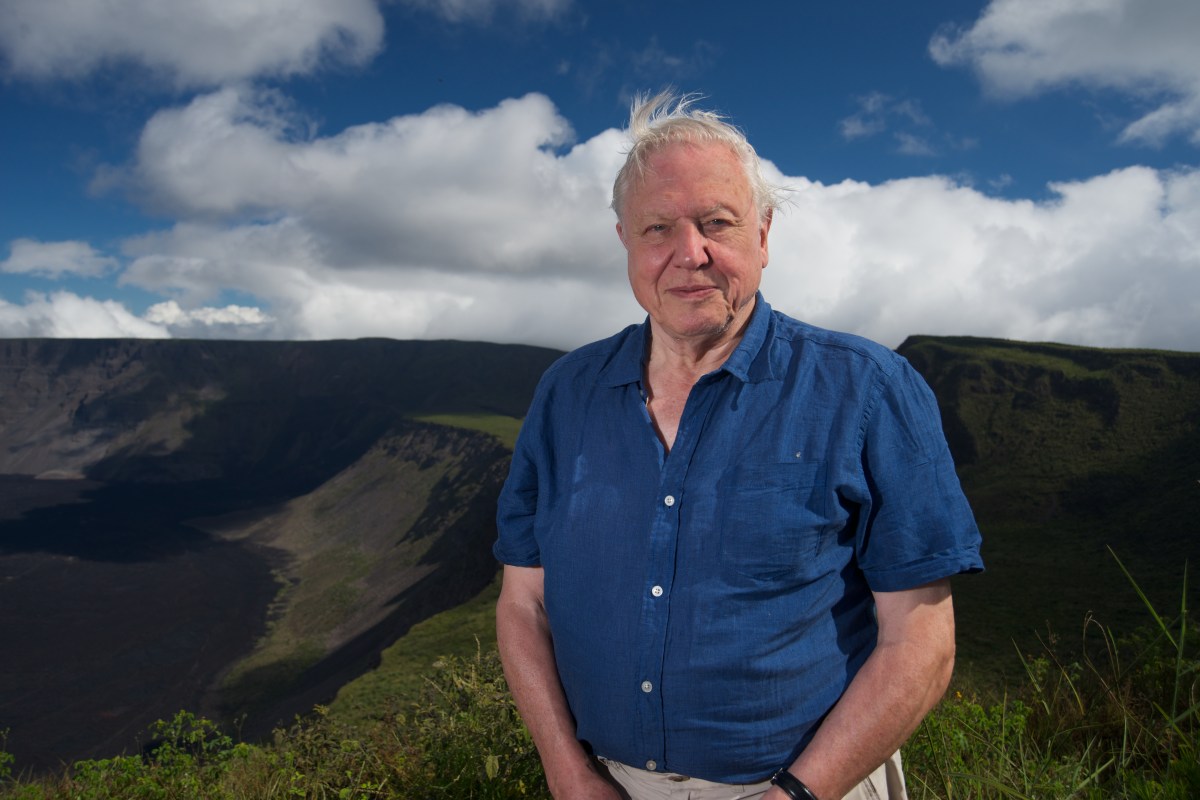
If you ask me whose voice has been the biggest constant in my life, I’d answer in a heartbeat: David Attenborough’s (Sorry Mum!! To be fair, I’m pretty sure she’d agree).
Practically personifying ‘Keep Calm and Carry On’, Attenborough’s preternaturally serene, resilience-bestowing variation on received pronunciation is unambiguously iconic. Unfailingly polite, but never brusque, clipped nor haughty, it rumbles softly, with an intensely friendly, favourite-uncle energy.
His is a unique timbre, the human equivalent of lashings of custard ladled on rhubarb crumble, of cream and jam piled high on plump scones and the soothing silkiness of honeyed tea. Or a bear hug from a gorilla.
Attenborough: birthday boy
Celebrating his 100th birthday on 8 May, Attenborough has delighted me, my wee bro and my mum for all our lives, having first joined the BBC way back in 1952.
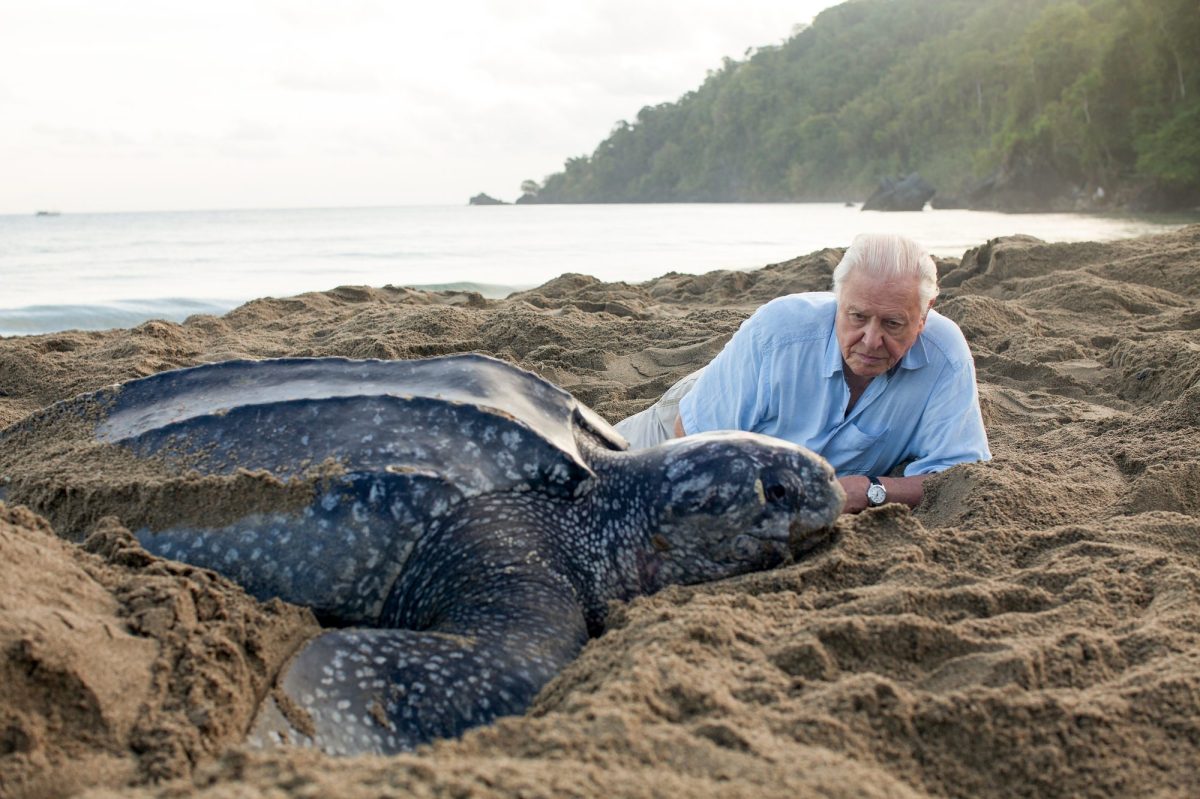
Employed on a temporary contract by Mary Adams, the first woman producer to hold court at the public broadcaster, he was hired as a producer. She initially fretted his teeth ruled him out of on-camera duties, in a misguided variation on ‘a face for radio,’ given how obviously and dashingly handsome he was. But fate, like Mother Nature’s whims, had other ideas.
Journeying to Sierra Leone alongside cameraman Adams Charles Lagus and London Zoo experts Jack Lester and Alfred Woods, the behind-the-scenes Attenborough was suddenly thrust into the limelight. Lester was taken ill, and our man was enlisted as a fill-in presenter for Zoo Quest.
Broadcast just before Christmas in 1954, right when televisions had become commonplace in UK homes, following the coronation, his arrival in the public consciousness was the greatest gift of all.
Attenborough: nearly 75 years on screen
How do you even begin to sum up a career as storied? Attenborough has accrued a bunch of awards across almost 75 years on our screens, though perhaps not as many as you might assume. Never having had the honour of interviewing the man, the myth, the legend, I’m quietly confident that oversight wouldn’t trouble him.
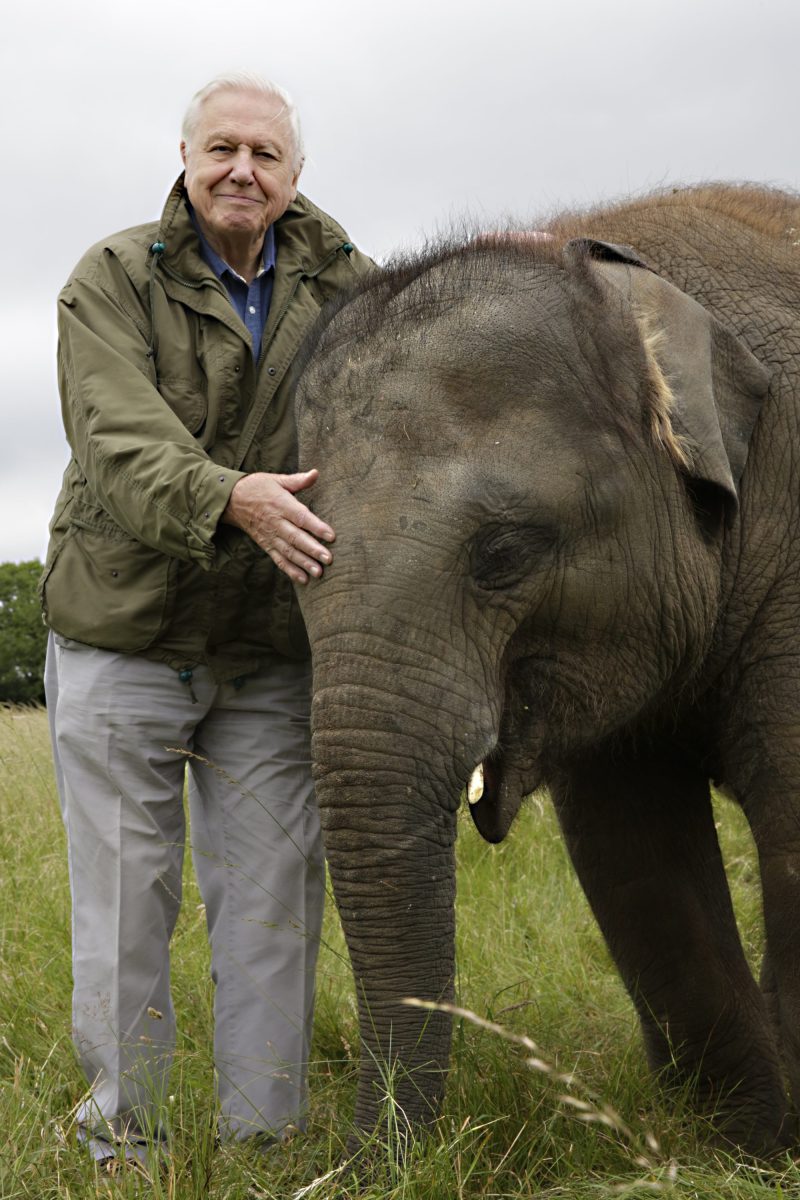
Millions of souls spanning this big Blue Planet look to Attenborough as the voice of reason, compelling us to take better care of our habitats, one another and myriads of marvellous animals. A proud activist, he has never shied away from using his remarkable pull to speak out against the destructive forces of greed and infinite capitalist consumption that chews all of us up and spits us out.
A man immortalised, Attenborough ushered in colour television to Europe in 1965, winning a space race-style tussle with German colleagues, after shouldering the mantle of controller of BBC2.
His guiding hand brought abundant creativity and wonder to our screens, and not just via approachable scientific rigour. Comedy history was made when Attenborough commissioned the madcap mayhem of fourth wall-exploding sketch show Monty Python’s Flying Circus, proving that his sensible-seeming steadiness has never been bereft of cheeky humour.
Lending both his mellifluous narration and, yes, teeth, Attenborough has carried us with him across decades and continents, from the Arctic tundra to verdant valleys and on to the teeming lungs of life-giving rainforests.
In shows like the ground-breaking Life on Earth (1979), The Living Planet (1984), The Blue Planet (2001), Planet Earth (2006), Madagascar (2011), Great Barrier Reef (2015), Life in Colour (20210, Kingdom (2025), and so many more, he’s been our most gracious guide, a constant companion. And one venerated by those who, like Attenborough, closely study fabulous flora and fauna.
They say you can judge a person by the company they keep, and a wealth of animals share his name, from a flightless Indonesian weevil, the Trigonopterus attenboroughii, to the rare Colombian and Brazilian butterfly Euptychia attenboroughi, and plants including the carnivorous Nepenthes attenboroughii dotted around the Philippine Archipelago.
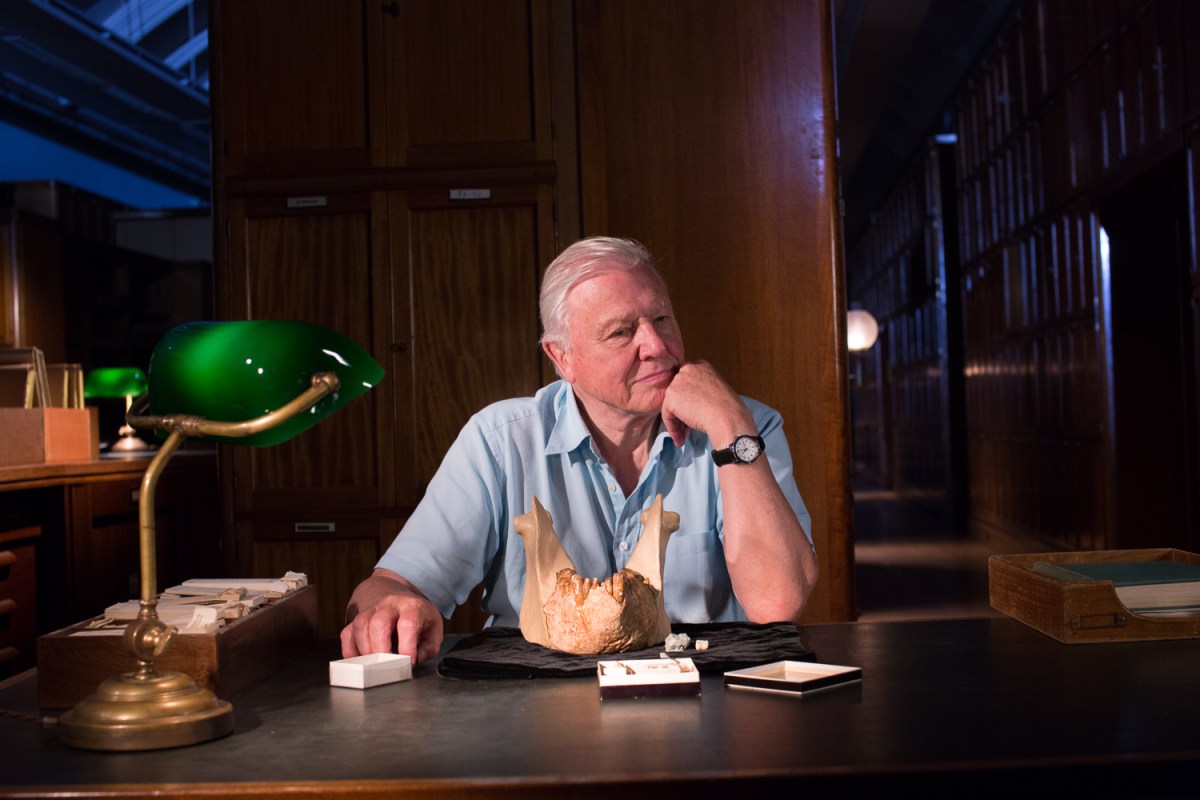
Attenborough’s childhood obsession with fossils and creatures suspended in amber – surely shared with his late brother, Jurassic Park star Richard – has also led to his name gracing extinct species, including the prehistoric armoured fish Materpiscis attenboroughi, discovered in the Kimberley.
Attenborough: still flying high
Attenborough’s name will undoubtedly live on, though long may he remain with us, a spry-seeming centenarian. I cannot and will not imagine the day he is not here.
Every time I hear him on the telly, a spark of child-like glee glimmers inside of me, calming the cacophony of my mind like an animal in standby mode, on being picked up. I’ve lost count of the times I’ve found myself emerging from a reverie, brought back by his voice.
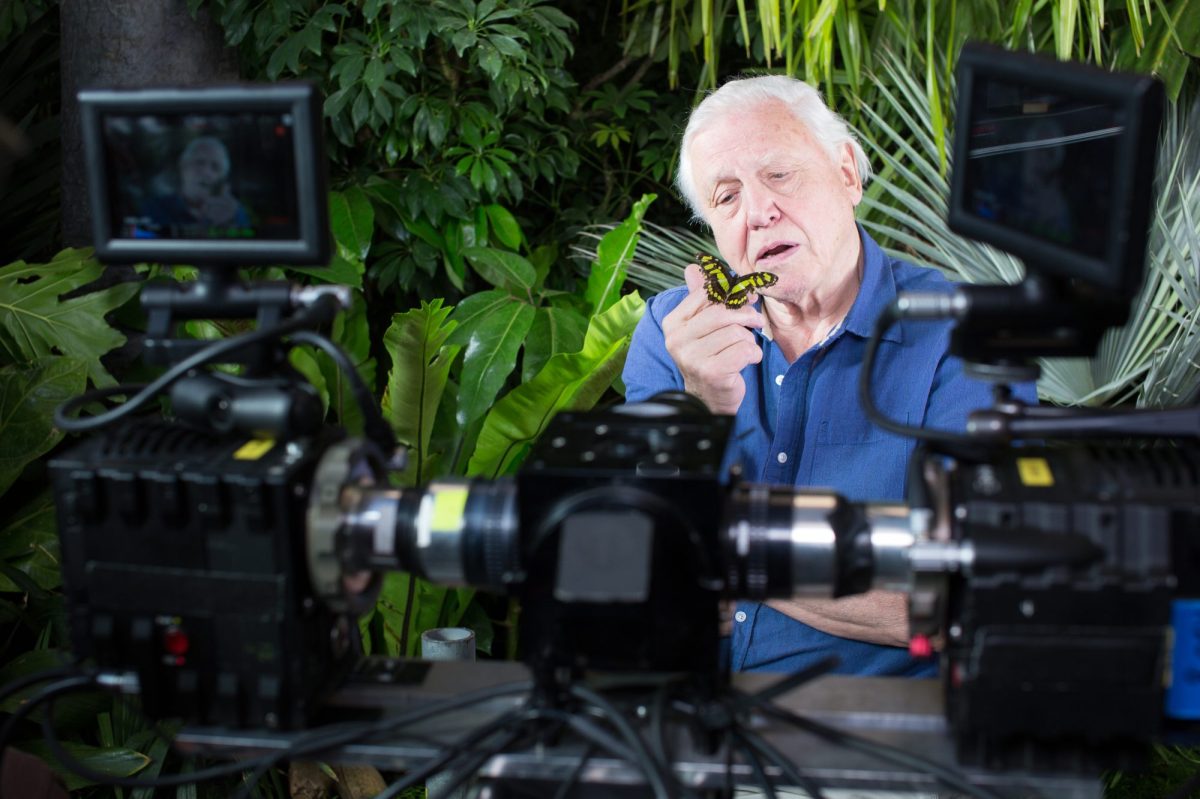
His generosity is still as precious to me now, rapidly approaching 50, as it was when I was an unwitting infant merely observing shapes and colours and lingering on sounds.
All the way at the other end of the globe from where I first heard his dulcet tones, watching him patiently observe the animal kingdom in all its abundant beauty and astonishing brutality, I’m grateful for all he has given me.
As is the Australian Museum, honouring Attenborough with free entry to their exhibition Bloodsuckers: Nature’s Vampires this weekend.
It’s here on a grey old Melbourne day that I think of Attenborough, in 1998 series The Life of Birds, befriending an Australian lyrebird in the Dandenong Ranges National Park. I recall, clear as day, that amazing specimen mimicking the click of the camera’s shutter.
I also remember the niggling horror when that plucky feathered chap (not Attenborough) emitted the ominous caterwaul of a chainsaw. A moment in time and the presenter’s storied career as emblematic of our worst nature as it’s possible to be.
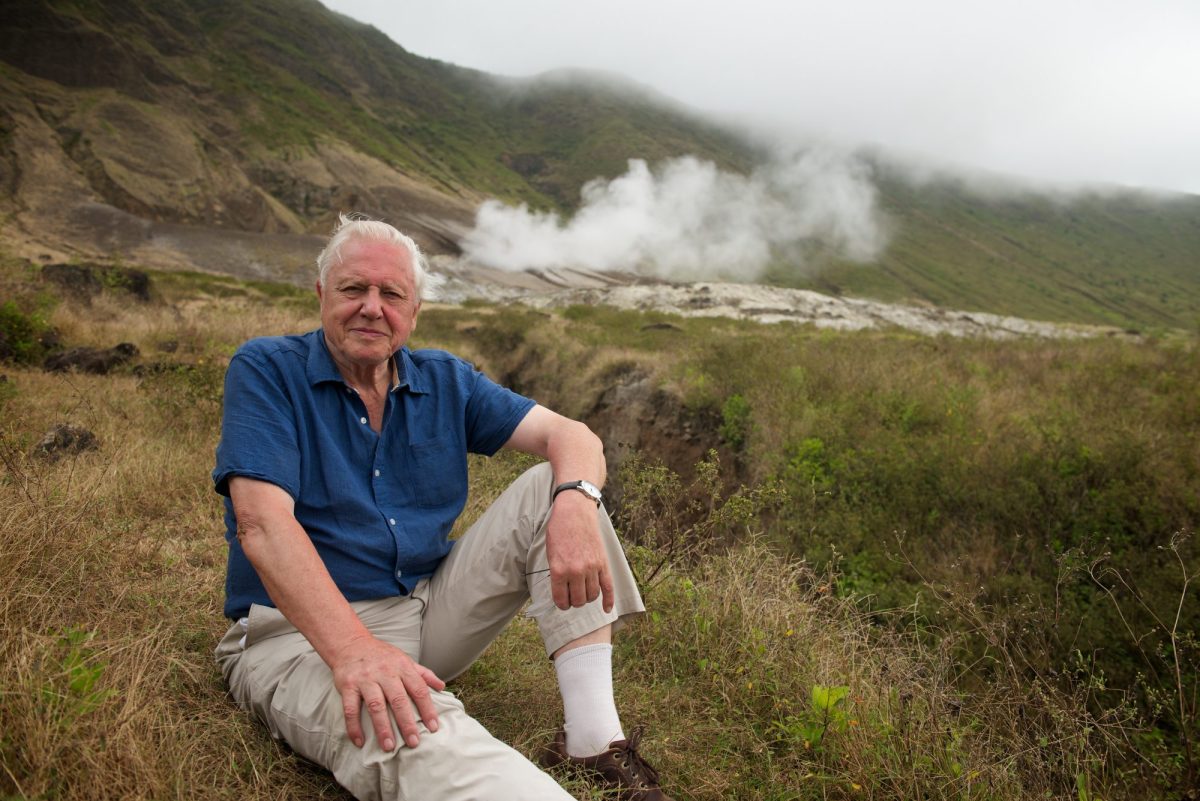
And so, on that note, I’ll leave you with Attenborough’s wise words from that episode, a timely reminder that we are not alone in this wide world, and of the responsibility we bear.
‘Birds were flying from continent to continent long before we were. They reached the coldest place on Earth, Antarctica, long before we did. They can survive in the hottest of deserts. Some can remain on the wing for years at a time.
‘They can girdle the globe. Now, we have taken over the earth and the sea and the sky, but with skill and care and knowledge, we can ensure that there is still a place on Earth for birds, in all their beauty and variety, if we want to. And surely, we should.’