Karla Grant on 23 years of Living Black: ‘It’s up to my generation to step up’

From her early days on community radio, the presenter Karla Grant has always understood the power of amplifying Aboriginal and Torres Strait Islander voices.
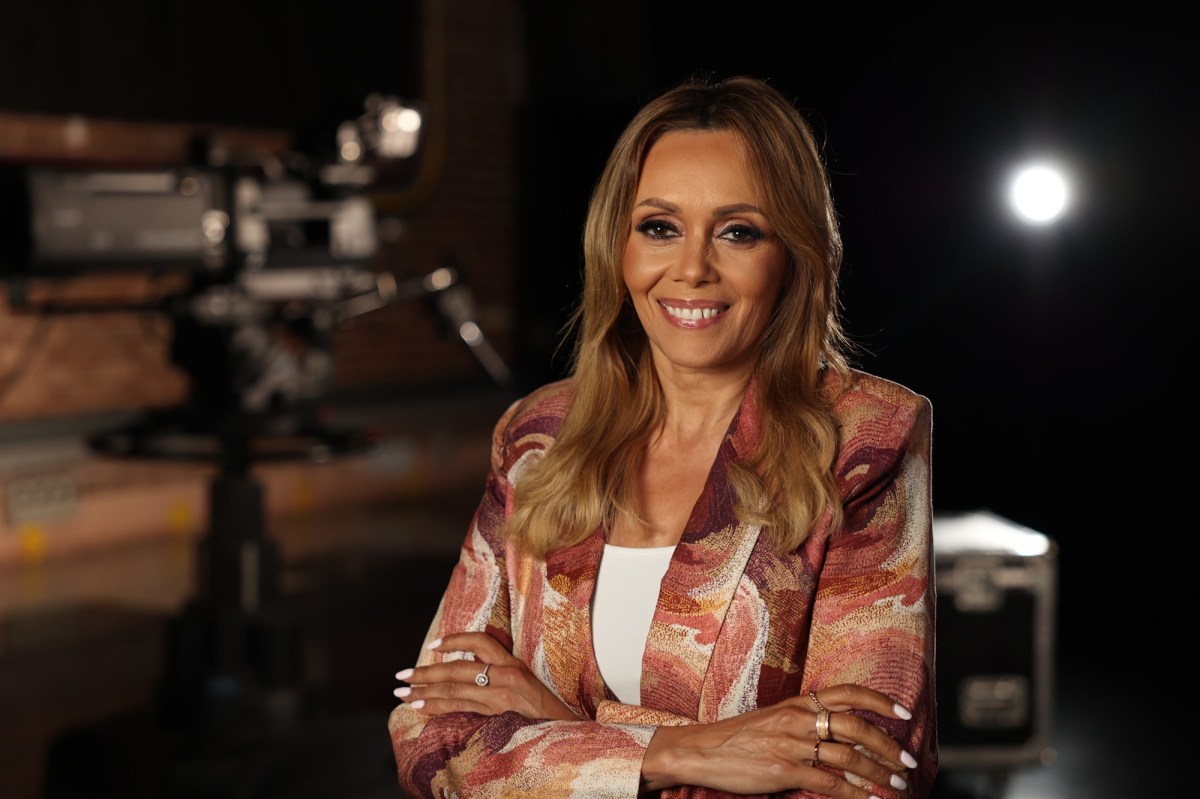
Karla Grant, presenter of Living Black. Photo: Supplied.

When Living Black host, journalist and Western Arrernte producer Karla Grant was growing up, she didn’t see herself reflected on screen.

‘I didn’t see any Aboriginal or Torres Strait Islander faces on the TV, and if I did, it was always in a negative light,’ she recalls. ‘I didn’t see any positive stories.’

What Grant did see, first-hand, was how First Nations people were profiled. ‘My Uncles used to get picked up by the police quite often, just walking down the street when they hadn’t done anything, because they were Black,’ she says. ‘We’d have police coming to our house because of unpaid parking fines, rather than serious crimes.’

It took a toll. Grant knew she wanted to do something about it. ‘Seeing the injustices in my community, when I was a teenager, I thought, “I’m going to be a journalist so that I can highlight these issues that my people are facing,”’ she says.


‘I had a really strong sense of social justice, and I wanted to make a difference, to create positive change.’

Now one of Australia’s most recognised faces, the Walkley Award-winning Grant certainly has.

Karla Grant on First Nations journalism – quick links

The full picture

Living Black, the country’s longest-running Indigenous current affairs program, returns to NITV for a 33rd series this week, marking 23 years on our screens with Grant at the helm. As a true pioneer, it hasn’t been easy path to tread for Grant.

She applied for a cadetship at the Adelaide Advertiser when she finished Year 12. ‘I didn’t get it, and the interview wasn’t a very good experience, I have to say,’ she recalls. ‘But that that door closing on me didn’t stop me from pursuing my dreams.’

With an Auntie working in the public service, Grant moved to Canberra and the nation’s political heart to study journalism at what was then the Canberra CAE. While there, she picked up a gig at community radio station 2XX, embarking on what would become a lifetime’s passion: broadcasting.

‘I was producing a program and presenting on a weekly basis, interviewing the movers and shakers who would come to town,’ Grant says. ‘People like [Arrernte and Kalkadoon activist, soccer player and public servant] Uncle Charlie Perkin and [Yiman and Bidjara academic] Marcia Langton. All these incredible leaders that I got to know as a young woman.’

Inspiring company, they ignited Grant’s nascent interest in politics and how storytelling can help drive progress. Landing a gig at the National Recording Studios in Canberra, she worked with producer Trevor Ellis on Aboriginal Australia, a monthly video magazine commissioned by ATSIC, the Aboriginal and Torres Strait Islander Commission. It was also broadcast on Channel 10.

‘It was a really good grounding for me,’ she says. The small crew travelled all over. ‘You had to know how to produce, write a script, direct and then sit in the edit, putting the story together. That honed my skills.’

Grant’s time on Aboriginal Australia only increased her determination.

‘You’d see the poverty that Aboriginal and Torres Strait Islander people lived in, and the issues at a grassroots level … were a real eye-opener for me,’ she says.

‘But you’d also see the positivity, the good things happening in communities when Aboriginal and Torres Strait Islander people have a seat at the table. They have a voice and the solutions, how to fix things.’

Reporting through tumultuous times

Grant moved to her current home with SBS in 1990 and was involved in the broadcaster’s first Indigenous affairs program, ICAM, produced by Llew Cleaver.

‘Llew would throw me into the deep end and say, “Do you want to direct the studio recording today?” And I’m like, “Yeah, okay”. With three or four cameras … you’re in the hole, the studio control room, and it was crazy.’

Again, Grant rose to the challenge. ‘I’m just that sort of person,’ she says. ‘If an opportunity’s put in front of me, I grab it. It gives you an adrenaline rush. Working at SBS has given me so many opportunities. I’ve been really blessed.’

Karla Grant, presenter of Living Black. Photo: David Ollier / SBS.

Living Black was born in 2003 with Grant at the helm. Two years later, then Prime Minister John Howard abolished ATSIC, also steadfastly refusing the call to formally apologise for the Stolen Generations. ‘It was a pretty tumultuous time,’ Grant agrees.

She added her voice to the growing call – joined by folks like director, producer and screenwriter Rachel Perkins – for a dedicated national channel backed-in by government. NITV was founded in 2007, coming under the SBS umbrella in 2012.

‘It was so great to have other First Nations people in the building, helping grow that voice, telling more of our stories,’ Grant says.

With so many years fronting Living Black, it can seem like the headlines are stuck on repeat, as successive governments fail to make headway on achieving true equality for Aboriginal and Torres Strait Islanders. It has been tough for Grant at times.

‘It is frustrating, at times, when you’re constantly reporting on the same issues every year,’ Grant acknowledges. ‘Deaths in custody. The removal of children. Kids getting locked up. Youth suicides.’

Something’s got to give, Grant insists. ‘We had the failure of the referendum, and that was pretty tough for a lot of people I interviewed. Not everyone agreed with it, of course, but … at least it would have been a seat at the table so our voices can be heard.’

Amplifying First Nations voices

Living Black plays a huge role in ensuring that those voices are heard. The new season includes interviews with Gunditjmara playwright, scriptwriter and Richard Frankland. ‘He’s incredible,’ Grant says.

‘He was a field officer for the Royal Commission into Aboriginal Deaths in Custody 35 years ago, and it really had a profound impact on him, personally. They were given very little resources, just sent out there as field offices with no support or counselling. And he’s shared these stories through films, plays and song.’

Yidinji, Meriam and Dutch actor and director Rachel Maza, who stepped down as artistic director of Ilbijerri Theatre Company last year and with whom Grant worked at ICAM, is also a guest. ‘She’s an amazing woman who has accomplished so much in her life,’ Grant says.

As is Kaanju and Birri/Widi woman Katie Kiss, the Social Justice Commissioner at the Australian Human Rights Commission. ‘We had a really strong interview with her about the rise of racism in this country, as part of a month where NITV looks directly at that issue in May.’

Living Black has their backs, playing as important a role today as it ever has in shifting the needle.

‘I’ve been reflecting on that a lot this this year, what with losing Rhoda Roberts, the matriarch of our community,’ Grant says. ‘It’s the end of an era. It’s up to my generation to step up, and they are pretty big shoes to fill.’

Some would argue Grant has pretty big shoes on, herself.

‘I’m so passionate and committed, wanting to make a difference, so I just keep on pushing,’ Grant says. ‘If I don’t do it, no one else is going to.’

The new season of Living Black premiered on NITV on 20 April 2026 and episodes are also available on SBS On Demand.

Discover more screen, games & arts news and reviews on ScreenHub and ArtsHub. Sign up for our free ArtsHub and ScreenHub newsletters.

Stephen A Russell is a Melbourne-based arts writer. His writing regularly appears in Fairfax publications, SBS online, Flicks, Time Out, The Saturday Paper, The Big Issue and Metro magazine. You can hear him on Joy FM.