Adelaide Festival has revealed what’s in store for its 42nd program, with artistic director Matthew Lutton bringing fire-lit opera, provocative international theatre, ambitious First Nations storytelling and an expanded visual arts program to the 2027 festival, alongside the much-anticipated return of Adelaide Writers’ Week (following the crisis that cancelled the 2026 installment).
Running from 26 February to 14 March, the festival promises a meeting of artistic heavyweights and boundary-pushing new work, with Lutton keen to uphold Adelaide’s reputation as a destination for audacious international art while creating opportunities for local artists to dream bigger.
Adelaide Festival 2027 – quick links
Fire, water, drama, and absurd antics
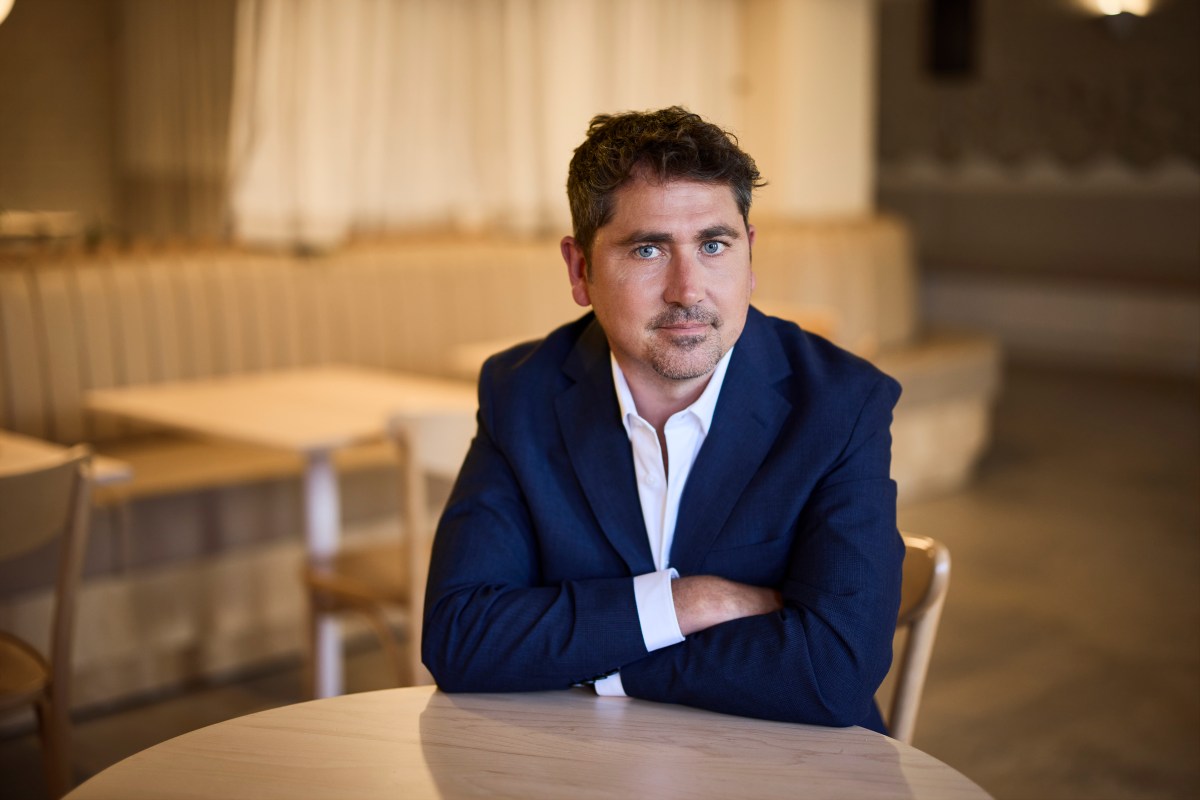
This is the second program to be spearheaded by Lutton since since he started his three-year stint with Adelaide Festival, following a decade leading Melbourne’s Malthouse Theatre, where he first landed in 2011 after establishing himself in Perth.
‘Adelaide Festival’s history is one of being a gateway to some of the most influential artistic minds in the world, all gathering in Adelaide,’ Lutton tells ArtsHub.
‘It’s a place where I’ve been going for 20 years to seek out the most audacious and daring international artists. There’s a goal always to maintain a very strong program of international theatre, dance, art, classical music…’
But international drawcards are only part of the picture. For Lutton, the festival’s success lies in bringing different artistic experiences into conversation, creating what he describes as a ‘saturation of work’ that resonates and creates friction with the pieces around it.
The ambition? To generate ‘experiences you’ll remember for a decade’.
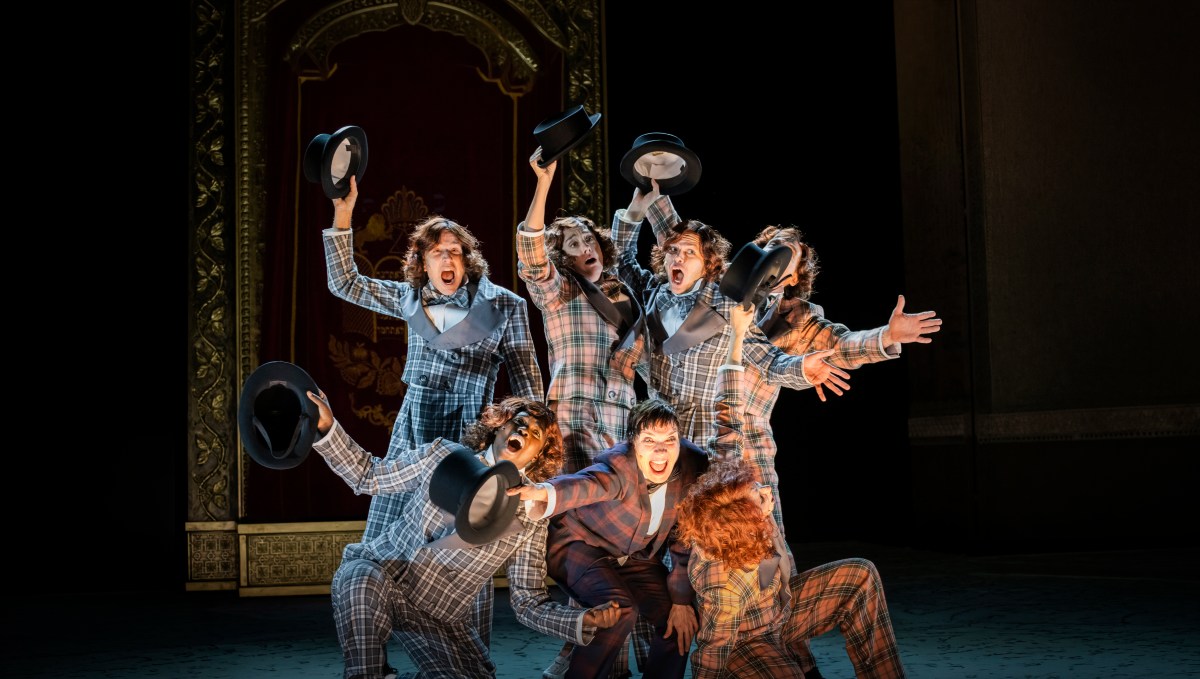
The complete program is on sale now, joining the three Australian-premiere events announced earlier this year – Bluebeard’s Castle from Italian opera visionary Romeo Castellucci; festival favourite Barrie Kosky’s K., a ‘Talmudic Vaudeville’ inspired by Franz Kafka’s The Trial; and Oedipus, the hotly-anticipated political drama from British theatremaker Robert Icke, co-presented with Sydney Theatre Company.
The full program of 54 events broadly aspires to present ‘boundary-pushing art and artistry of the highest calibre’, including ten shows that are exclusive to Adelaide.
Lutton’s first program in 2026 broke with the festival’s usual tradition of hosting an major opera in favour of classical music, inviting acclaimed French orchestra and choir, Ensemble Pygmalion (a programming decision that was made before he started his tenure).
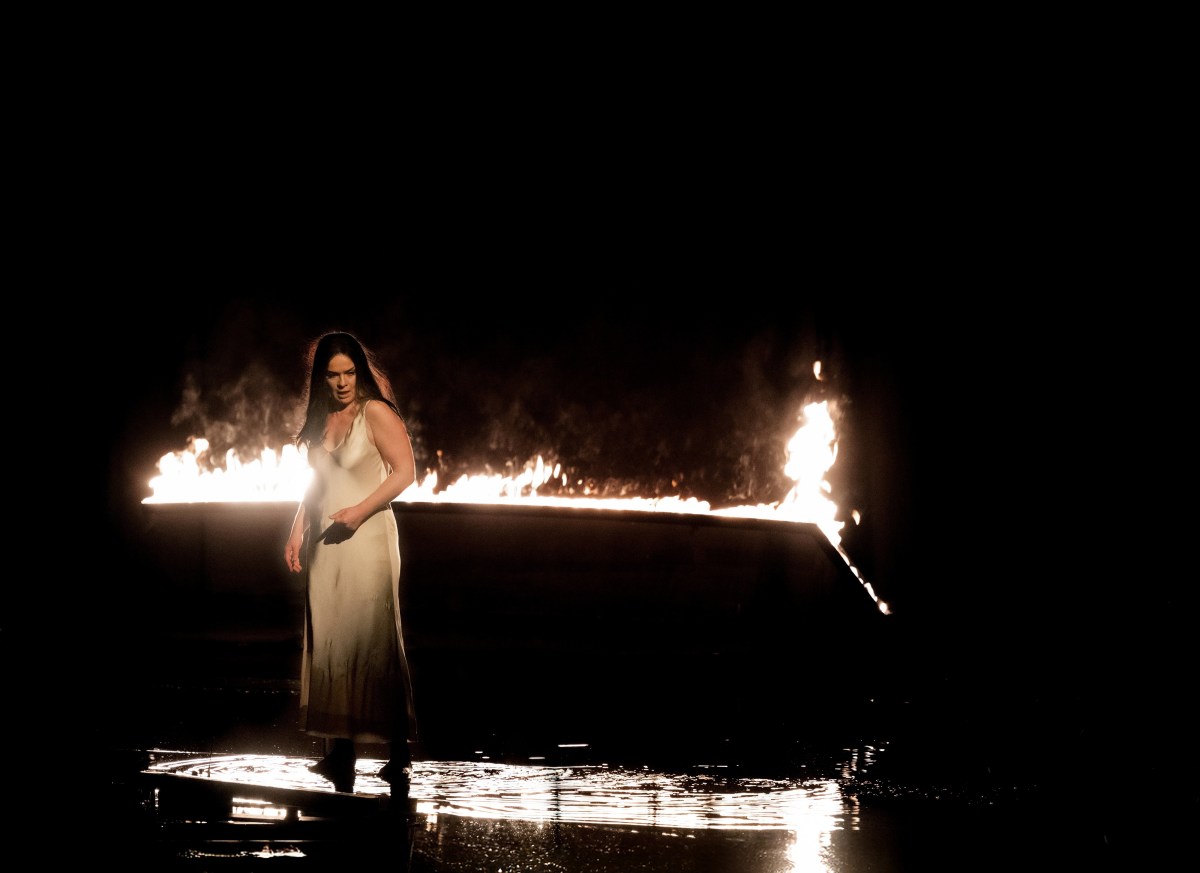
The return of a fully staged opera for 2027 (Bluebeard’s Castle) is accompanied by a commitment to planning future opera productions throughout Lutton’s tenure.
But the festival’s appetite for ambitious performance extends well beyond the traditionally defined high arts.
Melbourne-based experimental collective Pony Cam bring Burnout Paradise – a gloriously chaotic treadmill-marathon performance in which performers attempt to juggle exercise, personal administration, work and leisure while completing a marathon.
One performer might run kilometres while preparing a three-course meal, with audience members recruited to help chop vegetables or boil water along the way. For Lutton, the work’s appeal lies in its infectious energy and the way it turns the absurdities of everyday life into a shared theatrical experience.
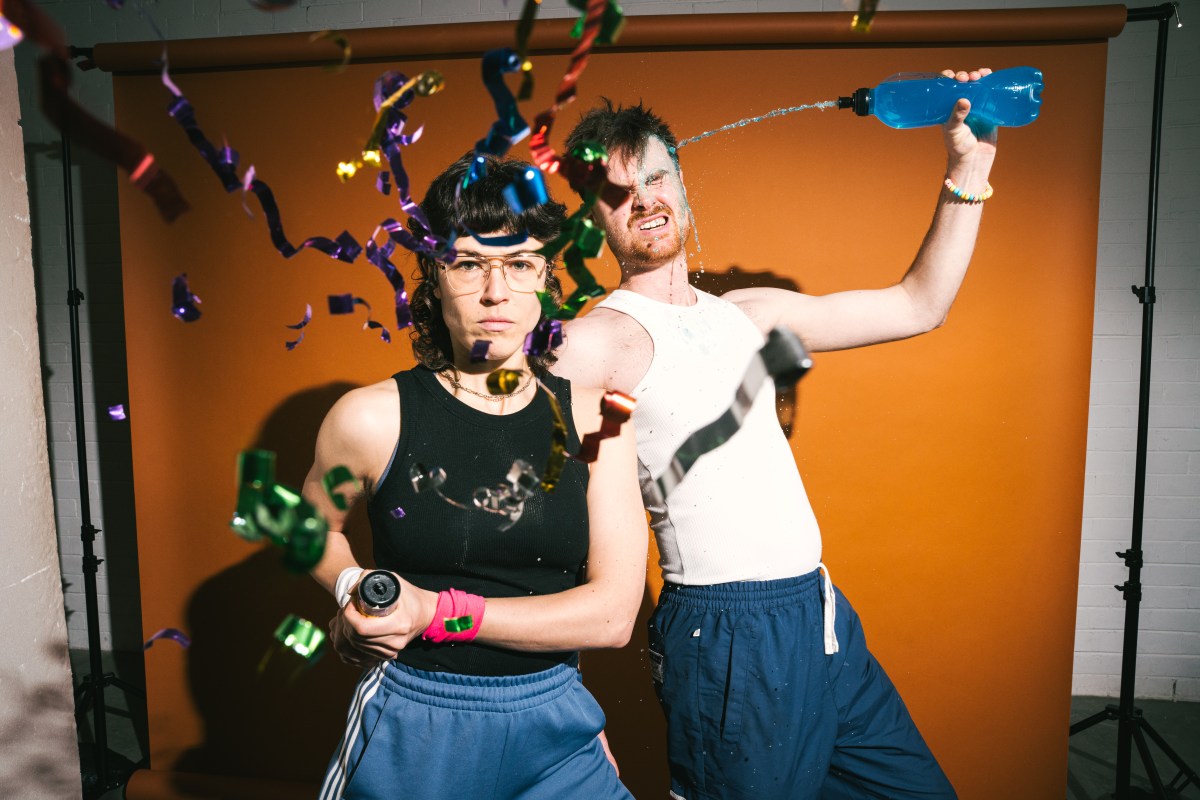
Having premiered at Melbourne Fringe before graduating to a season at Rising and an extended Off-Broadway run in New York, Burnout Paradise exemplifies the possibilities for Australian performance to reach increasingly large audiences.
It also demonstrates the breadth Lutton wants the festival to retain: a program that can move from the scale of opera, classical music and spectacular dance works to irreverent, unpredictable theatre.
Confronting the cult of male genius
If Bluebeard’s Castle explores the secrets hidden behind closed doors, The Brotherhood: CADELA FORÇA TRILOGY Chapter II from Brazilian theatre-maker Carolina Bianchi takes aim at the structures that protect powerful men.
Bianchi performs alongside eight men in a work that grapples with sexual violence, artistic inspiration and the mythology of the male genius. Drawing on her own experience of assault by a fellow artist, the production asks how women can continue to collaborate with male artists while confronting the systems that enable and excuse their behaviour.
For Lutton, it is precisely the kind of provocative theatre that belongs at Adelaide Festival.
‘This is a work where she’s asking: “How can I continue making art, and theatre in particular, with men, after this experience?”’ he says.
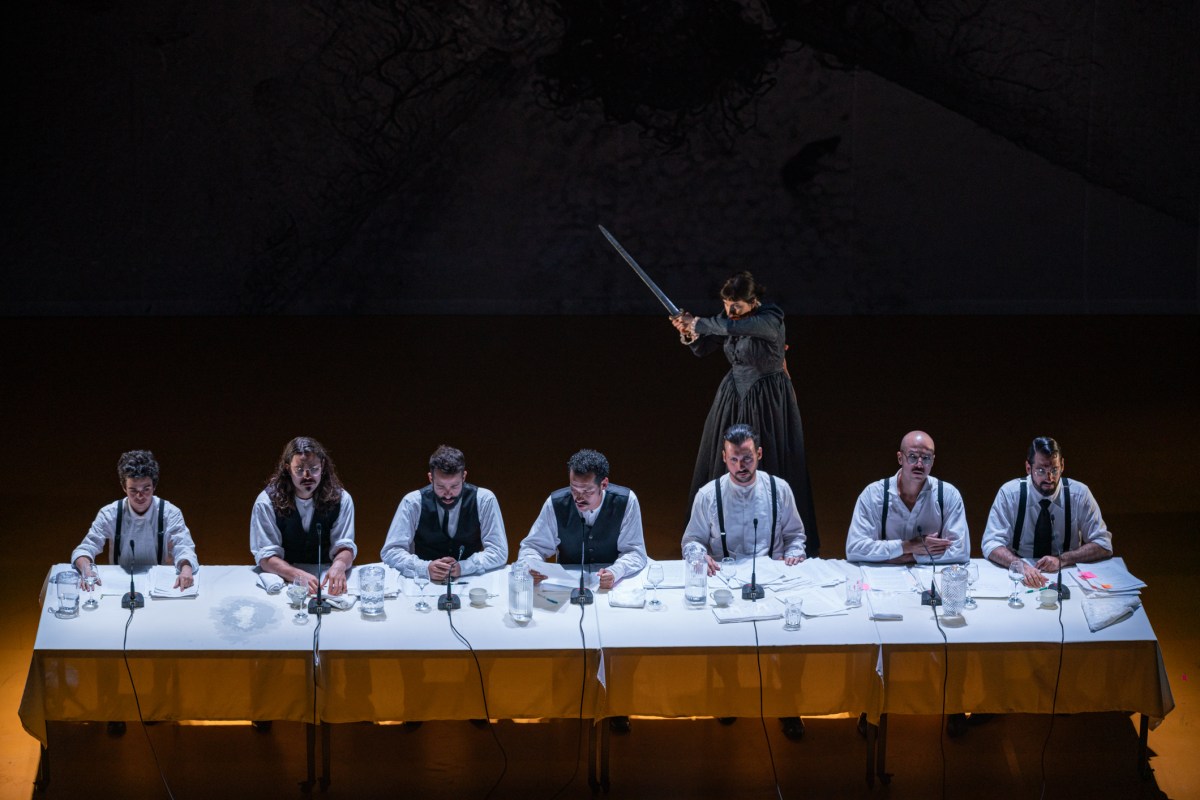
Bianchi’s work interrogates the ‘ridiculous brotherhoods that hold up men and their appalling behaviour, even after it’s been exposed’ while wrestling with the complicated reality that the artists who inspire us can also be implicated in harmful systems.
‘She is inspired by so many men as artists, and so how does she reconcile those those inspirations? She still wants to collaborate, but maybe she actually should be burning the whole system down,’ Lutton says.
He describes Bianchi as one of the smartest theatre-makers he has experienced, praising the adrenaline and intellectual energy she generates in audiences.
It is a timely addition to a program that is not afraid to ask difficult questions about power, responsibility and the role of art in society.
A South Australian story with national significance
Alongside the international program, Lutton is keen to ensure South Australian artists have opportunities to make work on a scale that might otherwise be out of reach.
A major example is Kumarangk: Sisterhood, a large-scale First Nations work performed outdoors at Yitpi Yartapuultiku, the new Aboriginal cultural centre on the banks of the Port River in Yertabulti/Port Adelaide. Combining theatre, song and contemporary dance, the work is written by Tracey Rigney (Ngarrindjeri / Wotjobaluk) and directed by Glenn Shea (Ngarrindjeri / Wathaurong).
It explores the Ngarrindjeri community’s fight against the controversial Hindmarsh Island (Kumarangk) bridge development in the 1990s, where Ngarrindjeri women’s cultural knowledge and claims about sacred women’s business became the subject of a protracted public and legal dispute.
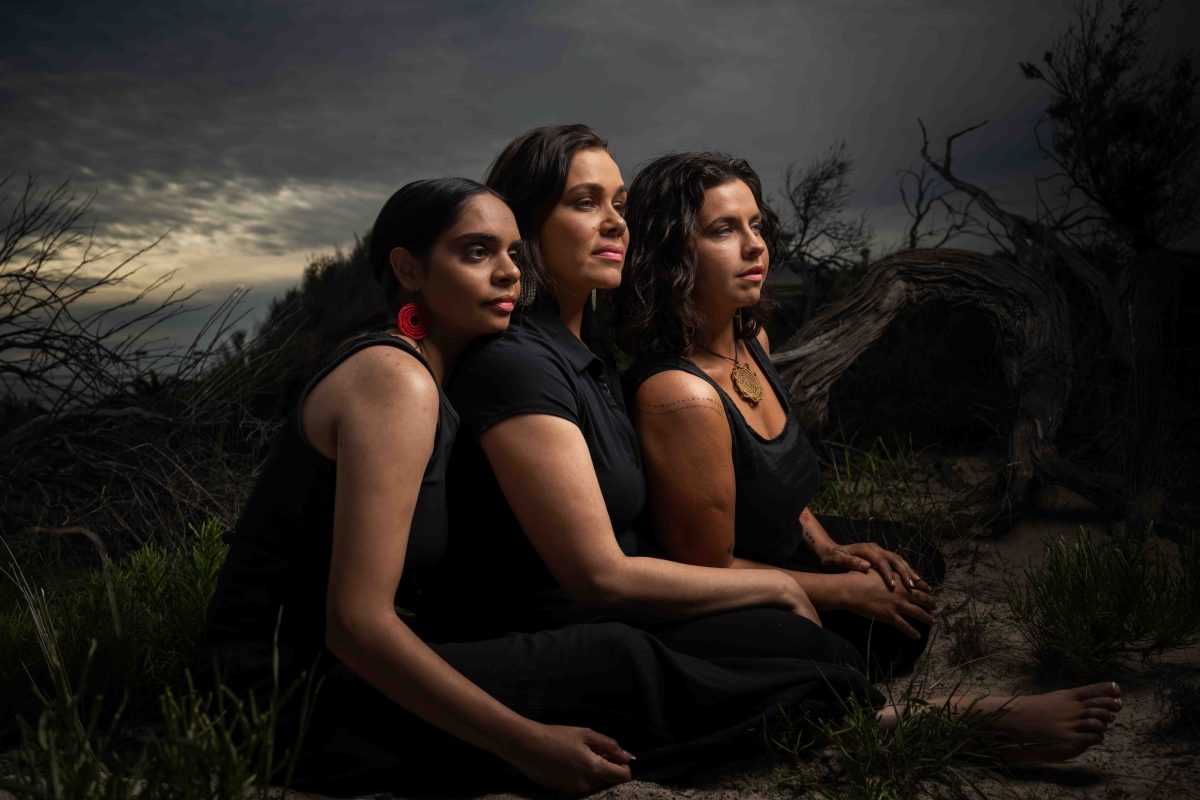
‘This is a story I didn’t know before I moved to Adelaide,’ says Lutton. ‘It’s a story that I think we should know around Australia, just like we know about the Mabo case.’
He sees the production as an opportunity for a distinctly South Australian story to reach a national audience, while giving local artists the resources to realise an ambitious theatrical vision.
That approach reflects a broader curatorial priority: creating opportunities for local artists to collaborate with national and international practitioners, rather than simply reproducing the work they might make at other times of the year.
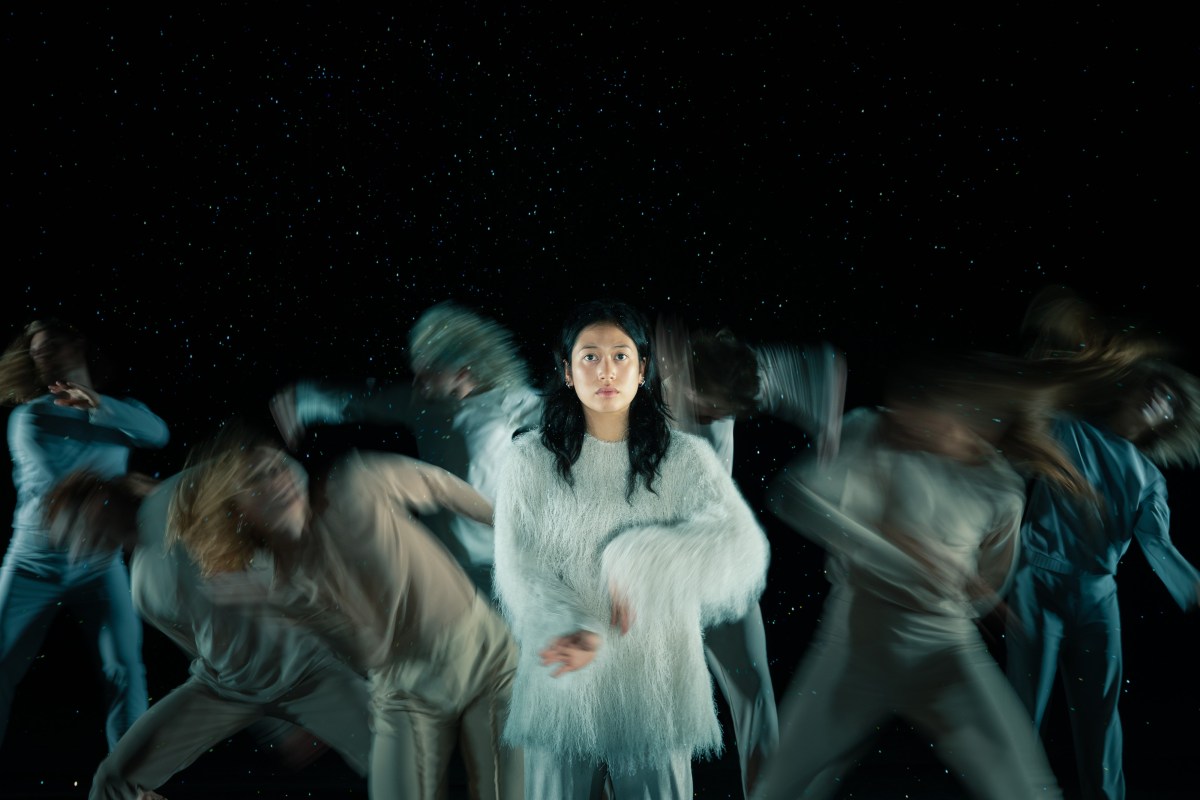
Another example is Galaxia, a world-premiere contemporary dance work commissioned from North Queensland-based company Dancenorth in collaboration with New York-based theatrical pioneer Andrew Schneider, who has designed a ceiling of interactive and all-encompassing stars.
The festival has invested $250,000 in the commission, which Lutton hopes will become part of a growing commitment to supporting Australian artists to create new work with international collaborators.
Khaled Sabsabi and a renewed visual arts conversation
The visual arts program has also expanded, with exhibitions and presentations across seven galleries, creating more opportunities for audiences to engage with South Australian artists and institutions.
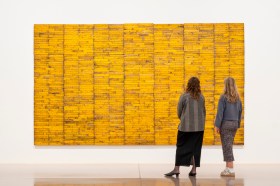
A centrepiece is the Australian premiere of Solitude from Khaled Sabsabi at the Samstag Museum of Art. An exhibition two decades in the making, the work extends the artist’s exploration of spirituality and questioning of ideologies and identity politics in our image-saturated age.
The presentation building on work associated with his presentation as Australia’s representative at the 2026 Venice Biennale (a position to which he was reinstated following backlash to Creative Australia’s decision to abruptly rescind his selection).
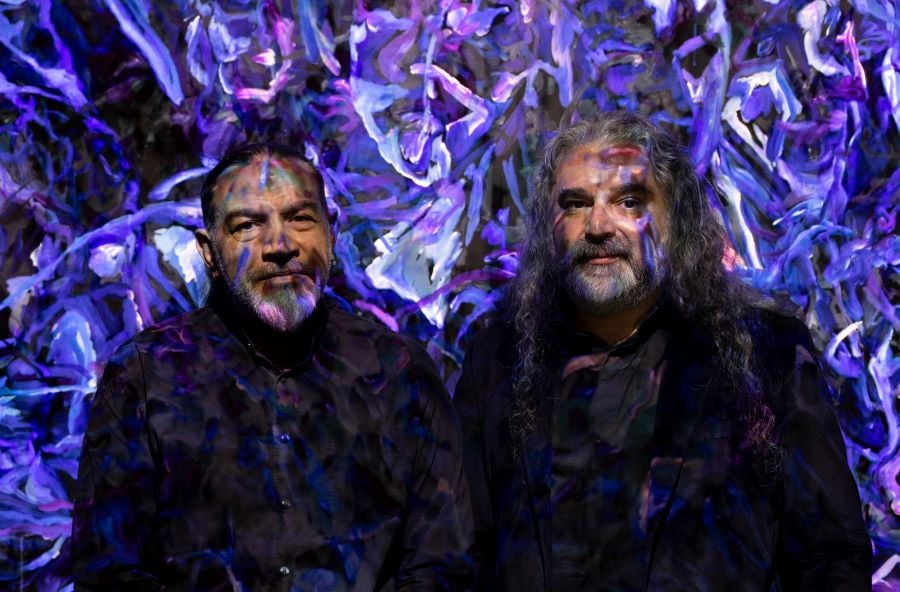
Lutton is particularly drawn to Sabsabi’s engagement with mysticism and the possibilities of art to explore experiences beyond the material world.
The festival is also bringing back Adelaide Artists Week, which will begin with a dedicated one-day event alongside a series of openings. The initiative played a significant role in Adelaide’s visual arts community during the 2010s, and its return is intended as a first step towards rebuilding that platform.
‘A major part of the festival is almost… all the art experiences fill you up and you need somewhere to open the valve, release all your thoughts and discuss and debate,’ Lutton says.
That emphasis on discussion is central to the festival’s broader vision: art should not simply be consumed, but create opportunities for audiences to exchange ideas and reconsider their perspectives.
Adelaide Writers’ Week returns
Perhaps no part of the 2027 program carries greater symbolic weight than the return of Adelaide Writers’ Week, following its cancellation in 2026 amid controversy over the disinvitation of Palestinian-Australian author Randa Abdel-Fattah.
The literary festival is independently curated by a new director, Rosemarie Milsom, formerly of Newcastle Writers Festival.
While Lutton is careful to leave discussion of the literary program to Milsom, he believes the absence of Writers’ Week in 2026 has only increased audiences’ appetite for its return.
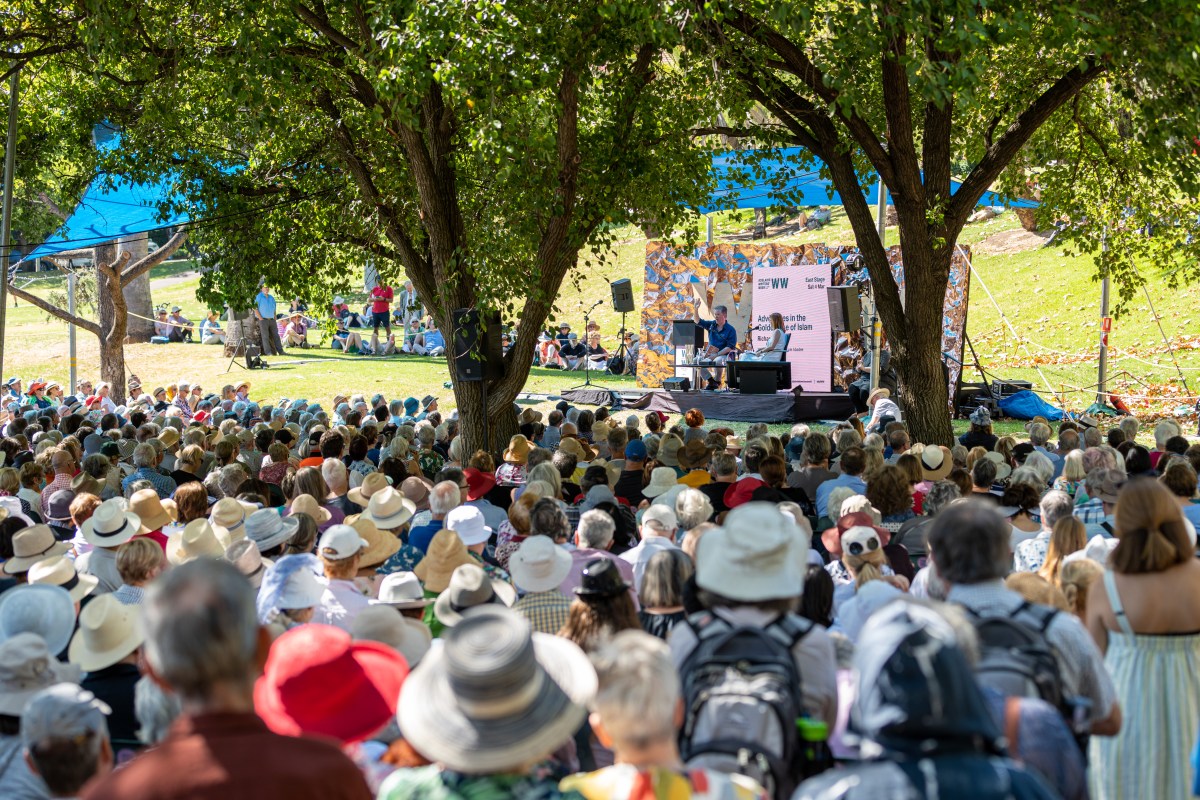
‘I think there’s a huge desire to engage with literature and ideas,’ he says, pointing to reading’s capacity to engage audiences with complexity, nuance, difference, politics and escapism.
For Lutton, the festival’s appeal lies partly in the remarkable commitment of its audiences, who arrive early, spend entire days moving between sessions, and return throughout the week to immerse themselves in conversations about books and ideas.
The return of Adelaide Writers’ Week, alongside the reintroduction of Adelaide Artists Week, also restores important gathering points for communities that extend beyond the performance spaces.
Can art change the world?
For all the spectacle, provocation and international star power, Lutton ultimately returns to a more personal measure of artistic impact.
Asked whether a single work of art can make a difference, he argues that art helps people navigate how they want to live in the world, while opening them to experiences and perspectives beyond their own.
‘If you’re reflecting on who you want to be in the world, that can cause you to change and can cause the world to change,’ he says.
‘I think art is a very personal experience, and you can be changed by the experience of art.’
That belief runs through a program that moves from the psychological intensity of Bluebeard’s Castle to the confrontational questions of The Brotherhood, from Kumarangk’s retelling of a historic land rights story to Pony Cam’s skewering of modern life.
For Lutton, Adelaide’s relatively compact scale is part of what makes such a program possible. The city can be transformed by an influx of artists, visitors and audiences, with Adelaide Festival’s overlap with Adelaide Fringe offering different but complementary ways to experience the arts.
The ambition is not simply to assemble a collection of prestigious productions, but to create a concentrated period in which artistic ideas collide, audiences encounter unfamiliar perspectives, and conversations continue long after the curtain falls.