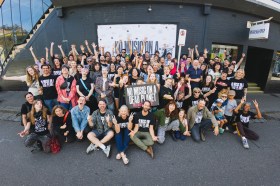
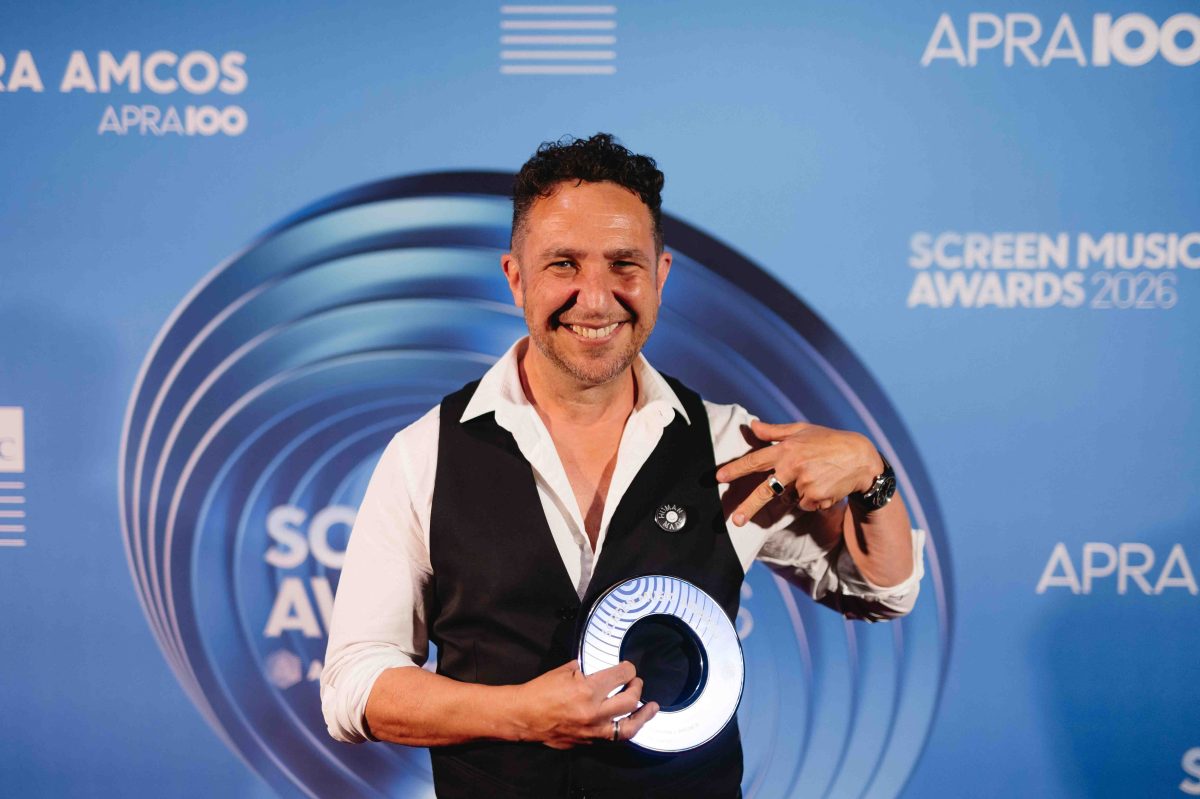
‘Stop, thief!’ was the rallying cry at last night’s APRA AMCOS Screen Music Awards ceremony, led by award-winning composer Antony Partos, co-founder of Sydney-based studio Sonar Music.
Fresh from claiming Best Music for a Television Drama for his work on The Artful Dodger, Partos is spearheading the Australian Guild of Screen Composers’ Human Made campaign.
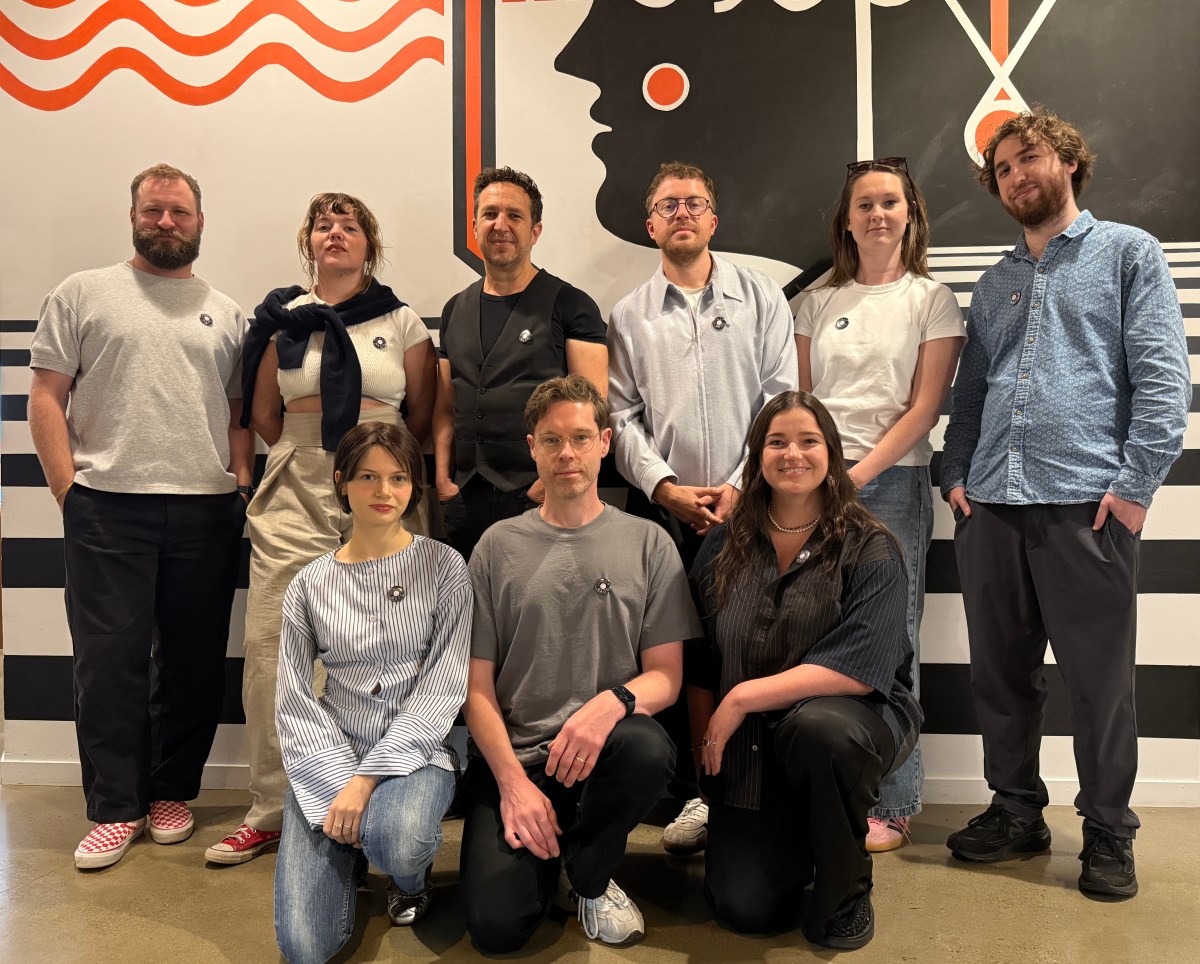
Industry leaders wore record-shaped badges bearing the © copyright symbol at last night’s event at Brisbane’s Fortitude Music Hall, as AI tech giants stand accused of helping themselves to Australian composers and musicians life’s work.
Screen composers protest AI – quick links
$227 million in music creators’ revenue at risk
Upon accepting his award, Partos said: ‘We’re meant to be celebrating the achievements of our composers tonight, yet we’re also having to fight to protect their future. How is that fair?’
‘You’ve Got to Pick a Pocket or Two is fiction, not an AI blueprint for copyright policy,’ said Partos, taking his cue from Oliver! – the classic musical which introduced many audiences to the titular character of The Artful Dodger – as he took aim at the government’s current deliberations around weakening copyright laws.
ScreenHub: Australian drama The Artful Dodger renewed for third and final season
APRA AMCOS is the music rights management organisation which jointly represent over 100,000 songwriters, composers and music publishers in Australia and New Zealand. It estimates that $227 million in Australian and New Zealand music creators’ revenue could be at risk by 2028, with royalties and licensing accounting for as much as 70% to 80% of annual income for composers.
Partos, who chairs the Australian Guild of Screen Composers’ Industrial Relations Committee, warns the livelihoods of Australian creators and future generations are at stake.
‘Australian copyright protections should not be negotiated away behind closed doors,’ he says. ‘Our creative industries cannot become collateral damage in the race to attract AI investment.’
Celebrating – and defending – excellence in screen composition
Partos’s award was one of 16 categories to be acknowledged at the at the 2026 Screen Music Awards, bringing his career tally to 19 Screen Music Awards.
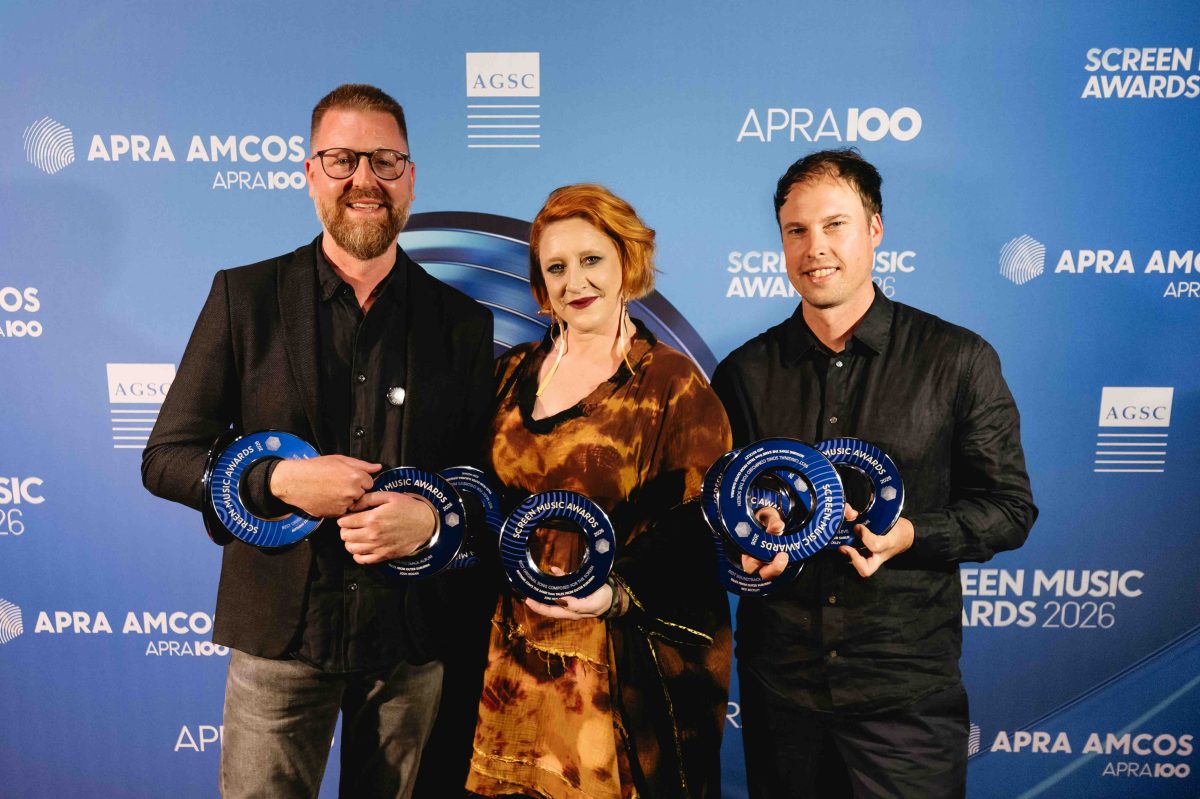
West Australian composers Josh Hogan and Ned Beckley the big winners on the night, taking out all four categories in which they were nominated for their work on the ABC children’s animated series Tales from Outer Suburbia, including Best Original Song Composed for the Screen alongside composer Joni Hogan.
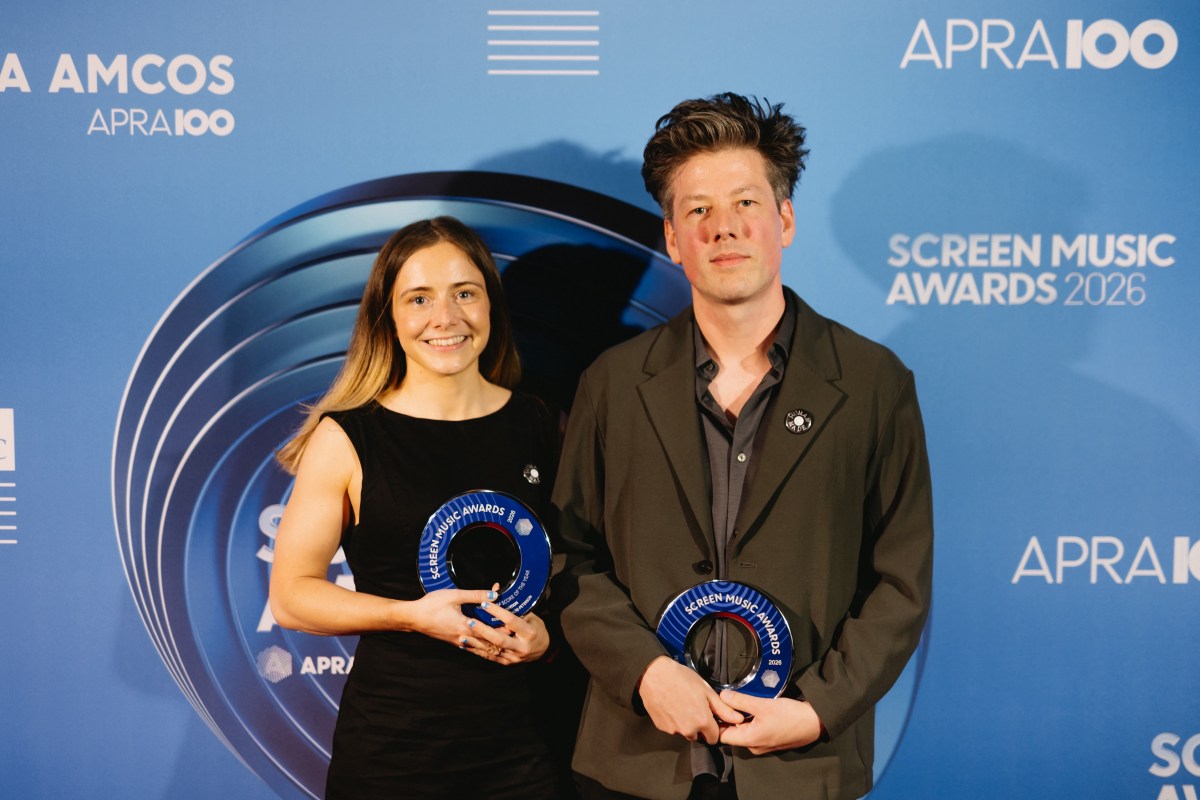
Picking up the highly contested Feature Film Score of the Year award were Piers Burbrook de Vere and first-time winner Rose Mackenzie-Peterson for their score to the Teresa Palmer-starring rom com, Addition.
Matthew Sheers and Peter Corrigan were also amongst the first-time winners, with their work on indie web-series The Witchy Girls taking out Best Music for a Television Comedy.
ArtsHub: The Witchy Girls conjures a new model for making Aussie TV
Legendary screen composer Cezary Skubiszewski was honoured with the Distinguished Services to the Australian Screen award in recognition of his incredible body of work spanning more than 30 years, while Finn Clarke was named Emerging Screen Composer of the Year following his 2025 win for Best Soundtrack Album.
Partos, who was nominated for a total of four awards this year, says the irony of celebrating Australia’s finest composers while fighting for their survival is not lost on the industry.
‘Australian creatives are generating billions in economic activity, supporting local jobs and businesses, while multinational technology giants seek access to their intellectual property without paying for it.
‘How is that a fair deal for everyday Australians? We should be protecting that investment, not trading it away.’
Composers asked to recreate AI-generated tracks
According to Partos, the threat extends beyond AI reproducing copyrighted songs. AI systems can potentially learn from a composer’s distinctive harmonies, orchestration, techniques and creative style to generate commercially valuable music without reproducing an exact composition or compensating its creator.
The impact is already being felt in Australian production studios, with Sonar Music composers being asked to recreate AI-generated advertising tracks so productions can claim human authorship.
ArtsHub: Australian authors fight the watering down of copyright law for AI
‘It’s an extraordinary position to put a composer in. We can’t copy something that may have been built from illegally harvested creative work,’ Partos says.
‘Our intellectual property represents decades of creativity, investment and sacrifice by people who have dedicated their lives to building careers and businesses in an already challenging industry.’
He argues the solution already exists: consent-based licensing that allows AI companies to negotiate permission and payment for copyrighted material.
APRA AMCOS has proposed a voluntary licensing framework for AI training.
‘This isn’t about stopping AI’
‘If AI needs copyrighted material to train its models, then a license system needs to be implemented to compensate those artists who chose to opt in,’ Partos says.
The warnings come as Australian film and television drama production expenditure reached a record $2.7 billion in 2024-25, up 43% on the previous year.
ArtsHub: More news about AI in the arts
Partos says the Human Made campaign is not about resisting technology, but ensuring the creators whose work helps power AI systems are recognised and fairly compensated.
‘This isn’t about stopping AI. It’s about ensuring the people whose work makes these systems possible are recognised and compensated, and that their work is legally licensed.
‘If the government is serious about supporting Australian culture and innovation, then creators need a seat at the table.’