
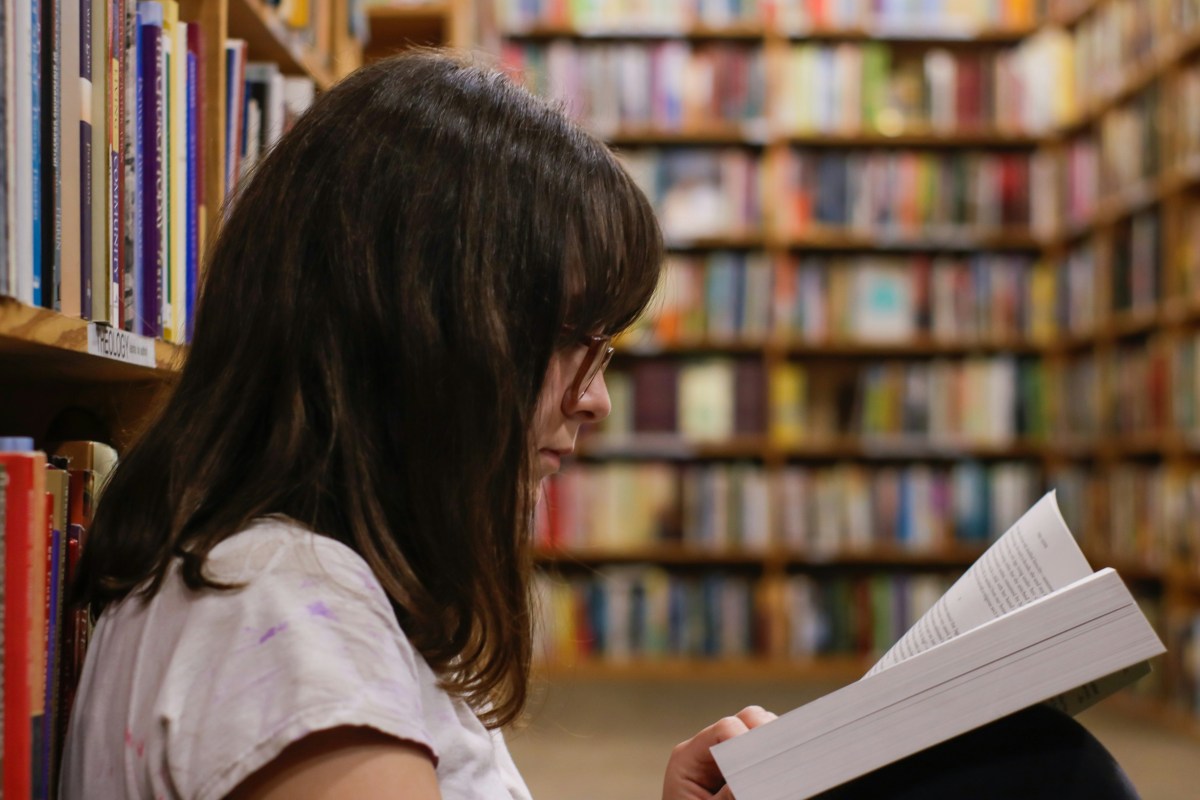
It’s an idea that’s striking in its simplicity but potentially profound in its implications.
Despite widespread agreement about the importance of reading and the need to build literacy and information skills, there is currently no requirement that every school provide students with access to a library, and some Australian kids are missing out.
This call to mandate school libraries featured in a number of submissions during the recent consultations on a new National Cultural Policy, with contributors pointing to both immediate benefits in improved literacy, but also long-term impacts such as a greater sense of connection.
This requirement could help level the playing field and give all students a chance to enjoy these educational and cultural spaces.
Libraries in Australian schools – quick links
Libraries can improve lives
Ideally, the vision of a library in every school should recognise that a school library should be far more than a box-ticking exercise or a perfunctory stash of books and computers.
Sadly, many schools have only a massively under-resourced and understaffed library – research from Dymocks Children’s Charities uncovered scores of schools with only one (or no) qualified librarian, and non-existent book budgets.
In last year’s Australian School Library Survey, 43% of participants reported their library budget was inadequate, and 56% said their library wasn’t adequately staffed. The survey also found more respondents said their school library was decreasing than increasing.
The tangible benefits of a well-resourced school library are clear and well-documented, including improved academic performance. By any measure, the reading and writing proficiency of Australian students needs improvement and libraries can be part of a concerted effort to achieve this.
A good library isn’t an end in itself; it’s a gateway to broad and deep information resources. Crucially, a library can not only facilitate access to a wealth of online information but, through its specialist staff, provide guidance on how to use it.
In an online age where clickbait, AI-generated content and all kinds of sophisticated misinformation campaigns proliferate, digital literacy, research skills and critical thinking are vital.
The importance of teacher-librarians
A strong school library policy would also recognise the importance of qualified teacher librarians. Research consistently shows that schools with these professionals are more likely to see improvements in student literacy.
Despite this evidence, a 2025 survey of South Australian schools found that only 15% had a qualified teacher librarian, down from 23% in 2019. Teacher librarians can assist teachers in delivering the curriculum and nurturing students’ reading habits, both during studies and beyond.
As the organisers of the Your Kids Next Read podcast wrote in their submission for the next National Cultural Policy: ‘A teacher librarian is not simply a book custodian … They know their school community, they know their collection, and they know which book will reach which child at which moment.’
ArtsHub: Building a new National Cultural Policy – Burke talks to ArtsHub
The link between reading, empathy and life skills
Along with the higher test scores, there are a multitude of less tangible, though hugely important, impacts, like greater self-esteem and independence. On top of reading connected to their immediate studies, a library can help kids see themselves in fiction, discover who they would like to be, find new ways to look at the world, and discover fresh passions and unexpected career paths.
As submissions to the National Cultural Policy consultation recognised, school libraries aren’t just educational facilities – they’re important cultural infrastructure.
The flow-on effects of a thriving school library system could be considerable for Australia’s chronically underpaid writing community, resulting in greater demand for the work of Australian authors, illustrators and graphic novel artists and more chances for them to visit schools for talks and workshops, more opportunities for publishers (including curriculum-aligned supplementary material and teachers guides) and more opportunities for First Nations creatives to get their work into school libraries as schools build more representative and diverse collections.
It’s also worth reflecting on how the library space itself can be a very different environment from the playground and a place for a different personality type to thrive.
They can provide students with the kind of space they don’t have at home, whether that’s a print-rich environment or a quiet space to study, read for pleasure or reflect. A library can be an oasis of calm.
Perhaps Phillip Pullman, an author and staunch advocate for school libraries, best captured how these spaces can be both utilitarian and a zone for imagination and magic:
‘The library should be the heart, the soul, the mind, the source, the spring, the gold-bearing seam, the engine room, the treasure chamber, the priceless inheritance, the joy and the pride of the school.’
Doesn’t every Australian kid deserve that?