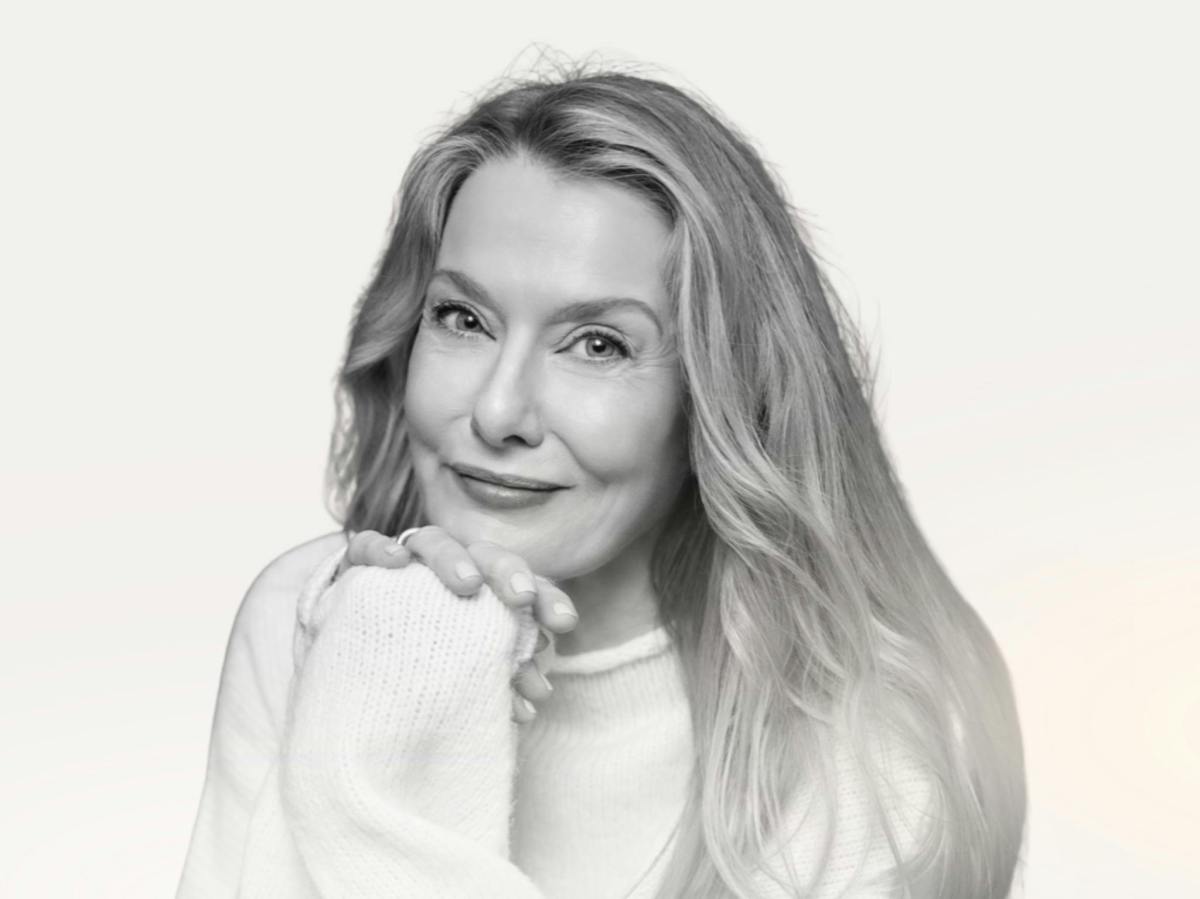
Multi award-winning Australian author Anna Funder will tour Australia and New Zealand from 31 July. The live event – An Evening with Anna Funder – is set to explore her ongoing interest in untold stories, and will offer perspectives on power, narrative and democracy, and how these esoteric concepts shape and change our lives.
Funder is best known for her narrative non-fiction works Stasiland (2003) and the recent Wifedom (2025), and has also published the critically acclaimed novel All That I Am (2011). Across her work, Funder is often drawn to telling ‘invisible’ histories that reveal so much about the wider world – particularly who gets to the tell the stories we consume, and what is lost when our voices are taken away.
Funder spoke to ArtsHub ahead of her first show in Perth, talking about the nature of her work and why it’s so important to continue telling lesser-known human histories in an era of encroaching AI.
5 questions for Anna Funder – quick links
Much of your work is focused on elevating the hidden stories of the past. Why do you think we should tell these stories and elevate tales that ‘slip through the cracks’ of mainstream culture, like that of Eileen O’Shaughnessy?
Anna Funder: I don’t set out to tell untold stories, but the stories that have most fascinated me – of resistance by ordinary people to the Stasi surveillance regime in East Germany [in Stasiland], of brave anti-Hitler activists in exile (and great danger) in London in 1933-5 [in All That I Am], and of Eileen O’Shaughnessy [in Wifedom] were all untold. If history hasn’t recorded a story, there’s often a very interesting reason why not.
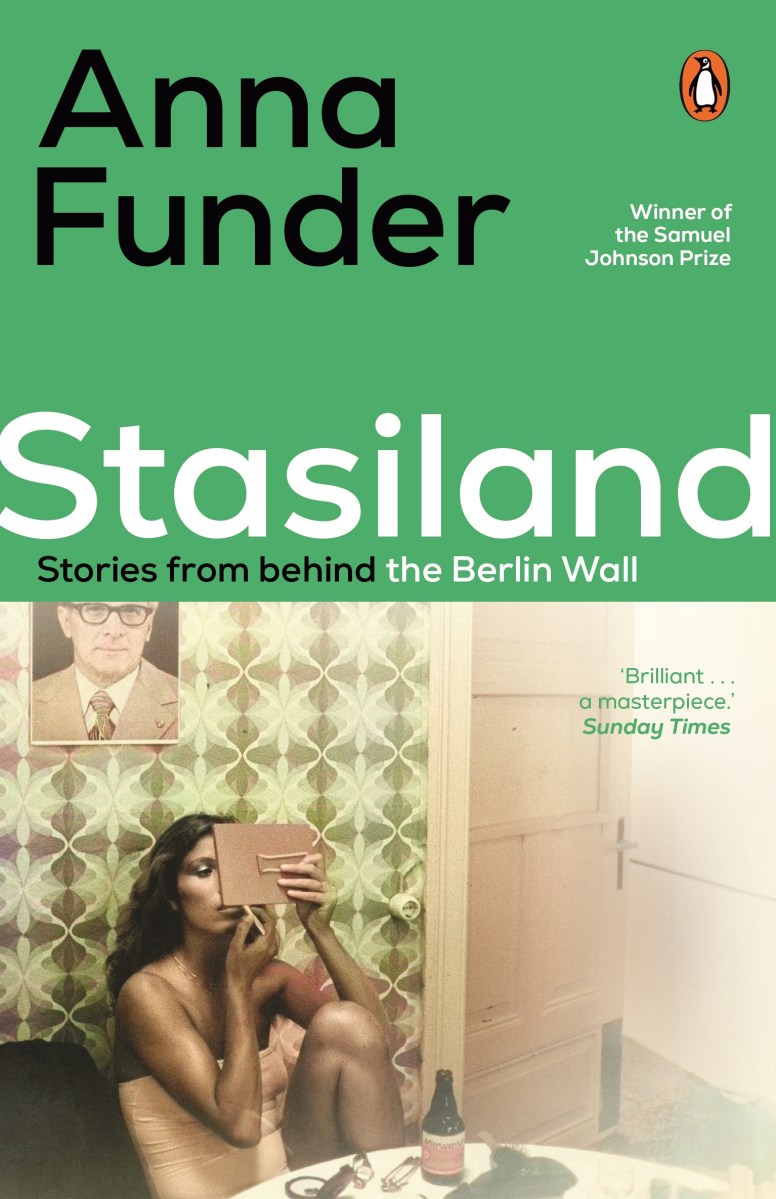
Stasiland is about three women – Miriam, Julia and Frau Paul – and the old rockstar Klaus Renft, all of whom behaved with extraordinary courage in East Germany. After the Berlin Wall fell I didn’t know why they were not being written about in newspapers as examples of heroism and human conscience in a place that tried to extinguish both.
All I knew was that I was going to write them into history.
But as the decades have rolled on it is clear that both East Germans and West Germans didn’t want to know these stories – and there were many stories of heroic resistance. The East Germans felt bad: ‘If this schoolgirl or housewife refused to inform and betray, why didn’t I?’ is the feeling – a kind of reproach … And the West Germans just wanted, essentially, to downplay the perfidy of the regime, and for both Germanys to ‘get along’.
To my mind, you can’t ‘get along’ till you’ve honoured your victim [and] heroes. The kind of ‘getting along’ that doesn’t honour a hideous regime’s resisters involves sweeping people under the carpet.
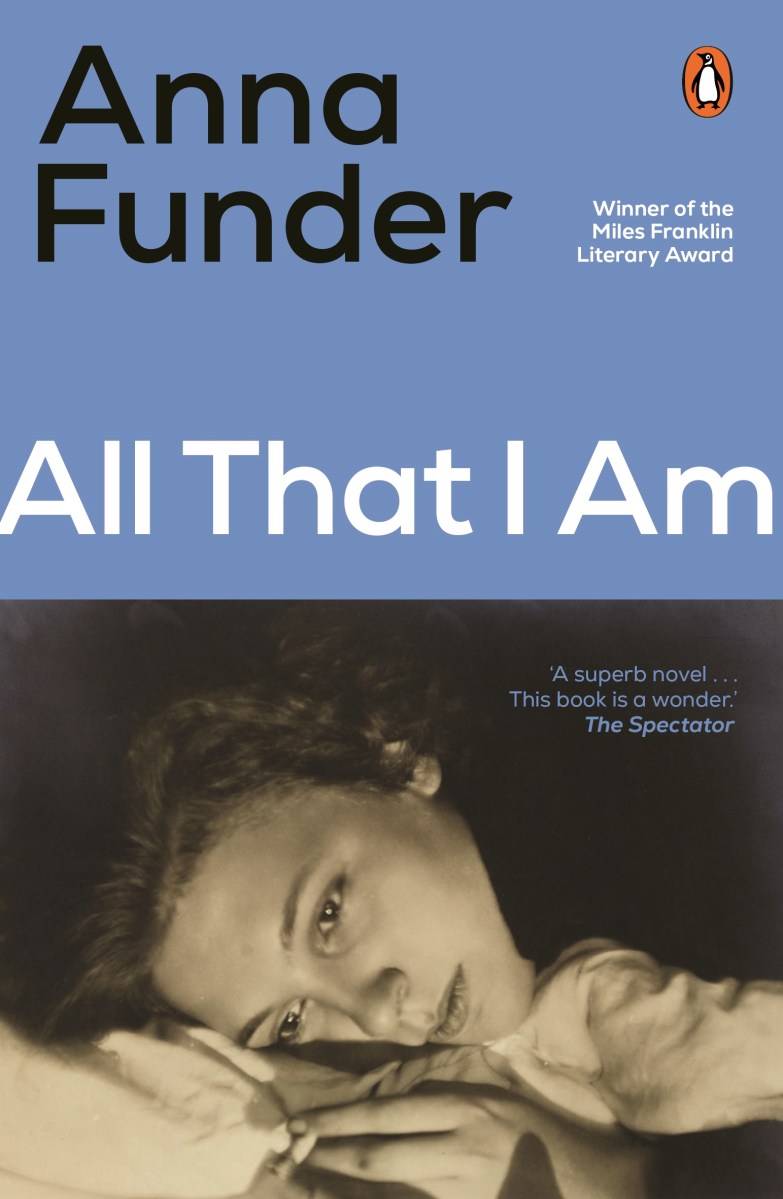
In the case of All That I Am, [the novel is about] the two very clever, brave anti-Hitler activists who were found poisoned in a bed together in their flat, one fully clothed, the other in her pyjamas. There were also political reasons for this story not to be told.
At the time, the inquest into the women’s deaths was a whitewash, because of the appeasement of Hitler Britain was doing. These women had evidence Hitler was preparing for war, and the British didn’t want to hear it.
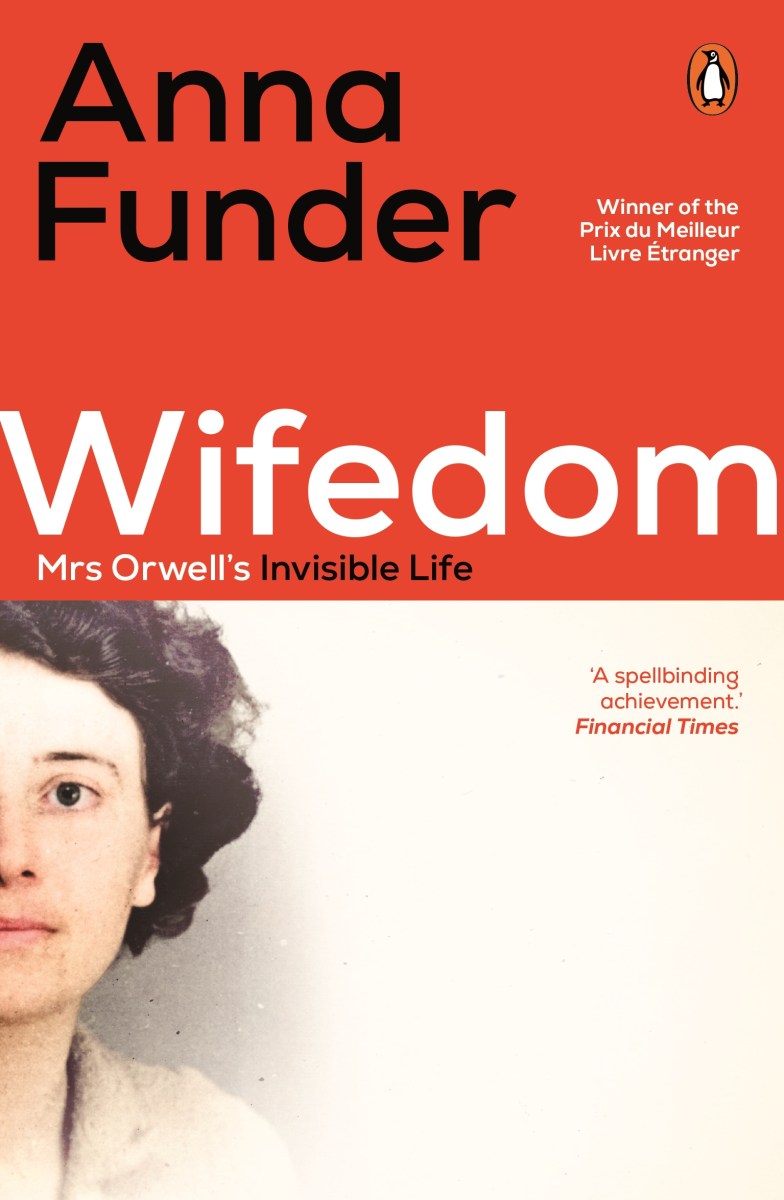
With Eileen, my book Wifedom deals very clearly with why, and also how, she was erased from the story of George Orwell’s life and work. She saved Orwell’s life, improved his work immeasurably and co-wrote Animal Farm (which is why it is nothing like anything else he ever wrote – to his publisher’s shock).
Orwell’s six major biographers all go to considerable effort to leave out the significant influence of not only Eileen, but also other important women in Orwell’s life, including his feminist, left-wing mother and aunt. The book explores this as a key mechanism of patriarchy: to make it look like men achieve everything alone, and do not use or harm women in the process. Wifedom taught me a lot about how our world works, with the example of theirs.
In the era of AI, we are seeing elements of history and truth obfuscated. How can we push back against the erasure of fact? Do you think it’s now more important than ever to learn from and understand history?
AF: It is going to be very important for students, indeed for all of us, to learn how to find reliable sources of information. School students are taught this now, with regard to the internet generally, and I’m sure will be taught it with regard to AI’s so-called ‘hallucinations’, or errors.
I hope that education will start by de-anthropomorphising this computer program – it does not ‘learn’ or ‘hallucinate’ – it uses predictive software to sift through often stolen material to find the most likely answer, regardless of veracity.
ArtsHub: More news on AI in the arts
What can history teach us about the future ramifications of AI? Are we repeating trends of the past or following paths of common fears found in history and literature?
AF: There is an element of ‘chicken little’ thinking about AI, which I think will pass. They sky will not fall. We will learn to use it as a tool, to regulate it as a publisher or essential service. There’s also a frisson of ‘Frankenstein’ thinking about it: Dr Frankenstein was afraid of the monster he cobbled together, and could not love it. Because it was unloved, the monster turned bad.
Men have made these AI programs and are now afraid of them. Anthropic, for instance, is afraid of ‘Mythos,’ its program it has developed, which bad actors could use to destroy infrastructure and societies. They recently came to sell it to the Australian government, arguing that otherwise bad actors might get it and use it against us. That’s irresponsible development crying out for regulation, to my mind.
The combination of all our personal and private data having been mined and stolen by Big Tech and the possibilities of AI using it against us is terrifying. These are not responsible actors, and they need to be more closely regulated so that this technology serves the public interest, rather than serves us up to it.
What does telling human, creative and history-driven stories do for people? Why do we tell stories, and how do they change us?
AF: We all live one life. But we can share in many, by reading books. We can be immersed in another’s world-view (the author’s, the characters’). This expands our minds and hearts. We know more in terms of knowledge, and understand more about the world and people in it. It’s critical for societies and for individuals.
Stories can unlock knowledge in us that we don’t know we have, make us known to ourselves as well as each other. Between the covers a book can expose you to thrilling or terrifying or tragic material, safely. It is, as Aristotle said of tragedy, cathartic.
In this early part of the iPhone age we have allowed Big Tech to mine the dopamine and destroy the concentration spans and mental health of our children, as well as to mine all their personal data. Reading, and returning to reading, is hugely important for the brains and minds of the next generations.
ArtsHub: A national reading campaign would be welcome in Australia
What are your biggest hopes for human-led storytelling in a creative future clouded by AI? What should we hold onto as this technology continues to integrate itself into our lives (however unwillingly)?
AF: Language is the greatest technology ever invented. Books hold it, in a verified, checked, beautiful way. Novels are our access to the human soul, in black and white. Human authored books will never not be necessary. I have zero interest in a book produced by a machine. That would not be a book, in the sense of a work of communication from one human to another, it would be a simulacrum of a book. No one needs that.
An Evening with Anna Funder tours Australia and New Zealand from 31 July to 12 August.
This interview has been lightly edited for clarity.