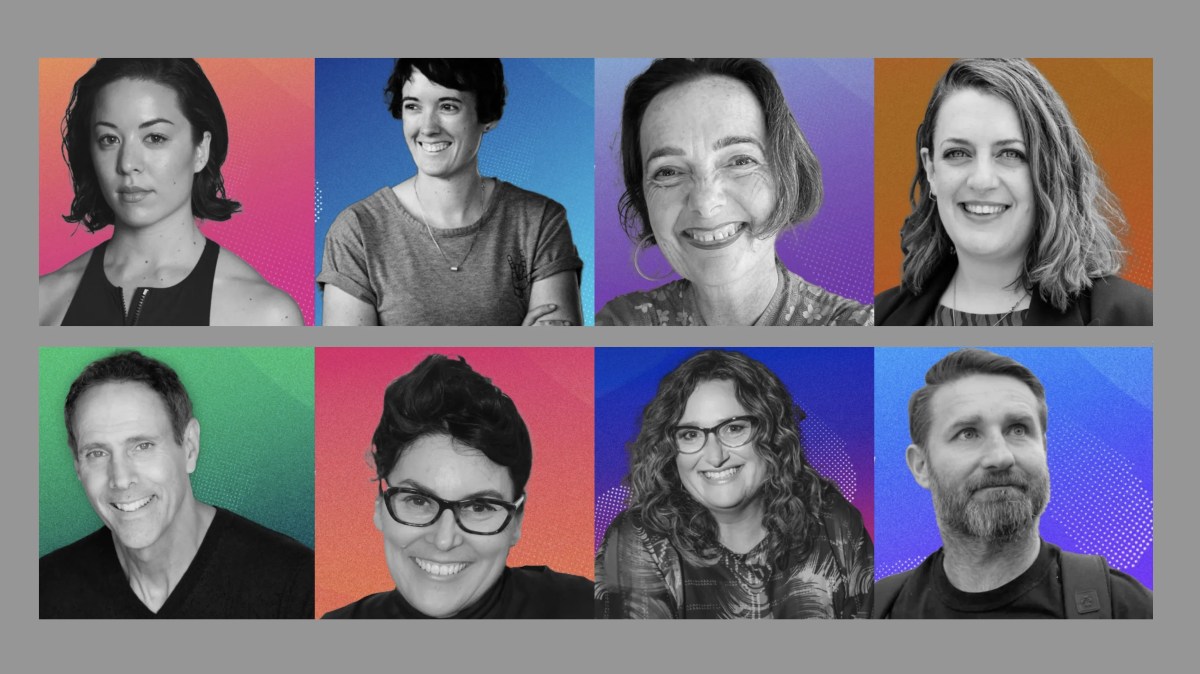
Feel like a career change in 2026? ArtsHub looks back at the careers we profiled over the past year and offers a few insights from arts professionals in the sector to whet your appetite.
Whether you have visions of being in the spotlight, working behind the scenes or going out on your own, the experiences of these arts professionals can aid your decision making. Could there be an arts job here for you in 2026?
Arts jobs to consider – quick links
Arts jobs in the spotlight
Principal Ballet Artist
Jill Ogai’s life, in many ways, was determined early on. But she tells ArtsHub of the challenges of being a Principal Ballet Artist: ‘I think a lot of people face doubt and overthinking. As an artist I have realised often my first instincts are best, but my brain likes to try out the whole wheelhouse of possibilities before circling back to my instinct.’
Starting dancing at four, she shares how she moved throught the ranks to become a soloist then principal artist with The Australian Ballet.
Concert Pianist
ArtsHub spoke with internationally acclaimed concert pianist Alexander Gavrylyuk about what it takes to manage his busy career. His advice on taking on the life of a concert pianist was, ‘to ask yourself whether you can live without it. If the answer is yes, then perhaps it’s not your path. If the answer is no, then accept that this life is not about applause but about a lifetime of surrender – to discipline, to solitude and to a love so demanding it will break you open and then rebuild you.’
He added: ‘Don’t chase careers; chase truth in sound. That truth in time will create its own path.’
Cabaret Artist
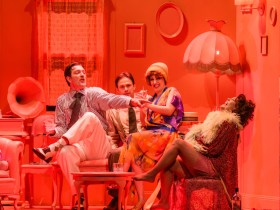
Australia hosts a wealth of cabaret festivals and performances, including the world’s biggest cabaret festival. The artform itself is versatile and diverse, and can include singing, dancing, comedy, theatre and more. So what does it take to become a cabaret artist? Award-winning performer Ali McGregor shares insights from her profession and why a hot glue gun is a cabaret artist’s best friend.
Arts jobs behind the scenes
Photojournalist
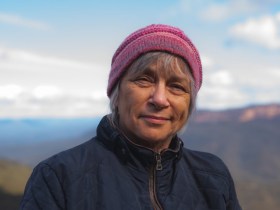
Melbourne photographer Penny Stephens explains that being a photojournalist is not all glamour and fame. It’s hands-on, fast-paced and takes tenacity and perseverance. She tells ArtsHub that to be successful in the field you need to have, ‘an innate, burning curiosity about the world and its people. You have to be able to talk to people from literally all walks of life. You have to be able to stand up to people, to not be easily intimidated, but equally you have to blend in, be almost invisible.’
Rehearsal Director
Being Rehearsal Director at Bangarra is really about helping keep the work at a high level while supporting the dancers day to day, Rikki Mason tells ArtsHub. He added of the shift from dancer to behind the scenes: ‘What’s been interesting is the change in dynamic with the dancers. I’ve shared the stage with most of them, so there’s already a strong connection there. Now, stepping into a leadership role, it’s been about finding the right balance between maintaining those friendships and stepping into a position that carries a different kind of responsibility.’
Liberettist
If you possess humility, audacity, originality and passion, then becoming a librettist may suit you, says playwright, director, dramaturg and librettist Alana Valentine. She says of her profession: ‘Libretti are not poems written to work on the page, they are dramatic storytelling written to be sung and spoken. As with all my work, you need to consider clarity of storytelling, but also the shape and beauty of words in the mouths of performers, the rhythm, the movement of the emotional logic under the storytelling.’
Interviewing for this role, she told ArtsHub she would be looking for: ‘Humility (it’s all about the music) and audacity (no guts, no glory) and originality (she who dares wins) and particularity (it’s all in the detail) and passion (if you do not have love you are become as sounding brass) and a deep and driving sense of drama.’
Hollywood Casting Agent
As the former in-house head of casting and consulting executive for television and motion pictures for MGM Studios for 16 years, Paul Weber CSA is the casting agent behind many critically acclaimed series on our screens. When asked what was the secret of success in this highly competitive field, he told ArtsHub: ‘Taste, good talent instincts, a strong knowledge of the talent pool, experience, strong industry relationships and an ability to work collaboratively with all of our talent partners.’
He added: ‘There are very few academic institutions that offer any training for casting directors, so most of us receive our training and experience by interning in casting offices, then graduating to assistant, casting associate and, ultimately, casting director…It is, in many ways, as competitive as the acting profession is.’
Writing Coach
Catherine Deveny is dyslexic and has been a professional writer for 32 years. She is the author of 10 books, has appeared on Q&A five times, and published over 1000 columns in The Age newspaper. She is the founder of Gunnas Writing Collective and has had over 10,000 people attend her masterclasses, retreats and workshops since 2014.
She revealed her career secrets to ArtsHub: ‘When I was young, people used to say, “You’ll never be a writer because you can’t spell,” and I’d reply, “I don’t want to be a speller, I want to be a writer”. Illuminating how writing (and access to education and literacy) has historically been used to discriminate and discredit is thrilling.’
She adds that the great misconception about her arts job is ‘that the focus is on being published. We don’t write to be published, paid, praised or win prizes. We write because it makes us feel better, think clearer and sleep more peacefully. We write because it makes our souls grow and our hearts glow.’
Read: 32 jobs to consider for a career change in 2025
Specialist careers in the arts
Textile Designer
Designing textiles for an international market, Sophie Tatlow says that you need to be curious and practical for this career path. As Director of Utopia Goods with collaborator Bruce Slorach, she extends what textile design can be, and is taking Australian narratives to international audiences.
She says the biggest misconception about her arts job is ‘that it’s fun and easy, and we’re just “pushin’ cushion”.’
How did she get started? Tatlow jokes that you need to be ‘a material magician (not quite)’ and have ‘a degree in curiosity and flexibility, with a healthy dose of optimism and mind-reading skills’.
She adds: ‘Officially, I studied design and have a master’s, but the real qualifications come from navigating production across India and the United States.’ She says the greatest challenge is coordination.
Indigenous Prison Arts Officer
ArtsHub spoke with two Indigenous Arts Officers at The Torch, Felicity (Flick) Chafer Smith and Matty Chilly, to understand how they empower incarcerated mob through art and why they love their job.
Working within prison community programs across Victoria, Smith says of taking on this arts job: ‘What matters most is connection, understanding and support. If you can provide those things genuinely then you can be a great Indigenous Arts Officer.’
Chilly added: ‘Everyday is a success knowing that I am making an impact and change within the criminal system with our mob – being the bridge from the outside world to help broaden their horizons to what they thought was not possible.’
Head of Public Engagement
As Head of Public Engagement, Tamsin Cull is the force behind Queensland Art Gallery Gallery of Modern Art’s Children’s Art Centre. Cull has been pivotal in shaping how people engage with artworks and artists, particularly through her work creating engagement pathways for children and families.
She says one of the highlights of her arts job is working with artists. ‘Every time we do work with an artist, we start with a really open question about what they would like to explore for young audiences. We always start with the artist’s idea and then we bring children in – it’s a really collaborative process.’
Sex Museum Curator
Drawing on her experience in the broader entertainment space and her 20 years in artist management, Correne Wilkie and her partner David Strong opened the immersive entertainment experience Museum of Desire in Melbourne at the end of 2024. Around 20,000 visitors attended in the first 16 weeks of opening.
Wilkie tells ArtsHub the greatest misconception about her current arts job is ‘that we created it because we have some secret sexual perversions or bents! To us it’s just content, albeit interesting content. I am no closer to being a sexologist than I was to being a musician when I managed bands!’
She adds: ‘My lens to all of this is through understanding audience and entertainment, I don’t need to be a sexpert for this role!’
Ceramics Curator
Catrin Jones has a specialist job but it is far from a limited role. As one of the Chief Curators at the iconic V&A Museum in the United Kingdom, Jones is responsible for the V&A Wedgwood Collection.
She tells ArtsHub of her arts job: ‘There are glamorous aspects but it’s also quite practical. Working in a museum is such a varied job.’
On curating specialist collection exhibitions she says: ‘It takes logistics and planning, creative storytelling, design, writing and interpretation, but hopefully when you see it, it’s about the objects in front of you and what they say to you.’
Read: A public or private sector career in the visual arts – which is the right one for you?
Mount Maker
Christian Bishop explains how mount making is not just about functionality but crafting solutions that elevate a viewer’s experience. He continues: ‘Mount makers play an integral role in the museums and galleries sector, responsible for delivering bespoke display solutions to the varied objects and artworks that visitors will encounter.’
In terms of skills, he tells ArtsHub that the arts job requires: ‘Cultural awareness, material knowledge and an understanding of various processes and methods…Strong communication skills are equally important, as effective mount-making depends on understanding the needs of a diverse exhibition team.’
Bookstore Programming & Community Engagement Manager
Christine Gordon is the Programming & Community Engagement Manager of Melbourne’s pre-eminent independent bookshop chain, Readings. Gordon was one of the founding members of the Stella Prize, sits on the Victorian Women’s Trust Board and has been a judge on various literary awards.
She says her current arts job requires a person who ‘must love reading new books. But, really, it’s all about attitude and gumption.’
She adds: ‘The rise of BookTok has been a gift to many authors in the industry; however, I never underestimate the power of a good old-fashioned word of mouth recommendation. Often at events I say to the audience – take this night and talk about it. You are the influencer. You can sell this book and you can make a difference by talking about it at your next dinner party or barbecue or book group.’
Leadership dreams in the arts
Street Art Festival Director
David Collins is the Founder and Festival Director of the Darwin Street Art Festival, and is an artist himself and former youth worker. Today he spearheads the most awarded street art festival in the country. He says of the arts job: ‘People think it’s a lot more glamorous. Festival Director sounds like someone who may be sitting in an office sending emails and taking meetings, but I am always in the thick of it. There’s a lot of time spent standing in dirty lanes and staring at buildings in the sun and I’m in a paint-covered T-shirt 24/7! Although it’s only a three-week festival, it requires a lot of planning and logistics, and it’s never far from my mind.’
CEO of Symphony Orchestra
Michael Sterzinger explains how he went from life as a tuba player to being CEO of Queensland Symphony Orchestra. He says the great challenge of the role is ‘swapping hats constantly. You might have a union negotiation in the morning, job interviews in the afternoon and be hosting sponsors at a concert that night. It’s a complex mix of running a business and being part of the performance. And with 130 employees, there’s always the challenge of balancing resources with ambition.’
CEO of Music Peak Body
Joe Muller, the Managing Director for Music NSW, the state’s peak body for contemporary music, always finds time to catch some live tunes outside his busy arts job.
He says of his career: ‘I’m a musician first and foremost and, in the early years of my career, was always the “responsible” member/manager of the projects I was working with and involved in the business side.’
He adds that this not-for-profit organisation plays ‘an enabling/connector role and I’m buoyed by how many brilliant music people there are, working to create the conditions for regeneration and sustainability in music scenes’.
Speigletent Director
‘I often find myself pulling up pictures of spiegeltents on my phone if anyone outside the sector asks me that question “what do you do?”’, Alison Neville tells ArtsHub. She is Production Manager, Spiegeltent International and Director, Spiegeltents Australia. She is also Head of Operations and Production at The Garden of Unearthly Delights.
Looking for someone to work in this field, Neville says: ‘I feel I would be looking at a few vastly different skills and qualities for the different hats. Good at spreadsheets and budgets, not afraid of heights, a people person and conflict manager, can write a risk assessment for circus, can lift a mirrored wall panel, knows how to unclog a toilet and can put in council permits, drawing sites and venue plans.’
Arts & Community Centre Manager
Karen Ingram walked many career paths before she found her most recent job with the Louis Joel Arts & Community Centre in Melbourne. She says anyone wanting to take on this role needs ‘to be engaging and accessible, have a mix of aspirational and realistic vision, be a strong communicator, lead the ship (leadership), have empathy, be organised and flexible, and have an understanding of community-led practice, community arts and stakeholder engagement.’
But she calls the arts job a privilege and adds that it has many pros, including: ‘Building a diversity of connections, promoting the role of the arts in wellbeing and social cohesion, and seeing that in action every day…leading an awesome team, working alongside a volunteer board of management, watching people responding to exhibitions, enabling artists to sell their first artwork to someone they don’t know, facilitating the death café and bringing my whole self to my work.’ We can feel her passion for this diverse and multifaceted leadership position.