
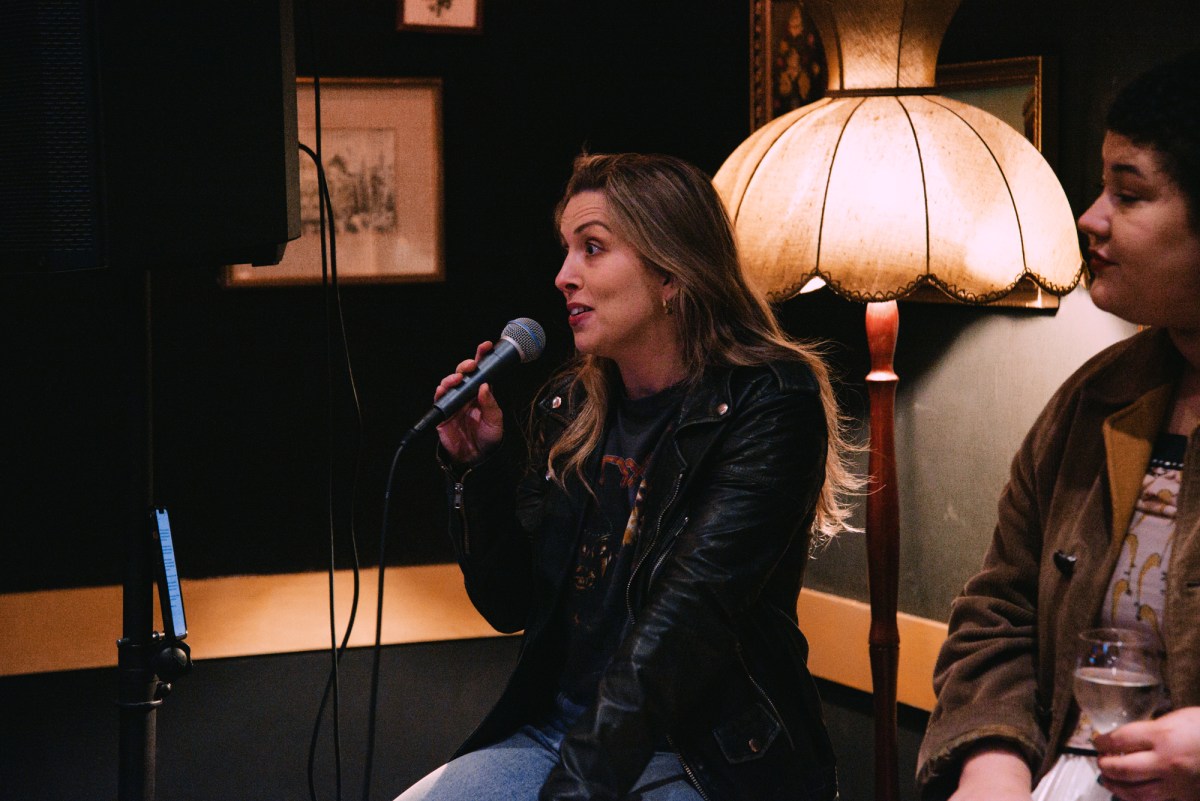
For almost 30 years, Support Act has been there to help music and creative industry workers through difficult times.
Best known for providing crisis support, counselling and financial assistance to music workers, the organisation has evolved into Australia’s leading wellbeing organisation for the creative industries, offering mental health support, workplace training, a national Wellbeing Helpline, and evidence-based resources tailored to the realities of creative work. There are also dedicated support services tailored to meet the needs of First Nations music and creative industry workers.
‘Support Act will always be here to support creative workers in crisis,’ says psychologist Dr Ash King, who designs and facilitates Support Act’s mental health programs and events.
‘That is our core purpose and the reason we exist. Every day, we support people experiencing financial hardship, mental health challenges, distress, trauma, grief, burnout, and periods where work or life has become incredibly difficult to navigate.
‘At the same time, one thing we know about mental health is that people often don’t reach out until things have become overwhelming.’
Very often, this means they are already feeling burnt-out, isolated, in conflict at work, struggling financially, and still unsure where to turn for help. In the last year alone, the Wellbeing Helpline has provided more than 2000 hours of counselling – all free and confidential.
‘What we’re seeing across the creative industries is a growing recognition that mental health isn’t only about what happens in moments of crisis,’ Dr King says. ‘Workplace culture, the workload, relationships, psychological safety and access to support all shape wellbeing, and can influence whether someone reaches crisis point in the first place.
‘That’s why we have expanded to include practical training and workplace support.
These services are not there to replace the crisis care, but to strengthen pathways into help-seeking and to support people who are experiencing, or at risk of mental ill-health.
‘It’s about equipping creative workers and workplaces with practical skills to better respond when psychosocial challenges arise.’
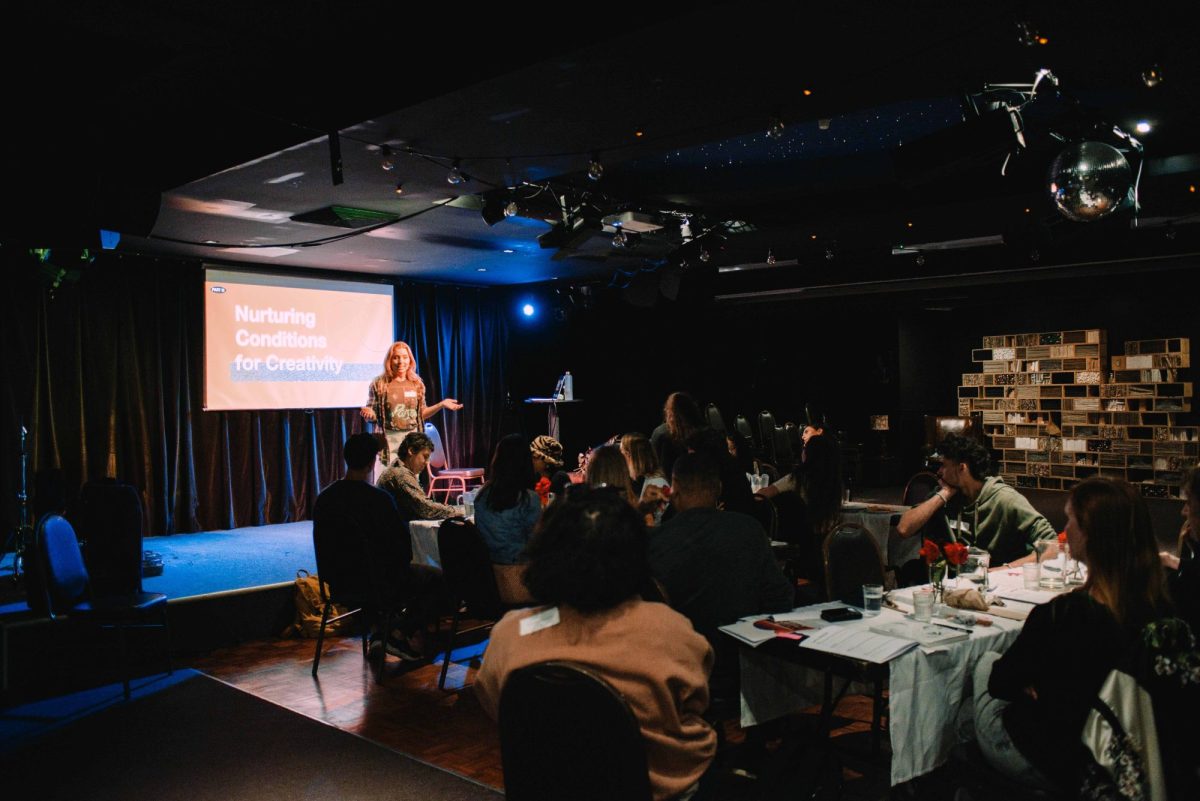
Support Act: dealing with specific challenges
Dr King acknowledges that creative environments are often passionate environments. Being in a creative workplace can bring its own challenges such as tight timelines, an unrelentingly fast-pace, working with big personalities, public-facing pressures, and the inevitable times when tensions run high.
These are very often situations where people need solid day-to-day skills that they can rely on, such as how to handle difficult conversations or what to do when a colleague is feeling distressed.
‘Programs like LEAD WELL, HEARING THE HARD STUFF, DE-ESCALATION, and our MINIs are designed to meet people where they actually are,’ Dr King explains. ‘They’re practical, psychologically informed, and tailored to creative workplaces.
‘The focus is less on abstract wellbeing ideas and more on giving people tools they can use immediately in real situations.’
Support Act: working with organisations
MONA and DARKLAB are two high-profile arts organisations who have worked successfully with Support Act.
‘They recognised that the work can be incredibly rewarding, but also intense,’ Dr King says. ‘They were really proactive in wanting to better equip staff with practical psychosocial skills, particularly around managing workplace pressure, de-escalating heated situations, and navigating difficult interactions with more confidence and care.
‘What I appreciated was that it wasn’t about reacting to a major issue; it was much more forward-thinking than that. It was a recognition that if people are working in high-pressure environments, then giving them good tools for communication, regulation and conflict management is just good workplace practice.’
Dr King is realistic about the pace of change, saying that ‘workplace culture doesn’t shift overnight’; even so, she’s confident that change is happening.
‘It has been really heartening to see a growing willingness across creative industries to take mental health and psychosocial safety more seriously,’ she says. ‘We’re seeing more organisations ask proactive questions, invest in training, build manager capability, and think more carefully about the kinds of environments they’re creating.’
Interestingly, Dr King says one of the most significant changes is around the language people use when talking about these workplace issues.
‘Teams become more confident having conversations about stress, burnout, workload or wellbeing earlier, before things spiral. There’s also a growing understanding that mentally healthy workplaces aren’t just good for people, they’re good for creativity, retention and sustainability too.
‘These industries rely on people being able to keep showing up. Looking after mental health helps make that possible.’
MusicNSW, the state’s leading advocates for the contemporary music industry, are enthusiastic about the work of Support Act.
‘We’re proud to formalise a partnership with the good folks at Support Act, enabling access to an industry specific Employee Assistance Program, along with a schedule of regular mental health and wellbeing training for our entire team,’ says MusicNSW managing director Joe Muller.
‘For an organisation that works across the state, and alongside artists facing real pressures, having support in place, and building our own capacity to meet the needs of the artist community, is incredibly important,’ he says.
While Support Act has its roots in the music industry, it expanded its focus to the full gamut of the creative industries as a response to the COVID pandemic.
‘Our goal is to ensure that all creative industry workers have access to the mental health support that they need,’ says Clive Miller, Support Act CEO.
‘In our recent submission to the Revive National Cultural Policy, we sought to demonstrate that wellbeing support is not supplementary to the cultural sector; it is part of the human infrastructure that enables artists and creative workers to sustain long-term careers.’
For most people in the sector – individuals, sole traders and small to medium organisations – there is no charge to access Support Act’s services, with some larger organisations paying a fee for the Employee Assistance Programs.
‘We have engaged with some really wonderful individuals, organisations, and peak bodies over the past year, and delivered our programs and services in all States and Territories, and we look forward to continuing that outreach,’ Miller says.
‘We are also looking forward to our First Nations team leading the First Nations Music Industry Review over the second half of this year, with their report expected in early 2027.’