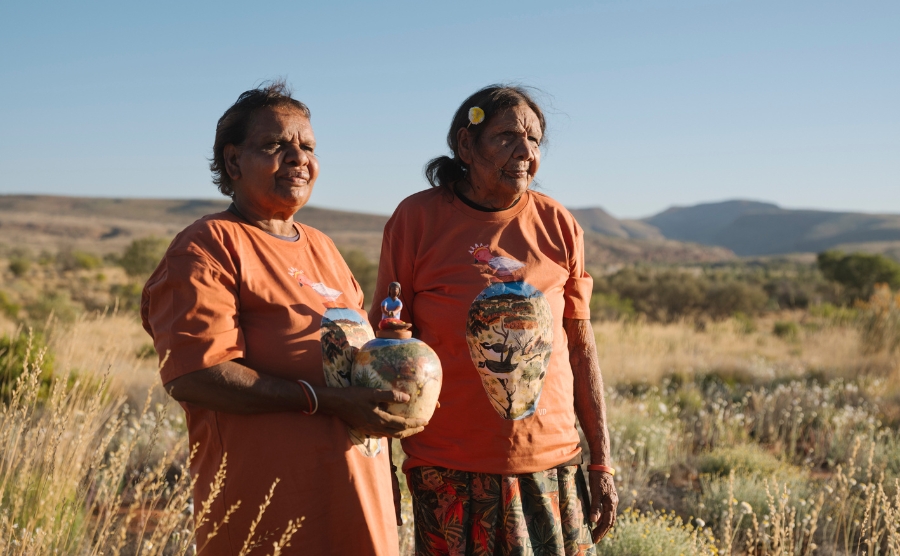
The acclaimed Darwin Aboriginal Art Fair returns this August for a very special 20th anniversary event. Held on Larrakia Country, the art fair is a vibrant meeting place of culture, creativity and community, bringing together artists, designers and performers from Indigenous communities across Australia.
DAAF began in 2007 with just 16 art centres exhibiting. Since then, it’s grown into the nation’s largest Indigenous art fair, with 75 Indigenous-owned art centres representing over 1800 artists and more than 100 language groups. Despite this remarkable growth, the vision behind the fair remains the same: to celebrate and strengthen Aboriginal and Torres Strait Islander arts and cultures while supporting artists’ communities.
Unlike commercial galleries and art fairs, DAAF takes no commission on sales so that 100% of purchases goes directly to the art centres, sometimes contributing up to 25% of their annual income. This means that every purchase made at the fair has a direct and meaningful impact, helping the art centres and the communities around them.
Darwin Aboriginal Art Fair 2026 – quick links
Ethical art collecting
‘DAAF has organically grown and evolved over the past 20 years,’ says Executive Director Claire Summers, who has been part of the organisation since the beginning. ‘We now have a truly national footprint and are recognised globally as the most significant meeting place to celebrate Aboriginal and Torres Strait Islander art.’
She adds, ‘It is our governing structure – being owned and operated by the Indigenous-owned art centres – that guarantees [DAAF] is a place to purchase art work ethically.’
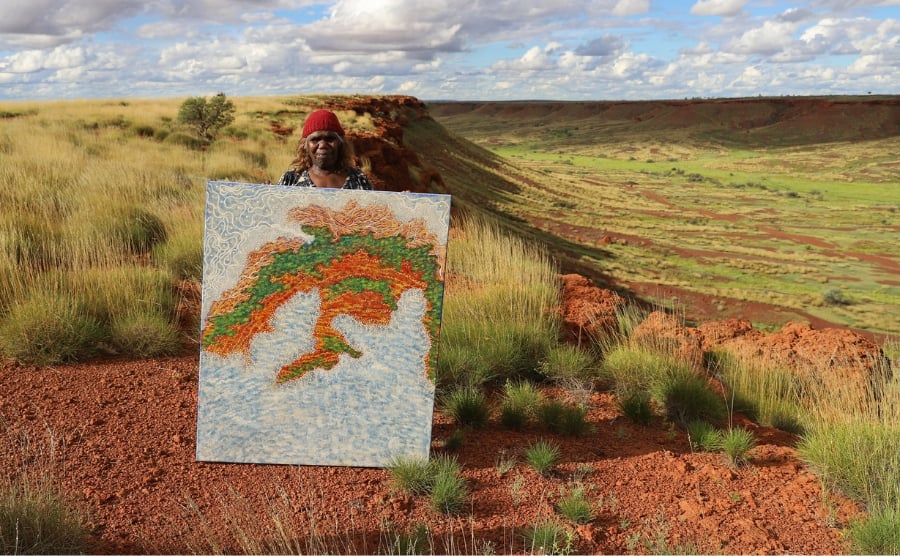
The artworks for sale typically cover a wide range of styles and practices, from bark painting, prints, sculpture and ceramics, through to weaving and textiles, jewellery, fashion and cultural design objects.
The atmosphere across the busy three-day fair is exciting, with artist talks, hands-on workshops, dance performances, masterclasses, weaving demonstrations and family-friendly activities to enjoy. There is a sense of generosity and openness in this grounded and culturally-safe space that makes DAAF unique. It’s a place where conversations, culture and creativity flow together.
If you can’t visit the fair in person, you can still take part online. DAAF’s online art fair provides another chance to view and purchase artworks, and is always hotly anticipated by national and international audiences.
Connecting with culture
Running alongside the art fair, there is also an impressive line-up of cultural performances. This year, that includes the Peppimenarti Dancers, Kerkar Kus Dance Team from Erub Island, the Tiwi Dancers, Manuel Pamkal and an exciting performance from iconic First Nations band Coloured Stone.
Artistic director Simon Carmichael says that these performances bring an extraordinary energy to DAAF, creating powerful moments of connection.
‘Cultural performances are part of the world’s oldest continuing culture,’ Carmichael says. ‘Since time immemorial, song and dance has carried connection to Country, knowledge and story, passing these traditions from one generation to the next.’
Speaking of the 2026 program, he adds, ‘These performances create another way for audiences to experience culture and connect more deeply with the artworks, stories and communities represented across the fair.’
In addition, DAAF visitors are invited to do more than just admire the art in gallery booths. There are frequently opportunities to meet artists in person, to hear the stories behind their works and gain a deeper insight into the communities, traditions and cultural knowledges that inspire them.
While the fair is a place to connect and learn about artists and their cultures, communities and Countries, it’s also become a vital meeting point for the artists themselves too.
‘One of the most incredible impacts of our events is how we cultivate community,’ says Summers proudly. ‘There is such power in bringing people together in this inclusive environment. There is networking between artists and buyers, but we also enable important peer-to-peer connections.’
Celebrating Indigenous fashion
Adding to the excitement of this year’s milestone event is the return of the successful fashion events hosted by Indigenous Fashion Projects. They’ll be held over the four days leading in to the fair, making a full week of activities and celebrations.
The acclaimed Country to Couture events will take place across two glamorous evenings, showcasing the best in First Nations’ fashion and textile design. The presentation of the prestigious National Indigenous Fashion Awards will also celebrate the talented creatives shaping the future of Indigenous fashion in Australia and beyond. These events have helped cement the careers of many First Nations designers, artists and models, while also shining a spotlight on fashion grounded in culture and storytelling traditions.
Marking 20 years by looking to the past and the future
Nurturing new talent is very much at the heart of DAAF, says Carmichael. ‘I think it’s really important for young and emerging artists to believe in themselves and to see what’s possible,’ he says. ‘When they come to the fair, they can see artists, stories and communities reflected back to them and hopefully feel inspired to share their own voice and creativity.’
The 20th anniversary is a time for both celebration and reflection on DAAF’s enduring purpose. As Summers says, ‘Since its inception, DAAF has proudly represented authentic artwork from thousands of artists and designers to bring ethically produced, contemporary Aboriginal and Torres Strait Islander art to audiences in Australia and across the globe.’
She adds, ‘Over the past two decades DAAF has used its platforms to provide a place for reconciliation and connection. We are creating spaces for conversation and places for learning.’
As DAAF marks two decades, it’s clear the fair’s longevity and success stems from this ongoing commitment to being a proudly community-driven, artist-led event, deeply connected to culture.
The fair’s impact continues to grow. In 2025, DAAF achieved its highest sales record yet, securing over $5 million and continuing an extraordinary five-year streak of generating more than $4 million annually for participating art centres. Over the past decade alone, the fair has seen more than $34 million go directly into the Aboriginal and Torres Strait Islander arts sector.
‘What began as a humble gathering in a hotel ballroom now commands the entire Darwin Convention Centre to bursting point!’ Summers says. ‘Every year art centres tell us how important DAAF has become to their communities, to promoting their art and to elevating their voices and stories in a spectacular but grounded and culturally-safe space.’
It’s a powerful testament to the importance of the ethical art fair and community-led enterprise, and DAAF’s 20th anniversary edition is set to be the biggest and most exciting celebration yet. Whether you attend in person or explore the fair online, it will be a unique opportunity to experience the strength, innovation and diversity of contemporary Aboriginal and Torres Strait Islander art and culture, while directly supporting communities and artists.