
Australians, in no small numbers, love reading. But they’re not reading as much as they would like because of barriers that keep them from the books they want to read.
Survey results suggest millions of Australians read less than they intend to, while a quarter of children don’t get a bedtime story and one in three students struggle to read proficiently. The growth of social media use has also heightened the need for quality reading material
One of the ideas put forward in recent submissions for the next National Cultural Policy is a national reading campaign to address some of these issues and help ensure that all Australians can access the social and educational benefits of reading. Authors, publishers, library bodies and children’s literacy advocates all called for national action.
National reading campaign – quick links
- What is the state of reading in Australia?
- How could a national reading campaign help?
- We’ve done it before (and we can do it again)
What is the state of reading in Australia?
For Australians of all ages, there are substantial barriers to reading more.
Ideally, reading begins in early childhood and the benefits of reading aloud to children are now well-documented. Yet 25% of Australian kids don’t get a bedtime story, meaning they miss out on vital language and literacy skill-building, start school behind their peers and don’t get the opportunity for valuable one-on-one attention from their parents.
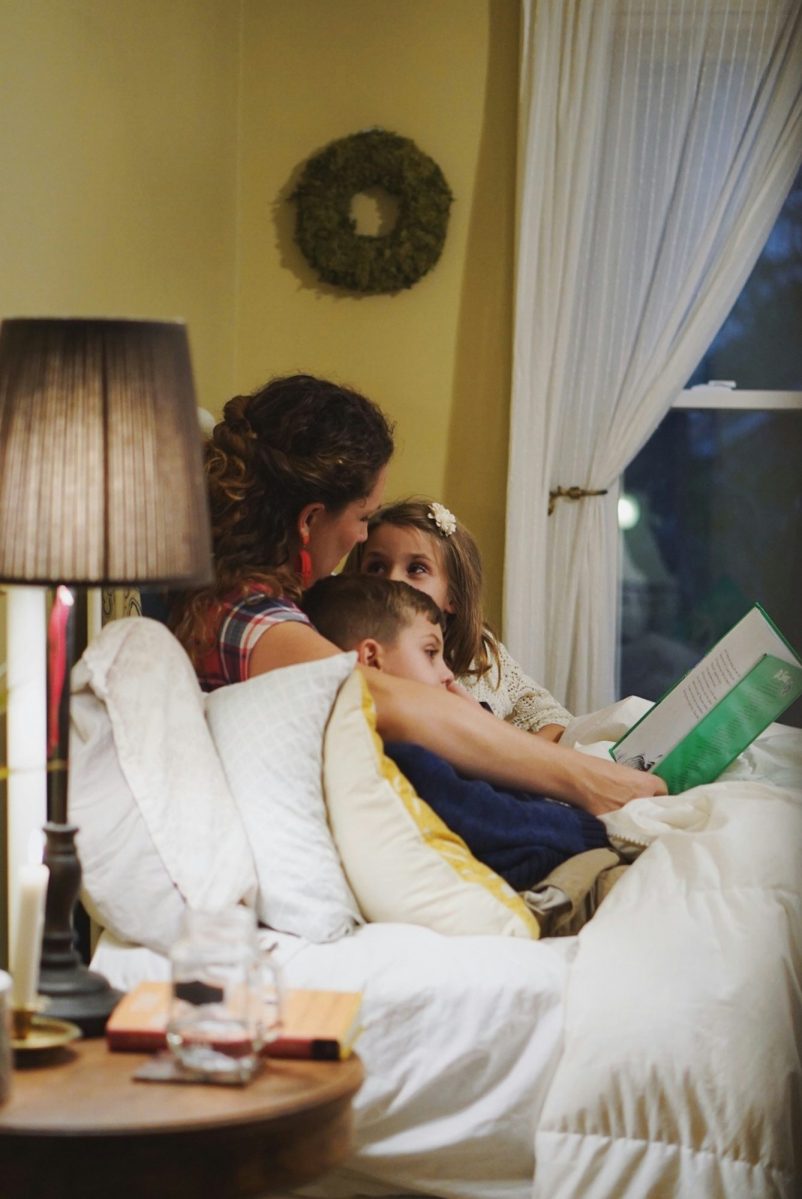
On the other hand, a lifelong love of reading can be created at this time.
For school-age students, a third of Australian children can’t read proficiently. Independent think tank the Grattan Institute has calculated that the economic cost of students lacking reading skills is an astonishing $40 billion over their lifetimes, with those affected more likely to disrupt class and end up unemployed.
A significant number of Australian adults would like to read more. More than half of those who do read regularly (54.9% of this group) and almost half of non-readers (49.8%) report reading less than they intend to.
The mental health benefits of reading for pleasure are considerable, with studies showing that those who read regularly enjoy a greater sense of connection, lower stress levels, better sleep and even lower rates of dementia.
How could a national reading campaign help?
A national campaign could make reading more accessible by tackling the cost barrier, strengthening libraries and bookshops and making a concerted effort to promote reading.
The National Reading Survey identified cost as a major barrier to reading more, with 38% of general readers saying that books were ‘too expensive’.
This is where a national reading campaign could come in, improving access to books with a voucher scheme or heavily subsidised books (ideally across a diverse selection of Australian titles) that would help more Australians access reading material.
Libraries (including school libraries) are another vital part of the cultural infrastructure. Increased funding could allow them to serve more Australians, with broader collections, more digital resources, more access for regional Australia and longer opening hours.

A comprehensive national campaign should also reflect the importance of bookshops as venues capable of strengthening the social fabric, not just a place to buy books. The campaign could increase the capacity for these shops to host book clubs, author talks, workshops and children’s story-time sessions.
Promotion would be a key part of a national campaign. A comprehensive campaign could be staged not just in environments already associated with reading, such as schools and libraries, but across television, social media, workplaces and even sporting arenas.
Well-judged promotion could help people become aware of, and get more value from, existing assets, like library collections. There could also be specific promotions that target demographics such as men aged 15 to 24, who are reading less than ever before.
A successful campaign would have massive flow-on impacts for the creative industries, with a coordinated policy response and increased funding representing a vote of confidence in the sector.
A campaign would return literature to the spotlight and have a massive economic impact for Australia’s chronically underpaid writers, starting with more book sales and increased opportunities for authors to advocate for literature, run workshops, give readings and appear at book clubs and festivals.
A national reading campaign: precedents
There are precedents for national reading campaigns that have moved the needle: a pair of linked campaigns in Italy delivered more than 1.4 million new books to school libraries and has been credited with shifting perceptions of reading, while Scotland’s Read, Write, Count, which included book bags for primary school students, has substantially increased enthusiasm for reading.
In Australia, well-resourced and slickly marketed national campaigns like Slip, Slop, Slap and Stop, Revive, Survive have significantly improved outcomes on skin cancer and road safety, respectively.
Imagine a similar campaign for reading, and the impact it could have. As the Australian publishing industry coalition (comprising Australian Booksellers Association (ABA), Australian Library and Information Association (ALIA), Australian Publishers Association (APA), and Australian Society of Authors (ASA)) Books Create Australia wrote in its National Cultural Policy submission: ‘A nation that regularly reads quality books, serials and learning materials is healthier, happier and smarter.’