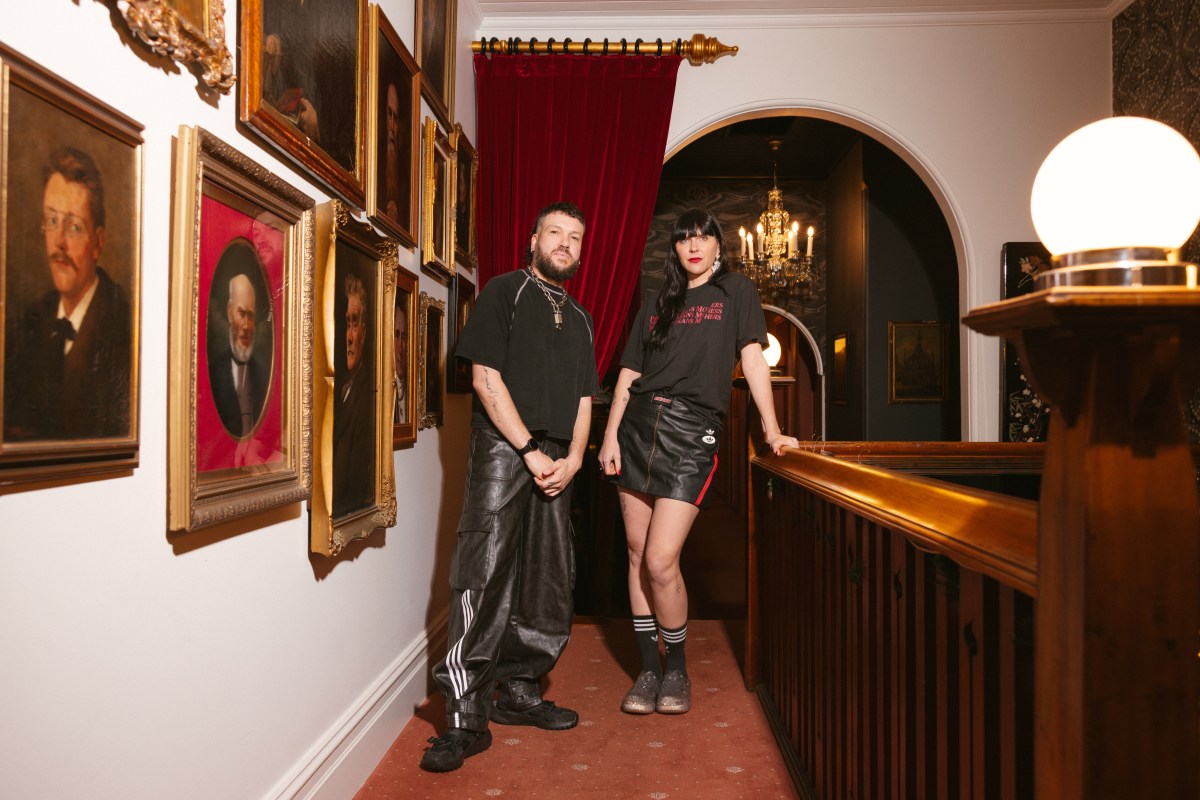
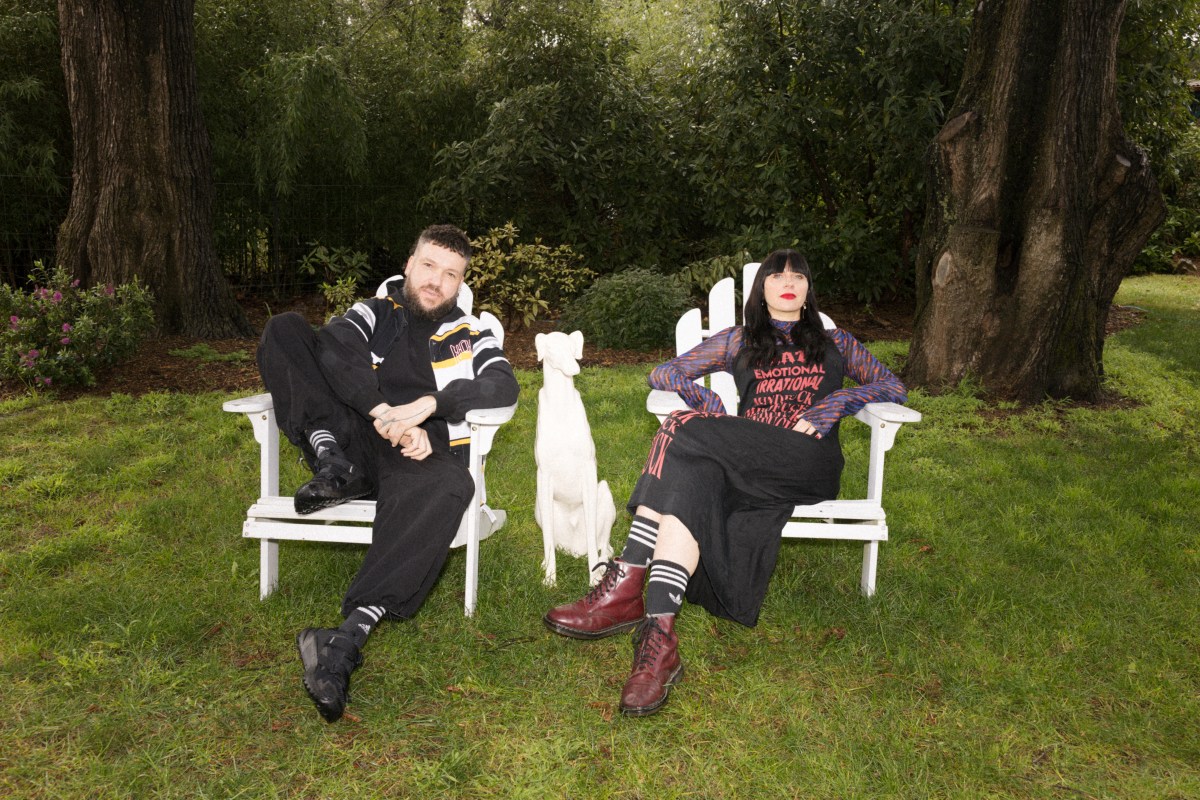
If you’re partial to exploring arts festivals and funky niche events in Australia, chances are you’ve encountered the work of independent producers Sam Watson-Wood (Friends with Strangers) and Thom Smyth (Unfunded Empathy).
Between them, they have worked across major cultural events, as well as in experimental performance, contemporary art and queer nightlife, each building a reputation for bringing artists together, making unexpected things happen, and finding new ways for audiences to experience culture.
With the launch of Superposition, which runs 26 to 29 November, they’re bringing those instincts to a new regional multi-arts festival that stretches from Penrith to the Blue Mountains, and promises a program as varied as its geography.
Superposition Festival – quick links
100 artist let loose in the Mountains
Over the four-day festival, audiences can encounter everything from an adrenaline-fuelled jet-ski stunt ballet on the Nepean River by award-winning choreographer Amrita Hepi – presented as part of Portal Penrith Lakeside, an epic free outdoor concert headlined by rising hip-hop sensation Miss Kaninna – through to Soda Jerk’s Roo Wave TV, which takes over a converted community hall to present a program of experimental cinema.
Initially envisaged as a pilot project, Superposition has grown into something considerably bigger. Three years of relationship-building, consultation with local artists and Indigenous community, more than a few ambitious ideas and a willingness to take a punt later, the inaugural festival will engage 100 artists across 58 events.
But the scale is only part of the story. With a program spanning contemporary art, experimental performance, music, workshops, parties and site-specific installations, Superposition is an attempt to rethink what a regional festival can be – and who gets to feel part of it.
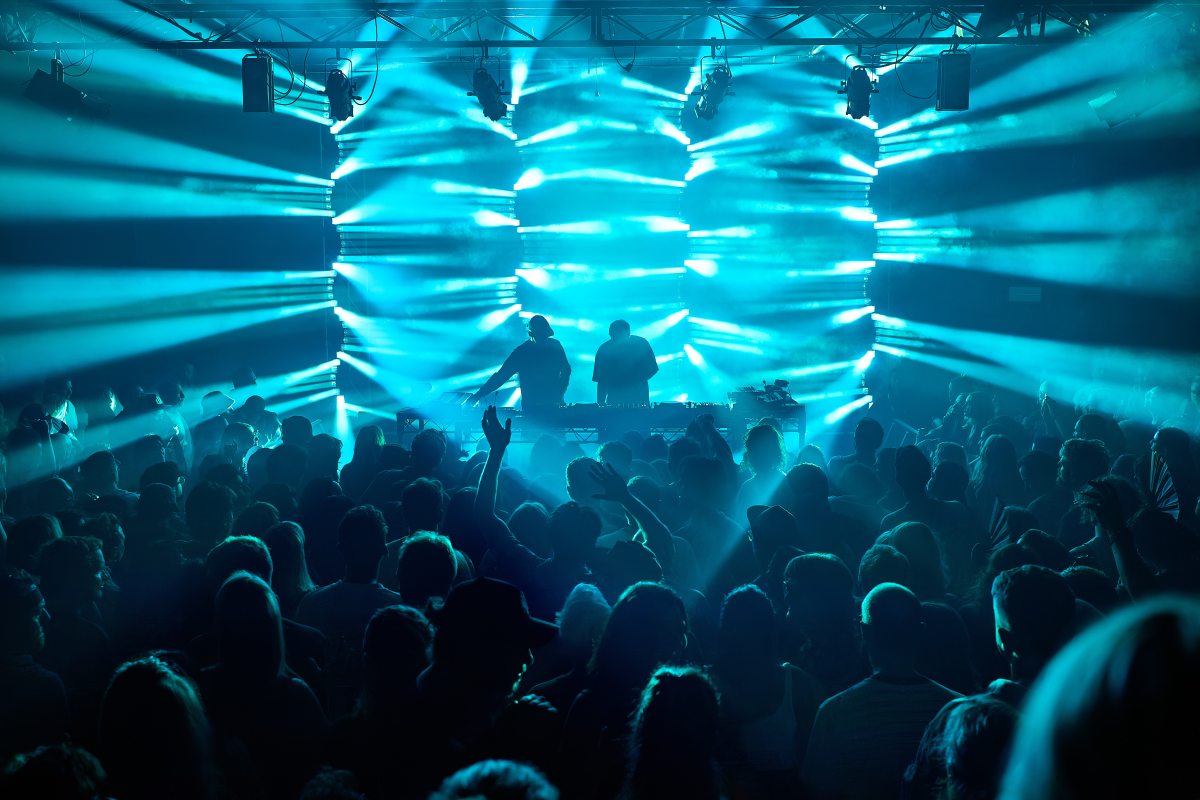
‘We wanted to create a container of hope and regeneration,’ Watson-Wood tells ArtsHub. ‘We sit amongst deep chaos within the world, and we wanted to sit within the trouble of that, but also create something hopeful.’
It’s a festival that invites people to find their own way through the program – whether that’s to party, to encounter something unexpected, or simply to spend time with nature or other people in a different kind of setting.
That openness is central to the philosophy Watson-Wood and Smyth bring to producing. Both are interested in creating the conditions for artists to push at the edges of what’s possible, while taking seriously the needs of the people making and experiencing the work.
The festival’s ‘vibe’ is set to be reminiscent of a mix of the immersive, experiential programming of the early days of Dark Mofo, or contemporary Tasmanian festival The Unconformity, with the deep engagement with landscape and nature that you’d find at a regional arts centre like Bundanon Art Museum, and the artist-centred and community-driven approach of Cementa, a biannual event held in Kandos in Central New South Wales.
From visual arts to performance, parties, and more
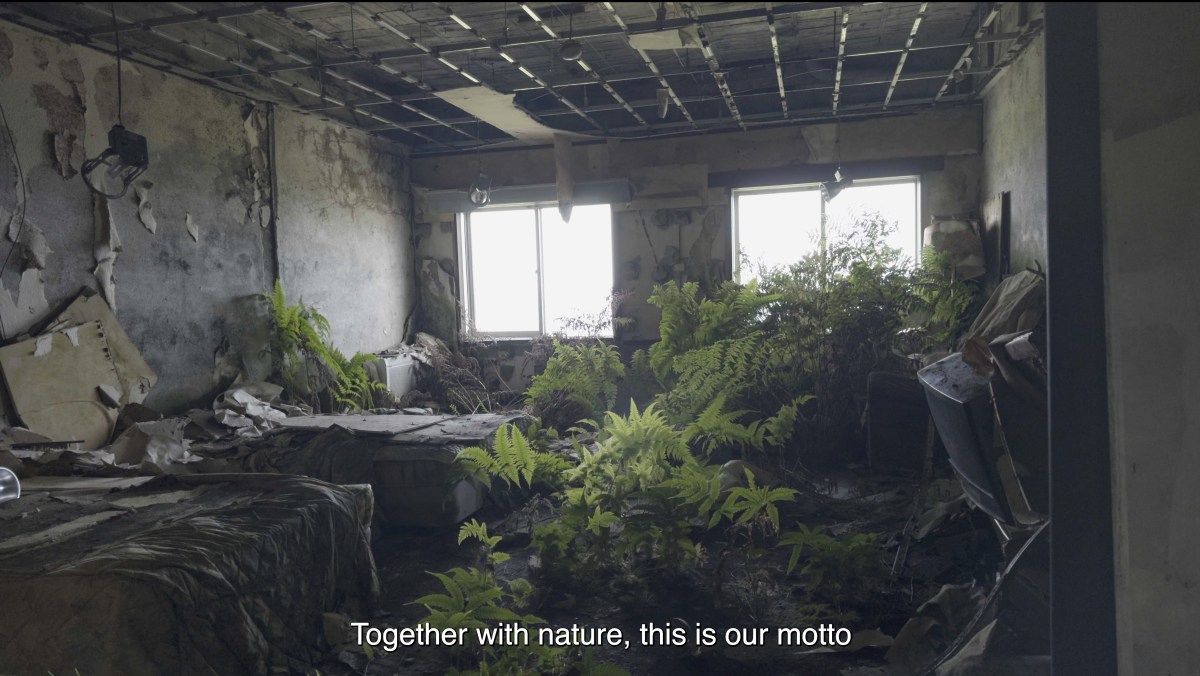
Among the highlights are Luxury Problems, a new work by internationally celebrated Blue Mountains-based artists Claire Healy and Sean Cordeiro, a site-specific video installation that documents the abandoned hotels of Hachijojima, Japan; and Homo House, a creative takeover and party program at Mount Victoria’s Victoria & Albert Guest House, developed in collaboration with Taiwanese queer art collective Homopleasure.
Other offerings include Bimiibigang Gedumba, a Welcome to Country ceremony at Echo Point featuring a special performance over the escarpment by Wiradjuri soprano Shantai Sherree (the first time the site has been used for a public performance) and a curious 24 hour distributed drone performance from the Blue Mountains Void Observance League, which Smyth describes as a ‘continuous low-frequency sound experience that runs from midnight until midnight’.
You’ve also got celebrated Mountains-born alternative electro pop group Haiku Hands curating Block Party, a huge Friday night street party in a purpose-built open air venue in Katoomba featuring a bunch of local acts, followed up on Saturday with an exclusive hometown performance from another break-out local act at Block Party feat. Hermitude.
At the other end of the spectrum, Urban Theatre Projects will premiere She Rested by acclaimed artist Aimée Falzon at The Joan in Penrith, a beautiful song cycle that holds a mirror to the raw, sacred truth of becoming a mother.
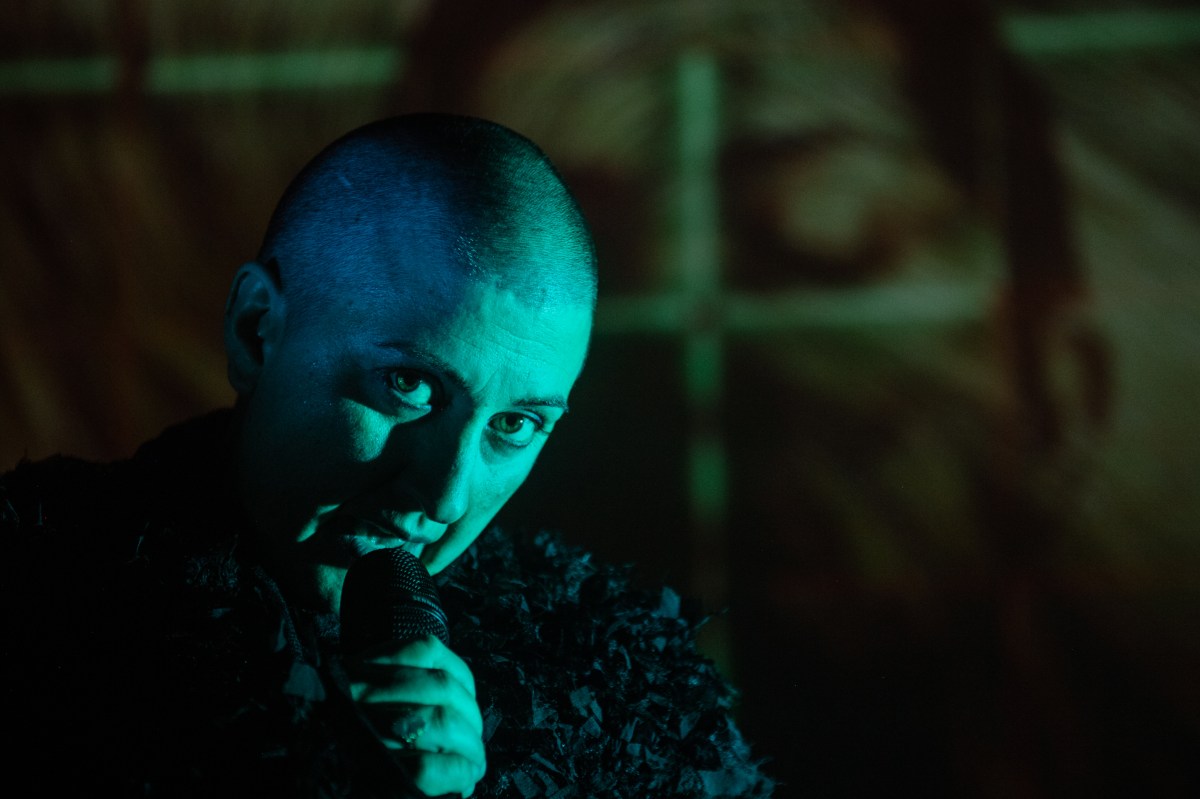
It is an eclectic mix, but one united by the producers’ interest in creating experiences that respond to their surroundings.
‘It was meant to be a pilot festival,’ Watson-Wood says. ‘I just think I always accidentally go too big.’
Quantum states of possibility
Both producers bring considerable experience to the project. Watson-Wood’s background spans cultural programming and major events, including Sydney Contemporary, Performance Space and Art Month Sydney. Smyth has worked extensively with experimental performance, developing cult events like Queer PowerPoint and producing work with independent artists including Amrita Hepi, Betty Grumble and Paul Mac.
Superposition brings together many of the strands of their respective practices: unusual spaces, ambitious artistic programming and opportunities for audiences to experience work outside conventional arts settings.
As Smyth puts it: ‘If you want to come and just party, you totally can. But there’s also a whole bunch of other things available through the program.’
The festival’s name gestures towards the possibility of multiple states and ways of being existing simultaneously – an idea that informs both its programming and its approach to audiences.
The program ranges from intimate, one-person-at-a-time performances, to large-scale public events, free and ticketed shows, come-and-go installations, workshops, exhibitions and late-night parties.
‘At a time when things feel kind of preordained or algorithmic, we like the idea that there are a lot of things happening, and there are different ways to experience it,’ Smyth says.
Filling a gap in the festival ecology
The ambition isn’t to compete with NSW’s existing festivals. Rather, the producers see Superposition as complementing an ecosystem that has become increasingly difficult for independent and experimental creatives.
‘There’s not a whole lot of festivals, particularly [in] the current climate,’ Smyth says, pointing to the challenging conditions in the arts sector and the recent reduction or all-out closure of a number of arts and music festivals.
The opportunity, he says, was to bring different artforms together in a way that encouraged audiences to take a chance on something unfamiliar.
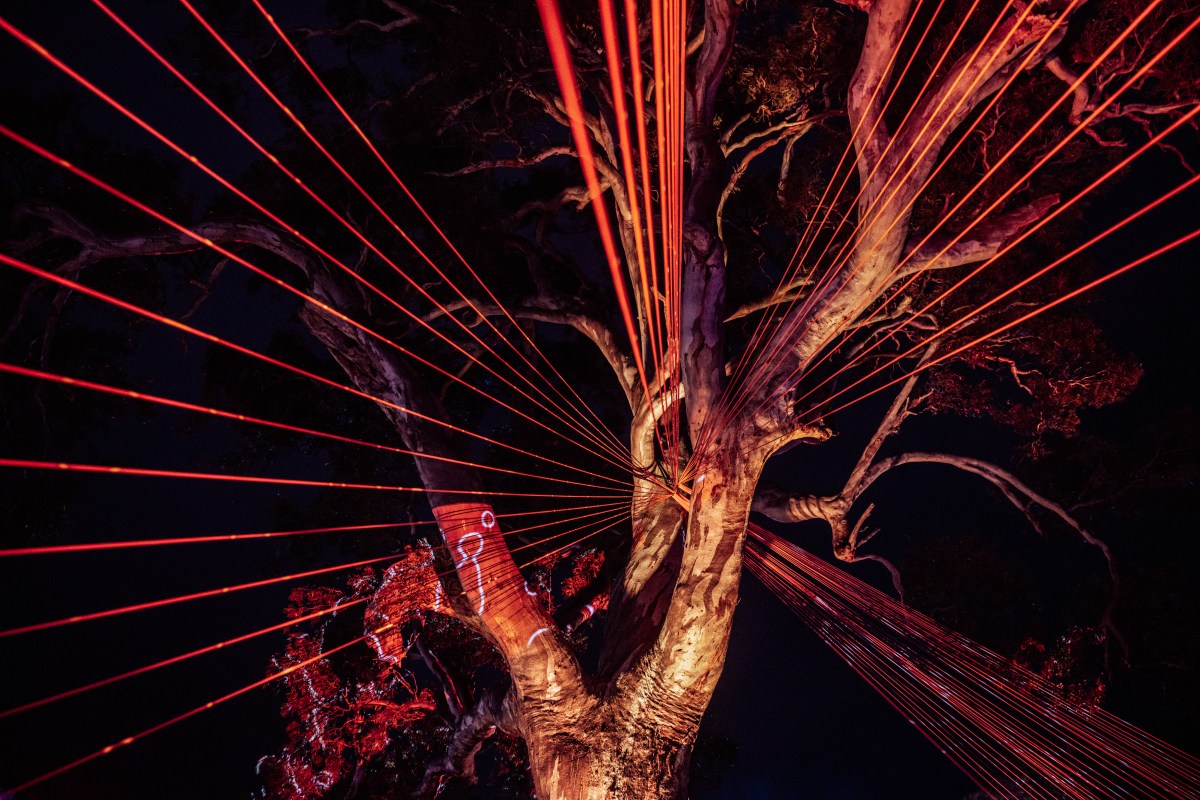
The timing is deliberate here. Rather than running in the traditional winter and summer festival seasons – which in this part of the country are dominated by Vivid Sydney and Sydney Festival, respectively – Superposition takes place in spring, tapping into that seasonal sense of transition.
The geographical footprint is equally considered. Stretching from Penrith in the foothills up to Mount Victoria in the upper Blue Mountains, Superposition is designed to connect communities that don’t always share the same cultural spaces. The goal is for a genuine mix of locals and visitors.
‘It’s not going to be the crowd that you get at other events in Sydney,’ says Smyth.
ArtsHub: Can Sydney Festival really transform the city?
Watson-Wood adds, ‘We didn’t want to just come and plonk ourselves in and be like, here’s the city coming to the mountains.’
That relationship with the region has been developed gradually over the past three years, with the producers regularly visiting the Blue Mountains and consulting Traditional Owners, local artists, cultural organisations, council and community members.
Dharug Elder Aunty Leanne Tobin and Gundungurra Elder Uncle David King have been instrumental in shaping the festival’s approach to Country, cultural protocols and programming.
The Elders’ influence is also felt in the very structure of the festival, after King encouraged the producers to consider the changing qualities of light and the significance of different times of day. That resulted in programming streams that move from dawn through to darkness.
Other locals have also helped Superposition find its form. The iconic Australian fashion designer and longtime Blackheath resident Jenny Kee – famous for her bold, colourful textiles inspired by native flora and fauna – made the producers aware that in this part of the world, ‘the mist is a main character’. It was an observation that helped them understand the importance of working with the environment, rather than imposing a predetermined program upon it.
Bringing in a ‘queer methodology’
For all its artistic ambition, Superposition is also an experiment in independent producing.
Watson-Wood and Smyth have developed it from scratch as independent producers, without recurrent organisational funding. Instead, this year’s event has meant piecing together partnerships and project funding, including from Creative Australia and Create NSW.
‘We were just kind of like, I don’t know how you start a new thing in 2026. Let’s try this model,’ Smyth says.
It’s required considerable tenacity, but also careful thought about what makes it into the program and how projects are realised.
The producers are quick to clarify that Superposition isn’t exclusively a queer festival, but both have extensive experience programming queer or LGBTQIA+ centred events, and that informs their approach to community, care and inclusion.
As Smyth sees it, it’s important that the qualities that make queer events meaningful – including a spirit of gentleness, openness and a willingness to challenge expectations – are not siloed or withheld from the wider arts and cultural landscape.
Watson-Wood says they are borrowing a kind of ‘queer methodology’ – a framework for thinking about how spaces are created, the expectations they might challenge, and the care required when asking people to work within them.
‘Models of care and breaking the rules of what something can be [are] not limited to the queer community,’ she adds.
What comes next?
Smyth and Watson-Wood see Superposition as more than a one-off event. They are already planning an artist lab for March next year, similar to one held earlier in 2026. Bringing together around 30 artists from across the region, Australia and internationally, the three-day gathering will provide opportunities for conversation, exchange and the development of new work.
That model of bringing artists into a place, building relationships and allowing projects to emerge from those encounters is central to the pair’s longer-term vision for Superposition.
Watson-Wood says the original plan was to stage the festival every two years, but interest in future programming is already prompting them to reconsider.
For now, the immediate ambition is simply to bring people together and create the conditions for unexpected encounters. And perhaps that’s the most interesting proposition of the new festival: not simply bringing more arts programming to a regional area, but creating different kinds of spaces in which artists and audiences can imagine what else might be possible.