Sydney Festival has always been about more than what happens on stage. But for festival director Kris Nelson, its ability to reshape the city itself – inviting people to gather, play and encounter art in unexpected places – is becoming increasingly central to its identity.
The 2027 program, Nelson’s second since taking the reins, puts that ambition into practice with large-scale public art projects that will turn Sydney’s waterfront and western suburbs into places of spectacle, participation and cultural exchange.
From old cars transformed into plunge pools and hot tubs, to a sky filled with kites carrying children’s wishes, the program invites audiences to experience familiar parts of Sydney differently. It also reflects Nelson’s vision for a festival that connects local artists and communities with exciting international work, while creating room for experimentation and new artistic possibilities.
‘I want the city to feel alive because the festival’s happened,’ he tells ArtsHub. ‘I want the city to feel inspired.’
Kris Nelson on Sydney Festival 2027 – quick links
Making a city-sized playground
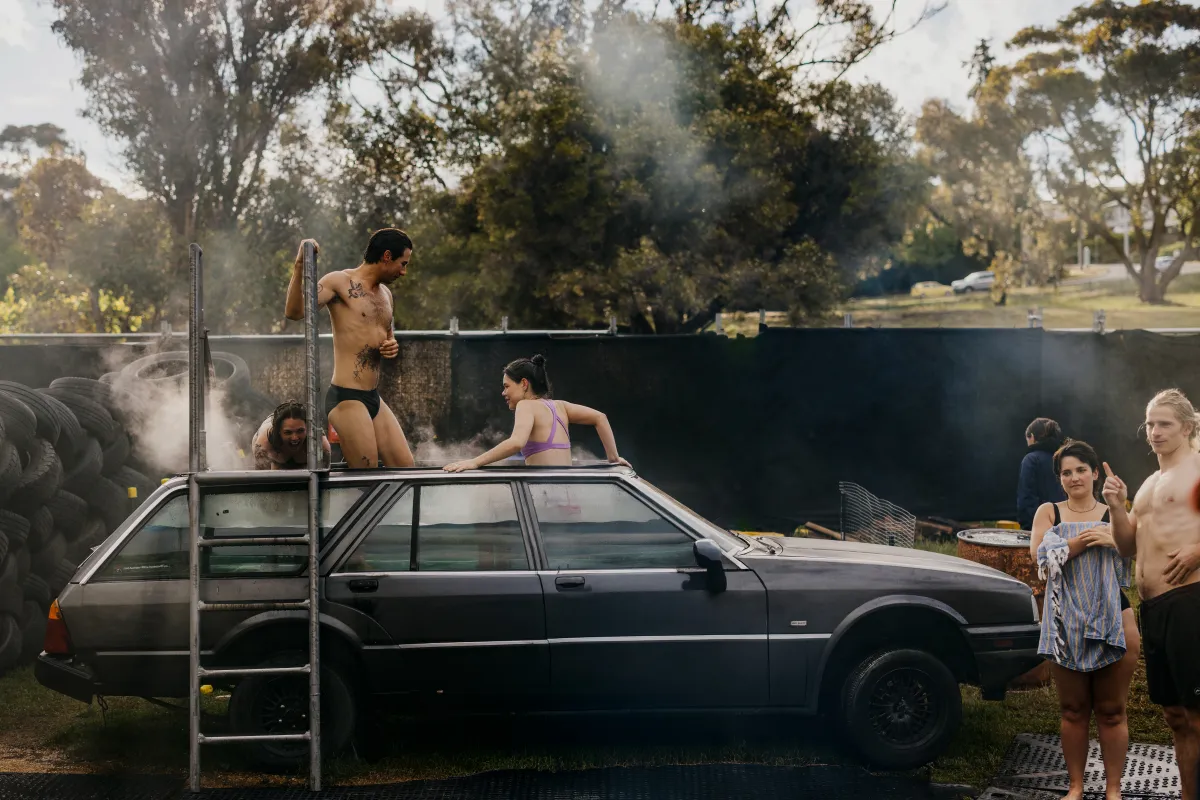
Among the program’s most distinctive projects is waynapuni pools, a First Nations-led installation at Barangaroo Reserve that transforms discarded cars into bathhouses, saunas, steam rooms and plunge pools.
Participatory artist and industrial designer Benjamin Paul (Tasmania) will work with local and Palawa teenage artists to turn industrial scrap into spaces for bathing, gathering and ceremony.
The project promises an unlikely collision of cheeky ingenuity and cultural significance at a site with deep importance to First Nations people, intersecting Barangaroo’s pre-colonial history with it’s more recent industrial past and transformation into a public park.
For Nelson, the installation’s layers of meaning are part of its appeal: a new generation of First Nations artists reimagining the site through both play and ceremony.
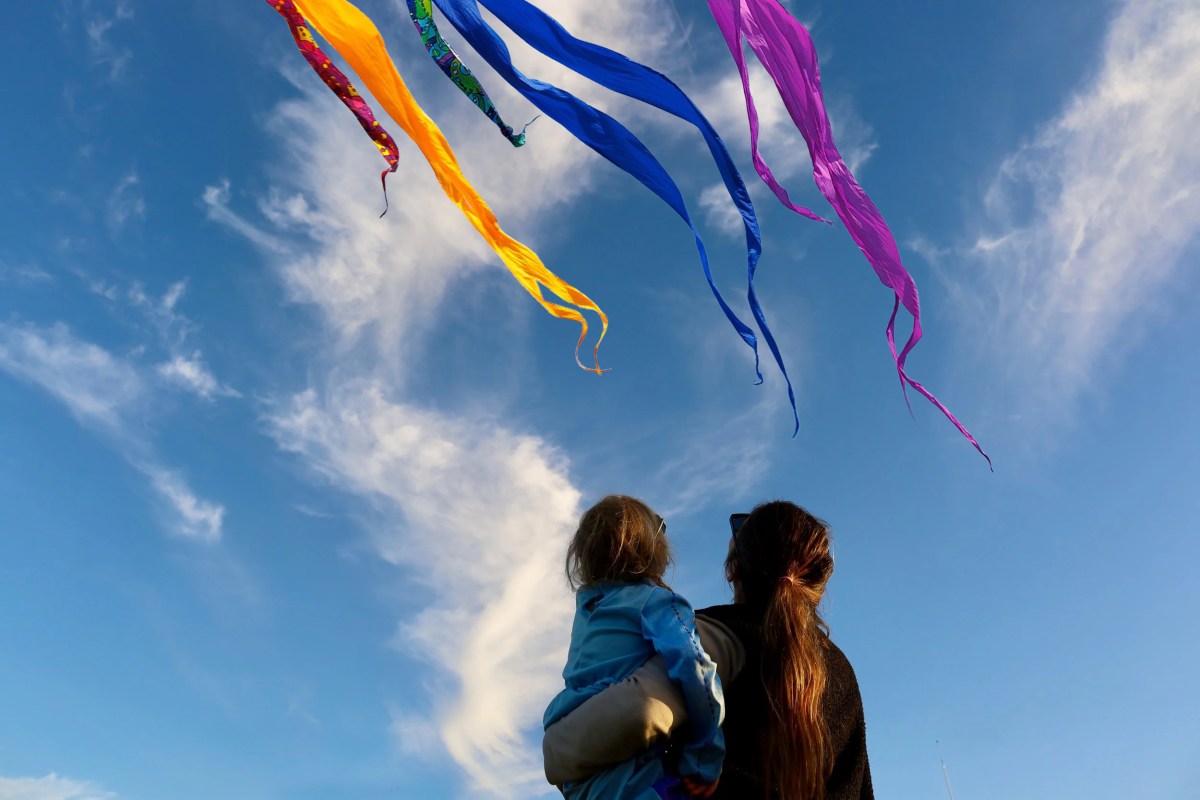
Elsewhere, the world premiere of Kite Choir will fill the Sydney Opera House’s Northern Broadwalk with a large-scale installation by Australian theatre-maker and actor Holly Austin, who is expanding her practice into visual art (you may recognise her as Skye O’Dwyer from Deadloch, or from her appearance in Virginia Gay’s Cyrano for Melbourne Theatre Company).
Huge handmade kites will carry recorded wishes from children around the world, creating a space for audiences to wander, listen and reflect. Free kite-making workshops will invite families to participate themselves.
Nelson is excited by Austin’s move into a new creative form, describing the project as an example of the festival giving artists room to pursue ambitions beyond their established practice.
‘How can the festival be your playground?’ he asks. ‘How can we be the place where you get to try out your amazing ideas, your daring ideas, your ideas at scale?’
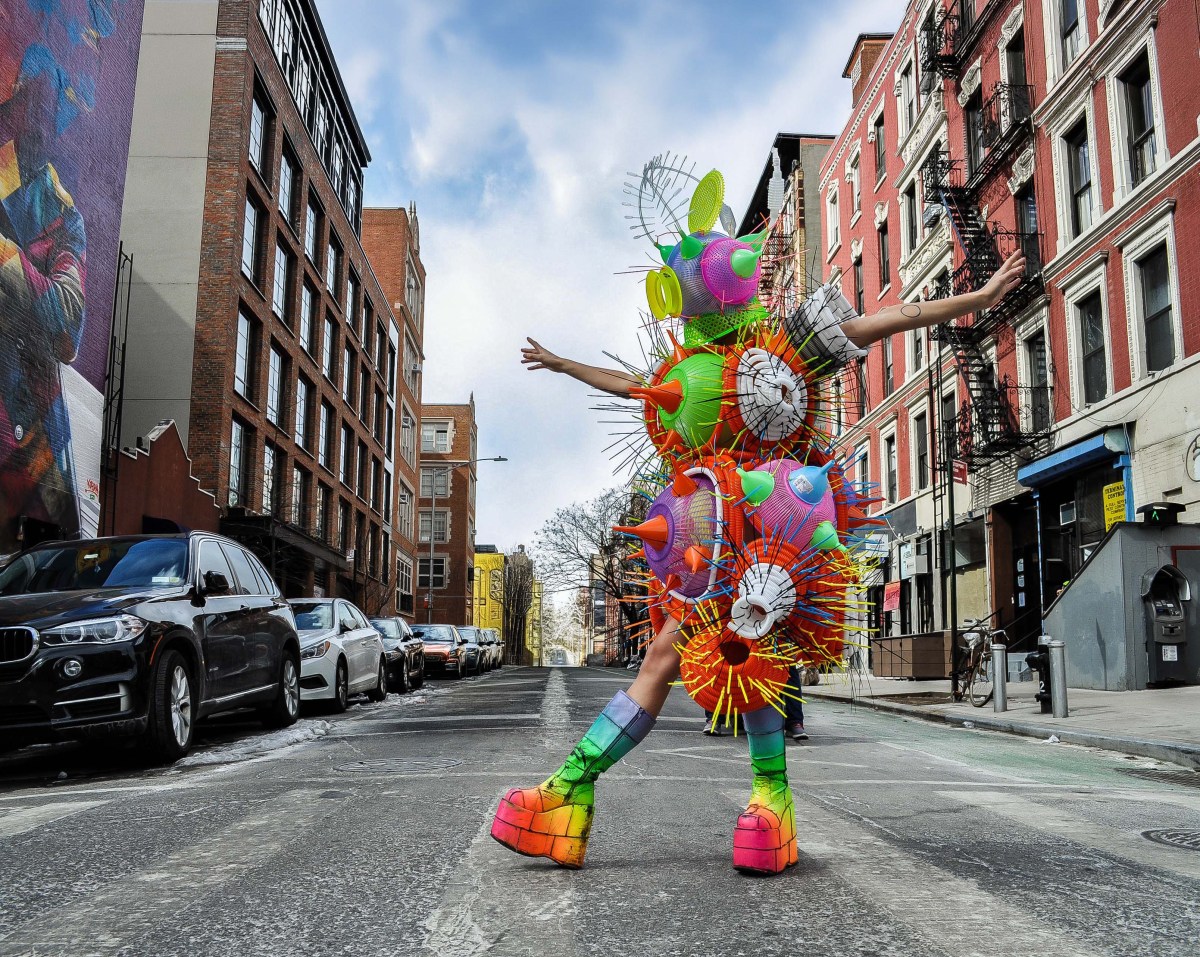
A third project, Future Fiestas, will connect Sydney’s west with its harbourfront through the work of Manila-based artist and designer Leeroy New.
Co-presenting with Blacktown Arts and working with BANG-ON Collective and Blacktown’s Filipino community, New will transform discarded plastics into elaborate costumes celebrating leaders from the local Filipino community. Hands-on workshops will invite families into the creative process before the work spills into a public parade at Darling Harbour.
For Nelson, these projects embody the potential of a festival to be both spectacular and participatory: art that can be watched and admired, but also made and experienced together.

Finding a new festival footprint
These public-facing projects also speak to the changing geography of Sydney Festival. Once upon a time, the festival hub would take over Hyde Park, bringing a large outdoor stage and pop-up venues to a centralised location in the city’s CBD. The City of Sydney banned large multi-day events from Hyde Park after Sydney Festival’s 2020 edition, forcing the festival to seek alternative locations.
The festival hub moved to the wharves of the Walsh Bay Arts Precinct in 2024, offering significant performance venues, cultural partnerships and iconic harbour views – but the crowds didn’t necessarily follow, the message that audiences had the option to wander into an activated arts bar for post-show debriefs getting lost along the way.
Nelson acknowledges the challenge, saying that the move away from Hyde Park has required audiences to develop a different relationship with the event. However, the opening of the Barangaroo Metro Station in time for the festival’s 2025 edition has significantly improved public access to the Walsh Bay hub, as well as festival activations at the adjacent Barangaroo Reserve.
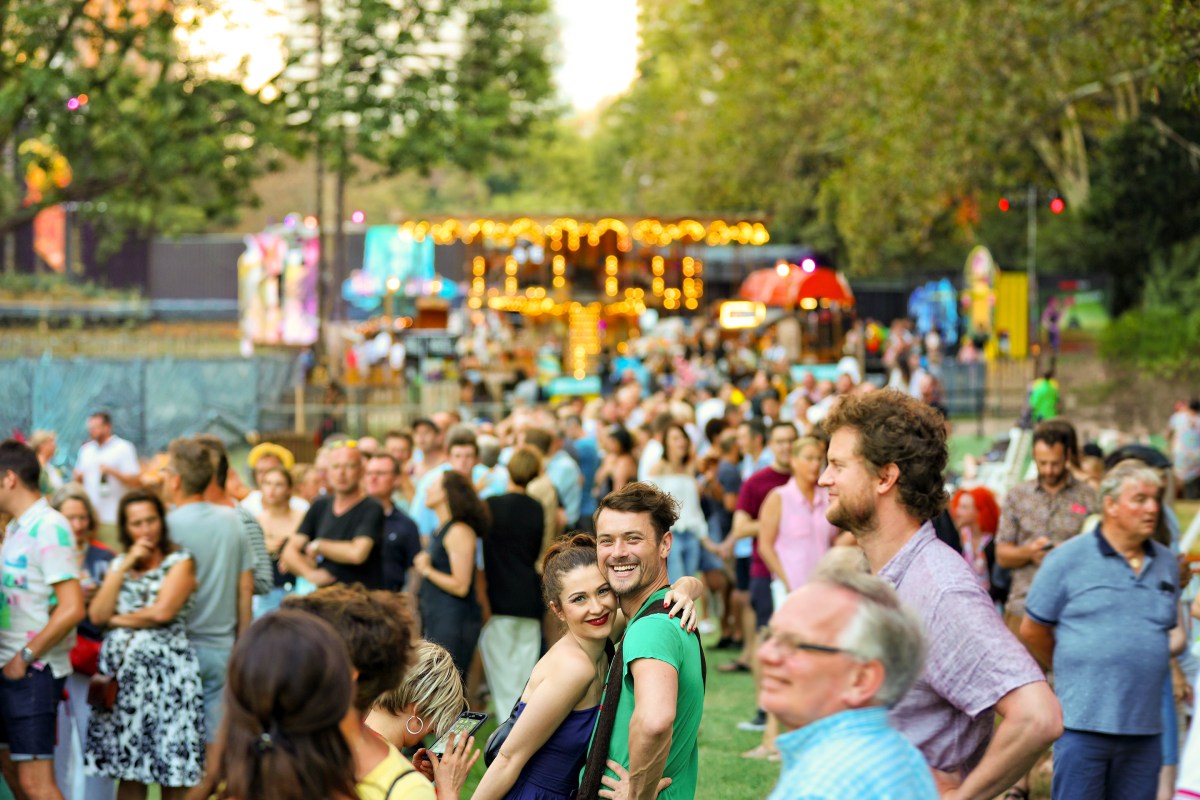
The 2027 program seeks to make those connections more tangible through The Yard, a free outdoor festival hub returning to Barangaroo Reserve from 8 to 24 January. Bringing together pop-up restaurants, art and a harbourside gathering space, it is designed to encourage audiences to stay before and after performances, or simply make an afternoon of exploring the festival.
Visitors will be able to see a performance at The Cutaway, head up into the park, visit waynapuni pools, and settle in for food or a drink overlooking the harbour.
‘I think it will unlock the precinct in a new and exciting way,’ Nelson says.
The ambition extends beyond the harbourfront. Through projects such as Future Fiestas and a new collaboration between Western Sydney hip hop group ONEFOUR and the Penrith Chamber Orchestra, the festival is also connecting communities across Greater Sydney, recognising that the city’s cultural life is not confined to its traditional arts precincts.
A global city, with local artists at its heart
International work remains important to Nelson’s vision, but he sees global exchange and local artistic development as complementary rather than competing priorities.
‘We’ve set out to make a festival that feels unmistakably of Sydney and open to the world,’ he says.
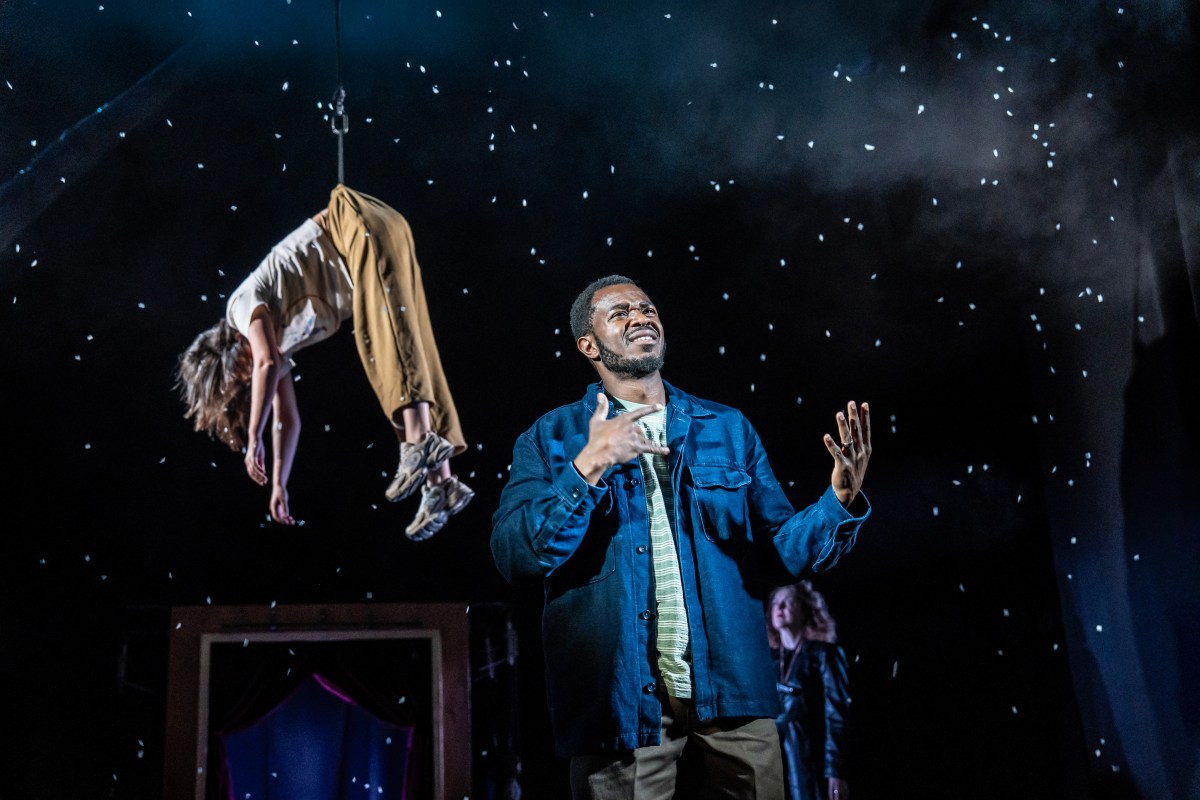
The international program includes Deaf Republic by Irish theatre company Dead Centre, which adapts the poems of Jewish-Ukrainian poet Ilya Kaminsky into a drama about grief, solidarity and resistance. Combining spoken English, Auslan and creative captioning, it is among the major international productions Nelson is excited to bring exclusively to Sydney.
The inaugural Dance Reflections by Van Cleef & Arpels program will introduce audiences to different choreographic languages, with international artists including Rachid Ouramdane (France), TAO Dance Theater (China) and Trisha Brown Dance Theatre (USA). Alongside these presentations, Australian company Marrugeku will premiere Ngurragabu, connecting contemporary dance with First Nations storytelling and a monumental installation evoking a petrified mangrove forest.
ArtsHub: A global contemporary dance festival is about to land in Australia, and it’s a big deal
For Nelson, international programming is about more than importing acclaimed work. It can introduce unfamiliar aesthetics and perspectives, creating new conversations between artists and audiences.
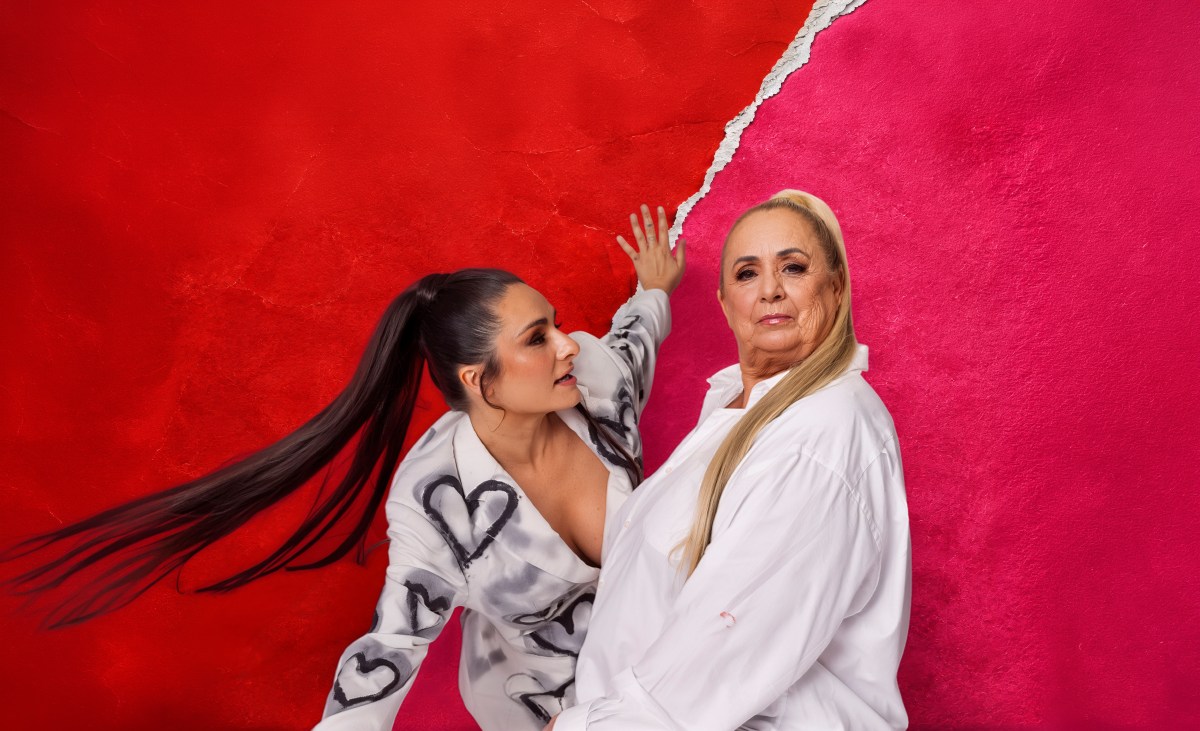
At the same time, he is keen to give Australian makers the resources and scale to pursue ambitious ideas. Legendary Sydney performance artist Emma Maye Gibson will step out from behind her alter-ego, ‘sex clown’ Betty Grumble, appearing in the festival for the first time with A Loved Woman. Directed by Griffin Theatre artistic director Declan Greene, this world premiere work is a vulnerable collaboration with her mother, former bodybuilding and aerobics champion Karmyn Gibson.
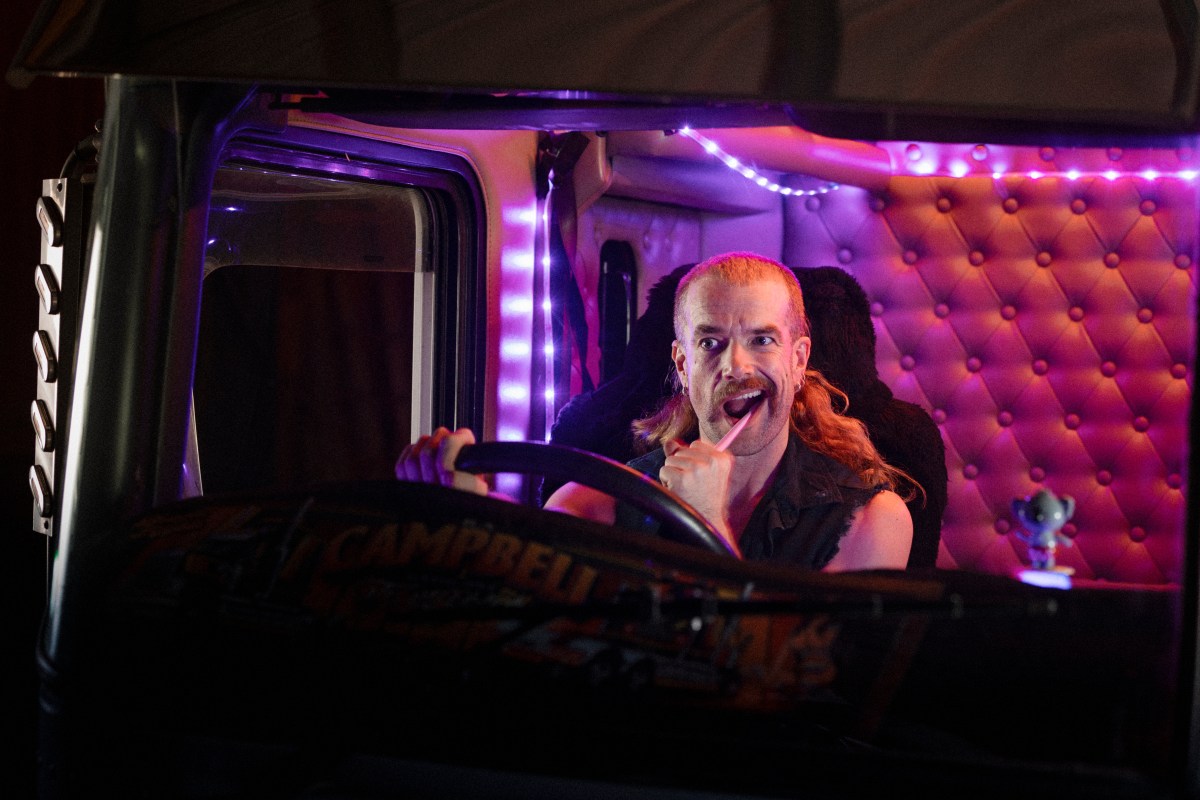
Sydney’s own multidisciplinary artist, actor, DJ, and queer mischief-maker Jonny Hawkins also returns to the Sydney Festival stage with Truck Driver, a loving and cheeky tribute to the working class truckies who keep our nation running. Truck Driver is another bombastic theatrical collaboration with Nell Ranney, Hawkins’ co-conspirator on Maureen: Harbinger of Death, which blew away Sydney Festival audiences in 2021.
Nelson sees the festival as a place where local artists can experiment, take risks and expand their practice – continuing a tradition of Australian festivals that ‘supercharge the national ambition and also supercharge the national imagination’.
That means reflecting Sydney’s cultural diversity, too – particularly when it comes to First Nations voices. The 2027 Blak Out Program brings together voices from many Countries and generations, with particular hype building around the world premiere of Ilbijerri Theatre Company’s The Line, a compelling new play penned by Green Room Award-winning playwright Nathan Maynard; as well as the Sydney premiere of Megan Wilding’s rom-com revenge thriller, Game. Set. Match.
Beyond the festival
Nelson is also looking at how Sydney Festival can contribute to the city’s artistic future beyond its summer season.
Festival Commons returns for its second year, a program supporting emerging Indigenous, Black and PoC festival-makers, curators and cultural convenors who are already building audiences through independent events, club nights and community-led gatherings.
Four participants from Greater Sydney and two from the Asia Pacific will join a 10-day Festival Immersion program, with skills development, leadership opportunities and international exchange to deepen their practice and extend the reach of their work.
For Nelson, investing in these practitioners is one way a major festival can help shape how art is made, presented and experienced in the years to come. That longer-term ambition sits alongside the immediate pleasure of a summer program filled with spectacle, music, theatre and opportunities to discover unfamiliar artists.
With extensive free programming and the return of Sydney Festival’s $49 ticket offer, which means more than 10,000 A-reserve seats priced at $49 or less are on sale across every ticketed show and performance, the festival is also seeking to make those experiences more accessible amid cost-of-living pressures.
Ultimately, Nelson’s vision is less about imposing a single theme on the festival than cultivating connections between its many strands: international exchange and local identity, artistic experimentation and civic pride, cultural depth and summer fun.
If the program succeeds, audiences will leave not only having seen something memorable, but with a renewed sense of possibility about the city around them.
As Nelson puts it: ‘I want the city to feel like we started the year off in imagination, in story, in spectacle, in a pride about what’s being made here and how connected we can be with the rest of the world.’