Released today, a new report by arts and culture think tank A New Approach examines the views of ‘middle Australians’ towards arts and culture, and identifies opportunities that the sector and government can seize to reduce barriers to arts and cultural experiences.
ANA’s research finds that for this ‘middle Australia’ demographic – defined as those with combined household incomes of between $89,000 and $184,000 per year – a leading roadblock to arts access is cost – followed by other problems such as lack of easy transport and difficulty finding information about what’s on and where.
Middle Australia’s barriers to the arts – quick links
Who are ‘middle Australians’ and why do their views matter so much?
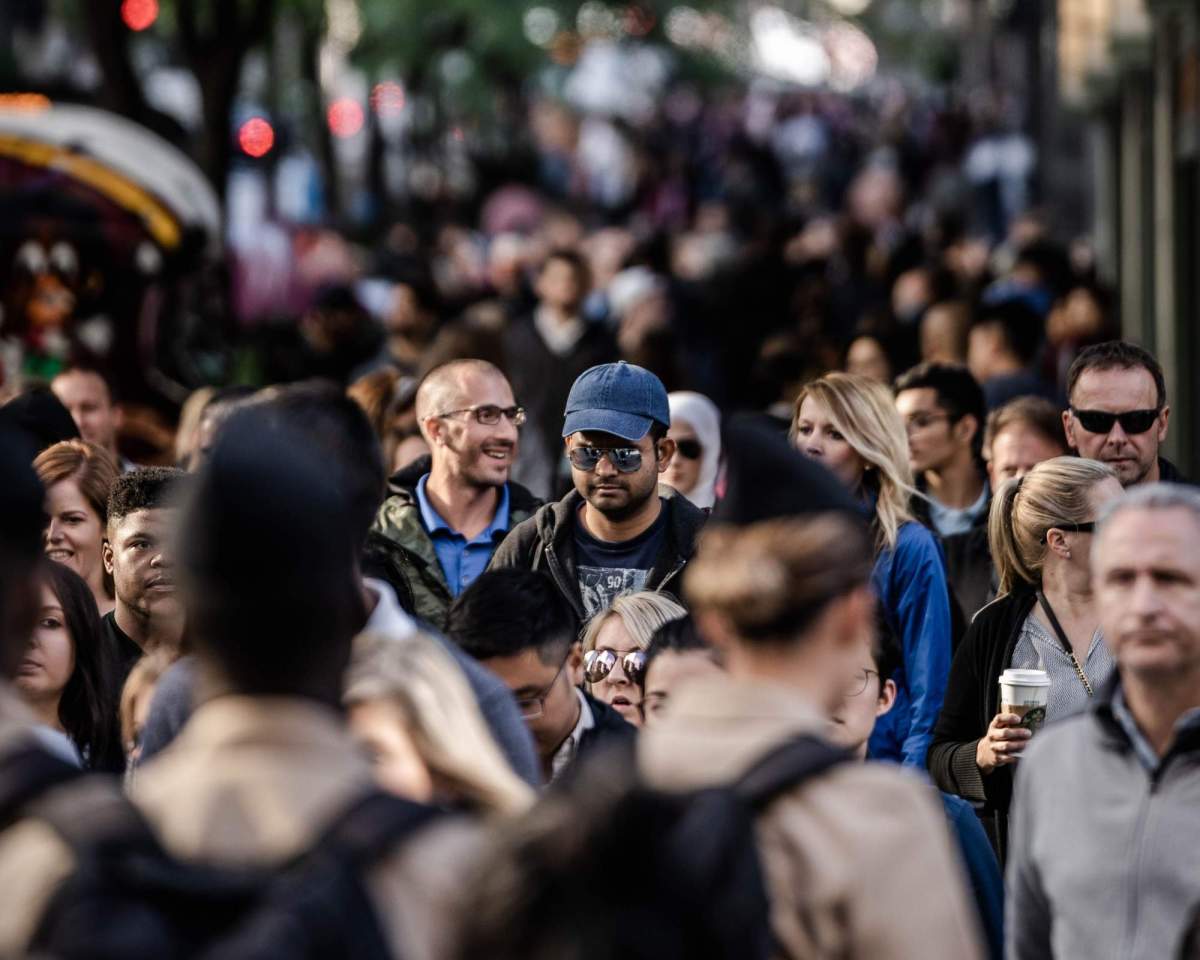
ANA’s research looked at middle-income swing-voters aged between 35 and 59. At last count, they represent 42% of the nation’s voting population.
As outlined in its report, ANA argues these middle Australians are important in shaping our national arts policies – not to mention the government’s wider policies – due to their power to sway votes in marginal electorates and send clear messages to the highest political levels about what the government’s top priorities should be.
The arts and culture think tank conducted focus group discussions with 62 participants to develop its findings. The conversations showed that these ‘middle’ voters hold the arts and culture in high regard. Rather than seeing the arts and culture as separate to the main political issues of the day, middle Australians believe the arts should form a part of the government’s response to the nation’s most pressing problems.
They would therefore like to see more policy recognising the role of the arts in helping our society confront pressing issues, such as the advent of new tech systems and AI, increasing rates of social isolation, and the fragmentation of our communities.
Middle income families struggle to afford the arts
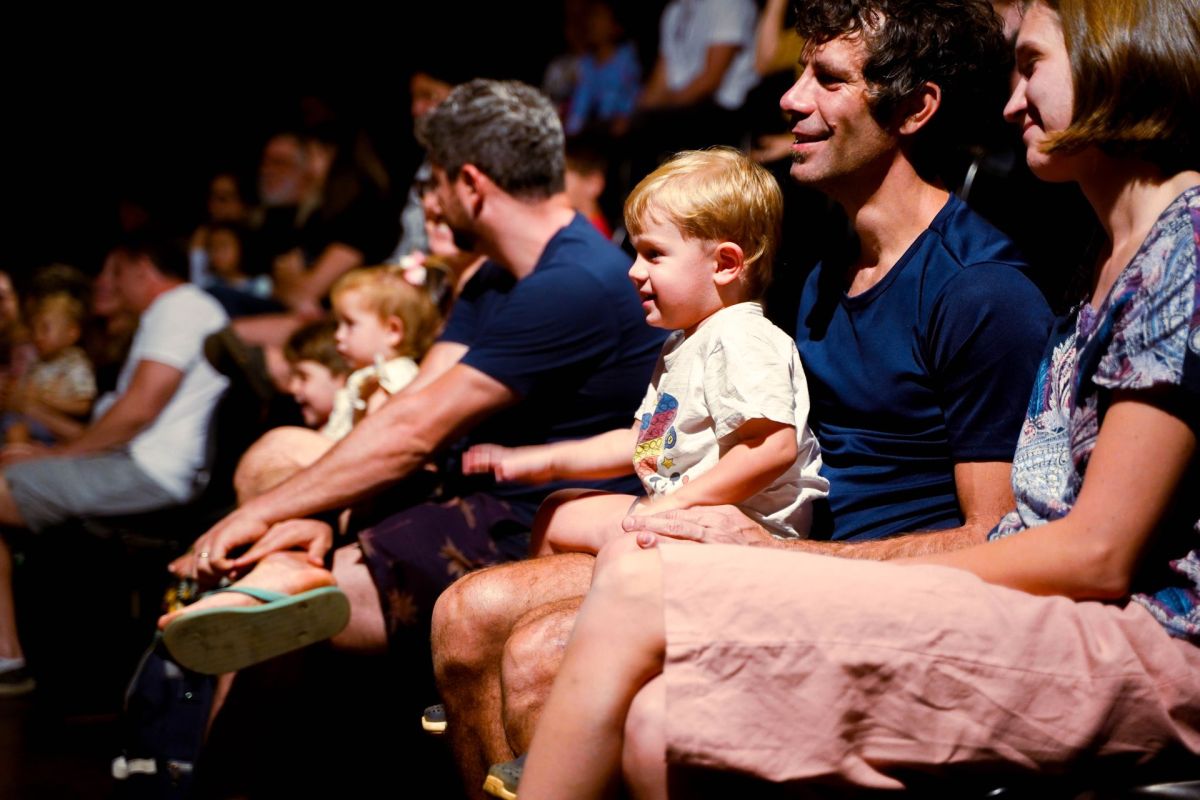
Yet in parallel to their views about how the arts should underpin more far-reaching government policy, many middle Australians are (somewhat ironically) currently facing their own personal struggles when it comes to their capacity to engage in arts activities.
Unsurprisingly, given the current cost-of-living crisis, the most prominent reason cited for this lack of participation is cost.
While the high price of tickets is an obvious factor, participants also talked about the barriers posed by the ‘associated costs’ of arts activities – including things like transport and parking fees – with middle Australian families and those living outside major cities especially impacted.
ArtsHub: How much can economists bring to the case for more public arts support?
ANA’s report suggests ‘governments should use the settings they control to ensure cultural activity is easy to create, finance, insure, approve, discover and attend’ – which, even on paper, sounds like a big ask.
Yet in detailing its argument for more affordable arts access, its focus sharpens around four specific practical steps it believes local, state and territory, and federal governments could take to remove cost barriers and enable greater arts participation for middle Australians.
Recommendations to improve access to the arts
The first recommendation is for government to provide more free or discounted general admission cultural experiences closer to people’s homes, including discounted and better coordinated transport options, especially for families.
The second is for government to test incentives that build new audiences and increase locals’ familiarity with the cultural venues and events around them. Suggested measures include community-driven programming to support a greater diversity of stories, and incentives where government could provide matched funding options to ‘encourage sustainable private investment in the system’.
The third is that government streamline its arts and cultural investment and approval processes by cutting red tape, ‘so effort is proportional to value’.
ArtsHub: Theatre Works to close 50-seat venue amid rising costs
Finally, ANA signals that tax reform is needed, and philanthropic and data settings need to be reviewed. It recommends government conduct a cultural taxation review as part of the next National Cultural Policy, and introduce policy to enable ‘qualifying art prizes and grants’ to be treated as tax-free income for artists.
Middle Australians want more support for early creative education
One other prominent theme to emerge from ANA’s research – and one that feels particularly relevant to the present moment, where prolonged declines in government support for youth arts and arts programs in schools have weakened the arts’ impact in these areas – is that middle Australians value the arts and culture especially ‘when it is connected to their children, their work and communities’.
According to ANA’s research, middle Australians feel strongly that ‘arts and cultural education should be treated as part of developing capable adults, not merely producing professional artists’. (Unfortunately, recent evidence, including the fact that many schools in Queensland have dropped drama as a high school ATAR subject, suggests not all Australians view arts education through this same lens.)
To shift the dial is this area, ANA has specific ideas to ensure that arts, culture and creativity can be more equitably applied to developing children’s potential and, in turn, strengthening the nation’s future workforce capability.
In particular, and in-line with what many in the sector have been calling for for years, ANA believes the government should commit to a ‘national creative education guarantee’ that would allow every Australian student, regardless of postcode or background, to have access to high-quality creative learning and live cultural experiences as part of their education.
ANA suggests this could best be achieved via a ‘small number of creative learning programs that [could] be scaled into every school in Australia’.
ArtsHub: Not AI’s to Take – arts sectors join forces to protect creatives from AI theft
Additionally, the think tank advocates for the expansion of existing subsidised children’s activity voucher programs offered by state and territory governments – which currently focus on sports activities and include only ‘limited forms of creative activity’. ANA argues these voucher schemes should encompass all arts activities, including music, dance, drama and the visual arts.
Ultimately, in putting forward its recommendations, especially in relation to access, affordability and arts education, ANA’s arguments appear to make clear sense. But what’s far less clear (as ever) is how willing our government – at all levels – is to adopt these measures as long-term policy.
With our next National Cultural Policy currently in development, one can only hope that some at those levels of government are listening.