What grant assessors actually see when they read your application

After years of writing her own grant applications, Cat Dibley began assessing them. Here are her best grant writing tips.
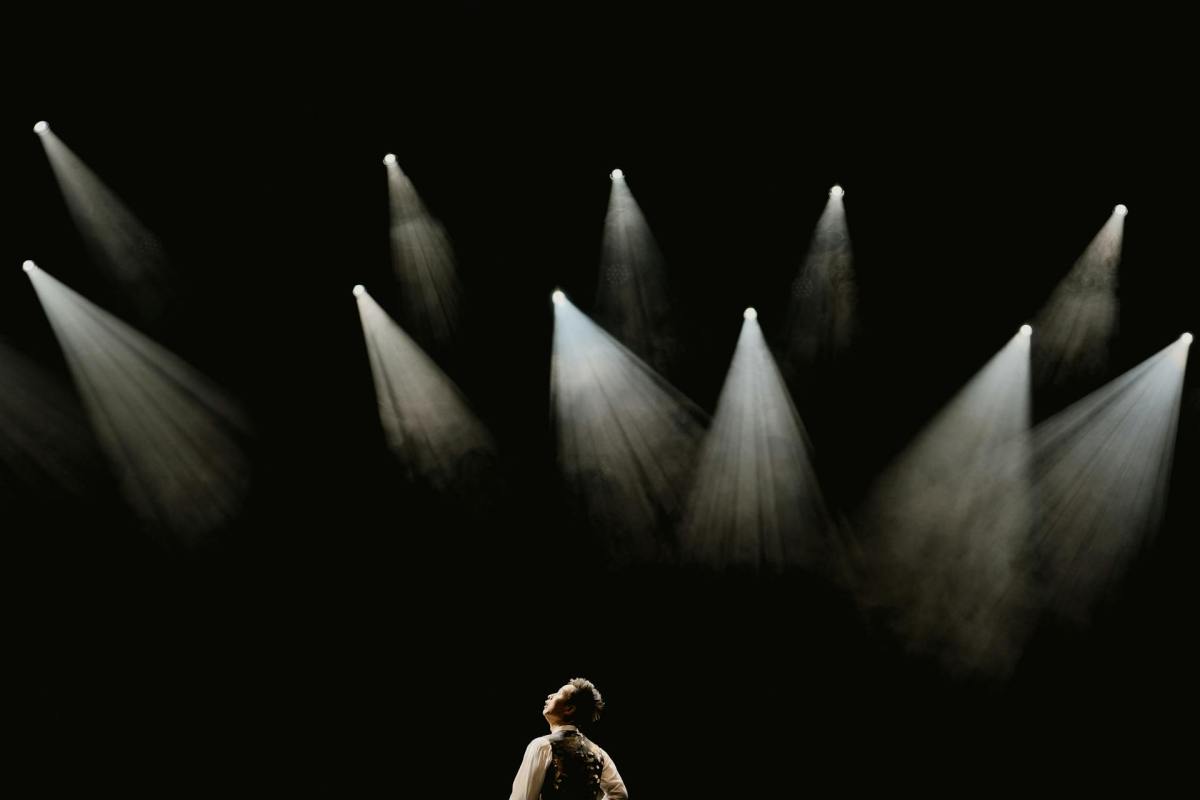
Think of your grant application document as your advocate in the room. Photo: Ayyeee Ayyeee / Pexels.

I have a confession to make. For the first few years of my career, I wrote grant applications the way most artists do – stare at the form until it makes even less sense, procrastinate as a stress response, write something heartfelt and vaguely important sounding, hit send at the very last minute and then panic–refresh my inbox every day for the next six to eight weeks. 

I got some grants. I missed a lot more. And I had absolutely no idea why.

Then I started assessing them.

Reader, it was confronting. Not because the applications were bad – but because now I could see exactly where I had been going wrong (and it’s not the procrastinating). I could see talented artists, genuinely exciting projects, invisible on the page.

I’ve now spent over a decade on both sides of Australian arts funding – as an applicant who has personally secured millions in grants, and as an assessor across state programs and international funds. Here is what I wish someone had told me before I wrote my first application.


Funding bodies are not asking you to describe your work

They’re asking why it exists.

Artists are deeply practised at describing their work – the form, the medium, the influences, the aesthetic. They write about their work the way a critic would. ‘The work interrogates the tension between…’ ‘This project seeks to explore…’ ‘The artist’s practice is concerned with…’

I understand the impulse. It feels considered. An appropriate tone when asking for government funds.

Grant applications are not asking for an artistic vision. They are asking a different question entirely: why should this work exist, with public money, at this moment in time?

That’s a question about need, about context, about who benefits, and about how and why it matters that this particular project happens rather than not. It’s a question that requires you to step outside your own relationship to the work and make the case for it to someone who is tasked with allocating public funds in response to public priorities (the cultural policy).

The artistic background and description of your project are maybe one paragraph. The argument for why it should exist is the rest of the application.

Specific beats heartfelt, every time

I say this with enormous love for the arts sector. We are very good at knowing what will connect with and have impact for our community. We are not so great at defining it specifically – the how.

‘This project will create space for artistic engagement and professional pathways within our regional community.’

I have read this sentence, or a version of it, hundreds of times. It is not an impact claim. It is implicit hope and a gut instinct (usually correct) but assessors cannot score instinct and generalities. While we know that this outcome is likely, we need to know how it will occur.

Compare it to this: ‘This project will deliver eight community workshops reaching 60 young people in regional New South Wales who currently have no access to contemporary dance training, with six paid opportunities for local artists.’

The second version is assessable. It has numbers, it has a named community, it has a specific outcome. Someone on a panel can say, ‘Yes, this is what it says it will do’ – and advocate for it in a room full of other applications.

The test I use: if someone who has never heard of you read this claim, would they believe it? And could you back it up? If the answer to either is umm, get more specific.

Your budget is telling a story whether you mean it to or not

Budgets are where otherwise strong applications quietly fall apart. Not usually because the numbers are wrong, but because the budget doesn’t support the project being realised.

Two separate artists told me recently that their grant applications with ‘conservative’ budgets had been rejected. When they reapplied with corrected, actual costs – full industry pay rates, healthy production budgets, quotes – they had been awarded the full amount. The same projects, the same artists, more money.

Assessors are working artists, they know how much things cost to make, to tour and to market. They’ve also tried – like you – to make it work on a shoestring, and they know it inevitably doesn’t. Or at the very least, isn’t sustainable. They know because they’ve made the same mistakes themselves. I’ve seen this very conversation play out in assessment panels on numerous occasions.

Don’t let them wonder. Viability is a scored criterion. Ask for the money required to make the project a certainty.

If your budget is asking for $10,000 and your project describes a $40,000 project, the assessors will notice.

Your grant application is your advocate in the room

Here is something applicants rarely think about: after assessors read your application individually, they come together as a panel to discuss the applications. Particularly if your application is on the border of being funded, someone in that room has to speak up for yours.

That person is working from what you gave them. They can’t invent the argument you forgot to make. They can’t fill in the track record you didn’t document. They can’t clarify the budget inconsistency you didn’t notice. This is actually quite a useful thing to hold in your head while you’re writing.

Imagine someone who has read your application once and now has to make the case for it out loud in a room. Have you given them what they need?

If yes: great, send it. If you’re not sure: read it again. Not for how it sounds but for whether the argument lands.

Your application, like mine, wasn’t rejected because your work isn’t good enough or worthy of funding. It was likely rejected because no one taught you this specific skill set. But it can be learned. And once you do, the whole thing gets a lot less mysterious and there’s considerably less finger-crossing.

Discover more screen, games & arts news and reviews on ScreenHub and ArtsHub. Sign up for our free ArtsHub and ScreenHub newsletters.

Cat Dibley is an arts funding specialist and grant writing coach with over 13 years on both sides of the arts funding table. She's written the applications, sat on the panels and designed the programs. She now helps artists and creative businesses get funded. Based on Awabakal Country, NSW, she works with artists nationally through one–on–one coaching and a range of grant writing courses and programs. Find out more at catdibley.com.