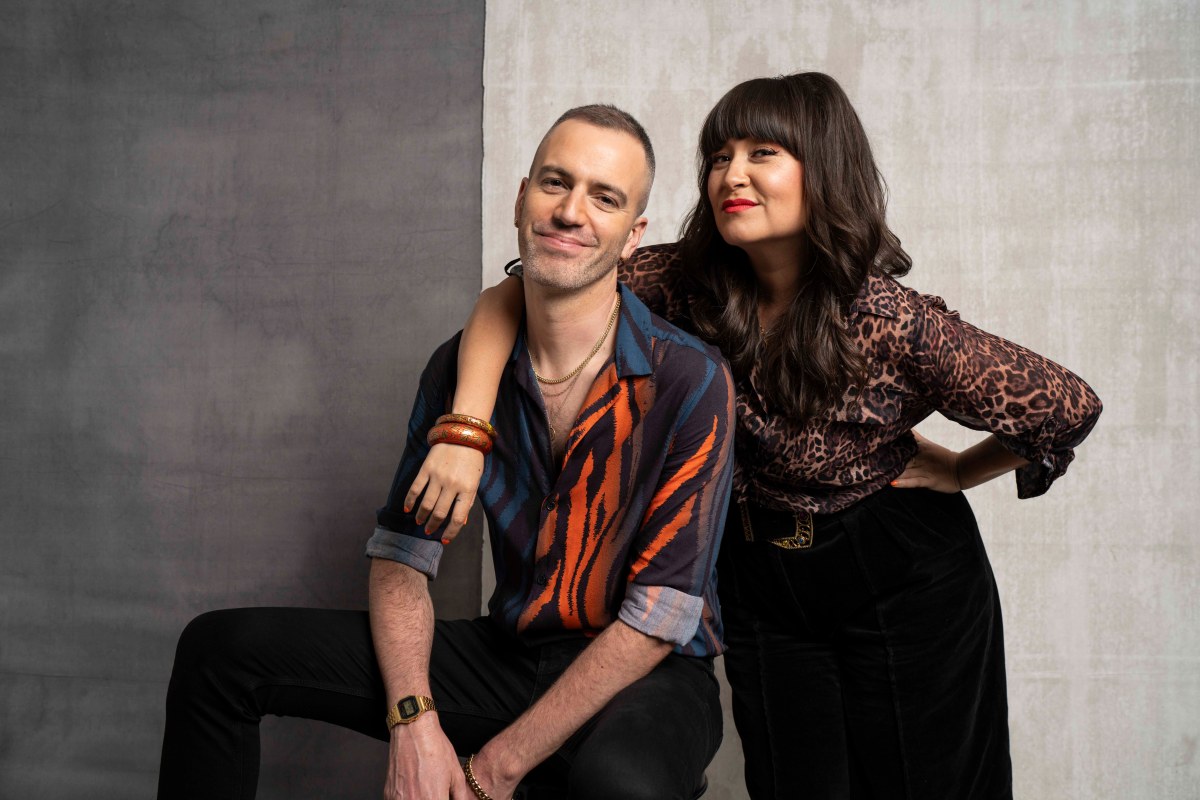
The Hayes Theatre Company is going bigger than ever in 2027. After five years at the helm, Co-Artistic Directors Richard Carroll and Victoria Falconer are taking the independent musical theatre company beyond its intimate home in Sydney’s Kings Cross for its biggest season yet.
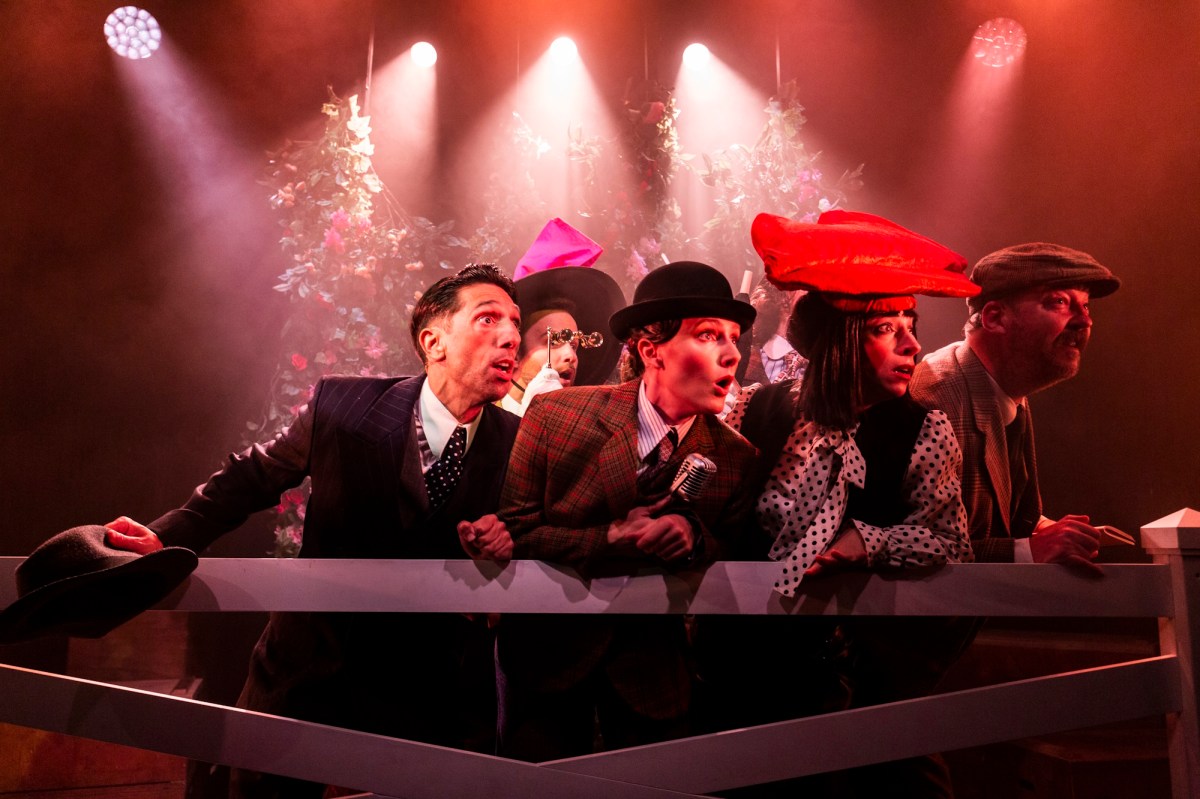
On new frontiers, an expanded production of Phar Lap: The Electro-Swing Musical is saddling up for a hotly anticipated national tour, opening at Carriageworks, and the premiere of a major new work, Mack The Knife, is coming to Sydney’s new Foundry Theatre.
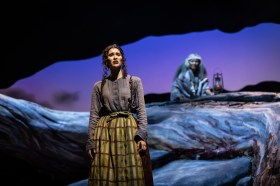
Back at the Hayes’ humble 111-seat home theatre, the program ranges from cabaret and comedy to opera, drama and contemporary musical theatre – including the Australian premiere of the heart-wrenching folk epic Swept Away, new productions of the Tony Award-winning emotional masterpiece Next to Normal, sci-fi satire Be More Chill, a Bridgerton-style reimagining of Mozart’s Così fan tutte, and more.
The Festival of New Work is also expanding, while the Winter Cabaret Festival returns in a new form as Flare.
Hayes Theatre heads into 2027 – quick links
The ‘unsung section of the art ecology’
It is an ambitious expansion at a time when the broader musical theatre landscape is facing some very real pressures. Commercial productions continue to contend with high costs and uncertain audiences, while recent closures and cancellations have prompted renewed discussion about the sustainability of the form in Australia.
Yet at the Hayes, the response is not to retreat. It is to keep growing.
As the commercial sector attempts to play it safe with questionable film-to-stage adaptations and tired transfers of Broadway and West End shows, the Hayes has cultivated a particularly devoted audience. Both a neighbourhood theatre and a destination for musical lovers, it also attracts subscribers and theatregoers willing to travel from interstate to see the company’s productions.
The Hayes feeds the canon of musical theatre by accommodating new Australian work, neglected classics, and collaborations with ambitious independent producers.
And if anyone is well placed to talk about the sheer amount of work involved in keeping that ecosystem moving, it is Richard Carroll and Victoria Falconer.
When ArtsHub speaks to the pair, they have each managed to find a gap in their respective rehearsal schedules. Calling in from lunch breaks in different parts of the country, squeezed between back-to-back rehearsals for productions they are working on independently of their roles as the Hayes’ artistic directors.
It is an apt snapshot of the people running one of Australia’s most important musical theatre companies: artists who are simultaneously making, producing and developing new work, and creating opportunities for other artists to do the same as they maintain increasingly ambitious calendars. (In an already booked out year, Falconer travelled the country with the smash-hit new musical My Brilliant Career, which she musically directed.)
That work ethic is partly a necessity. The pair have been splitting a part-time role for five years now, and the company is still operating on a scale far removed from Australia’s major commercial and subsidised theatre companies. But that difference in scale is also precisely where the Hayes has found its purpose.
For Carroll and Falconer, the Hayes is not simply a place to put on musicals. It is a place where artists and producers can take risks that might not be possible elsewhere, where newcomers can make their debut alongside established performers, and where Australian musical theatre can develop on its own terms.
As Falconer puts it, there is an ‘unsung section of the art ecology’ sitting between the independent and commercial worlds – and the Hayes has spent more than a decade proving just how much can happen there.
Australia’s own off-Broadway
The Hayes is essentially Australia’s closest equivalent to an off-Broadway or off-West End ecosystem: a place where ambitious work can exist at a scale that sits between fringe experimentation and commercial theatre.
‘I might be biased, but I don’t think there is anywhere else in Australia that really does what we do,’ says Falconer.
She returned to Australia in 2020 after 17 years living in the UK, and recognised something in the Hayes, a vibe she describes as: ‘People with big ideas, big ambitions, [who] aren’t yet ready to put it at a commercial scale … who are making work that thrives at this scale.’
The comparison isn’t simply about playing venues with fewer seats to fill. It is about what becomes possible when artists have somewhere to make ambitious work without first having to prove that it can sell hundreds of thousands of tickets.
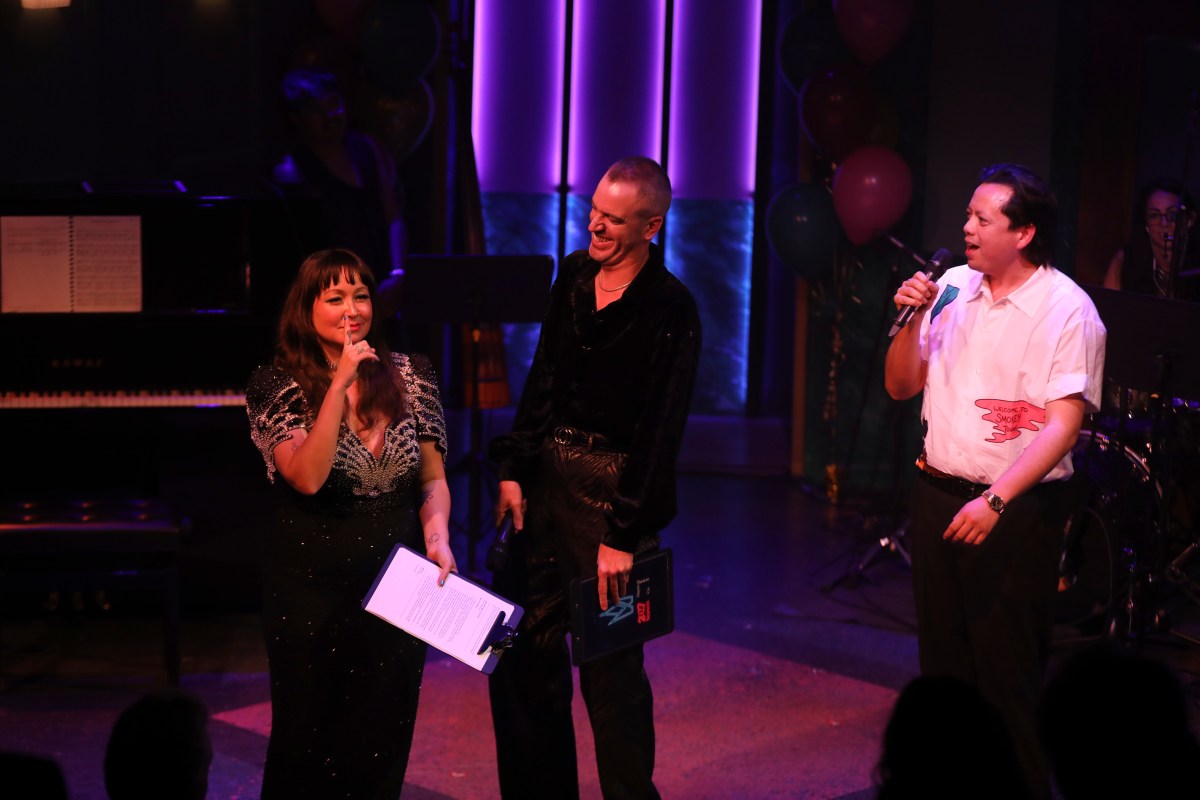
Carroll agrees that the value lies both in what might eventually move to a larger venue – here, Assassins, In The Heights and Little Shop of Horrors are on the list of acclaimed productions that outgrew the Hayes’ home – and in the work that is valuable precisely because it exists at the Hayes scale.
‘We can do shows that can’t be done on a commercial scale,’ he says. ‘It’s a very special part of the industry.’
That makes the Hayes something of an intermediary: a place where work can be developed, tested, reimagined and sometimes given a larger life.
But the relationship with commercial theatre isn’t adversarial. Carroll is quick to point out that large-scale musical theatre provides something fundamentally different and valuable. There is a particular kind of spectacle that can only exist at that scale – productions that require enormous casts, orchestras, technical resources, and the grandiosity of a large theatre.
‘It would be a sad day if it felt like we were even attempting to take the place of what commercial musical theatre does,’ adds Falconer.
Instead, the Hayes occupies another part of the ecosystem.
An ecosystem, not just a theatre
That ecosystem extends well beyond the shows that appear on the Hayes stage.
Before Carroll and Falconer became the company’s first artistic directors, the Hayes was largely run by its board and programming committee, with independent producers playing a central role.
When the artistic director role was created, it wasn’t intended to replace that history so much as to build upon it.
A significant part of Carroll and Falconer’s work has therefore been curatorial: supporting independent producers, bringing new people into the fold, and giving them a platform from which to develop their ambitions.
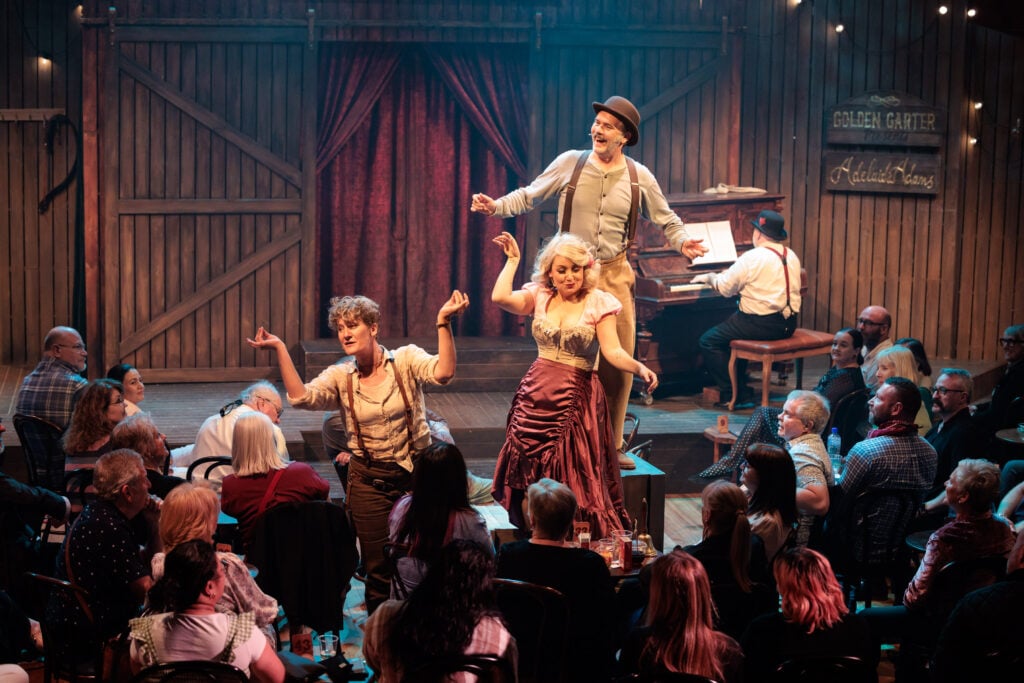
Both know the value of that pathway personally. Carroll’s beloved independent production of Calamity Jane, starring Virginia Gay, started at the Hayes before it was scaled up with Belvoir St Theatre, and recently revived with an immersive staging at Sydney Opera House.
‘As independent producers, both Vicky and I have done so much,’ says Carroll. ‘I know how great it can be to have those right opportunities for the right kind of work as an independent producer.’
For Falconer, this less glamorous side of Hayes’ operation is among its most important.
‘There is just not that many opportunities for independent producers [outside of the festival circuit] to find venues that have the capacity and the ability to support them through making something as big [and] expensive as a musical,’ she says.
That means the Hayes isn’t simply presenting a succession of productions. It is helping build the workforce and creative infrastructure around Australian musical theatre.
For one example, if you look to the cast of Bell Shakespeare’s pop-infused, break-out hit Mackenzie – which is being brought back for an extensive national tour in 2027 – you’ll see a line-up of triple-threats who cut their teeth on the Hayes’ stage.
Its Festival of New Work is an extension of that philosophy. In 2026, one of the most talked about shows was a script-in-hand presentation of The Baroness, a promising new musical comedy co-created by comedian Em Rusciano. In 2027, the festival will run for three weeks rather than two, giving artists more time and space to present and develop work.
Carroll describes the festival’s value as extending beyond the individual works presented. Artists get to see each other’s work, discuss it, develop ideas and perhaps most importantly, realise they are not working in isolation.
ArtsHub: Australian theatre in 2027 – everything to look forward to
Falconer puts it more bluntly: making theatre can be lonely.
‘It can be a very lonely thing when you’re sitting in your poets’ garret, or for composers back in basements writing something,’ she says. ‘To be able to emerge … and see whether what you even got scrapped down on some paper is usable, that’s huge.’
It is this connective tissue that can be difficult to see when looking only at a theatre’s annual program. But it is arguably one of the Hayes’ most significant contributions to the industry.
Where Australian musical theatre gets to be Australian
There is another distinction between the Hayes and a lot of the musicals seen on Australia’s mainstages: the opportunity to make existing musical theatre specifically for Australian audiences and artists.
Commercial productions often arrive with an established creative template, designed to travel from one international market to another. Carroll points out that there is real value in that model: it allows Australian audiences to experience major international productions without travelling to New York or London.
But the Hayes can offer something different. Its productions can be rebuilt around Australian performers, creatives and audiences. A musical can be given a new context, a different sensibility, and a creative identity of its own.
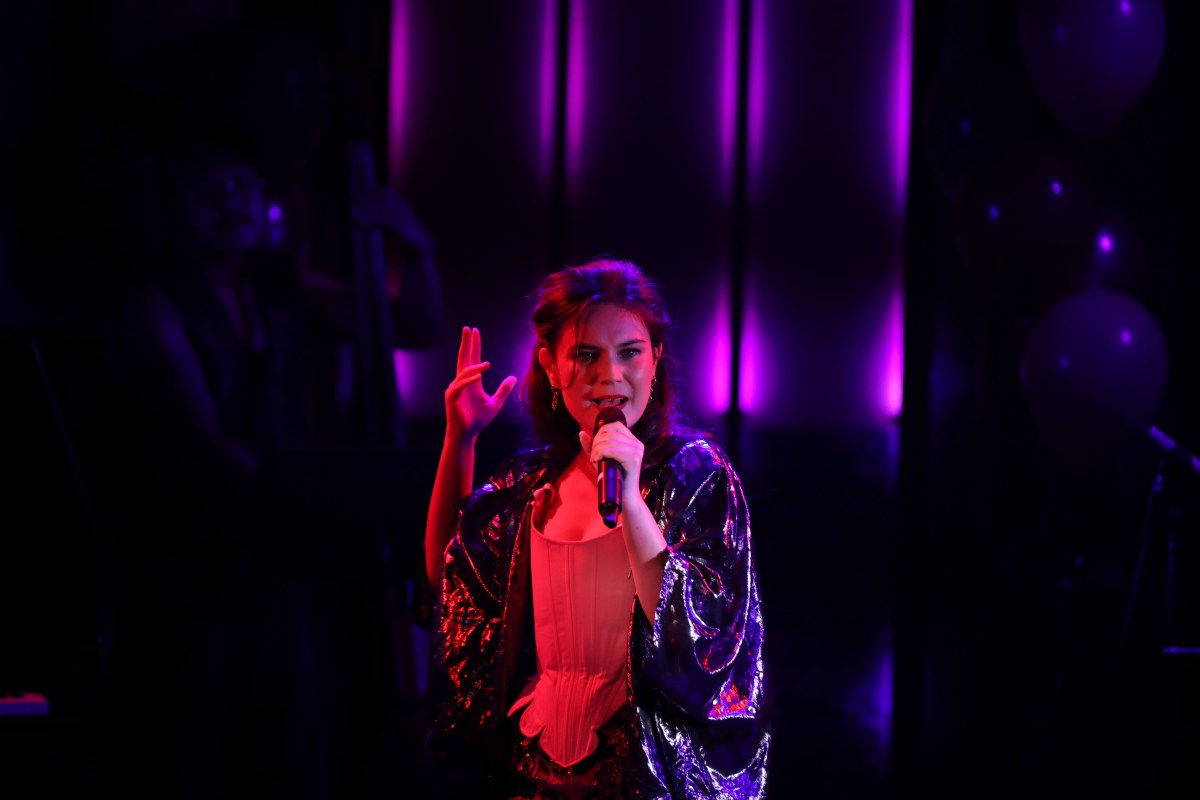
That is part of what makes Mack The Knife, Carroll and Falconer’s major joint creative project for 2027, so emblematic of their tenure.
Created with award winning Filipino-Australian writer and performer Jordan Shea, the work riffs on German playwright Bertolt Brecht’s famous piece The Threepenny Opera, transforming it into a new rock-cabaret musical set within an immersive Kings Cross-inspired world. The audience will enter an underground bar before becoming part of the action as the story unfolds.
The result is a deliberately Australian form of musical theatre – not necessarily because it tells an overtly Australian story, but because it is being created here, for a local audience, by local artists.
That idea sits at the heart of Hayes’ contribution to the broader musical theatre landscape.
The Hayes magic
Perhaps the clearest evidence of that contribution is visible in the people who pass through its doors. It’s not unusual to see an actor on the Hayes’ stage fresh off a major national tour or a season with Opera Australia. Falconer says the company is a ‘hierarchy leveller’.
‘We do welcome back stars,’ she says. ‘They come back when they’re not in their contract to come and get a little bit of that Hayes magic back again.’
At the same time, an emerging performer might suddenly find themself sharing a dressing room with someone they have spent years admiring.
Carroll points to the example of Georgina Hopson, who had just starred in The Phantom of the Opera on Sydney Harbour before appearing in Gentlemen Prefer Blondes at the Hayes as a ‘passion project, something creative and fun’ before joining the cast of Jagged Little Pill, and most recently, her star-making turn in the national tour of Anastasia the Musical.
That mixture of experience is possible because the Hayes can build productions around the particular artists available to it, rather than having to fit every performer into an existing commercial production model.
‘It is a privilege to be able to say: who are the ingredients that we think will make this production interesting?’ Carroll says. ‘And then we can create it from those ingredients.’
That, ultimately, may be what the ‘Hayes magic’ amounts to.
It isn’t simply a particular aesthetic, a tiny theatre in Kings Cross, or a particularly devoted musical theatre audience – although all three are part of it.
It is a model built around relationships: between artists and audiences, emerging performers and established ones, independent producers and venues, new work and existing work, Australian artists and international repertoire.
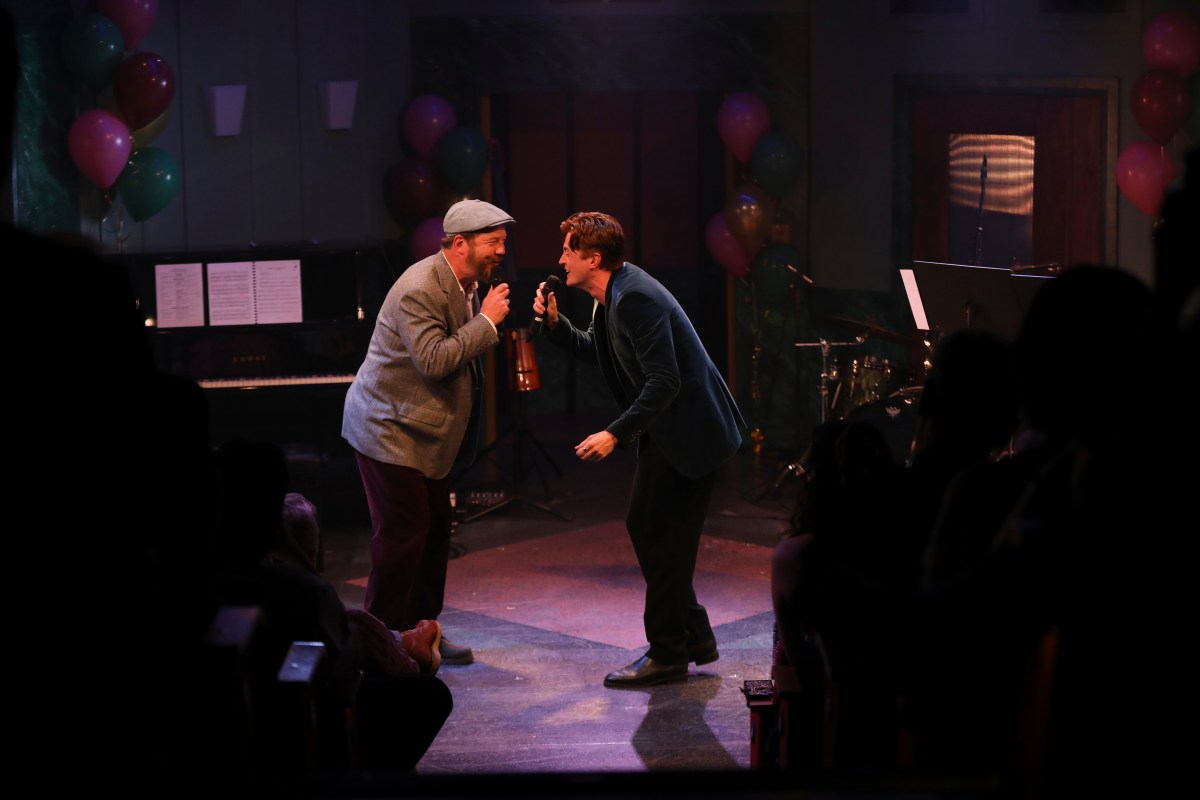
And despite the difficult headlines surrounding live performance, that community is still growing. The Hayes’ audiences are loyal, increasingly geographically dispersed, and willing to take chances on the company’s programming because they trust it to offer something distinctive.
The challenge for Carroll and Falconer now is to leave it in good hands. This will be their last full year steering the company, during which time they’ll also assemble the 2028 season and work towards a transition with their eventual successor (or successors).
As the Hayes’ first artistic directors, they say the decision to move on after five years was deliberate: a company that has always been shaped by many artists should continue to make room for new voices.
So, even as the pair continue their own exhausting schedules – squeezing interviews between rehearsals, then returning to the work of making theatre – they are thinking about what comes next.
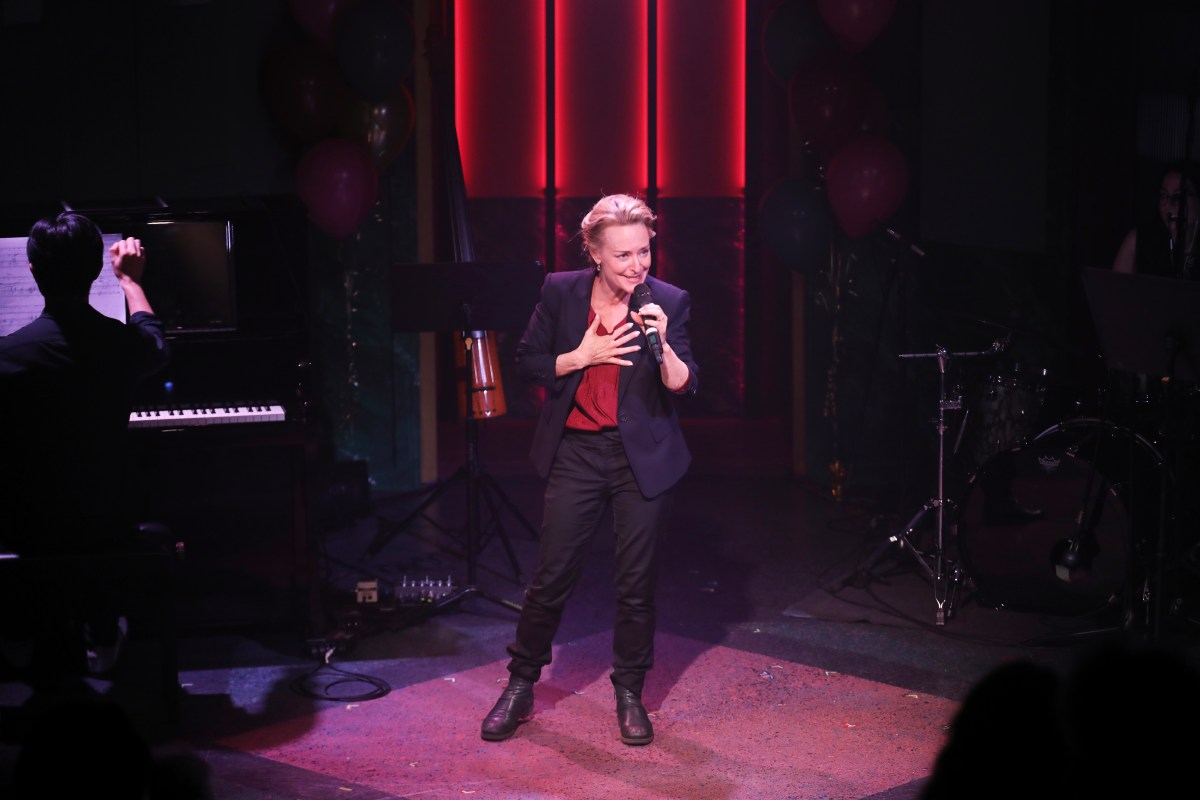
For Falconer, the answer isn’t about pretending the current difficulties facing live performance don’t exist. It is about recognising why people keep coming to the theatre in the first place.
People have less disposable income, she acknowledges, and are making more deliberate choices about where to spend it. That makes Hayes’ responsibility clearer, not smaller: the company has to give audiences a reason to come, and to trust that what they will encounter will be worth their time and money.
‘If you are in any way worried about the state of theatre in this country, or the state of live performance, or have literally any skin in the game: get in,’ Falconer says.
‘The community is important. Artforms do live and die by their audiences. Theatre will never leave forever, because humans love drama … But it’s a time to be proactive.’
It is a fitting message from a company whose greatest strength may never have been the number of seats it can fill.
The Hayes has spent more than a decade proving that Australian musical theatre doesn’t only need bigger stages. It needs places where artists can take risks, where producers can learn, where new work can find its feet, where old work can be rediscovered, and where audiences can become part of a community.
Now, as the Hayes goes into new places, the question isn’t whether it can become more like commercial musical theatre.
It is how much further the Hayes model can travel without losing the particular magic that made people come in the first place.