As a performing artist, singer, producer and curator, I have watched with growing concern as one of Australia’s most vibrant and valuable sectors has become increasingly difficult to sustain.
I have spent my life experiencing what the arts can make possible: the joy of a shared performance, the confidence that grows when someone finds their voice, and the connections that turn strangers into a community.
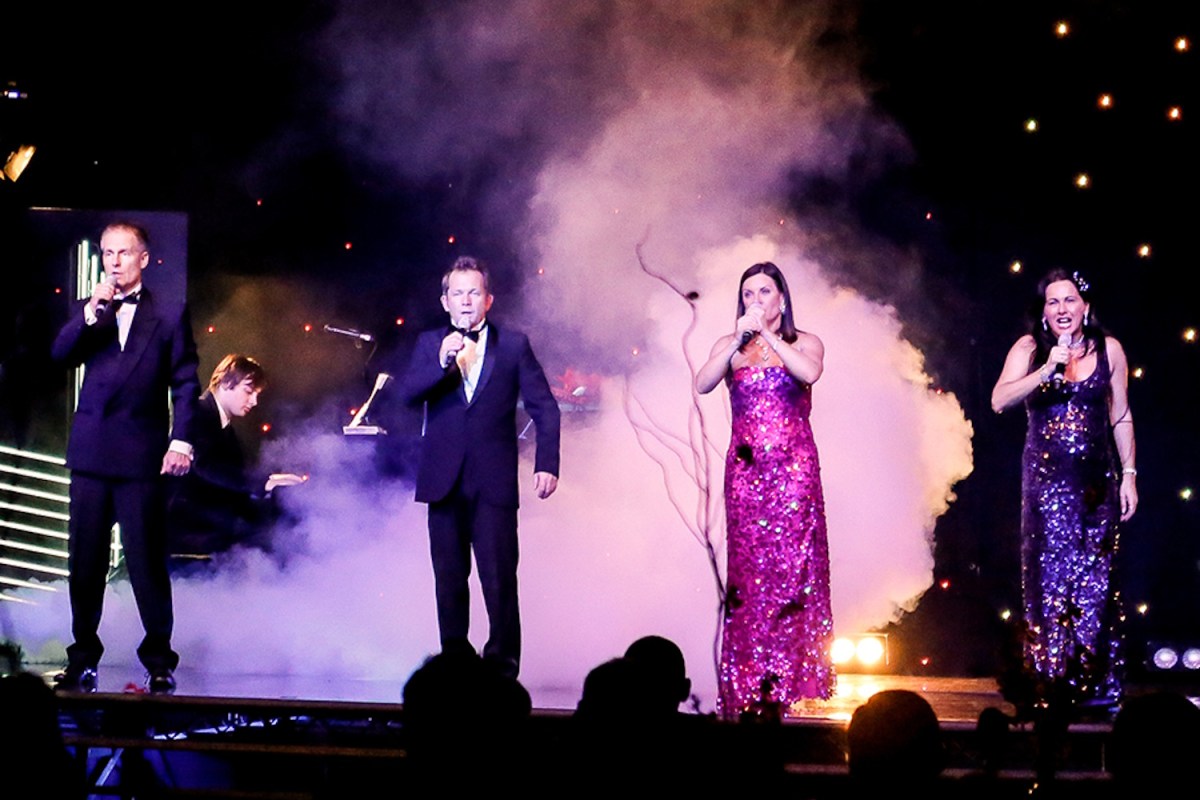
For decades, I have performed as a soloist and with my group Pot-Pourri. I’ve also produced operas, musicals, tours, concerts and major events.
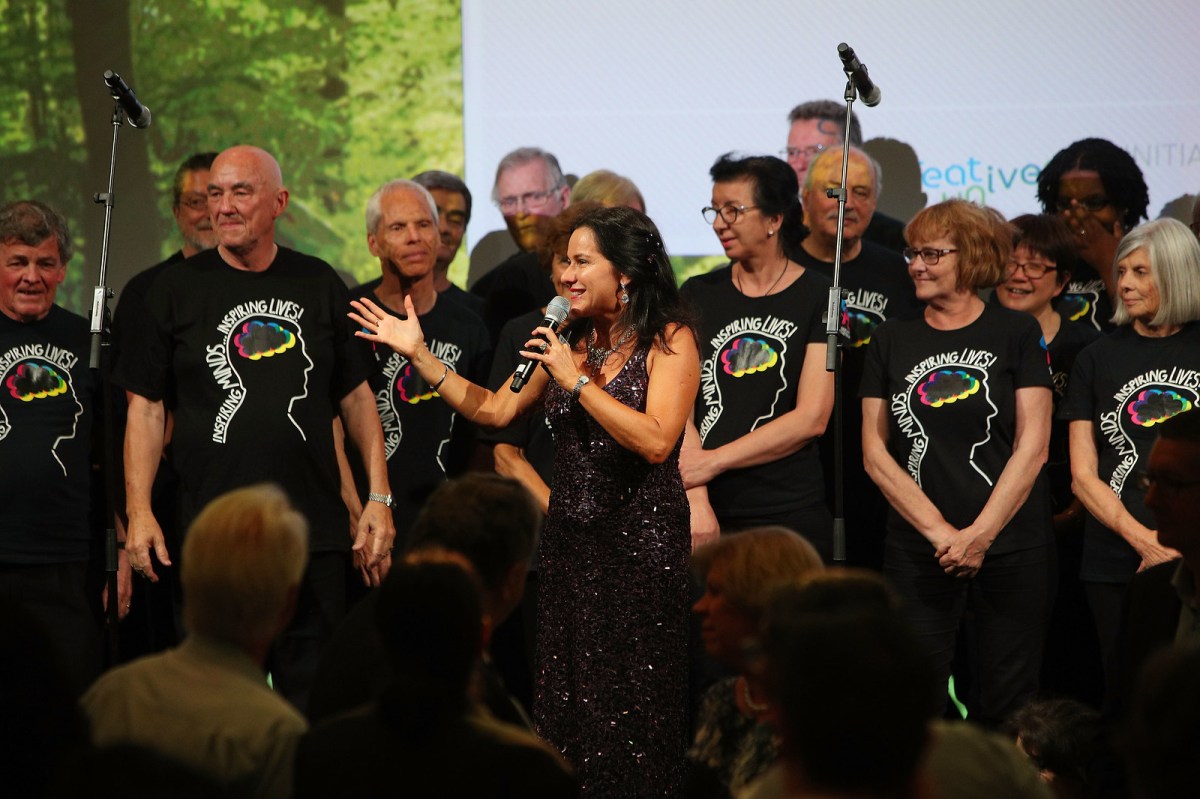
Alongside this work, I have built six businesses and four charities. My ventures and initiatives include Creative Universe, Creativity Australia and its With One Voice program, Creative Innovation Global, Mind Medicine Australia (with co-Founder Peter Hunt AM), the Umbrella Foundation and The Song Room.
To me it is obvious that Australia has no shortage of talent. What we lack is an environment in which that talent can build secure, enduring careers.
Too many of our finest performers and musicians feel compelled to leave Australia. Productions, concert seasons and festivals are being cancelled or scaled back, from events like the Byron Bay Bluesfest, Newcastle Hunter Jazz Festival and Inverloch Jazz Festival to the musicals Waitress and Beetlejuice.
Smaller venues are struggling, regional presenters have limited resources, and independent artists are carrying an unsustainable share of the financial risk.
Whenever a production disappears, the consequences extend far beyond the performers on stage. Technicians, designers, agents, promoters, producers, caterers, accommodation providers, tourism operators and numerous small businesses all lose work. The arts are not an isolated cultural luxury; they are part of an interconnected economic ecosystem.
Headline figures can obscure this fragility. Live Performance Australia’s 2024 attendance and revenue report recorded strong results, with $3.4 billion in ticket revenue and attendances of 31.4 million – the highest ever. Revenue also increased 6.9% and attendance 4.6% compared with 2023. However, much of this growth was concentrated in major international tours, selected categories and metropolitan markets.
Smaller Australian productions, grassroots venues and regional communities face a tougher reality: limited resources, rising costs and fewer opportunities to bring professional performances to local audiences.
Added to that, disputes over social and political issues have strained relationships with audiences, sponsors and donors. At the same time, venues, festivals and producers are grappling with tax and superannuation requirements that can overwhelm small teams, putting paid engagements and entire events at risk.
Australia needs a coordinated cultural strategy that connects fair conditions for artists with viable venues, engaged audiences and broader access. It must recognise artists as workers, give communities a voice in the cultural experiences available to them, and value the arts for both its public benefit and economic contribution.
Above all, it must turn those commitments into practical support that keeps artists working, stages open and Australian creativity thriving.
Here, I set out the most urgent challenges, along with practical steps to begin moving in the right direction.
Performing arts action plan – quick links
Measure what matters
The future of Australia’s arts sector depends partly on what we choose to measure. Grants awarded, tickets sold and participation rates tell us something important, but they cannot, on their own, tell us whether the sector is healthy. A full theatre can conceal an unprofitable production. A busy festival can depend on unpaid labour. An artist can appear in several acclaimed productions and still struggle to earn a living.
Alongside cultural access, participation and wellbeing, we need to track the working lives of artists and the viability of the organisations and venues that sustain them.
Are artists’ incomes improving? Can they find sustained, fairly paid work? Are experienced practitioners staying in the sector, or leaving because they cannot afford to continue? Are venues able to maintain their buildings, employ skilled staff and plan beyond the next funding round?
We should also be asking, do regional and rural audiences have reliable access to a varied arts program, rather than occasional visits? Are audiences becoming more diverse – and are they returning? Is private investment growing, reaching a wider range of organisations and supporting new work?
Crucially, we should measure the life of Australian work beyond its premiere. How many productions secure a second season, tour nationally, reach regional communities or find international audiences? How many generate ongoing income for their creators?
Funding a work’s creation is only part of the task; helping it find audiences over time is how that investment can deliver lasting value.
A publicly accessible annual report could track these measures over time, showing differences across artforms, regions and career stages. It should draw on existing information wherever possible, with artists paid for any substantial additional research participation.
The central question should be: are our policies making it more possible for people to build a life in the arts – and for audiences across Australia to share in what they create?
Establish a national touring equalisation fund
It’s expensive to tour work around the country. Dedicated touring grants should meet a portion of the transport, freight, per diem and accommodation costs involved in taking professional productions to regional and remote communities.
Support could be calculated using distance, production size and local audience capacity. This would allow regional venues to select work on the basis of artistic merit and audience interest, rather than being restricted to the smallest and least expensive productions.
Ensure transparent and diverse funding criteria
Grant programs should support both popular productions and experimental work, recognising the important role mainstream programming plays in attracting and developing audiences, particularly in regional and rural communities.
Each funding program should clearly state whether its priorities are experimentation, heritage, community participation, commercial development or regional access, so that applicants can assess whether their proposal aligns before investing weeks in an application.
ArtsHub: The same names keep winning arts grants – it’s not what you think
Funding outcomes should also be reviewed regularly to ensure that no genre, community or artistic tradition is excluded by an unnecessarily narrow cultural outlook.
Give regional communities a greater voice
As the performing arts sector rebuilds after the pandemic, accessible, joyful performances have an important role in welcoming people back – particularly in regional and rural communities. These kinds of productions do more than lift moods: they can attract first-time theatregoers, encourage repeat visits and strengthen the viability of regional venues.
The challenge is not lack of local interest. Yet the economics of touring across a vast continent, coupled with current public funding priorities, mean regional communities don’t always have the choice they should.
ArtsHub: Regional arts powerhouses join forces to create national theatre pipeline
Public funding should be framed as an investment in national cultural access. It should support First Nations storytelling, cultural preservation and new artistic voices alongside the full breadth of music, comedy, theatre, dance, cabaret, family entertainment and popular productions.
When funding priorities favour major organisations or experimental work, uplifting shows with broad audience appeal can fall through the gaps. We have personally experienced this on multiple occasions with our group Pot-Pourri. We can fill theatres and receive standing ovations as a world class act, yet we struggle to receive a single government grant to tour regional and rural Australia.
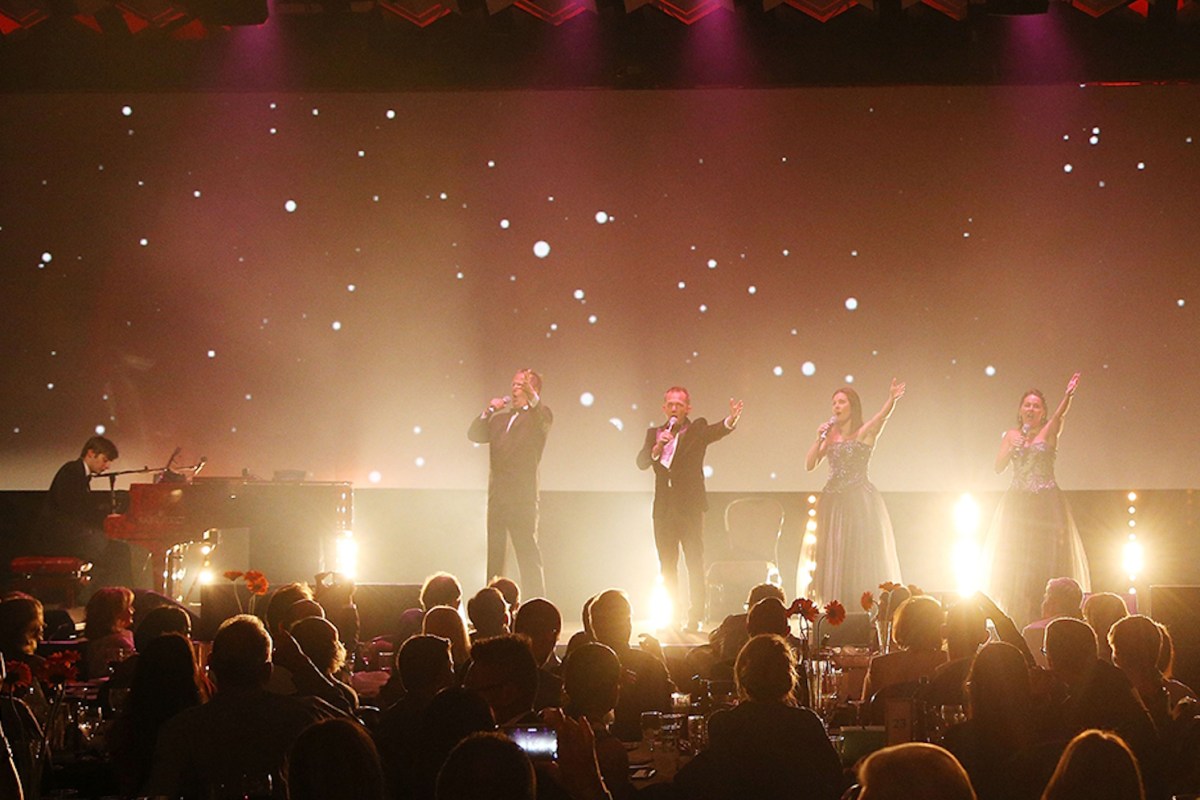
A balanced approach would give greater weight to local knowledge and audience demand. Transparent funding decisions, informed by local advisory panels, audience surveys and advance expressions of interest, would give communities a stronger voice in shaping what reaches their stages.
Regional audiences deserve a varied, high-quality program that introduces them to new work and includes the shows they most want to see.
Create a government-backed festival insurance scheme
Extreme weather, escalating premiums and uncertain ticket sales have made festivals exceptionally vulnerable.
Governments and the insurance industry should develop a shared-risk facility for eligible festivals and touring events. Premiums could reflect sound risk management, while limited government backing could protect viable events from catastrophic losses beyond their control.
Provide clear superannuation rules for artists and arts workers
Superannuation should strengthen performers’ financial security throughout their lives. But when compliance demands overwhelm smaller employers – whether venues, volunteer-run festivals or community organisations – they can lead to cancelled events, fewer engagements and lost income for the very people the rules are intended to protect.
Recent festival cancellations highlight the need for implementation that reflects how the performing arts actually operates. Clear advice is part of the solution, but advice alone cannot resolve a shortage of administrative capacity. Solo performers, bands, agents, community choirs, venues, festivals and production companies all need practical, affordable ways to meet their obligations.
A centralised payroll and superannuation service could simplify payments, supported by proportionate reporting requirements and targeted assistance for small and volunteer-run organisations. Government should also consider a clearly defined transition period when requirements change, allowing those acting in good faith time to adapt while preserving performers’ entitlements.
The test of these reforms should include their effect on employment and the availability of paid work. Successful implementation must protect retirement savings while keeping performances viable, venues open and artists working.
Underwrite the risk of making new work
Creating new Australian work takes ambition, investment and a willingness to accept financial risk. Governments could help share that risk through matched guarantees for venues and producers presenting new Australian stories, larger regional productions or emerging artists.
ArtsHub: Theatre audiences still show up – why do shows fail to make money?
Rather than meeting every cost, a guarantee would cover an agreed share of a box-office shortfall. This would give producers and venues greater confidence to commit to ambitious work while maintaining incentives for responsible budgeting, effective marketing and audience development.
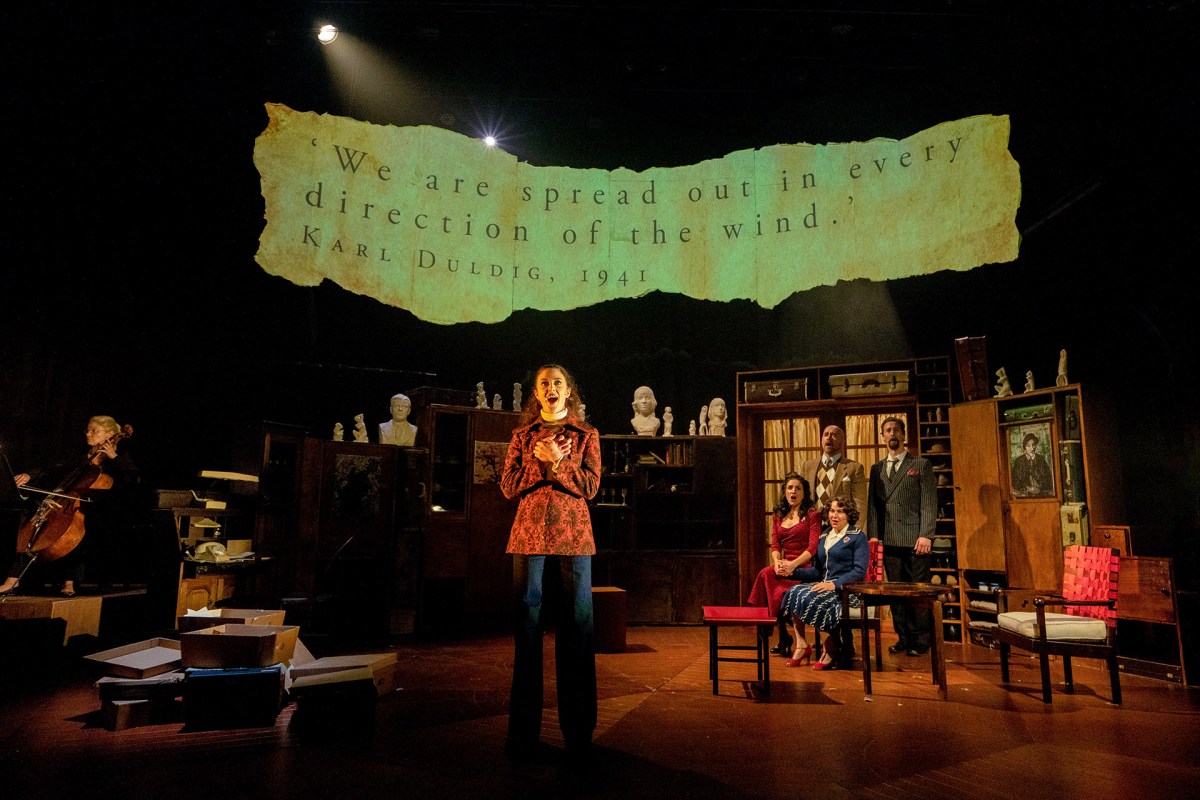
I experienced this challenge first-hand when I produced Driftwood The Musical in 2022 and 2023. Despite wonderful reviews and many sold-out performances, the production made a loss, limiting our capacity to invest in taking it to international audiences.
Government support could have helped us build partnerships with more organisations and venues, attracting further investment and allowing us to take this important Australian story to audiences around the world.
Reward and respect private investment
Australia’s arts sector cannot remain sustainable through government funding and ticket sales alone. Sponsors, philanthropists and individual donors are essential to the survival of the arts and should be recognised as valued cultural partners.
Governments should introduce enhanced tax deductions, matched-funding programs and simpler cultural-giving arrangements to encourage greater private investment. Additional incentives could support regional touring, emerging artists, new Australian productions and affordable ticket programs.
ArtsHub: What really motivates arts philanthropists to give?
After several national furores around artistic freedoms and the place of politics on stages, arts organisations must also work on rebuilding trust with the people and businesses supporting them. This requires transparency, political and intellectual openness, responsible governance and respect for differing perspectives.
Sponsors should never dictate artistic expression, but organisations should understand that repeatedly alienating their supporters carries real financial and cultural consequences.
The objective should be enduring partnerships based on shared purpose – not transactional relationships in which donors are welcomed for their money but disregarded in every other respect.
Support grassroots venues
Small venues are the laboratories in which artists develop their craft and audiences discover new work.
A modest levy on tickets to the largest entertainment events – whether that’s Taylor Swift at Accor Stadium, or a long-run musical season – could support independent venues, emerging artists and regional touring.
ArtsHub: ‘Breaking point’: MEAA demands action as live performance crisis deepens
Governments should also offer soundproofing grants, fair liquor-licensing arrangements and planning protections for established venues threatened by new residential development.
Build pathways for sustainable creative careers
Artists need more than occasional grants. Professional training at universities and colleges should prepare artists to manage their careers. This training should cover contracts, negotiation, budgeting, marketing, intellectual property, taxation, superannuation, insurance, digital distribution and mental health support.
Shared administrative services at arts hubs or other shared spaces could give independent artists affordable, centralised access to bookkeeping, legal advice, payroll and tour management.
Creative workers should be able to concentrate more of their energy on creating work rather than repeatedly rebuilding the same administrative systems alone.
Strengthen Australian content and export pathways
Australian stories and performers need opportunities to reach audiences at home and overseas. Achieving this requires clear coordination across government, funding bodies and industry.
The Australian Government should ensure broadcasting and streaming policies give Australian content a strong and visible place. Local content requirements should be backed by clear reporting and accountability, helping audiences discover Australian work and creating opportunities for the people who make it.
ScreenHub: Research shows we love local stories, but discovering them is a challenge
Creative Australia should strengthen export support by funding international showcases, helping artists connect with overseas presenters and agents, and supporting the travel, freight, visas and marketing needed to turn international interest into paid engagements.
This support should extend beyond first appearances to help artists secure repeat bookings, build partnerships and develop sustainable overseas careers while maintaining their base in Australia.
Federal and state arts funding bodies should jointly invest in the foundations of that success: developing new work, making professional recordings, supporting second seasons and enabling national tours. Coordinated funding would help productions build audiences and demonstrate their potential before taking on the costs of international touring.
At the same time, presenters, producers and industry organisations also have a role in creating touring partnerships, sharing market knowledge and connecting Australian artists with international opportunities. Government support should make these collaborations easier, with clear points of contact and coordinated application processes.
The aim should be a supported pathway that begins with creating work in Australia and building an audience here and stretches to taking it to the world – with lasting income and opportunities flowing back to Australian artists.
Invest in the audiences of the future
Without future audiences, there can be no sustainable artistic future. Arts education should be available in every school, regardless of postcode or family income. This is why I founded The Song Room in 1999, running arts learning programs for young people in partnership with schools and communities.
In addition, student ticket programs, regional workshops, touring performances and partnerships between schools and professional companies can also cultivate curiosity and lifelong participation.
The critical question: what kind of nation do we want to be?
Australia must decide whether it genuinely wants a flourishing arts and entertainment sector – or merely a small collection of major institutions and international spectacles surrounded by an increasingly precarious local industry.
The arts give us more than entertainment. They preserve memory, create a sense of belonging, generate employment, strengthen regional economies and allow a nation to understand itself. If we value those things, admiration is not enough.
What we need now is practical reform, transparent decision-making and the collective courage to reimagine what is possible.
Australian artists deserve more than the chance to survive. They deserve the opportunity to build meaningful, sustainable careers in their own country. Audiences, too, deserve access to performances that challenge and inspire them, while also bringing the hope, joy and shared experiences they seek – especially in difficult times.
When we value both the people who create the work and those who gather to experience it, we do more than protect an industry, we keep Australia’s cultural spirit alive and create an arts sector that can flourish for generations to come.