In jewellery, where value is tied as much to meaning as material, the volatility of the precious metals market is sending a chill through studios.
The surge in gold and silver prices since mid-last year is no longer just an accounting concern. For many makers, it is forcing a fundamental rethink of how – and what – they create.
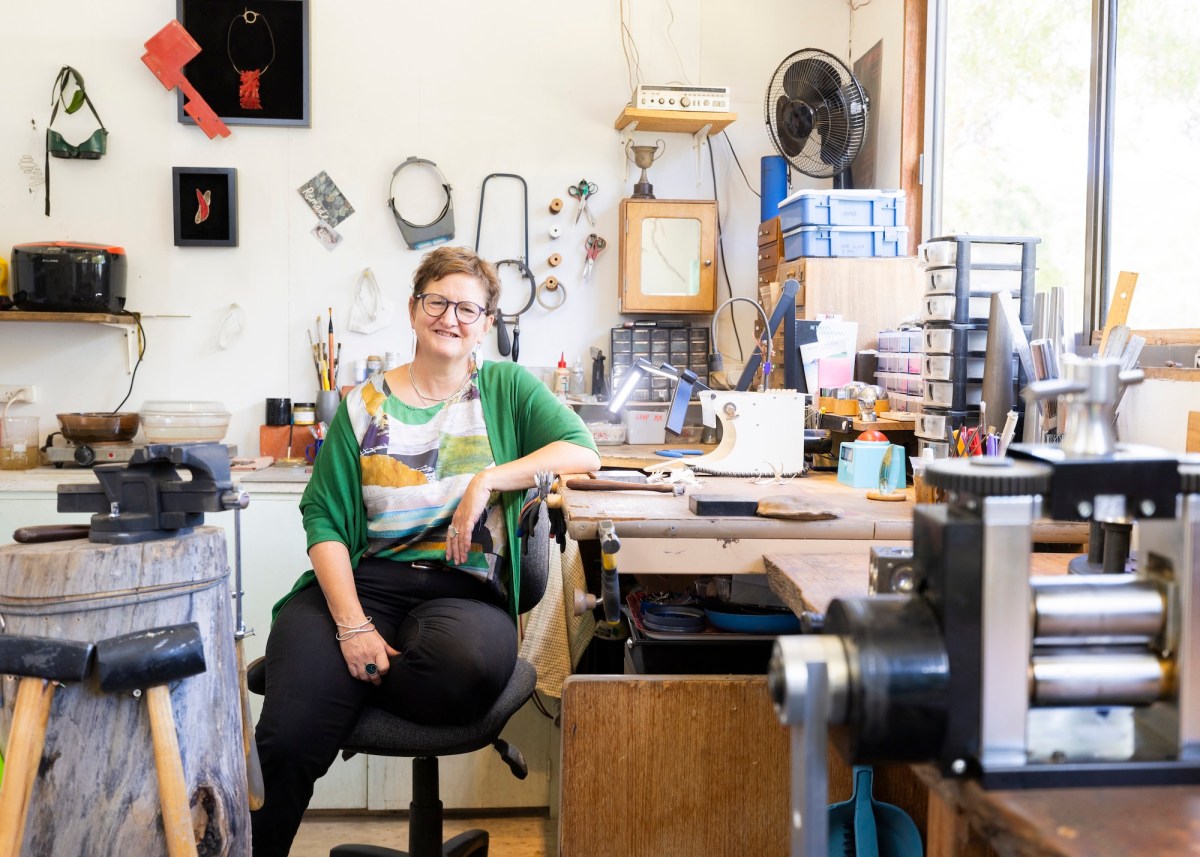
To understand how jewellers are navigating this shift, ArtsHub spoke with Blanche Tilden (Victoria), Sophie Carnell (Tasmania), Gabi Harris (Queensland), Tracy Hopkirk (New South Wales) and Jane Bowden (Zu Design, South Australia).
Jewellers share their strategies – quick links
What is driving the price spike?
Over the past year, gold has hovered between $4500 and $5000 per ounce, while silver has seen dramatic increases – at one point doubling in late 2025.
This surge results from a ‘perfect storm’ of geopolitical and structural pressures. Financial institutions are increasingly shifting away from the US dollar into physical gold, while silver is being pulled in two directions: as both a precious metal and a critical resource in our ‘green transition’.
The global push toward renewable energy is a major factor. Solar panels and electric vehicles rely heavily on silver, consuming large quantities that might otherwise have been used in jewellery. The result is sustained demand and a likely long-term elevation in prices.
For jewellers, this may not be a temporary spike but a new baseline.
The creative pivot
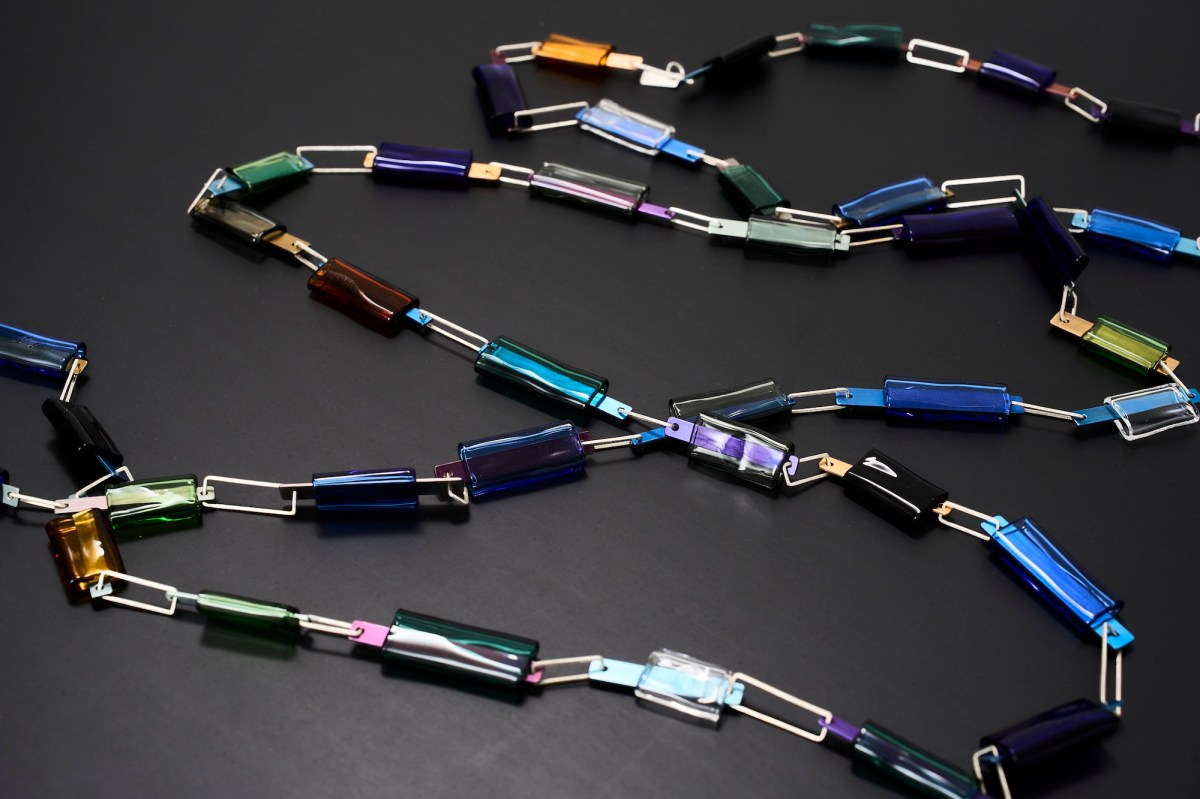
For Melbourne-based jeweller Blanche Tilden, silver is integral to her work, acting as a structural and visual connector in her designs. As prices climb, adaptation is unavoidable.
‘My first response to the steep hike in the price of silver has been to refine my silver scrap and recycle what I can,’ Tilden tells ArtsHub. ‘Going forward, I will need to modify my designs to use less silver or pass on the rising material cost to my clients.’
She continues: ‘Working with less silver in new work is a creative challenge that is pushing me to work in innovative ways with other materials. I already use glass and industrial metals, such as titanium in many of my designs.’
Tasmanian jeweller Sophie Carnell is facing similar pressures. Known for her sculptural, botanical works, she relies heavily on silver as a conceptual base. She is currently preparing for a major solo exhibition in 2027. ‘It’s been quite nerve-wracking watching the cost of silver rise,’ she admits.
‘I am considering the size of my works now, but mainly I’m riding out the high prices by melting down offcuts and scrap and using all my stocks,’ she says.
For Carnell, however, silver is conceptually central. ‘The intrinsic preciousness and meaning of silver has a deep underpinning in the conceptual basis of my work, so I don’t really feel that there’s much room to move for me at the moment. I’m kind of at the mercy of the market for this one!’
Her advice is to ‘download an app which shows live price of silver so you can keep a close eye on what the market’s doing and buy when it’s low – I use Kitco.’
Pricing pressure and business realities
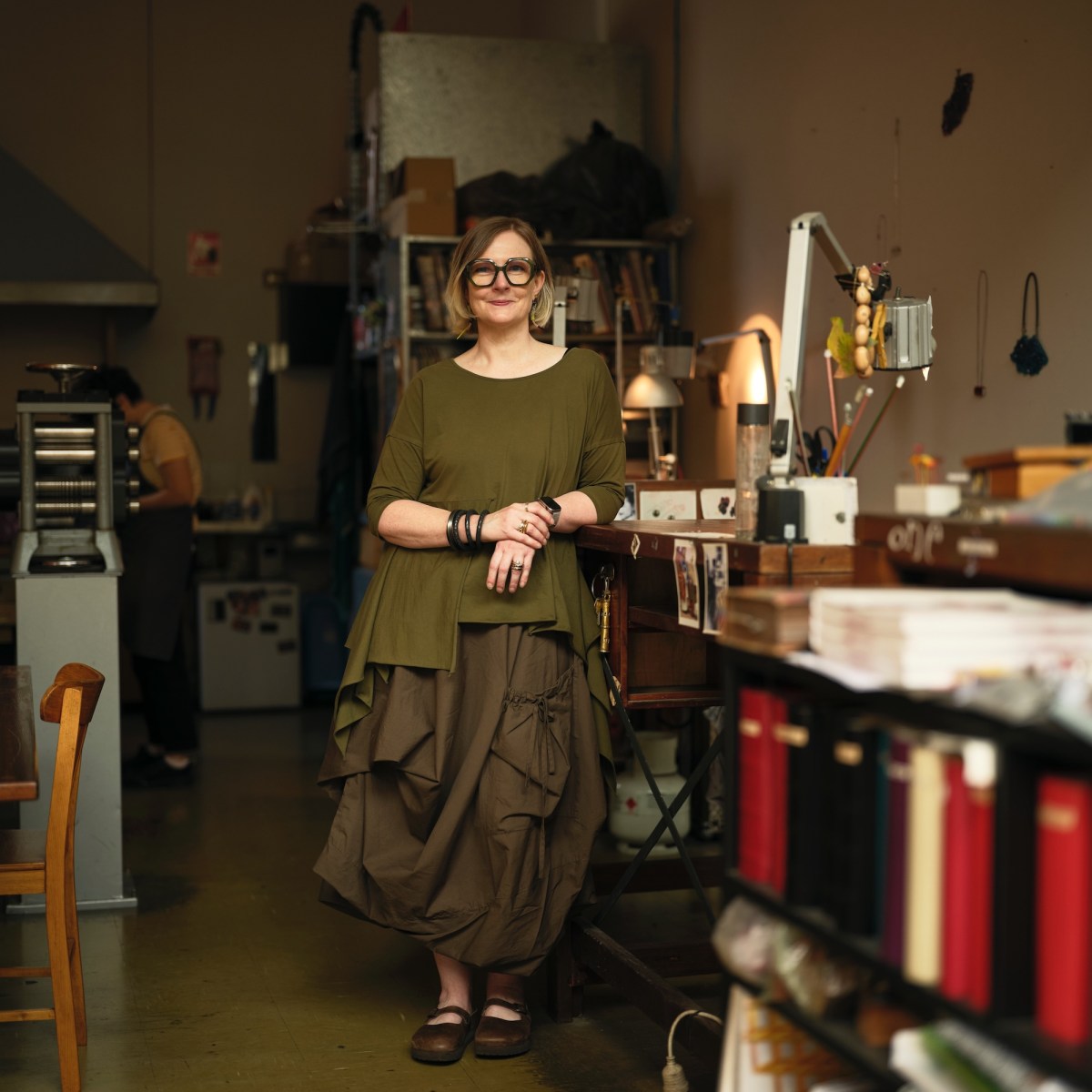
For Adelaide-based jeweller and gallery owner Jane Bowden, rising costs are affecting every aspect of the business.
‘At Zu Design I’m constantly encouraging makers to update their prices so they stay aligned with material costs,’ she says. ‘If work sells at old prices, it quickly becomes unsustainable.’
Fluctuating metal costs have also made quoting more complex. ‘I can’t offer even rough estimates anymore. Every piece now requires an accurate quote at the design stage, and sometimes I price daily, as metal costs can change before a client confirms the work.’
Despite this, Bowden notes that the materials themselves remain central to her practice. Instead, the shift is changing how clients engage.
‘Clients are increasingly recycling jewellery they no longer wear,’ she says. ‘It helps manage costs without compromising on materials.’ This move toward reuse is becoming a key strategy across the sector, aligning economic necessity with sustainability.
ArtsHub: Makers are not factories, so stop treating us like one
Other metal and material alternatives
While some jewellers are adjusting reluctantly, others find their long-standing approaches newly validated.
Gold Coast-based jeweller Gabi Harris has always worked primarily with brass and copper, initially out of caution but ultimately as a deliberate artistic choice. ‘I avoided expensive materials because I was scared of wasting them,’ she says. ‘That pushed me towards brass and copper, and I fell in love with what they can do.’
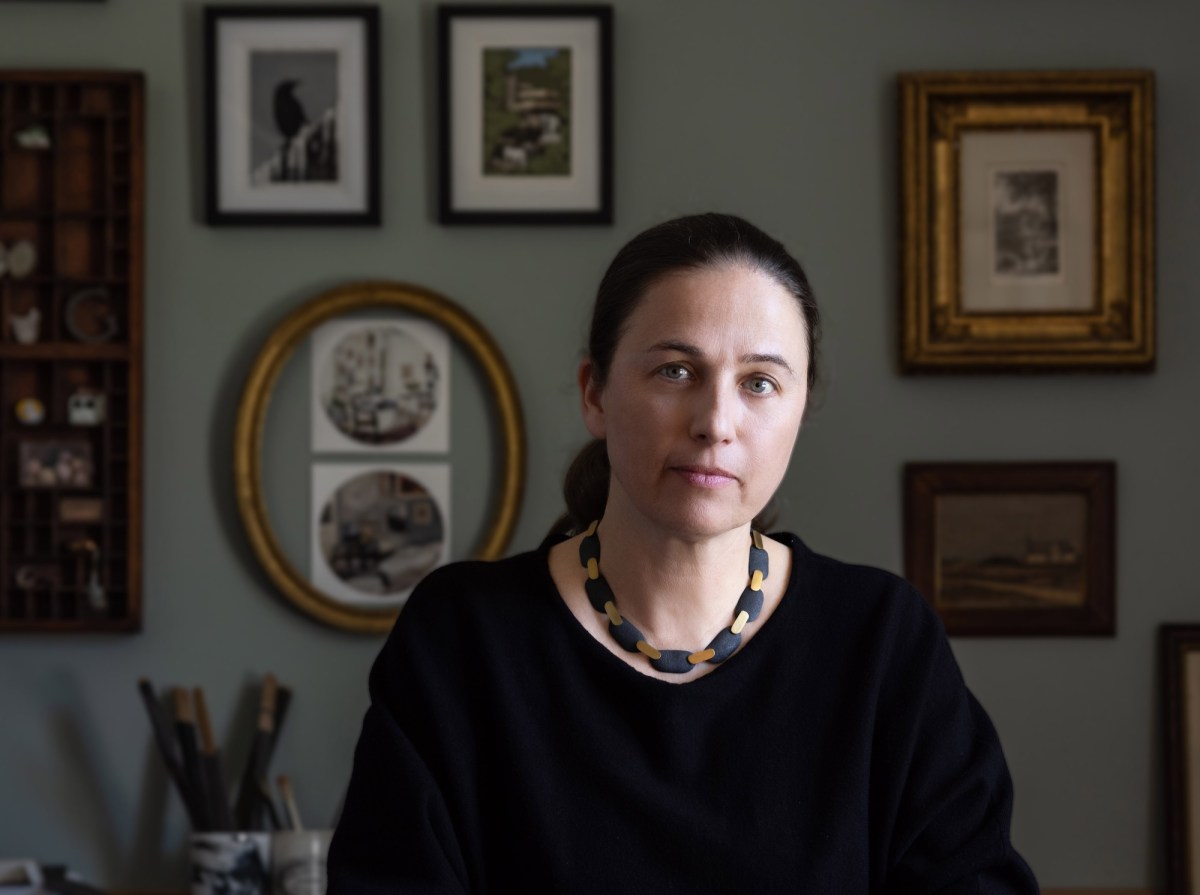
Using techniques such as oxidisation, enamelling and chasing, Harris creates richly textured surfaces without relying on precious metals.
For Harris, the value lies in the labour and the emotional or conceptual meaning rather than the market price. ‘I’ve always been interested in what materials can do, not what they’re worth,’ she says.
‘My work is art jewellery rather than fine jewellery, so the value isn’t in the preciousness of the metal, it’s in the process, the exploration of materials and the emotional or conceptual meaning of the piece.’
Impact on emerging careers and learning
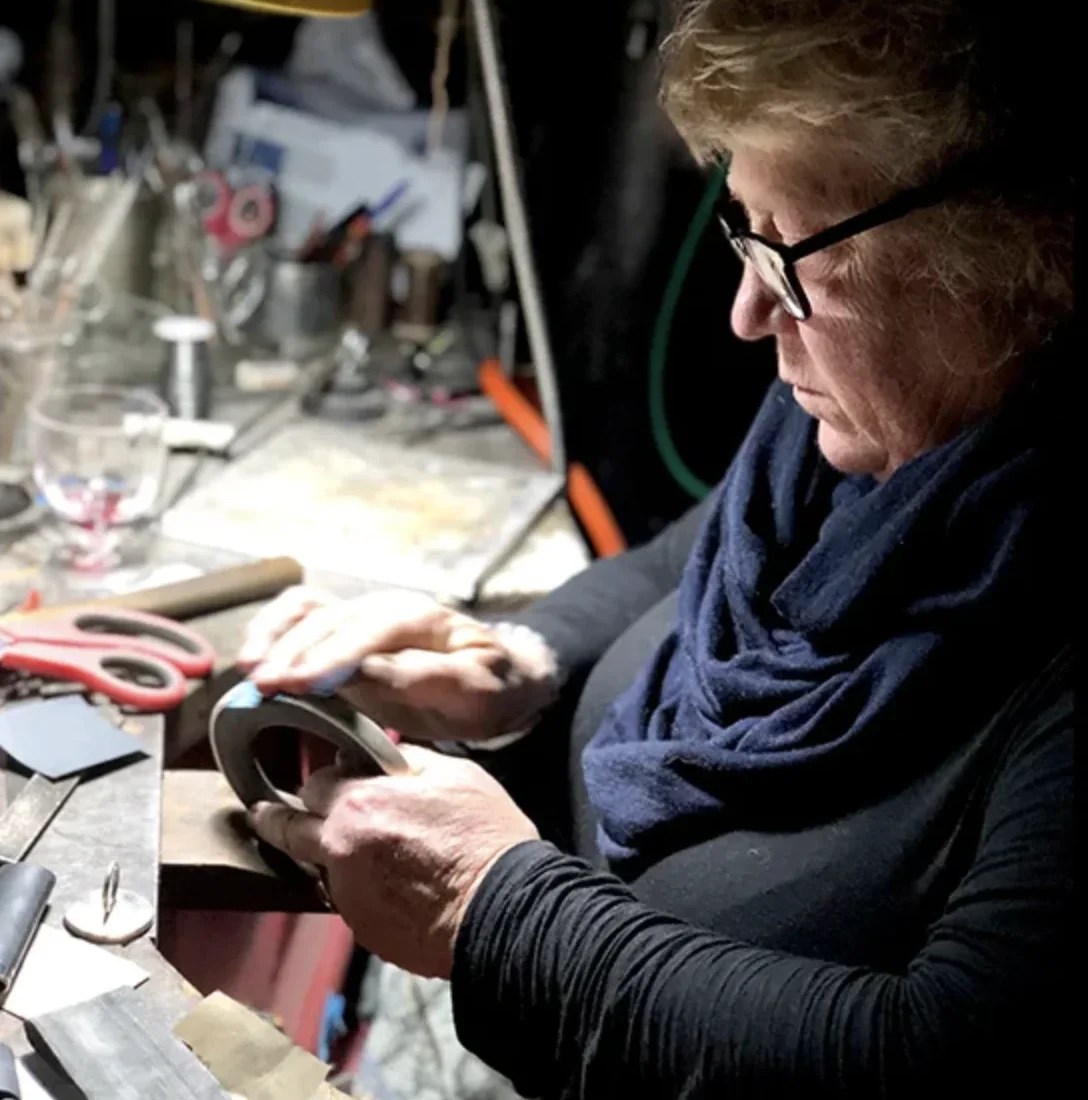
Southern Highlands-based maker and educator Tracy Hopkirk is seeing this material shift firsthand in the classroom. ‘I have been telling all my students and customers: brass is the new gold! If left to be itself, the patina on worn brass is very nice, and paired with silver it’s a winning combo that doesn’t need to break the bank.’
Hopkirk described a student project to highlight the staggering reality of the market. ‘I had someone who made beautiful Christening cup with me maybe a year ago for a cost of a few hundred dollars, the same cup, the sterling silver sheet required was $1400.”
In teaching, cost pressures are changing processes. Students now use base metals for prototypes, reserving precious materials for final pieces. ‘We do mock-ups in cheaper metals, especially for techniques like hollow forming,’ Hopkirk explains.
Hopkirk says she will adjust her prices ‘for sure’, adding that she believes that ‘precious metals will continue to climb in price … This isn’t something we’ll ride out.’
To her eye, the trend is long-term. ‘It’s been a long time coming,’ she says, adding that, ‘it is hurting the industry, and I see it in my students work. These people don’t make work for a retail market – they are learning, or making gifts.’
The new normal – and who pays
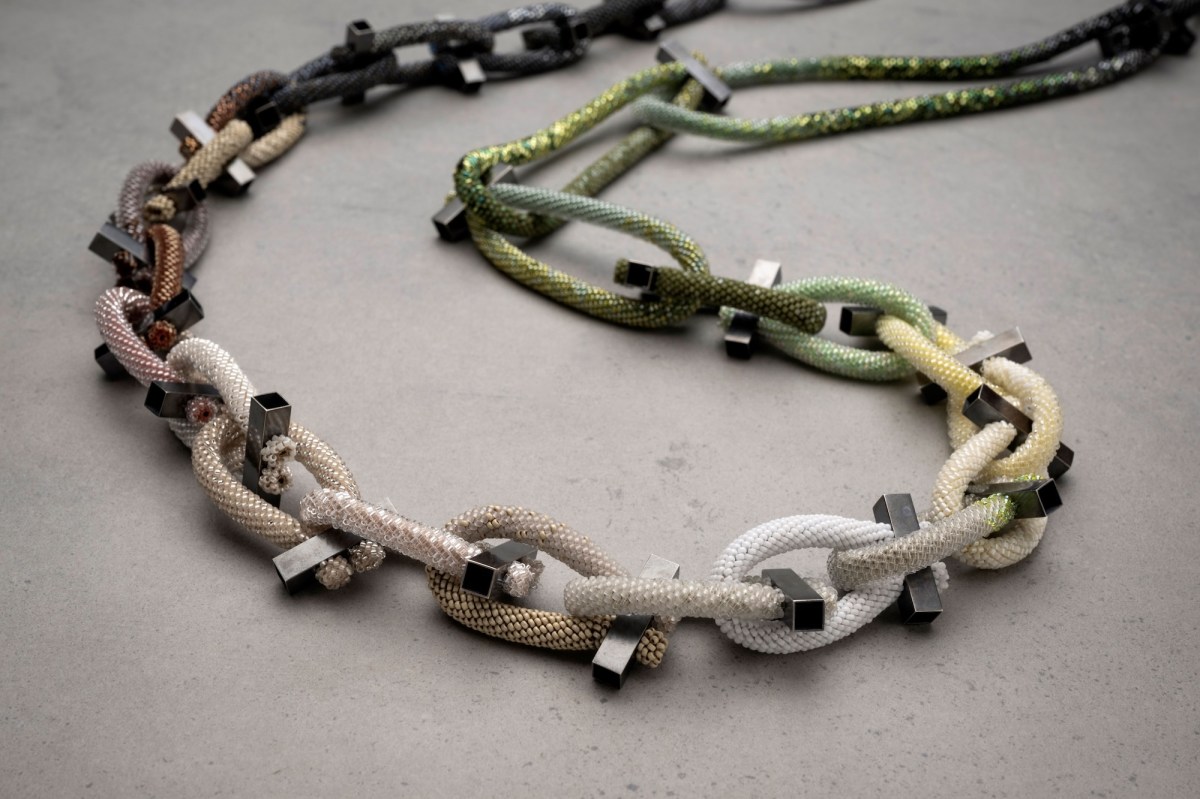
Rising costs are also reshaping how jewellers sell their work. Tilden has increasingly moved to a ‘make-to-order’ model, bypassing the traditional consignment lag to negotiate prices based on the daily silver rate. ‘I’ve absorbed some cost increases,’ she says, but as prices keep climbing, she has shifted to ‘making work to commission rather that making work and selling on consignment’.
Tilden says this is giving her greater flexibility to negotiate a sale price directly with a client based on the daily price of silver. ‘Clients understand that the price rise for silver needs to be added to an earlier price for a work,’ she adds.
Bowden, who also does a lot of commission-based work, agrees. She tells ArtsHub that, ‘clients have always given price parameters. Those constraints actually help me to design – makers are problem solvers.’
ArtsHub: What I learnt as an artist judging an international craft prize
Wisdoms from the workbench
While the current climate presents challenges, many jewellers see it as an opportunity to reshape how their work is understood.
Bowden believes education is key. ‘When someone buys a piece, they’re not just purchasing an object – they’re supporting a maker and recognising the skill, care and individuality behind it.’ She continues, ‘That’s more important than ever as handmade work competes with mass production.’
Across these conversations, a shared set of strategies emerges:
- Track the market – Carnell suggests downloading an app like Kitco to track live prices. ‘Buy when it’s low,’ she advises.
- Invest in stock – Hopkirk, who luckily bought three kilos of silver granules years ago, suggests that if you have the capital, ‘it’s better gains than any bank’.
- Educate the client – Harris and Tilden agree that the role of the maker is now partly that of an educator. Harris says, ‘We need to keep educating audiences that jewellery doesn’t have to be made from scarce materials to be meaningful.’ Bowden agrees. ‘Even if you love what you do, you still deserve to be properly paid for it,’ she says.
Bowden notes the difficulty many makers face in pricing their work. ‘Many couldn’t afford to buy their own pieces,’ she says. ‘But what we offer is more than jewellery. Our pieces help people mark moments, hold memories, express personality and start conversations. They carry meaning. You can’t really put a price on that.’
Harris echoes this perspective. ‘Constraints can be generative,’ she says. ‘Working with what’s available can push creativity and innovation. The materials I choose are always in service of the idea rather than the cost.’
Tilden’s final wisdom echoed a similar deep philosophy: ‘The only constant in life is change.’
Whether it’s melting down offcuts, embracing the patina of brass, or refining the engineering of a glass link, these makers are proving that while the price of silver may be volatile, the value of the maker’s mark remains golden.