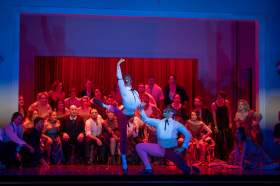
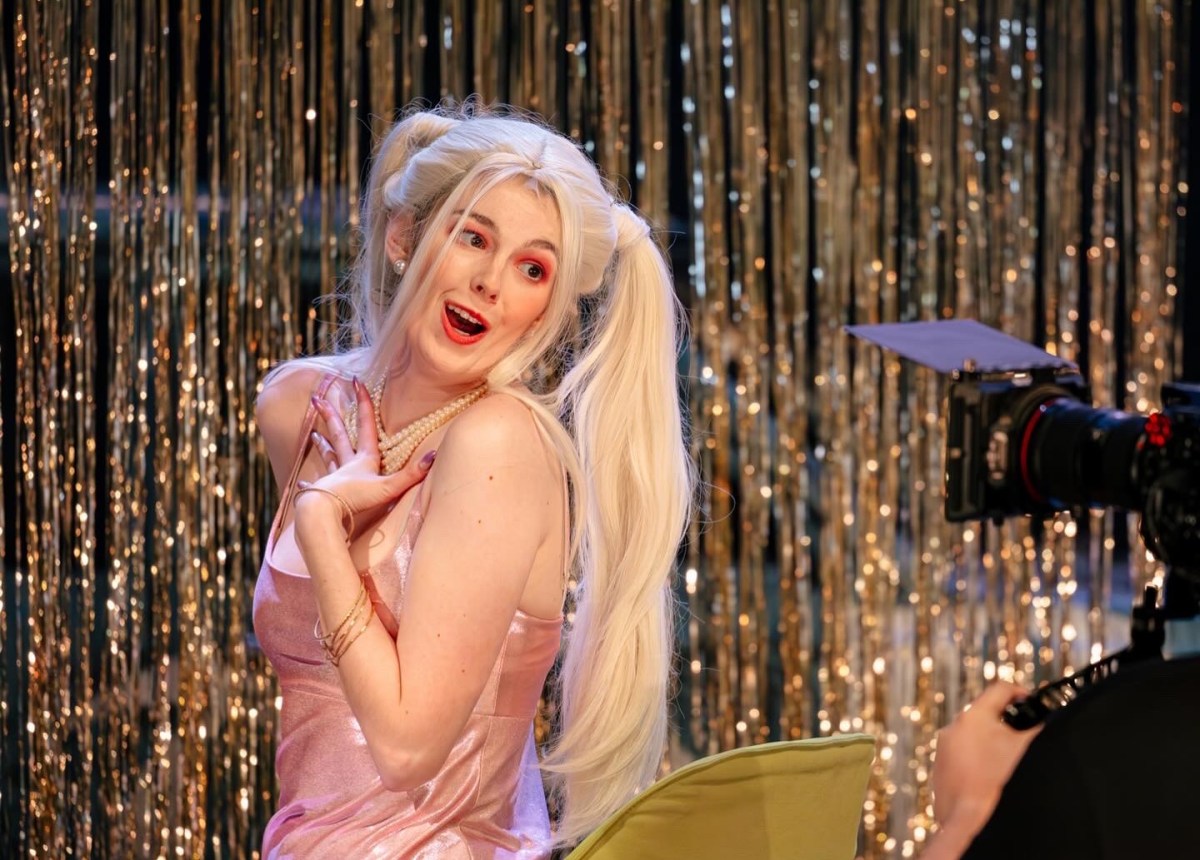
Opera in Australia has an image problem: young people do not think it is for them. Expensive tickets price them out, language barriers are alienating, and historical costumes and plots create cultural barriers. In a cost of living crisis and with more contemporary acts on offer, many young Australians see opera as either inaccessible or irrelevant.
To bring in the demographic, opera companies have adjusted their programming, offered discounted tickets and ramped up social media advertising. But has this been enough to change perceptions and entice young people? What benefits does opera offer young Australians, and are accessibility measures going far enough?
Opera and young people – quick links
The challenges for opera companies
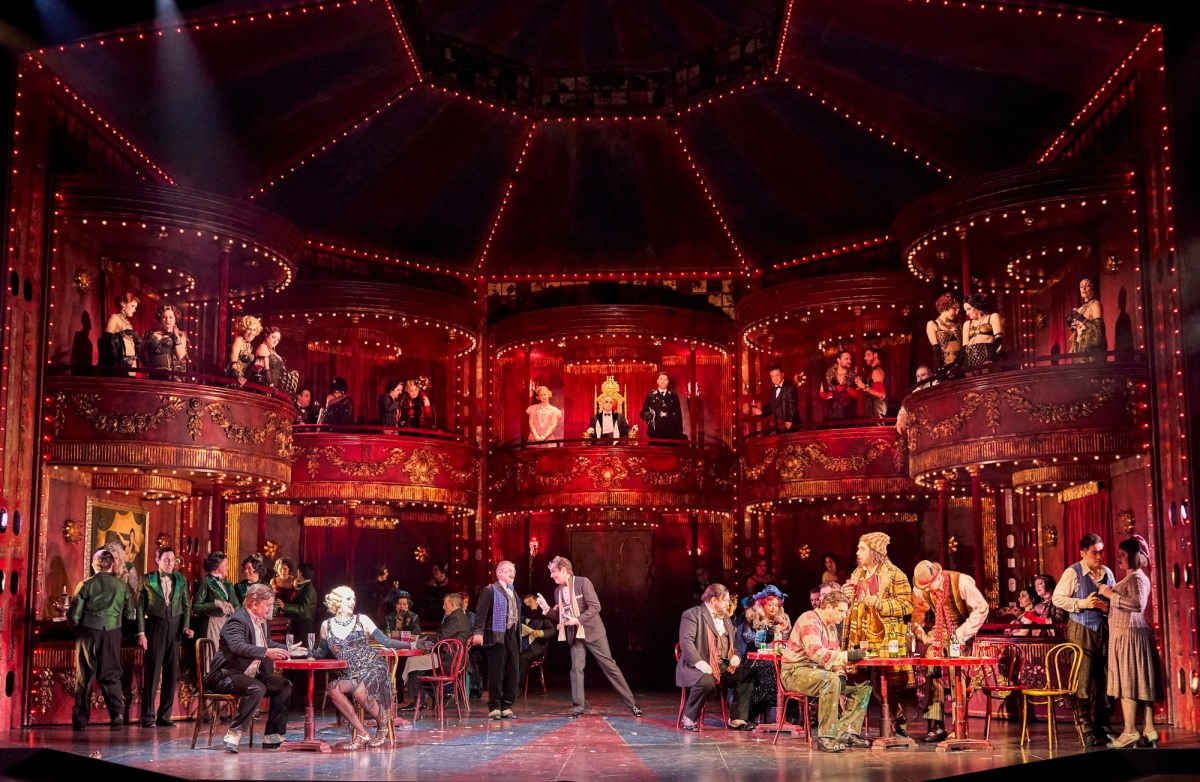
Australian opera companies value young people, but recognise the challenge in appealing to them. General perceptions of the art form can be critical. As Ilona Brooks, Co-Executive Director at Pinchgut Opera says: ‘Opera carries some tired myths about being grand, long and exclusive.’
There is also a perceived lack of understanding. Ali McGregor, Soprano and Creative Director at FLUXUS Opera Lab, says the biggest misconception young audiences have about opera is that it is ‘only for trained insiders who already get it’.
Simon Meilak, Director of Marketing and Communications at Opera Australia, adds that the unfamiliarity with opera creates barriers, as attending it ‘can feel like a big step’.
What opera can offer younger audiences
Opera’s status as ‘high’ art is relatively new. For most of its history, opera was popular entertainment. Only in the mid-19th century did opera start to get seen as an ‘elite’ art form. When that status is removed, opera offers an unmatched experience. Brooks says that is why young people should care about it.
‘Opera is the original multi-sensory experience: music, theatre, spectacle, emotion, all woven together,’ she says. ‘It has the intensity and emotional literacy young people value, and it rewards curiosity in a way few art forms can.’
That combination of emotionally resonant storytelling and intensity is special. As McGregor says, ‘Nothing feels like being in a room with live music, with breath and sweat and tears.’ Such displays showcase what opera is about.
Meilak adds, ‘You don’t need any prior knowledge. It’s about how it makes you feel.’
Finding a way to the artform
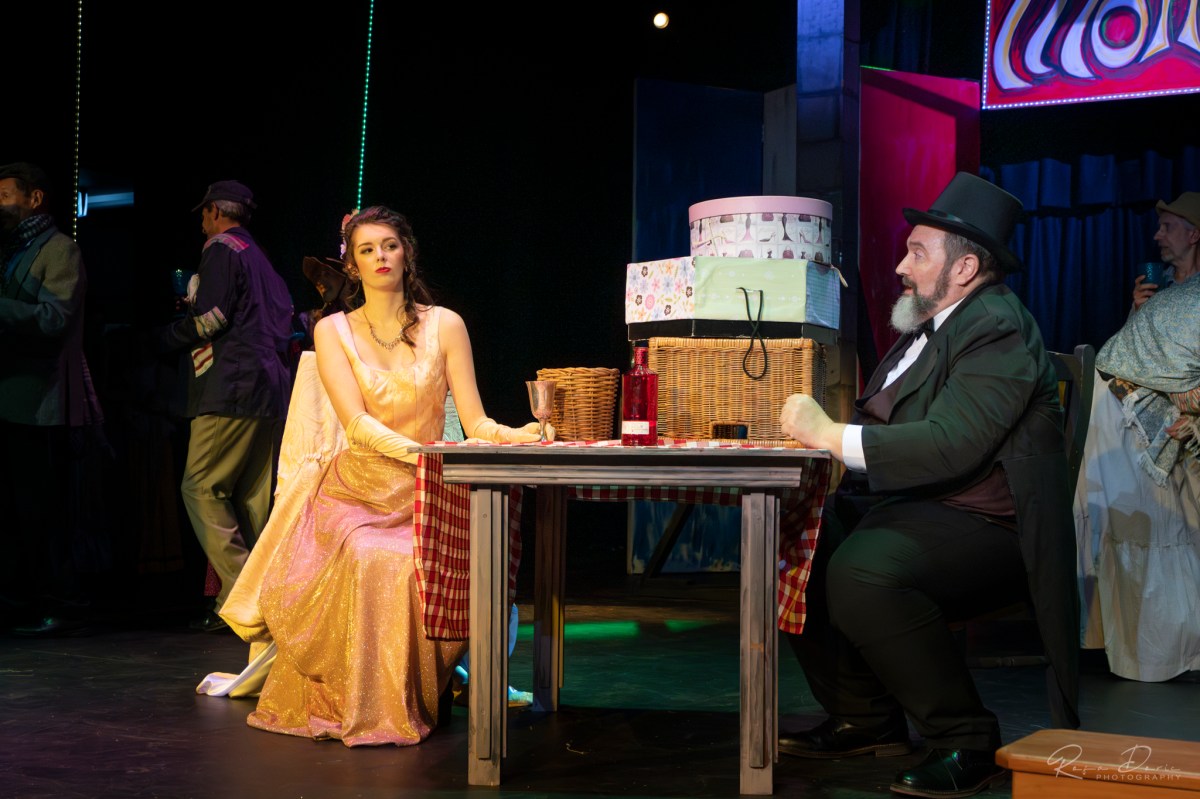
If young people are exposed to opera, and allowed to feel, then they can see what it offers. For Greek-Australian soprano Galatea Kneath, that exposure came at age four through her piano teacher. At age nine, she was cast in Opera Hunter’s production of Carmen. Now a professional, her favourite part about opera is connecting with an audience.
‘A really big part of it is being able to see how the art touches them,’ she says. ‘I really like that shared humanity, and also how everyone can bring their own individual experience.’
The journey was a little different for Shanul Sharma, an Indian-Australian tenor. He came across a video of Luciano Pavarotti while writing his rock band’s third album and was hooked by Pavarotti’s voice, which ‘just kept soaring,’ he says.
Following that exposure, Sharma shifted to opera 11 years ago and is now one of Australia’s most acclaimed tenors.
Kneath and Sharma’s exposures to opera can be replicated. The local opera scene is broad and welcoming. Companies like Opera Hunter, Rockdale Opera, Operantics and Pacific Opera Studio put on productions for metropolitan and regional audiences that are cheap and accessible. Professionally recorded opera shows are increasingly available online. Community and outdoor performances offer free, casual means of interacting with the art form.
Tackling the relevance problem
Despite these opportunities, opera can still be difficult to connect with today. Meilak, Brooks and McGregor all say that contemporary relevance plays an important role in programming. This relevance can be found, they believe, in the timelessness of an opera’s themes, the relatability of stories and characters, and with works that reflect young people’s lives and identities.
There are attempts to make opera more contemporary. Fluxus is actively investing in new forms and voices through its Opera Lab program. Launched in Sydney in October, the program offers mentorship, grants and development opportunities to Australian creatives with the goal of shifting the culture of opera-making in Australia.
Read: Orpheus & Eurydice review – a magisterial marvel
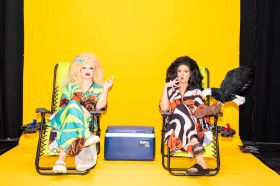
Other attempts include Pinchgut’s ‘tiny operas’ – 60-minute performances designed to offer an undiluted taste of Baroque – and Opera Australia is reprising Opera Up Late in 2026, promoted as ‘a wild ride through the world of opera with a decidedly queer lens’.
Alongside these experimental shows, well-known operas continue to be programmed. This is because of title familiarity, which Meilak said provides reassurance and comfort to new attendees.
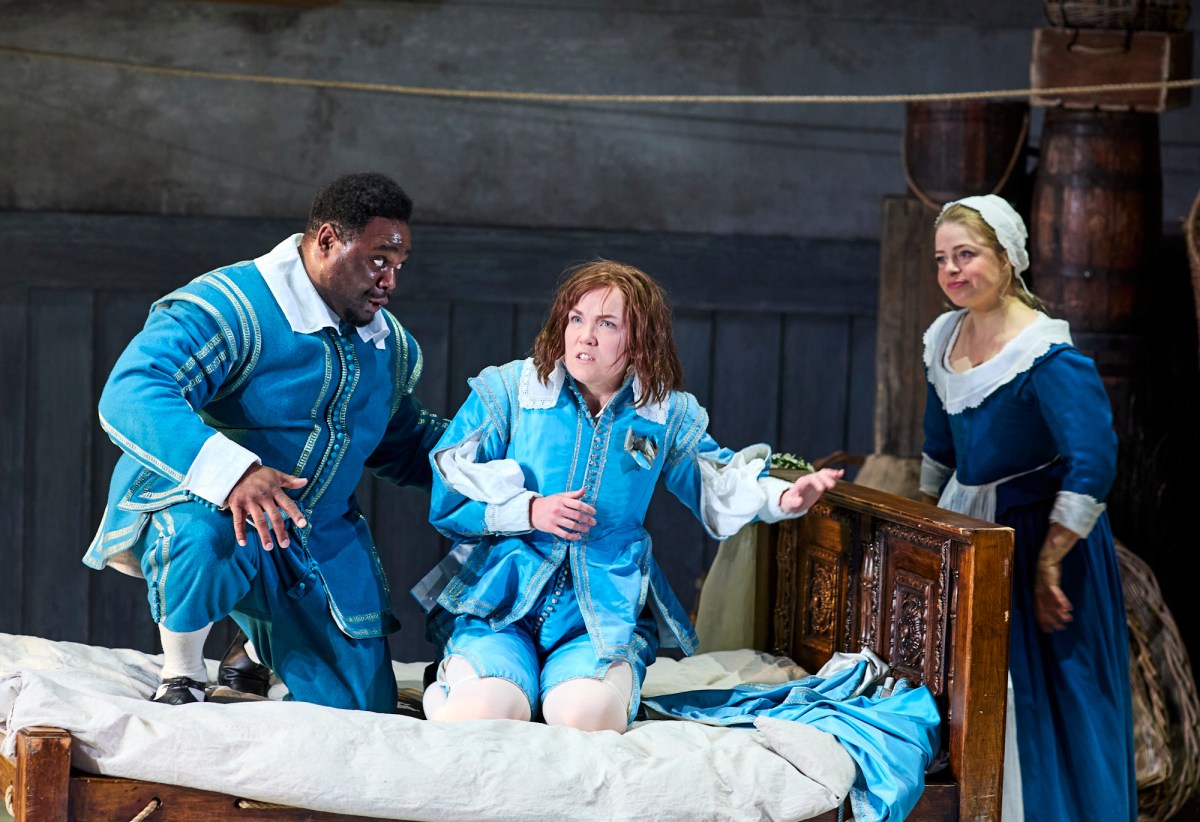
But opera also frequently crosses over in to other art forms, which can help engage younger audiences too. In music, for example, Meilak identified that Rosalía’s album LUX ‘blends pop with operatic techniques and classical influences’. In theatre, Sharma noted that the musical Rent is a retelling of La Boheme, and Kneath spoke about SuperFlute, an adaptation of The Magic Flute with Nintendo characters and settings.
The next generation and the future
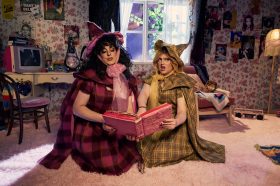
Opera companies say their programming – and reduced ticket prices – are successfully bringing in young people. Brooks says Pinchgut saw ‘a 17% increase in attendance from the under-35 segment’ in 2025, driven largely by their ‘tiny opera’ model (which offers cheaper tickets) as well as the programming of the comedy Maid Made Boss.
Read: Are opera audiences really in decline? Big picture results reveal all
In the 2024 financial year, Opera Australia’s post-show surveys recorded that people under 40 made up 33% of respondents, and 2,529 student rush tickets (priced at $35) were purchased by students in Greater Sydney.
Despite this momentum, all agreed that more can be done to engage the demographic.
Brooks wants ‘more variety in scale, more courage in titles, and more room for works under 90 minutes’. McGregor offers various ideas, including ‘hybrid presentations that break down the mainstage recital format,’ embedded social experiences that make opera feel participatory, and ‘super-cheap tickets offered to students and under-25s in the final hour before a performance’.
Sharma also wants more conversations about the classical arts involving opera, and more awareness of discounted ticket options for people under 30.
Ultimately, opera offers plenty to young Australians. It is a highly visual affair with a strong emotional core and enough adaptability to stay relevant. It is now incumbent on opera companies to continue developing their accessibility measures and programming to produce shows that engage and resonate with the demographic.
If they can, and opera successfully captures the next generation, the future is bright. Opera can evolve, the performers can provide visceral experiences, and audiences can continue to feel. Most importantly, the artform does not become exclusive – or worse, stuck in the past.
This article is published as part of ArtsHub’s Creative Journalism Fellowship, an initiative supported by the NSW Government through Create NSW.