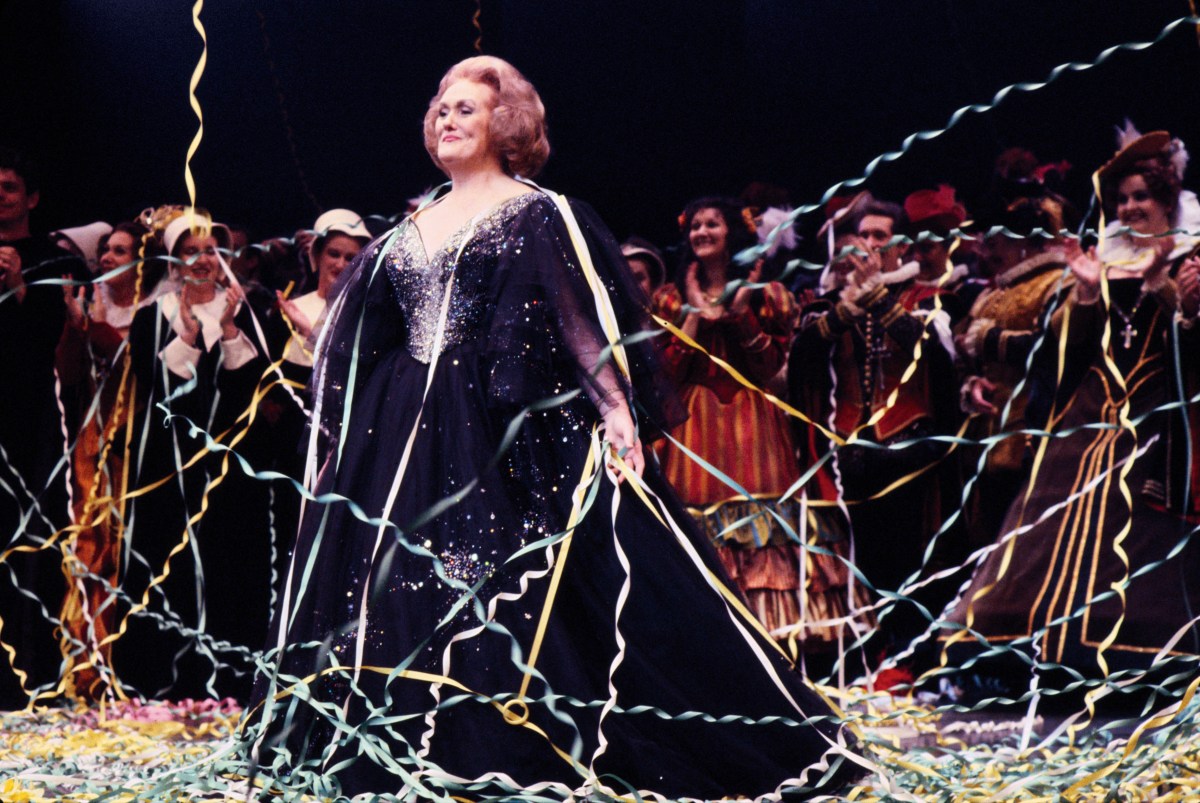
On 7 November, it will be the late Dame Joan Sutherland’s 100th birthday. Sixteen years after her death in 2010, the legendary Australian soprano’s influence can still be felt well beyond the world of opera.
She was more than an extraordinary voice. Her name remains woven into the country’s cultural fabric, and not just because several prominent theatres and buildings are named in her honour, including the Sydney Opera House’s Joan Sutherland Theatre.
Known internationally as ‘La Stupenda’, Sutherland was one of the great sopranos of the 20th century. Audiences were known to camp overnight for tickets to see her perform. Her international success helped shift perceptions of what Australian artists could achieve, while her performances at home helped establish opera as a permanent fixture of the country’s performing arts landscape.
Joan Sutherland’s 100th birthday – quick links
The timeless glamour of Joan Sutherland
She also wore some rather spectacular costumes, while she was at it, too. One of the most striking artefacts from her extraordinary career is a black velvet and tulle gown, designed by the prolific Tonina Dorati and worn during a celebrated 1965 national tour of La Traviata.
The gown is also particularly significant for who she performed alongside while wearing it: a then little-known Italian tenor named Luciano Pavarotti, who would go on to become one of the world’s most celebrated opera singers.
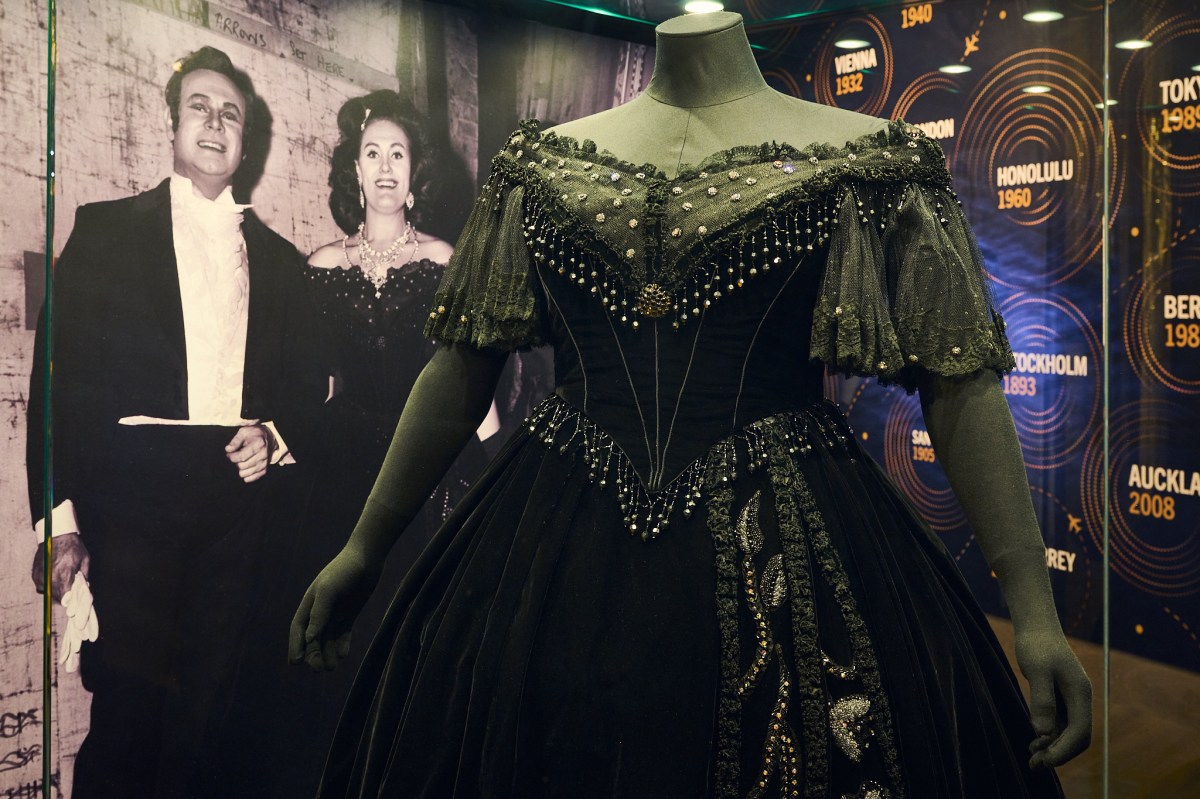
Now part of the Australian Performing Arts Collection, the gown is among the treasures featured in ENCORE! 50 Objects. 50 Years. One Collection, an exhibition celebrating the stories behind Australia’s performing arts history at the new Australian Museum of Performing Arts within the Arts Centre Melbourne.
Why her legacy endures
As her centenary approaches, we spoke to Ian Jackson, curator of dance and opera at the Australian Museum of Performing Arts, about the Dame’s remarkable career and the legacy she leaves behind. Here are five reasons Sutherland remains an enduring cultural icon – and why her influence still matters.
1. She helped change the sound of opera
Sutherland didn’t simply master the operatic repertoire: she helped bring parts of it back to life.
Working closely with her husband, Australian conductor and pianist Richard Bonynge, she became associated with bel canto – a technically demanding style of singing that showcases extraordinary vocal agility, control and range.
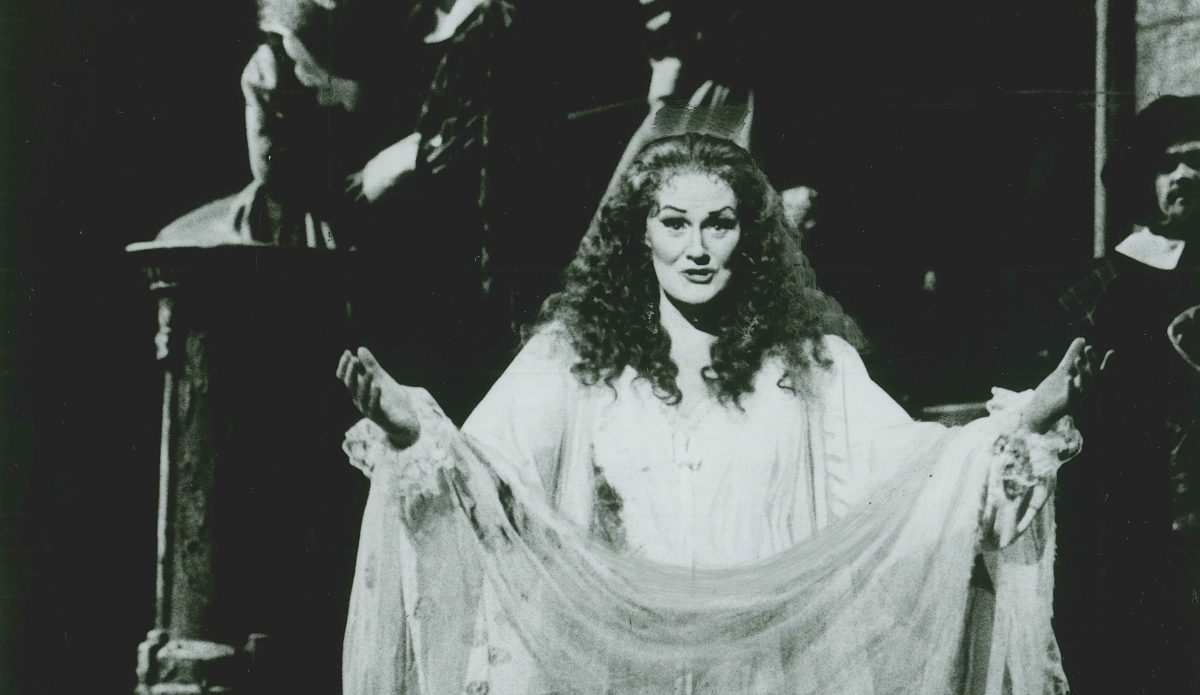
The operas of composers such as Bellini, Donizetti and Rossini had fallen out of favour, in part because of the difficulty of performing them. Bonynge recognised that Sutherland’s voice was particularly suited to this repertoire and encouraged her to explore it.
The result was a remarkable artistic partnership that helped revive works that had been long neglected. Sutherland became renowned for performances that seemed to defy the limits of the human voice, earning the nickname ‘La Stupenda’ – ‘the astonishing one’.
‘Between them, they changed opera,’ Jackson tells ArtsHub. ‘Through her extraordinary voice and her extraordinary stage presence and charisma, she was able to expand the operatic repertoire, to draw attention to works that hadn’t been so well known.’
2. She helped put Australian opera (and Pavarotti) on the map
Sutherland’s international success was a source of enormous national pride – but her impact on Australian performing arts was just as significant.
She made her concert debut in Sydney in 1947, before heading overseas to pursue the opportunities that Australia’s relatively limited opera infrastructure could not yet provide. By the time she returned to tour with the Sutherland-Williamson Opera Company in 1965, she was an international star.
Organised by theatrical promoter JC Williamson, the tour brought major operatic productions to Australian capital cities at a time when the country did not yet have a national opera company. Audiences turned out in extraordinary numbers, with some camping overnight to secure tickets. The productions also featured Australian singers, giving local performers the opportunity to work alongside internationally celebrated artists.
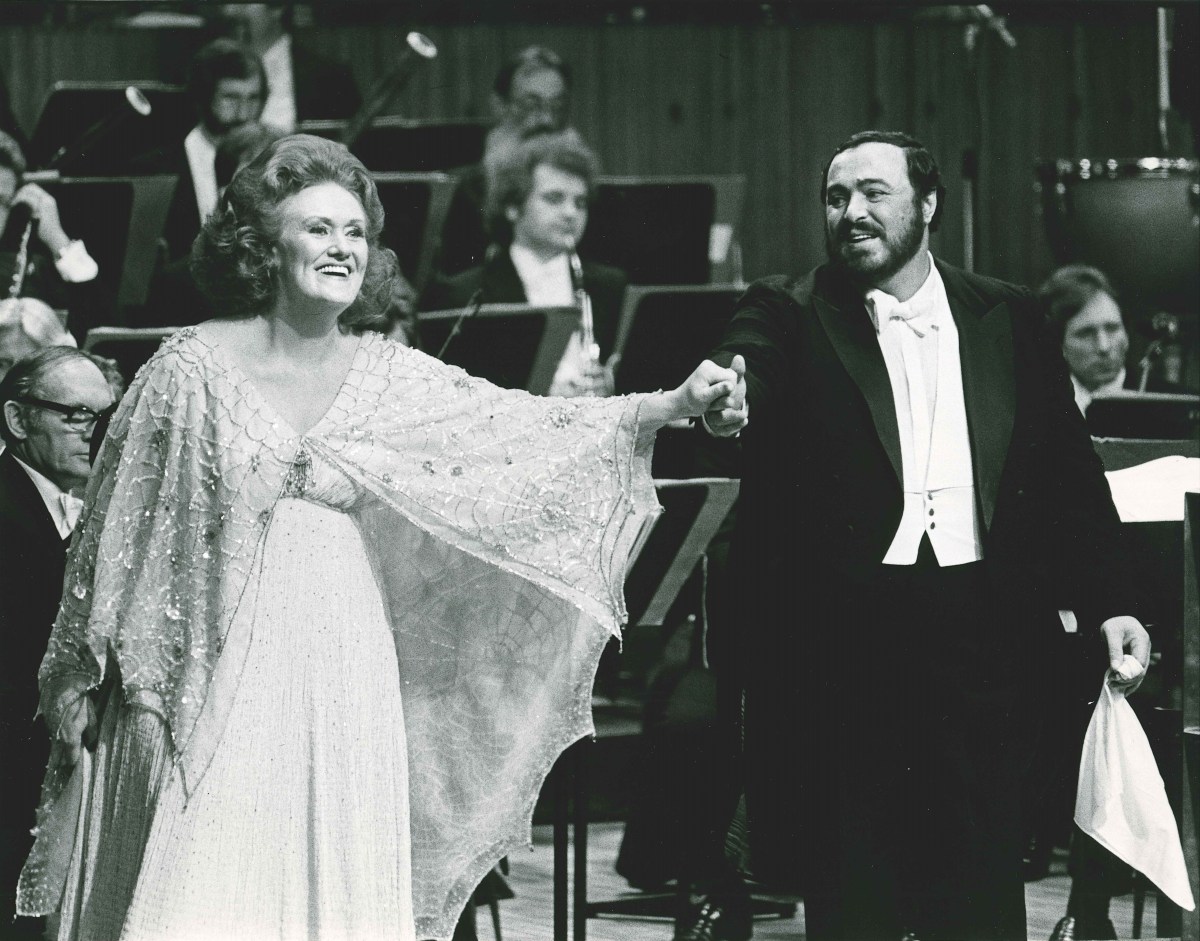
Jackson describes the tour as a pivotal moment in building opera’s profile in Australia, helping create the momentum that led to the formation of the Australian Opera (which later joined with the Victorian Opera and became Opera Australia). Sutherland would continue to support the company in the years that followed, particularly during Bonynge’s time as artistic director in the mid-1970s.
The tour also brought a future superstar to Australian audiences. Luciano Pavarotti was selected as Sutherland’s leading tenor, despite being relatively unknown at the time.
‘They needed a male performer to be her counterpart. They went through various options, and they decided on this one Italian tenor [Pavarotti] who wasn’t a well-known guy at all. They liked his voice, and they also liked that he was as tall as Joan [who stood at 175 centimeters], because a lot of the singers were as tall as her,’ says Jackson.
The pair went on to perform and record together, with Pavarotti eventually becoming one of the most famous tenors in the world.
3. She made opera feel a little less intimidating
Opera can have a reputation for being exclusive, expensive, and difficult to understand. Sutherland’s appeal, however, extended beyond dedicated opera enthusiasts.
Despite her international fame, Jackson describes her as a down-to-earth figure who enjoyed a laugh and was often found knitting backstage. She also had a playful side, appearing on the American public television programme Who’s Afraid of the Opera?, which used puppets to introduce audiences to the artform.
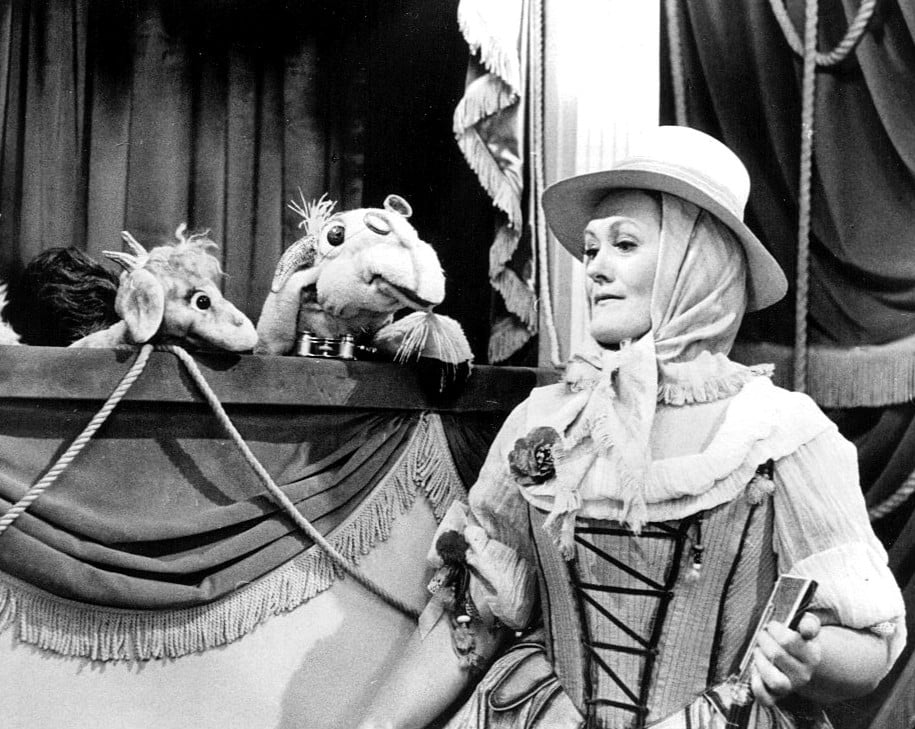
And while many of opera’s leading ladies meet tragic ends, Sutherland particularly enjoyed the lighter side of the repertoire. Jackson recalls her fondness for The Merry Widow, an operetta that allowed her to have fun on stage – and, importantly, for her character to survive (rarely a guarantee for women characters in opera!).
These stories offer a reminder that Sutherland’s extraordinary talent didn’t come at the expense of warmth or humour. She could command the world’s most prestigious opera stages while also helping audiences feel more at ease with an artform that can sometimes seem remote.
4. She helped open doors for the next generation
Sutherland’s success was built on talent, training and opportunity. Having benefited from the support of competitions early in her own career, she and her husband established initiatives to help emerging singers develop their craft.
The Joan Sutherland and Richard Bonynge Vocal Scholarship and associated singing competition continue that spirit of paying it forward, supporting young performers as they pursued further training and professional opportunities.
One former scholarship recipient is Australian soprano Stacey Alleaume, who performed as Violetta in Opera Australia’s 2026 production of La Traviata – the same role that Sutherland played.
It’s a particularly fitting connection: a new generation of Australian singers continuing to perform the repertoire with which Sutherland became so closely identified.
5. Her legacy is still tangible
Sutherland’s name lives on in theatres and performing arts institutions, as well as within her beautifully preserved family home in Switzerland, Chalet Monet, which is still lovingly tended ‘like a shrine to her’ by her surviving husband, who is now in his nineties. But some of the most evocative reminders of her career are the costumes she wore on stage.
Around 30 costumes from Joan Sutherland’s collection are held in the Australian Performing Arts Collection, donated by Opera Australia. The company’s wardrobe department had carefully kept them aside, recognising their historical significance, and protected them from being altered or reused in other productions.
The ENCORE! exhibition could have featured any of these costumes in the collection, says Jackson, but the selected gown captures a particularly significant moment: Sutherland returning to Australia as an international star, and helping to bring opera into the country’s cultural mainstream.
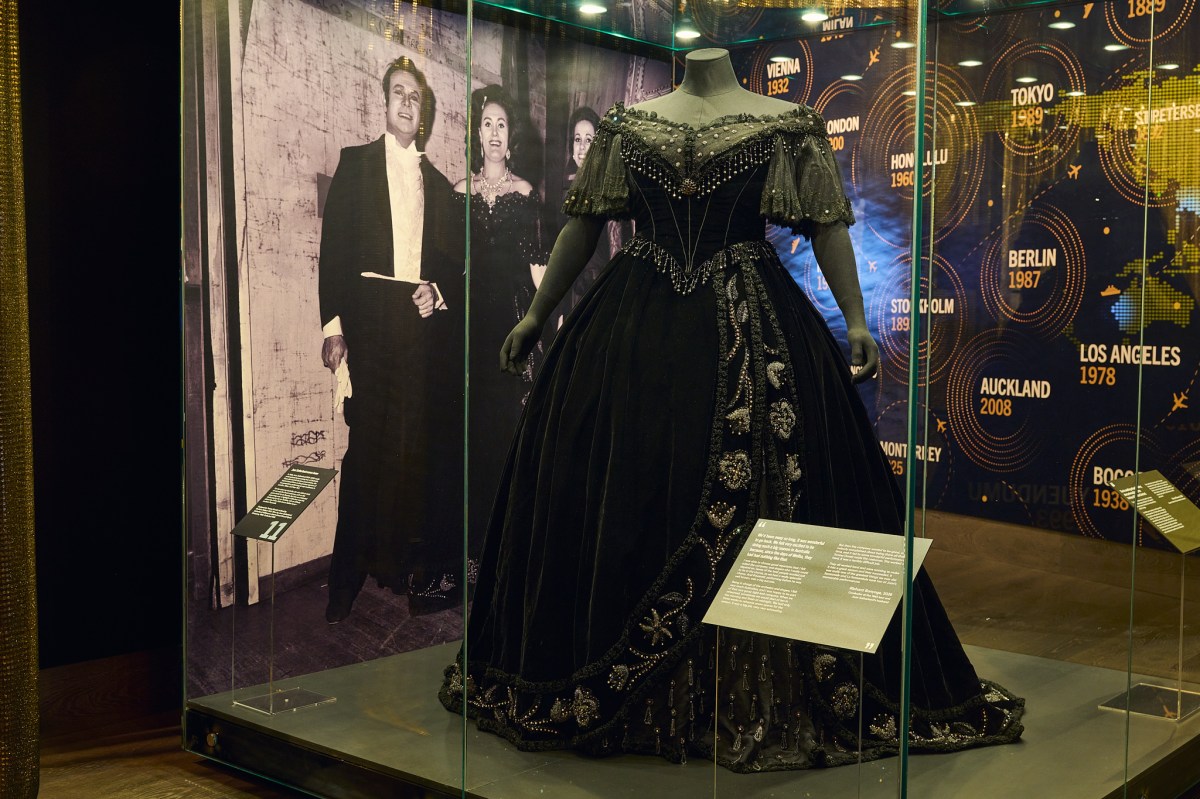
For Jackson, preserving these costumes is a privilege – a way of keeping Sutherland’s story accessible to people who may never have seen her perform. They are more than beautiful garments: they are tangible links to a performer who helped shape Australia’s cultural identity.
And while her final performances are now decades behind us, the objects, recordings, institutions and opportunities associated with her name ensure that her influence continues to reach new audiences.
A century after her birth, Joan Sutherland remains much more than one of Australia’s greatest opera singers. She is part of the story of how this country came to see itself as a place where extraordinary artists could emerge, thrive and change the world.