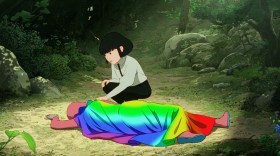
Antenna Documentary Film Festival returns to Sydney in 2026 from 5 to 15 February, with screenings at Ritz Cinemas, Dendy Newtown and State Library of New South Wales. With a packed program on offer, here are three films not to miss.
Antenna Documentary Film Festival 2026 – quick links
The Last Guest of the Holloway Motel
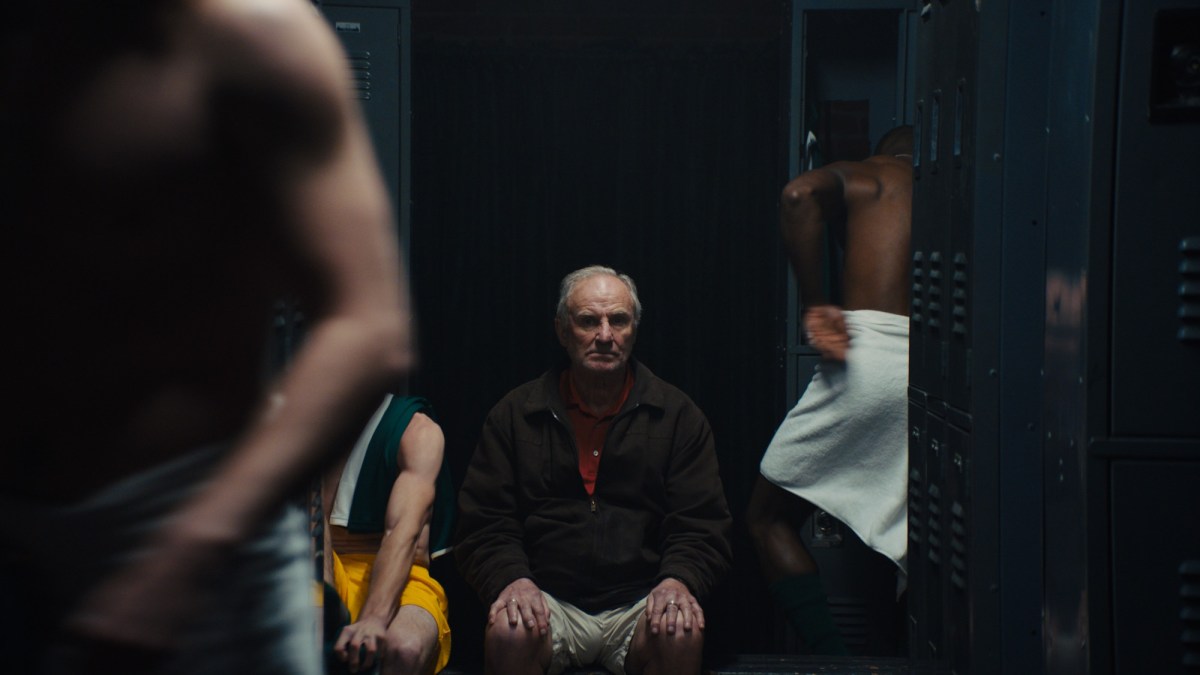
Opening the Antenna Documentary Film Festival, The Last Guest of the Holloway Motel is a tender, intimate portrait of an acerbic yet loveable man, and a poignant addition to contemporary queer documentary cinema.
Directed by Ramiel Petros and Nicholas Freeman, the film follows former English footballer Tony Powell’s unlikely journey from star sportsman to full-time resident and manager of the iconic Holloway Motel on Route 66. It traces a life shaped by secrecy, escape and a reluctance to be fully known.
Powell is tender, sassy and occasionally volatile – a man armoured by an abrasiveness that masks a deep well of heartache, and the fear he will be rejected if he reveals his true self. The camera observes this with care, using quiet comic timing to nudge at emotional truths.
In one moment, the filmmaker asks, ‘Can we come in?’ Powell looks back, shuts the office door and the camera lingers on a sign. Sorry, we’re closed. It’s funny, but also revealing.
Read: Top 10 LGBTQIA+ series and films to watch out for in 2026
The film traces Powell’s career highlights, his marriage and his new start in West Hollywood. It also charts moments of profound personal loss: Powell’s lover David, who died of AIDS in the 1980s; remembering Justin Fashanu, England’s first openly gay professional footballer; and the heartbreaking choice to euthanise his beloved chihuahua, Samantha.
We come to know Powell more through omission than confession, relying on friends and chosen family – Erika, Chris and David’s sister Stacy – whose interviews fill the spaces he leaves unspoken.
Blending expository and participatory documentary, Petros and Freeman encourage Powell, guiding him to reunite with estranged sisters Jane and Denise – and to confront the uncomfortable truths that have caged him in what he doesn’t want to remember but can’t possibly forget.
The film is especially important as a retrospective on LGBTQIA+ history, a reminder of how recent the strides forward have been, and how fragile they remain.
By the end, there is one final twist – one that Powell receives with newfound openness. The Last Guest of the Holloway Motel honours the courage of remembering, and the possibility of new chapters if only we dare to leave the door open a crack.
The Last Guest of the Holloway Motel screens at Ritz Cinemas, Randwick on 5 February.
The Travelers (Les Voyageurs)
Centuries of European plunder in the African continent have left long shadows; shadows that shape economic and political imbalances between the two regions, influencing migration, dispossession and border violence today. The Travelers explores this difficult terrain with unrelenting humanity.
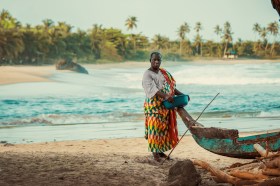
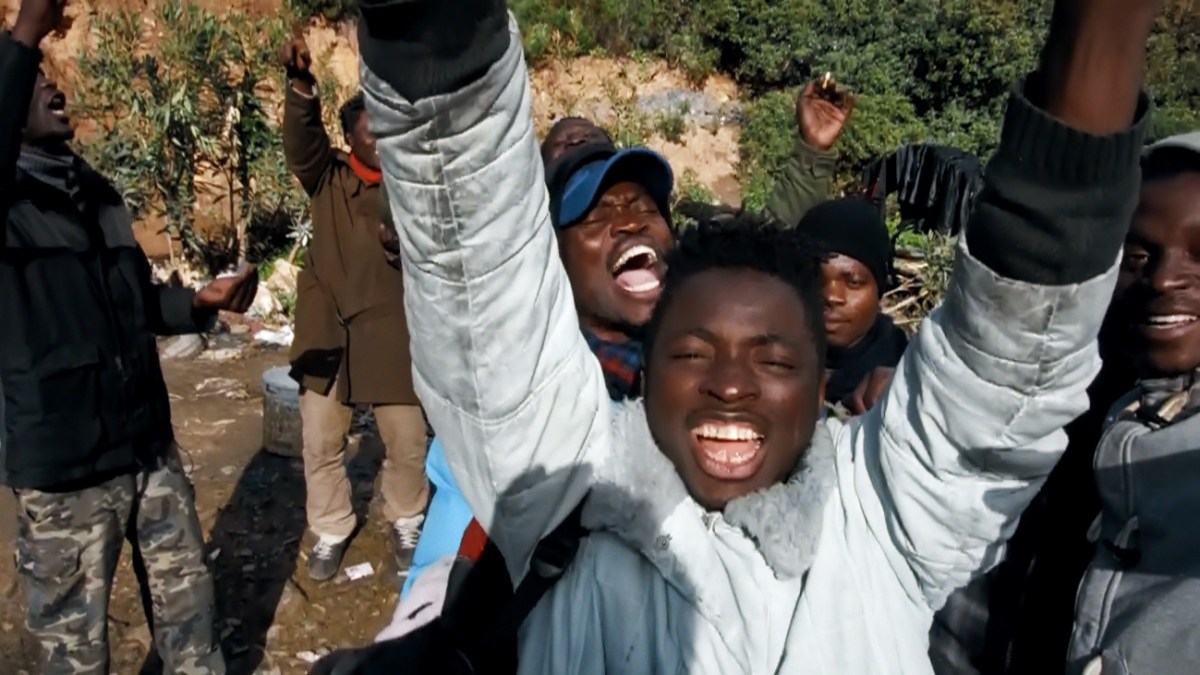
Filmed by Cameroonian documentarian David Bingong, the film is an on-the-ground, firsthand portrait of those attempting to cross from Morocco into what many still imagine as the ‘promised land’ of Europe. Bingong’s handheld camera moves with the people, sometimes unsteady, intimately capturing exhaustion, hope, fear, camaraderie and moments of song.
Stillness is interspersed with motion, reflecting lives lived between limbo and constant movement. The framing lingers – a makeshift bunker of gathered branches and bunched plastic, the inflating of a rubber boat – moments that speak louder than words. On a bus as the group are being deported, the camera zooms in and out across the landscape as Bingong’s self-reflexive voiceover muses, ‘This device brings the image closer and takes it away.’
With the lens in Bingong’s own hands, The Travelers resists sensationalism. It is a testimony to the human cost of borders, those invisible, imagined lines forged by colonial histories, and reinforced by current policies.
Through observational style, unhurried pacing and Bingong’s intimate cinematography, The Travelers forces us to consider who is allowed to move freely, and what makes the journey both perilous and necessary.
The Travelers screens at Dendy Newtown on 8 and 14 February.
The Clown of Gaza
The Clown of Gaza opens on the simple moments of a morning. A man is woken by his wife and baby son. He greets his parents, washes his face, swaps hellos with his neighbours, walks to the market to buy tomatoes for breakfast. It is like any other day – except this family lives in a tent in a refugee camp.
Water comes from a tank on a truck, collected in plastic buckets. The market stalls line shattered streets, and bombed-out buildings loom behind the vendors, captured in slow-panning wide shots.
Still, the family eats. Name their blessings. The man introduces his loved ones. Parents, wife, children, sisters – one studying multimedia, one pregnant, one newly engaged. Lives interrupted, but that continue anyway.
The man is Alaa Meqdad, known as Uncle Aloush, subject of the film and its titular clown of Gaza. He is an unrelenting force of light amid devastation. ‘This is genocide. Destruction,’ he says plainly. Yet he continues to offer his generosity and care.
Before the war, Meqdad – a performer with dwarfism – worked as a clown in schools, hospitals and at birthday parties. ‘Now,’ he says, ‘the kids are in refugee camps.’ As he performs, the camera catches fear lifting from children’s faces, offering their parents a brief peace. The joy is mutual, visible too on Meqdad and his performance partner Bilal as they debrief about the gig afterwards.
We follow Meqdad’s family through the announcement of a ceasefire – a tense scene that is especially painful in hindsight, knowing what has followed is anything but. Their return to Gaza City is on foot, along roads deliberately destroyed by the Israeli army. ‘You throw away your bag to carry your father,’ Meqdad says. It is the one moment we see him despair, briefly separated from his family.
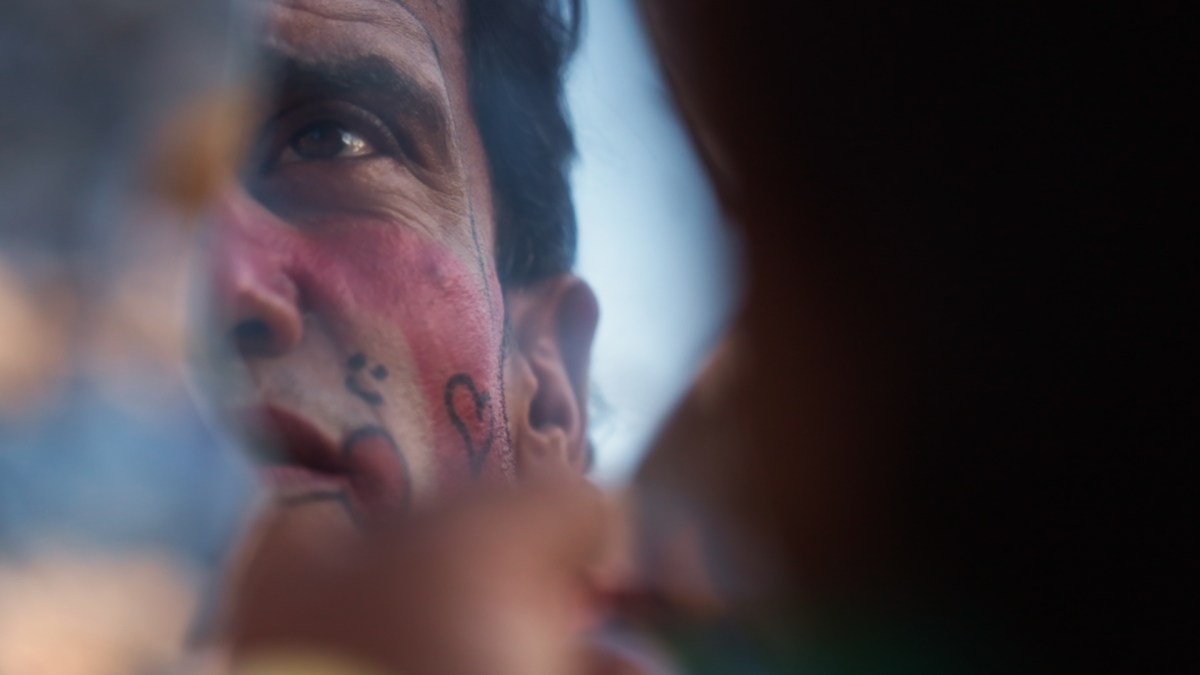
Directed by Palestinian filmmaker Abdulrahman Sabbah mostly in a fly-on-the-wall style, The Clown of Gaza also has moments of profound cinematic poetry. In a heart wrenchingly beautiful sequence, Meqdad stands amid the rubble of his home city, speaking in voiceover. He reflects on his childhood, his disability, the hardships he faced, and the steadfast love of his parents. He puts on his costume. Paints his face in a shard of broken mirror. Rehearses with his shadow on a ruined wall. ‘The destruction is huge, the pain is huge,’ he says. ‘But there is hope.’
The Clown of Gaza is essential viewing – not only for its artistry or narrative power, but because to witness it feels like a responsibility, the need for this story to be archived, shared and felt by all.
The Clown of Gaza screens at Dendy Newtown on 7 and 11 February.