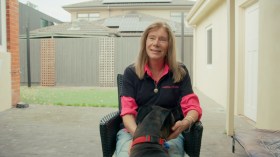
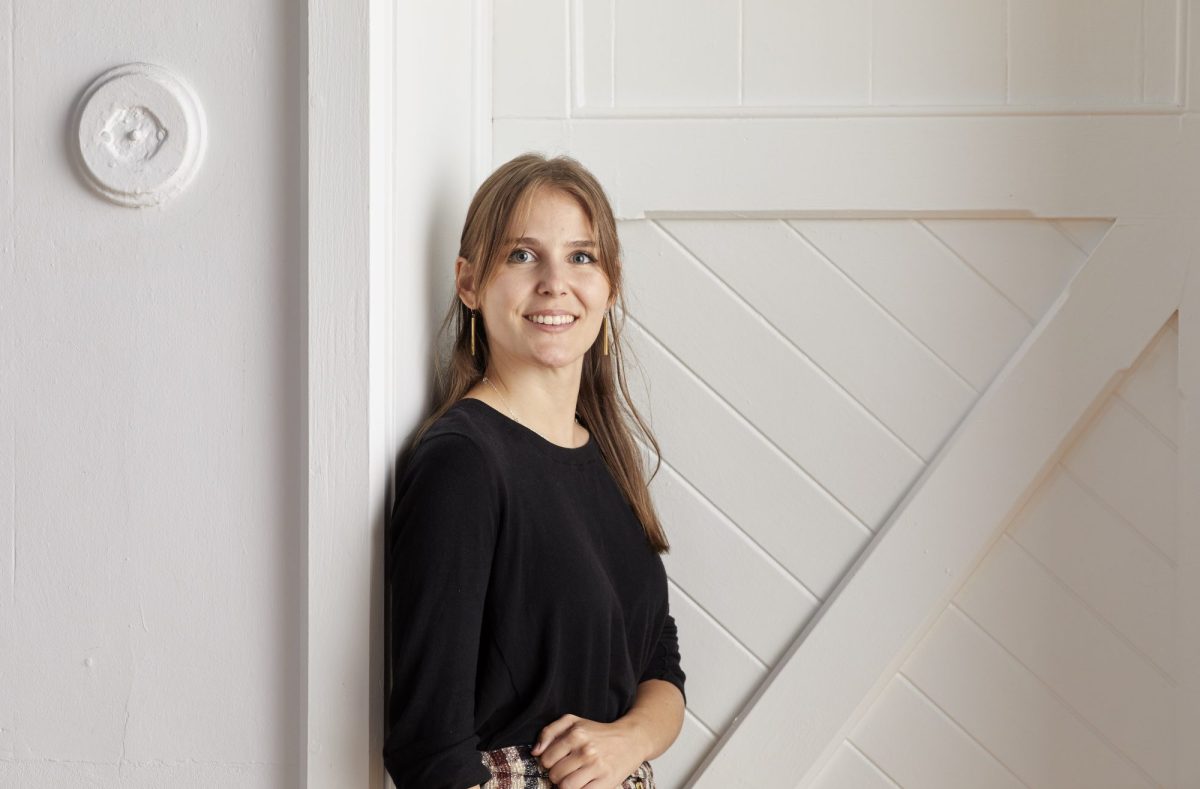
Julia Potter is a Melbourne-based screen and art music composer. Her work has been performed by leading Australian ensembles and featured at major film festivals.
An Australian Music Centre represented artist, she holds degrees from AFTRS and the Melbourne Conservatorium, and has received multiple awards and participated in prestigious composer development programs.
Would you like to be profiled for ArtsHub‘s What I’ve Learned series? Email us with ‘What I’ve Learned’ in the subject line.
Julia Potter: video transcript
We guide people so they know how to feel about what they’re seeing on the screen.
We can make moments more poignant. We can make moments funnier. We can make moments sadder, more emotional.
Hi. I’m Julia Potter and I’m a screen and art music composer based in Melbourne.
Sometimes there are moments where it’s actually better not to have music. I think sometimes there’s a tendency to want to have wall-to-wall music, and then almost the music becomes less important. People take it for granted or don’t even notice that there’s music in the score because it’s just always there.
As a screen composer, you are servicing the film.
Sometimes it’s about dropping your ego in a way, or not getting too attached to the drafts and cues that you’ve done. Because chances are a director’s going to want to tweak them ever so slightly, make little amendments here and there. If you go into a project expecting that it’s your way or the highway, it’s gonna hurt, and I think it’s good to be flexible.

Julia Potter: my advice
Attach yourself to someone that you really like their creative output, and that you work well together, because I think when you’re in the screen industry your connections are everything.
No work is created in isolation. What you work on is created with other people so networking is really key to find friends – and always be friendly, always be easy to work with.
Don’t feel like you have to be shoehorned in. Sometimes directors have a really clear idea, but you might have something that works better than what they thought, and it’s always good to try these things and think creatively and push the boundaries where you can.
Julia Potter: anyone can create music
For people wanting to get into screen music, the the more I work on it the more I realise you don’t have to have a classical music degree to be able to create music. You can create music in so many different ways, and the more and more projects I work on, I’m finding different ways of making music and it’s not always just dots on paper and asking people to play my music.
A lot of it is playing around with sounds, found sounds, virtual instruments, synthesizers – things like that, that you don’t need a degree for. I think sometimes people think it’s unattainable and difficult to get into but I believe that anyone can create music.
Julia Potter: virtual instruments
With virtual instruments, it’s what you make of them really. They are recorded by proper musicians but it’s really chopping samples here and there, so it’s never going to sound anywhere as good as having a musician who can do the entire line for you.
We want to pay musicians well – unfortunately there’s not always the budget for that. So ideally I’d always want to be able to get my musician friends in and record them because I think, also, they can bring new ideas and things and really bring the music to life more than you can with virtual instruments. But if there’s no budget for it you can then go to virtual instruments.
Sometimes you can have a combo of both actually, which is a nice option if the budget is low. You can do a process called ‘sweetening’, where you have one real instrumentalist and everything else virtual, and your ears somehow pick that out, and it makes everyone think that you are listening to a completely live recorded orchestra.
It’s not all doom and gloom with virtual – sometimes they can sound quite good.