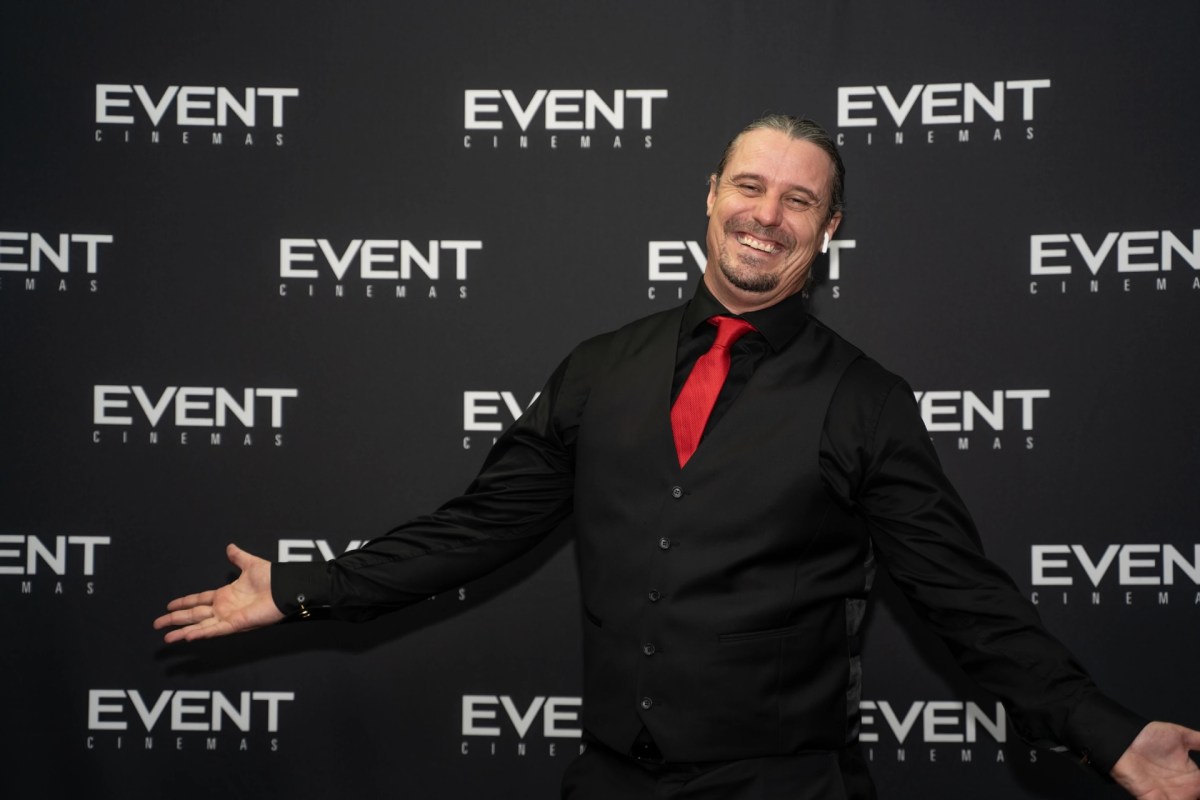
Ross Page is a director, editor, podcaster and livestream technician. He’s also the founder and Artistic Director of Made in the West Film Festival, where he has led 14 annual events showcasing hundreds of Western Sydney filmmakers.
With a background in independent filmmaking and a deep commitment to craft, he is known for producing high-quality content that lets local stories shine.
He has been an ArtsHub member since 2023.
If you’re an ArtsHub member and would like to be profiled on the site, email us with Meet the Members in the subject line.
Ross Page: video transcript
My name is Ross Page. I’m the founder and Artistic Director of the Made in the West Film Festival.
Made in the West Film Festival is a platform for emerging artists, established artists, basically to show off their work. Further to that, it’s also an opportunity to rub shoulders with like-minded people. So, it’s a networking opportunity.
When I first started out in Made in the West, the first three years, I was basically running it on my own. So I was its general manager, its CEO, its projectionist, its editor, its promoter …
ArtsHub: Meet the members: Susie Fagan, comedian
Now at Made in the West, even just on opening night, I think it’s around 20 to 30 people we employ. Throughout the year, we’re employing about 10 to 15 people. It’s gone from just being a one-man operation to being a team.
The irony is, the more you distance yourself from all the work, the more you miss the work. So I’ve actually gone through this position where I’ve become the big boss to then go, I don’t want to be just the big boss. I want to be involved in the mechanics of it. I want to edit it. I want to cut it. I want to interview people. I want to host things. I want to still be a part of it.
Ross Page: a valuable lesson
I learned a valuable lesson out of Made in the West and building it: if something’s worth doing, it’s worth doing right. Further to that, it’s not just about the destination, it’s about the doing. Just the doing itself is fun. Making films is fun. Running a festival is fun.
Everyone wants to be a rock star. But yeah, the 1% that you’re walking on the red carpet is preceded by the 99% of missing birthdays, staying late at night, missing a train because you’re overtired. You know, like you’re constantly in a chase. It’s a race.
There’s a lot of hustle and bustle to it and it takes up a lot of your time, and it can be very stressful, can be very time-consuming. A lot of people see that and they go, I want I want that. But they’ve got to understand the amount of work that goes in behind being an actor, a director, an artistic director, a general manager, a CEO, is an extreme amount of work.
The festival is going through a massive expansion at the moment. We’ve gone from a one-night event to now running a couple of weekends at the end of the year, all the way to having a closing-night party three months later at the end of summer.
We run all summer long with an online film festival. We run all summer long in cinemas around Western Sydney.
Ross Page: two different markets
When you think about content presentation, it’s either live or on-demand. So essentially, an online festival is a video on-demand environment. You can watch it at any time. You can watch it at 3am. You can watch it at 9am eating your cornflakes. A physical festival, you’ve got to be there at a certain time, at a certain venue.
ArtsHub: Meet the members: Greg Eldridge, Opera Director
They’re two very different things. What really separates them isn’t just the mechanics of how that works – it’s also the market that they exist in. The Made in the West Film Festival throughout Western Sydney connects artists together and it connects artists with audience, so that artists can see what an audience reaction is doing. Because that’s important for a film: to see how an audience responds to it.
The online festival is more about a global market and the festival in real-time is more about a local market.
Ross Page: my advice
Be synergistic. Go out there and connect with people. If you’re an organisation, don’t be a competitor with other organisations. Link arms with them. There’s no need to have a famine mentality. We can have a feast mentality. There’s enough for everyone. And if we support each other, we can turn this industry into something serious and formidable.