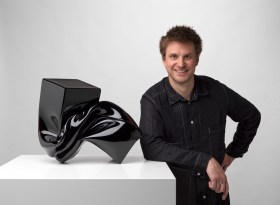
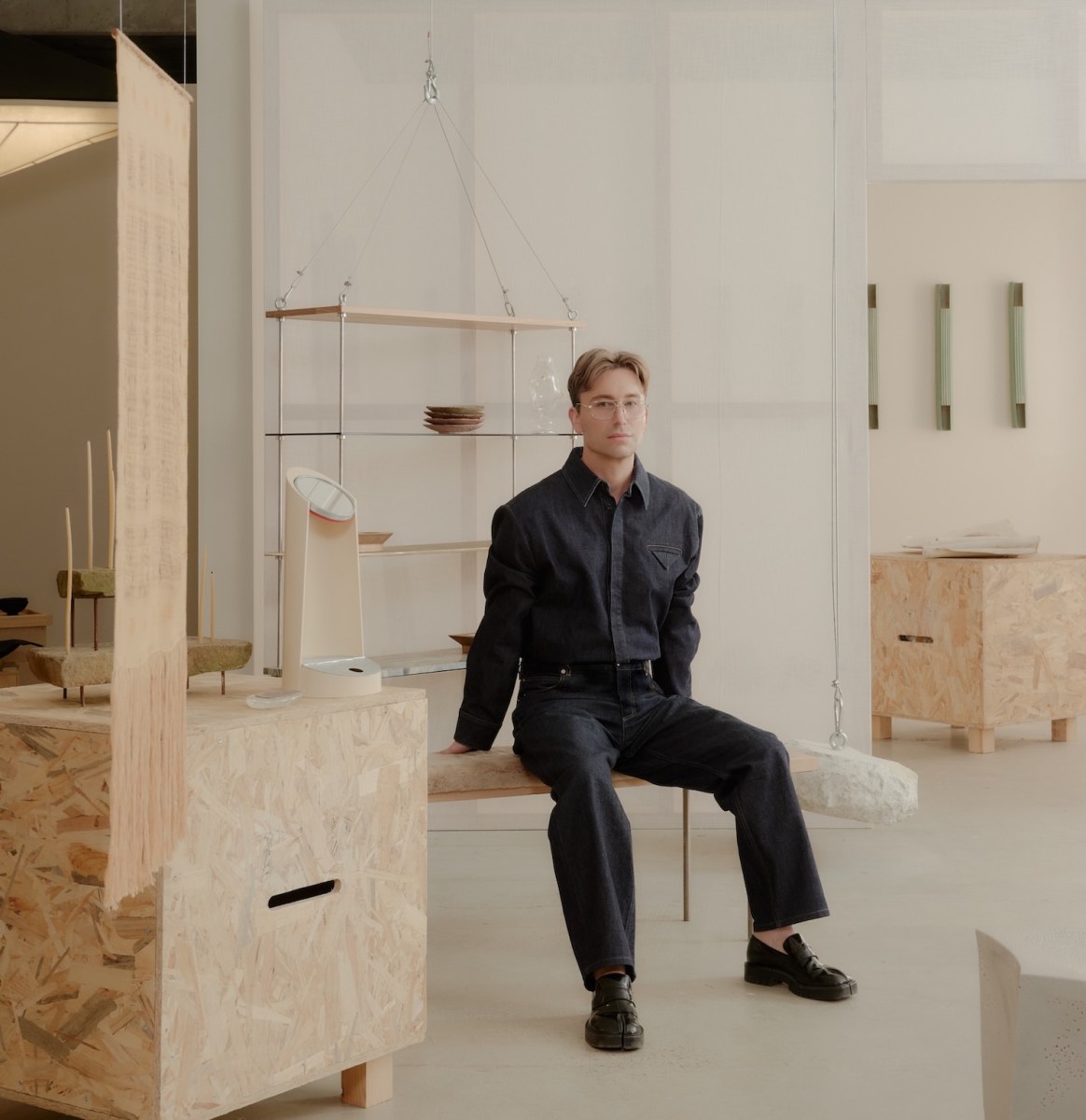
Joseph Gardner is known for his sharp eye for designing spaces to live in. As the style editor at large for Vogue Living, and with decades in both the publishing and design industry, getting him on board as a guest curator is a coup for any arts organisation.
It was the vision of Craft, in Victoria, to invite Gardener to curator this year’s edition of its Visionaries exhibition.
Craft Victoria Executive Director Nicole Durling told ArtsHub: ‘A few years ago, we thought, how can we turn our end of year show Visionaries into a sort of extravaganza that has more reach? And the answer for us was collaborating with high profile creatives. Joseph was sort of the goal. And, now we have hit it.’
Talking design collaboration:
Working with a design legend
As director of gallery space Studio Gardner, the Sydney-based creative – in collaboration with partner Aaron Wong – seamlessly moves between architecture, interiors and furniture with a distinct personal style. It is that axis of intersection that is ripe for Australian makers.
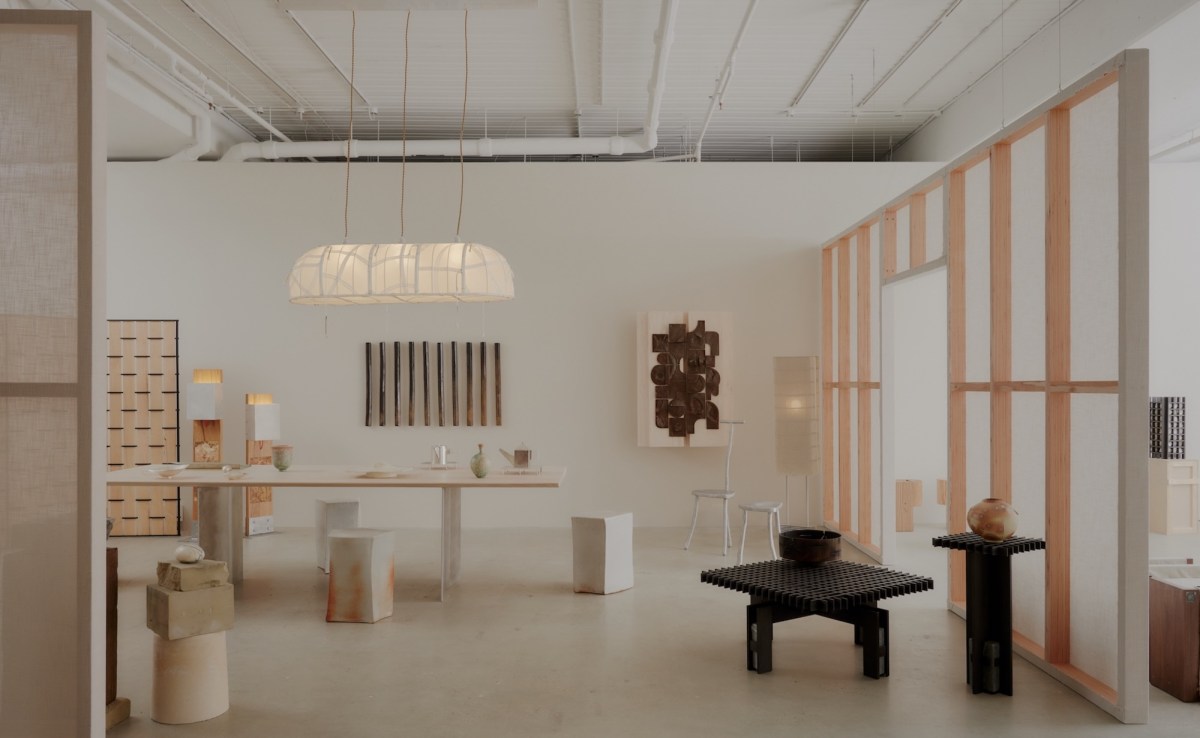
Visiting Done/Undone, Gardener’s exhibition for Craft, audiences feel this immediately. The space is visually calm, refined and has a kind of earthy serenity – its colour palette is reduced and slick.
Durling continues: ‘Joseph has got a very specific look that he’s been honing for a long time. I think he seemed very excited to be able to express that en masse in a big space where so many people can come and enjoy it, without having to meet any needs of a client.’
Rebooting how you work in difficult times leads to opportunities
‘It’s difficult out there,’ says Durling. ‘We’ve got limited resources, but we’ve got a lot of ideas. And so, how can we pull in collaborators who will help us maximise that impact?’
This thinking led to a bold leap in the way the organisation collaborates.
‘Our role is really just to reflect what is being made, and then to pull that together in a cohesive way where audiences can access what living with design feels and looks like. It is sort of more egalitarian, democratic, or something,’ Durling tells ArtsHub.
She believes that working in an expanded way today is really exciting. She continues: ‘We could never internally curate a show like this. Why? It’s the fresh eyes on the space. I think we’ve also learned that we can utilise this space in ways that will also support artists financially in the longer term.’
The bonus of fresh eyes on your space
Organsiations have to constantly push back against complacency. While familiarity of their space is welcomed from some perspectives, it can also lead to a kind of slow blind. Durling believes that working with like-minded luminaries from the design sector ensures that she and her team are constantly looking with fresh eyes.
‘Anything of a scale with such a small team is going to have challenges, but as a team, I think we’re pretty optimistic,’ she said of the collaboration with Gardener.
‘The way that he approached the space – and it’s a difficult space – but the elegance of the way that he worked with the space, creating these rooms and the dialogues with work, that to me was kind of breathtaking – to see it all come together and how he did it.’
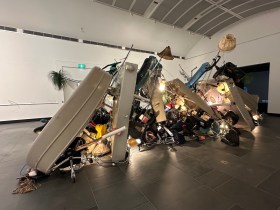
This show at Craft is big – more than 50-artists in this basement space – and yet it feels light and airy, or calm to use a Gardener favourite term.
‘We knew there was somewhere in the vicinity of around 300 works selected – I mean, massive institutions would quiver at that – and we were like, “Oh, how are we going to manage this?”
‘We’ve made a commitment to this as an ongoing series, but we also don’t want it to become kind of repetitive. We’re sort of looking to surprise ourselves.’
Allyship is deeply embedded in trust
During told ArtsHub: ‘I think the conversations that we had with Joseph were very much about creating calm. He was saying that his process was very intuitive, and that he would know when it was done, because he could kind of breathe the sigh, and say, “Okay, that’s done”.’
But working a little outside of our comfort zone comes with trust. Gardner was given no guidelines, except that the exhibition must highlight Australian talent. ‘The core focus for Visionaries is about shining a really big spotlight on Australian talent – and with a big call to action to actually buy it.’
‘We had a good relationship with Joseph already, but through this, it feels like we’ve really firmed that that up.’ Durling implies that choosing the right allies is also key to evolving.
She concludes: ‘We’re just not interested in working with somebody who isn’t interested in genuinely investing in what’s happening here.’
Working closely on the show with Gardner, Craft’s Head of Creative Strategy Pip Stevenson said her biggest learning was, ‘affirming how much trust we can put in an external person that we’ve got a relationship with, because Joseph had an understanding of how we work and our values. That trust was really important.’
She added: ‘Secondly, I think for us as a team to see what we can rise to, has pushed us in a really amazing way.’
Putting agency back into craft and design
Last year the organisation launched Craft Agency, a commercially driven arm of the organistion working with external clients.
‘If there’s a client that wants something, we can deliver it,’ says Durling. ‘As an organisation, a lot of the work that we do beyond the public program is around how do we allow that momentum for artists to continue?
‘So it’s almost like you become a pit stop in a design process for a project that designers, like Joseph, might be working on. They will come to us because they know that we’ve got about a thousand members, and we know what’s being made, when, and where, and by who. That’s our role.
‘As an organisation have we thought about how are we delivering impact and what difference are we making? We need to draw audiences in. We need to bring an audience to the artists. But we also have to make those connections for the artists – not just with audiences who are passively viewing, but supporting and investing in their work.
‘I know it’s something that not for profit organisations, or arts as a whole tends to struggle with, but we’re saying, don’t be uncomfortable about this.’
This ‘put your money where your mouth is,’ Durling believes, necessary for cross-sector collaboration to evolve. She describes it as building out – to scaffold upon deep legacies, networks and successes to position Craft as a platform that welcomes allies and new design thinking, while always centering local makers.