
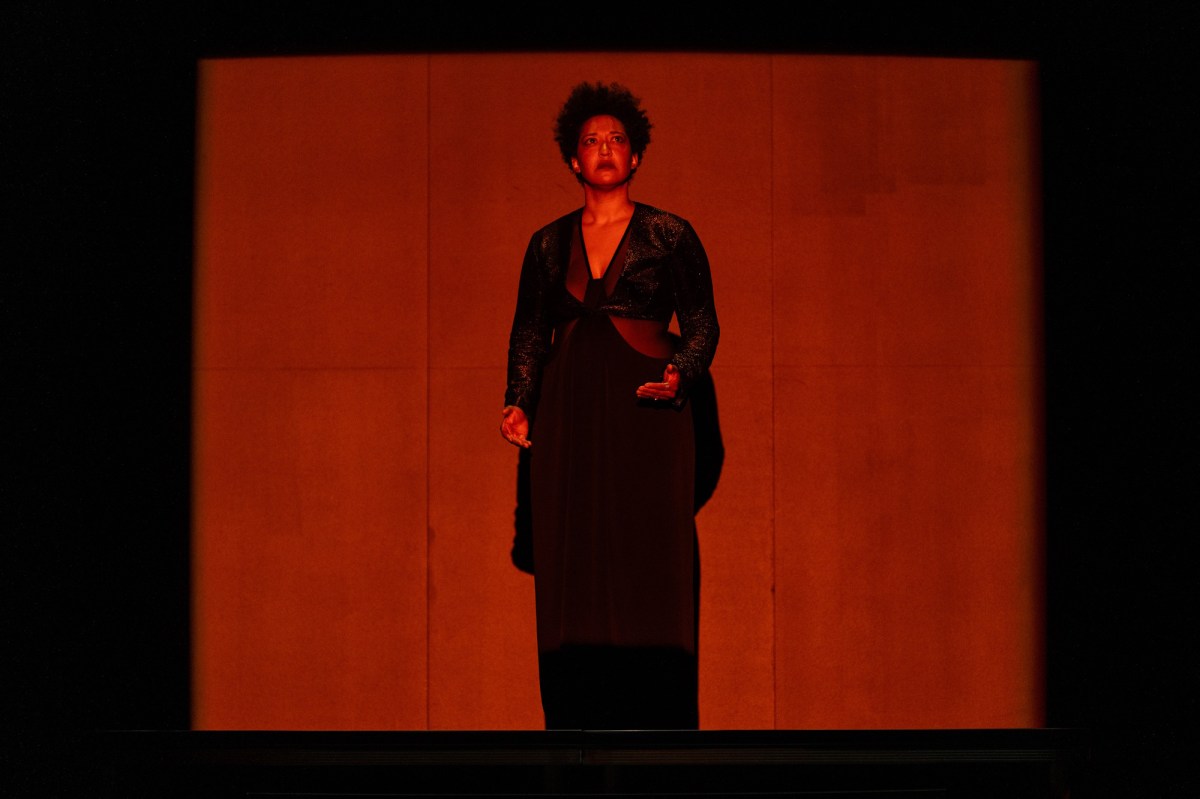
Perle Noire: Meditations for Joséphine is not the usual biographical show about a legendary life; it’s a moving journey into the inner world of Josephine Baker, the extraordinary Black performer who rose from poverty in St Louis to international stardom in Paris and beyond.
Presented at Her Majesty’s Theatre as part of the Adelaide Festival, this compelling work of operatic cabaret comes to Australia after playing to acclaim at the Metropolitan Museum of Art in New York and at the Dutch National Opera Festival.
Perle Noire review – quick links
Exploring an icon
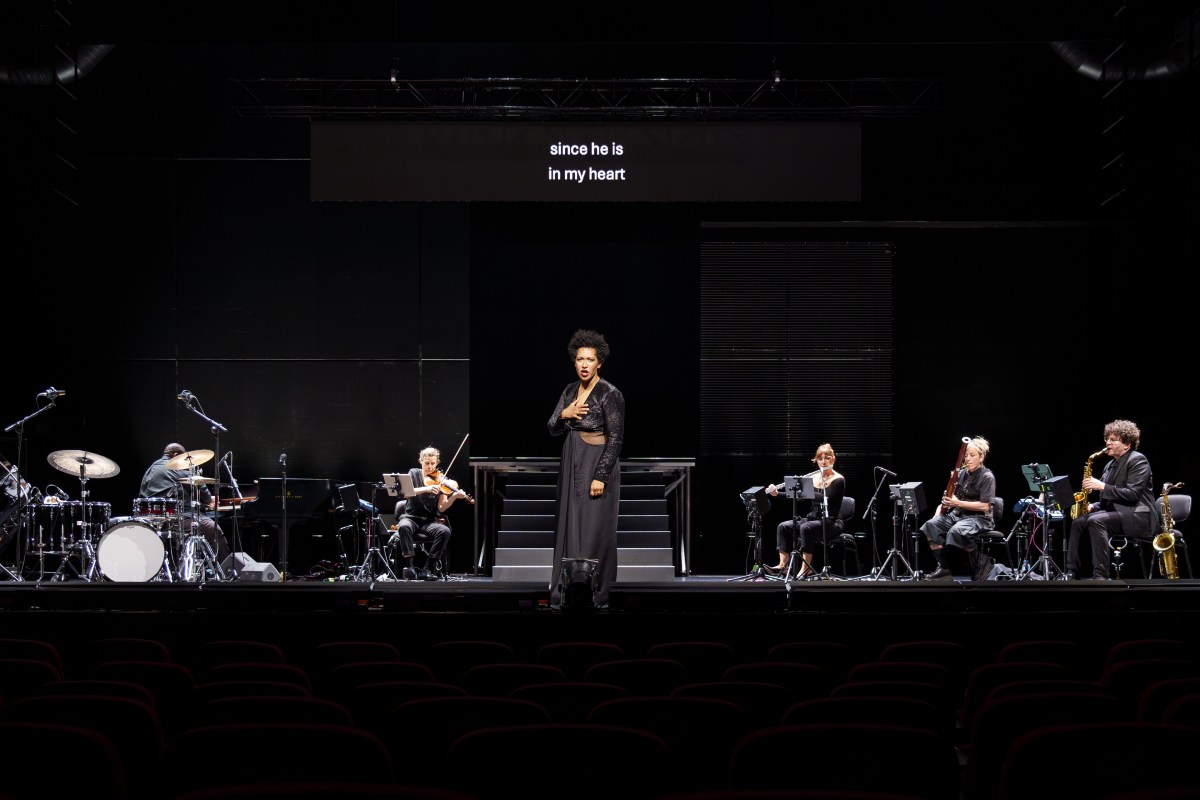
Directed by Peter Sellars, who is still famed here in Adelaide for his controversial directorship of the city’s 2002 festival, Perle Noire is impressive. It is, indeed, ‘meditations for’ Joséphine Baker; there are no claims on portraying her thoughts and nor does the show chronicle her life as a conventional biography.
Instead, Perle Noire is more interested in the emotions underpinning Baker’s public persona, using music, spoken word, dance and gestural movement to explore exploitation, objectification, rage and fame. Baker may have been a superstar of her time, and the highest paid performer of the day, but she was still a Black woman in a white world. And in Perle Noire it is a very binary, Black and white world.
The score, by jazz composer and musician Tyshawn Sorey, brings out a darker side to the familiar repertoire associated with Baker. These are not the bright, nostalgic melodies we might expect, although they are still there in subtle musical fragments.
The rhythms of the present with an ear for the past
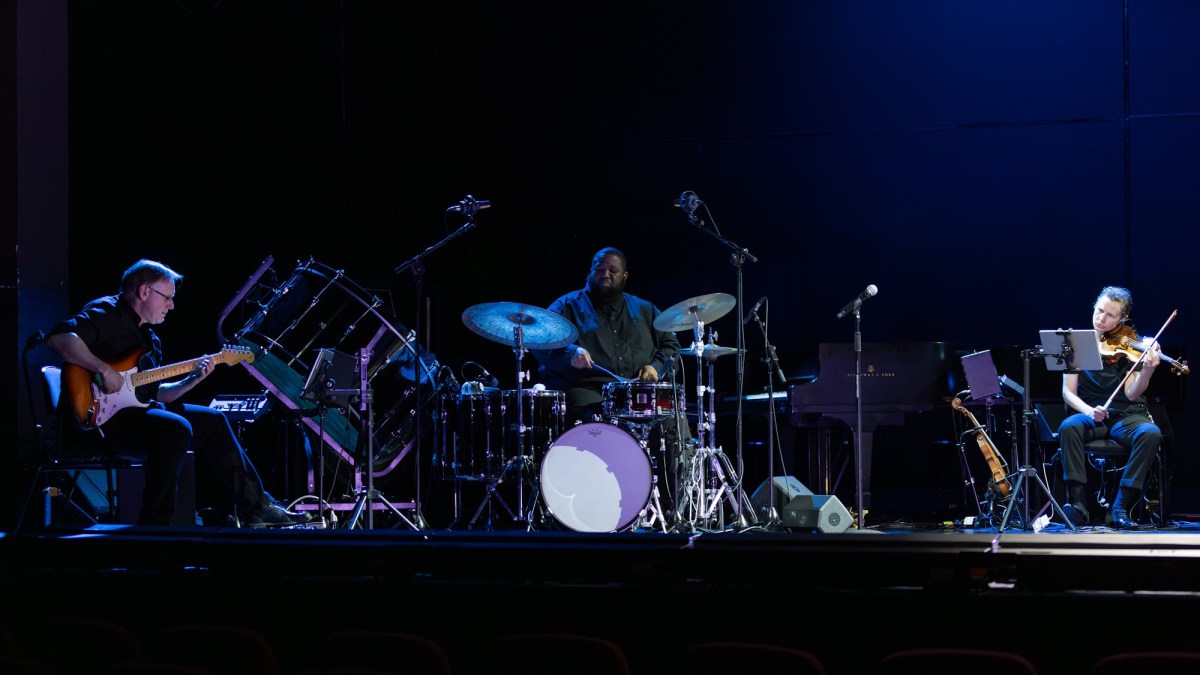
The music here explodes with reworked rhythms and unexpected harmonies, delivered with a fine blend of precision and exuberance by Sorey and the musicians of the International Contemporary Ensemble.
There are urgent winds and brass here and percussion that demands our attention. The combined effect is to stir distant musical memories and overlay them with something new, something much more pressing and edgy.
At times, the music erupts in a frenzy, all percussive beats and racing tempo. This is contrasted with more contemplative passages, teasing out the emotional nuance in unexpected ways. It’s not always easy listening, but it’s certainly moving.
At the heart of it all is soprano Julia Bullock, who delivers a captivating performance that goes far beyond mimicry or impersonation. She portrays Baker’s emotional complexity more than just her performative life, conveying her anger, frustration and ambition, alongside her unflinching determination as she reclaims her sense of power and agency.
Bullock shines bright as Joséphine Baker
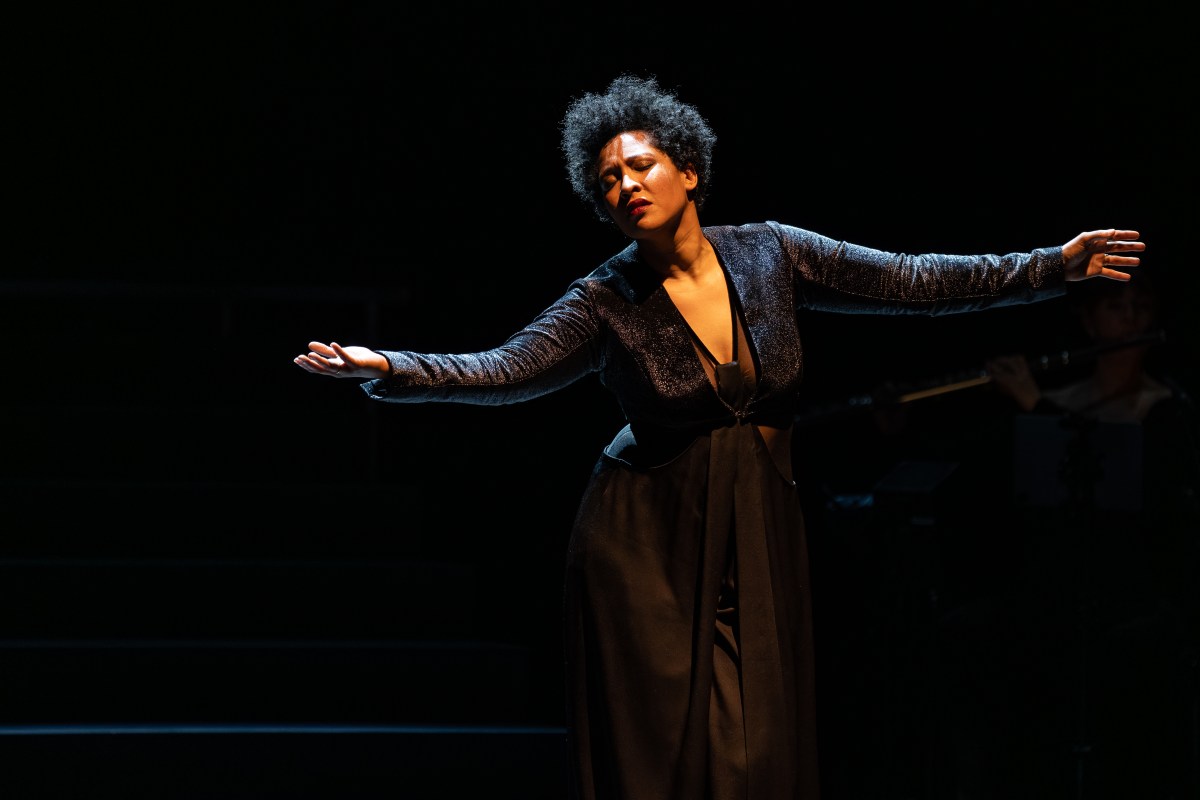
The focal point of Perle Noire‘s set is a staircase at centre stage. An illuminated screen at the top creates opportunities for dramatic shadowplay, also hinting at Baker’s life on screen and stage. When Bullock declares ‘I will devour it all’ we don’t doubt Baker’s determination for a moment. This is a woman who means to have it all.
The songs are performed in French and English with English surtitles. The spoken interludes, with dialogue by poet and playwright Claudia Rankine, are all in English and are woven through the music to add layers of reflection and observation. Bullock delivers these with feeling, often haranguing and berating the audience, and sometimes gazing disdainfully into the distance.
Perle Noire is very much about the message, and yes it’s a message with vital relevance today, but perhaps it could be a little less didactic. Could there be a little joy amidst the angst? The show’s conclusion, when it comes, is rather over wrought and drawn-out, with Bullock beseeching the Lord for ‘a little happiness in the world’. That’s absolutely a sentiment we can all share.