Aboriginal and Torres Strait Islander readers are advised this story references the names of dead people.
When Victorian Premier Jacinta Allan backed away from raising the age of criminal responsibility to 14, stalling at 12, many felt betrayed by a government, court and police system that still favours punishment over addressing the causes of youth offending, which are often very complex indeed and strongly related to poverty.
The spectre of youth detention is particularly scarring for many First Nations folks, which is something that Lazarus, drawing on the true story of Taungurung Elder Larry Walsh, illuminates with guts and good humour.
Walsh was in his sixties when he discovered why unrelentingly abusive cops were on his back, verbally and physically, before he ever put a foot wrong in retaliation.
As a member of the Stolen Generations, forcibly taken from his itinerant fruit picker mum at two years old and hurled into a Salvation Army-run boys’ home, he was immediately saddled with a criminal record – as a toddler – without even being told. It was salt in a wound that would haunt his young life.
Passed from one institution and foster family to another, Walsh finally landed with a well-meaning couple, but even then, things were tough. His foster dad, clearly scarred from serving in the second world war, used alcohol as a crutch and became violent when teaching Walsh to stand up for himself while boxing.
Lazarus review – quick links
A stolen childhood
A sparkling-eyed Walsh, a cheekily engaging storyteller with a grasp on comic timing as sure as his big heart, was present and holding court at the opening night of this expanded production of Lazarus, staged at St Kilda’s Theatre Works after previously debuting during Yirramboi festival.
Directed by Kamarra Bell-Wykes (Jagera/Butchulla), the work runs in a similar vein as Jack Charles vs The Crown, in which the late, great Boon Wurrung, Dja Dja Wurrung, Woiwurrung and Yorta Yorta actor addressed his fraught history head-on. Lazarus likewise draws on extensive interviews with Walsh himself, conducted by savvy Kuku Yulangi and Meriam playwright John Harding.
The result is a lyrical work full of feisty humour, which rises above an undercurrent of horror. Whisking us briskly through decades of Walsh’ staggering knockdowns and hard-fought ups, as he continues to try to find his pace in a world that labelled him a criminal before he could stand up for himself, it reels you right in.
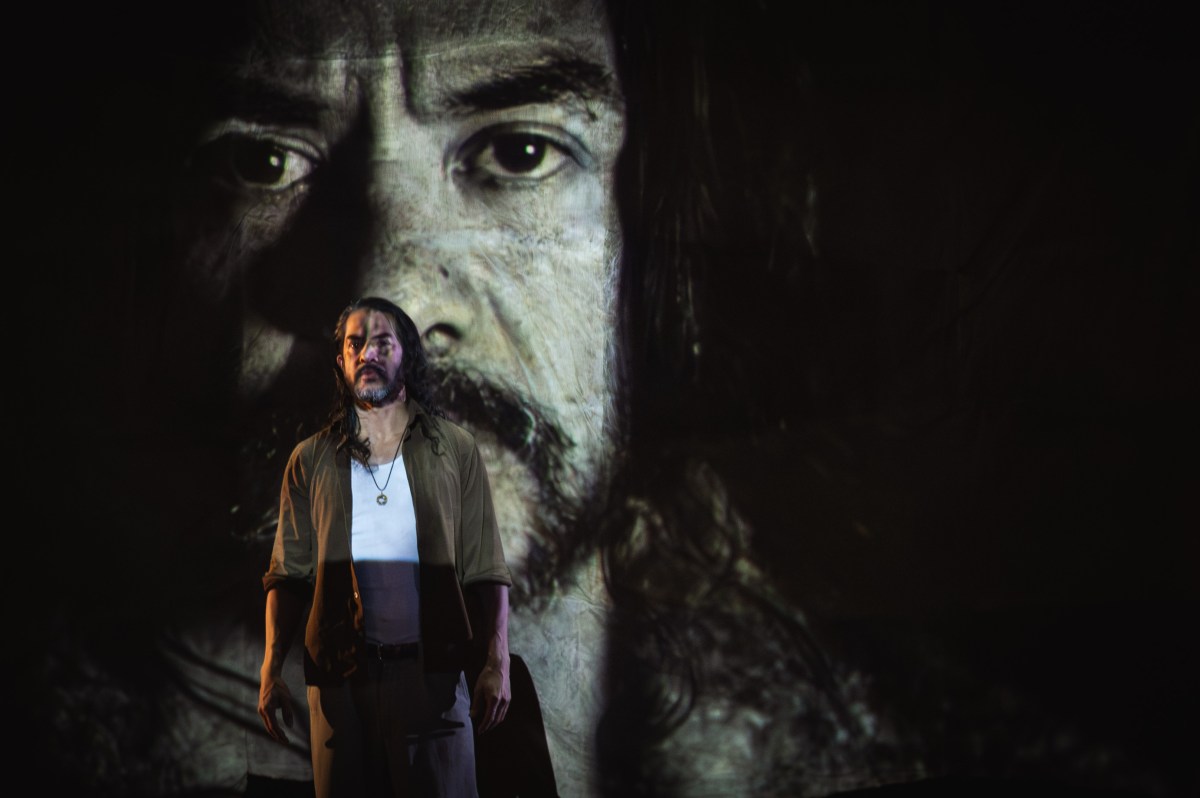
Theatre Works’ black box is transformed with a light touch, with set designer Justin Green framing the story inside the curve of a glowing crescent of gum leaves, lit by lighting designer Tim Bonser, and set against a possum skin backdrop on which shimmering memories are cast by videographer Cobie Orger’s projection art, set to composer Todd Bennett’s thrumming score.
A tale of three Larrys
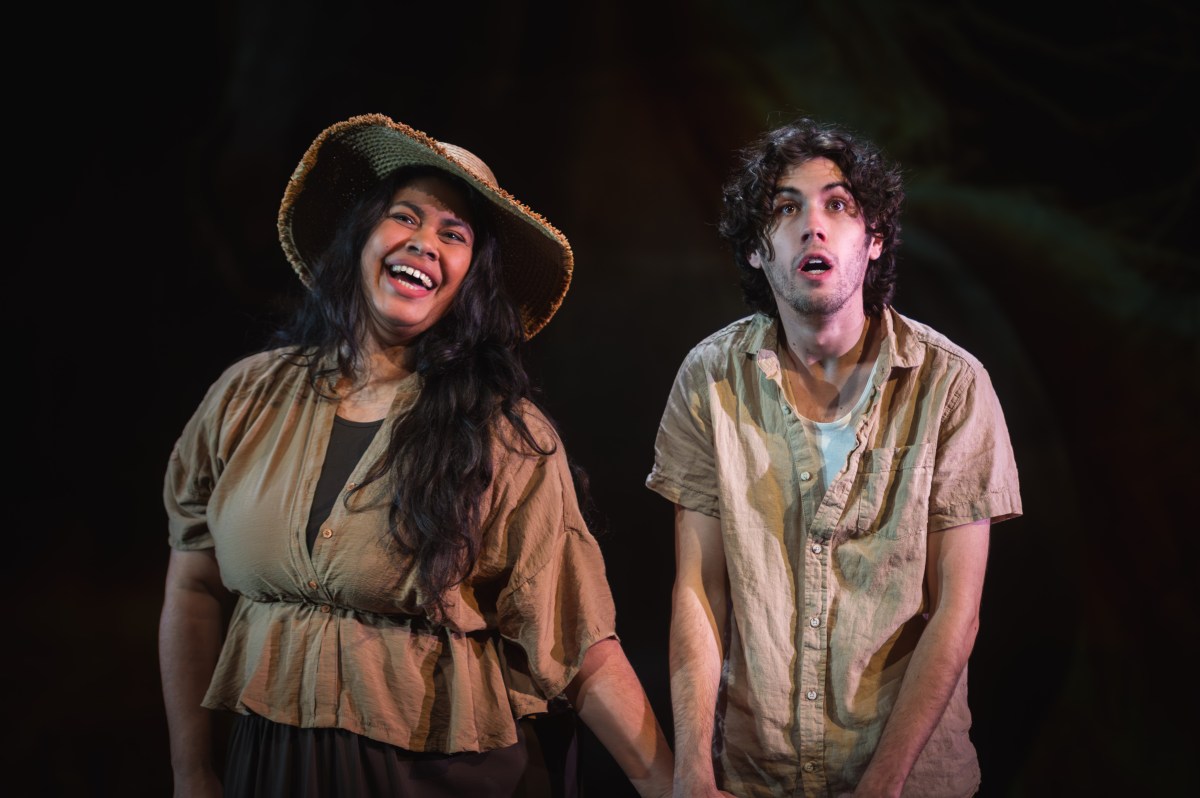
Rather than casting the septuagenarian Walsh, Lazarus tasks no fewer than three game actors with the tough ask of stepping into his mighty shoes. Nathan Wright is the most impressive of the trio, bringing a mercurially puckish charm and bluster to Walsh’s bruised young soul. We feel his aching for the mum he barely knew and the siblings still unknown as he’s ferried back and forth from the boisterous boys’ home to fosters and on to youth detention. We see the goofy boy become a rebellious teen in Wright’s transformative physicality.
Noongar and Yamitji actor Teresa Moore is also fantastic as the fourth member of the ensemble. She shoulders a variety of roles, as do all the cast, breaking hearts as Walsh’s distraught but determined mum, working hard to reclaim her stolen son. She’s also excellent as the plucky lad’s various partners, once he’s older, and, in a sharp insight into overlapping prejudices, as a white woman and unmarried teacher who is rejected as an adoptive parent because of her single status.
Pitjantjatjara actor Riley Warner takes on Walsh’s mantle as a young man beginning to forge his own way in the world and Melbourne’s inner north. One who gets into scrapes and misadventures, associated with bikies by the stalking cops, still hot on his tail.
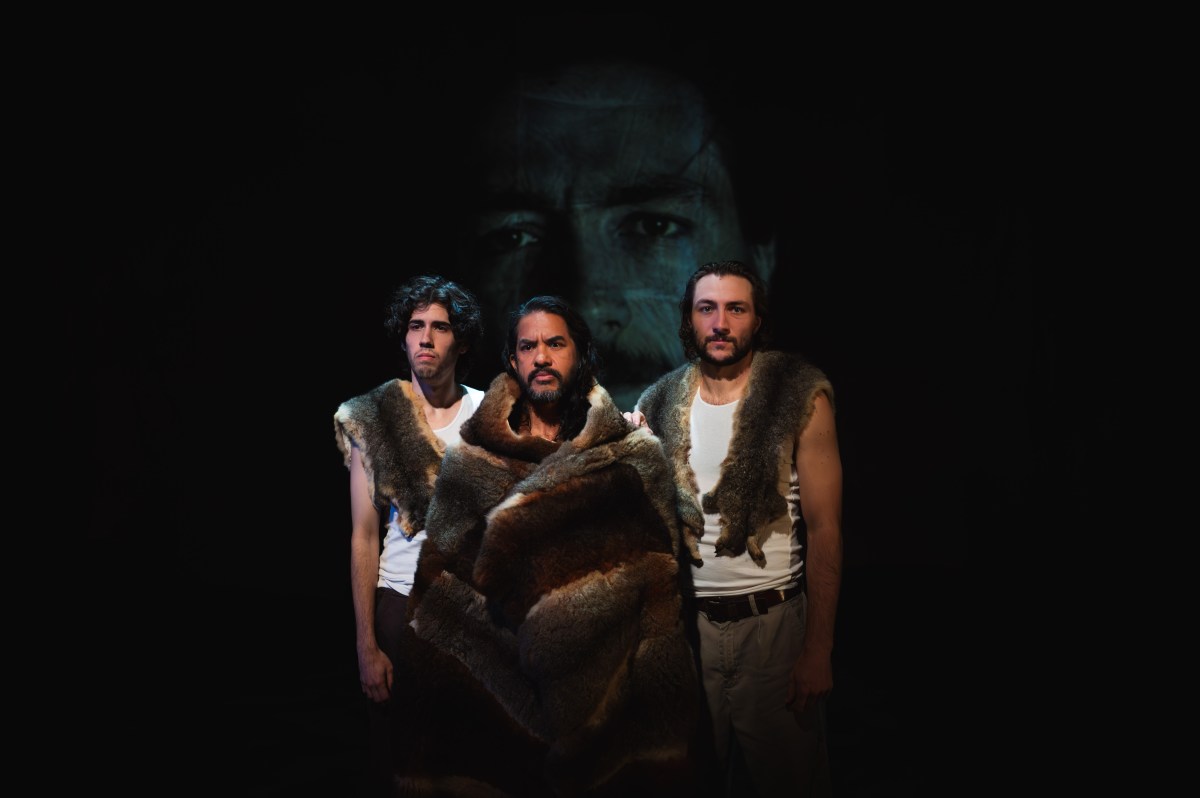
An eminently likeable stage presence, Warner has a deft way of bridging the boy to the man he’ll become, reckoning with the hard realities of his childhood by helping others reconnect to their pulled-up roots as an emerging activist. He also shoulders some of the work’s most difficult roles, including sneeringly insidious police officers fond of lashing out, and as Walsh’s complicated foster dad to Wright’s younger lad, a bittersweet bond.
Lazarus, not LinkedIn
The towering strength of the first two acts of this bracing 80-minute show bounce ebulliently between Warner and Wright, despite the darkness uncovered, as ably corralled by Bell-Wykes, with a great ear for Harding’s nimble text and Walsh’s truth.
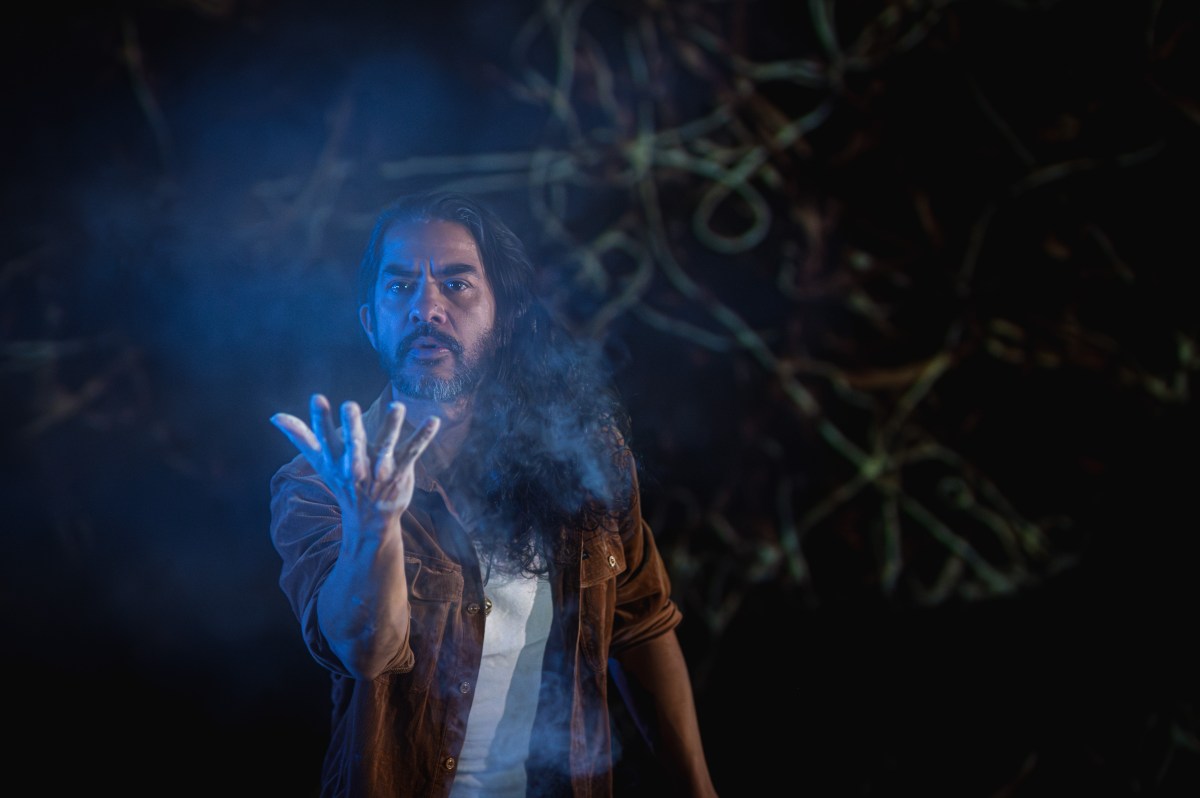
So You Think You Can Dance finalist, performer, choreographer and playwright Sermsah Bin Saad (Nyikina) brings a great deal of centred grace to an older Walsh, much more settled in his ways and connected to nature, with stunning traditional dance sequences using white ochre.
Sadly, Bin Saad wasn’t quite ready by opening night, stumbling over his lines a little, with Moore beautifully working it in, improvising that Walsh has a fuzzy memory at the best of times. After a few prompts from the tech, he opted to read on-book, script in hand, valiantly embracing the ethos that the show must go on, but it did disrupt Lazarus’ flow.
In fairness, Harding’s text is a touch too dense in this final stretch, losing sight of the man and his marvellously recounted stories in favour of leaning into a LinkedIn list of Walsh’s many, many impressive achievements and organisational alignments. It’s an understandable urge, but Lazarus would improve by tightening this act, reframing it through the more personal lens of the earlier sequences.
It’s a small grumble. Bin Saad’s grasp on the weighty text will surely become steadier as the run progresses, and Lazarus is nevertheless an important and engaging work that honours a living legend and asks us all to consider how and who the wheel turns for, on stolen land, and why criminalising children will never, ever be the answer.