
Much has changed since the announcement of Revive in 2023, but as the Federal Government embarks on the public consultation for next national cultural policy, precarity remains a reality for most working writers.
Writers I know are burning out, giving up creative practice in favour of a day job, moving out of cities, or leaving Australia in search of better opportunities and support systems overseas. Younger writers are frustrated by the challenges of this industry before they begin, and often saddled with debt simply from learning their craft. Older writers are increasingly exhausted, with no sick leave or superannuation to rely on.
If anything, we face additional pressures today, including the rising cost of living, censorship of our work and events, and the theft of our work by big tech companies for use in AI. We still need more funding for literature and better working conditions for writers. We also need stronger and braver institutions that support our work, a culture of respect for all voices, the right to freedom of expression, and proper enforcement of fair pay and copyright.
Fortunately, these are not intractable problems; there are many ways to make change, and we know a lot about what works. I warmly welcome the establishment of Writing Australia and look forward to working with them to build on improvements to funding for writers in coming years. Most writers are not yet seeing the benefits of increased funding, however, and direct funding of writers should remain a major priority in the next cultural policy. Here are the main issues I raised in my own submission.
Supporting Australian writers – quick links
AI theft and copyright enforcement
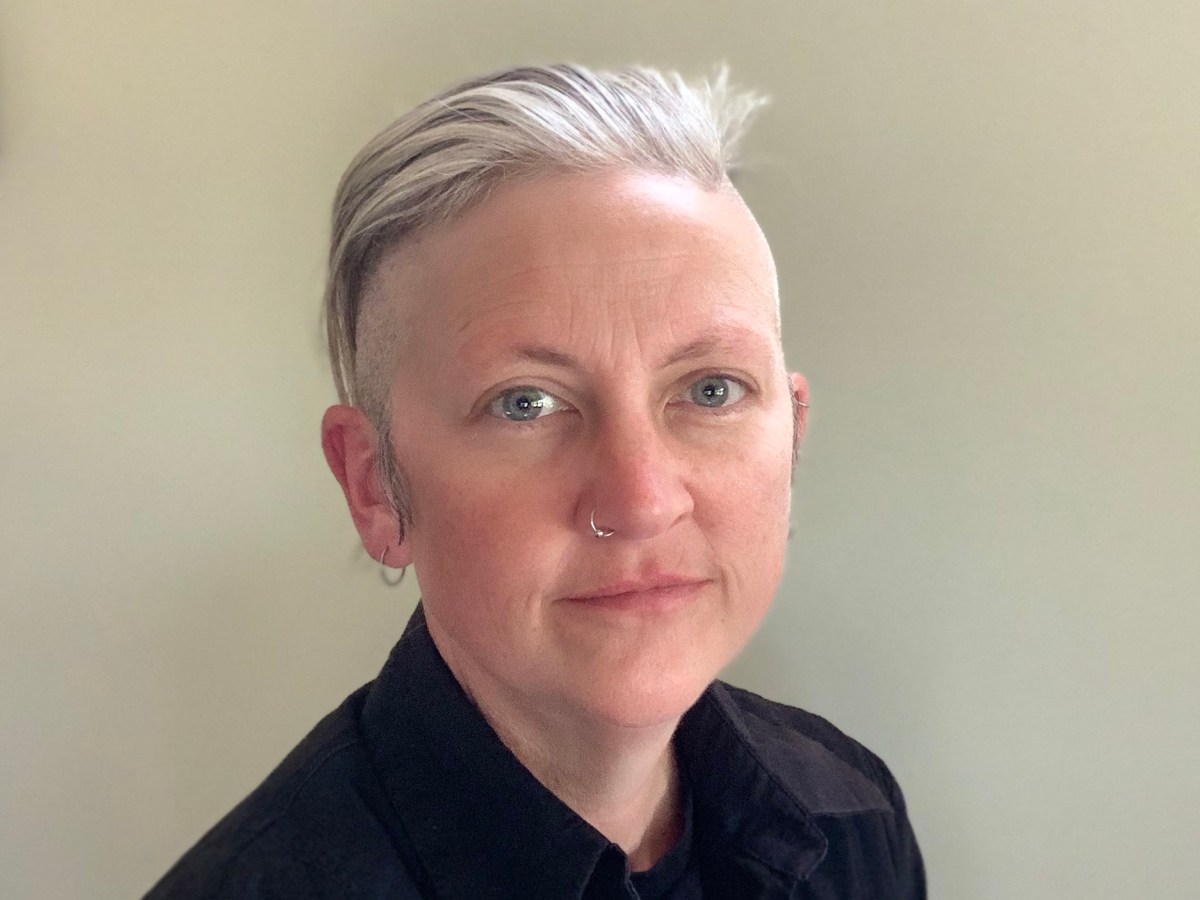
Like many in the creative professions, I have been experiencing shock and dismay as my work has been stolen for use in AI training. These thefts have taken place overseas, and as an author published in Australia I have not benefited from any court settlements in the US or elsewhere.
Like many writers, I very much welcomed the line drawn in the sand in October 2025 by Attorney-General Michelle Rowland, confirming that there will be no Text and Data Mining exemption for tech companies. At the time, writers hoped that this would result in tech companies quickly offering some form of compensation for AI theft. Instead, powerful tech industry lobbyists continue to argue for copyright to be weakened instead of respected. These companies promise productivity and profit, but their entire business is built on the back of stealing from creators. We deserve our fair share.
Australia is not doing enough to hold tech companies to account for thefts that have already taken place, or to ensure tech companies pay fairly in future. Copyright enforcement and compensation need to be a priority within the next national cultural policy.
ArtsHub: A successful AI copyright ruling – but ‘significant’ advocacy still needed
Freedom of expression
Literary culture informs political culture, and vice versa. Cultural policy should consider more explicit protections for freedom of expression, and how we build more accountable institutions. At present, ‘safety’ and ‘social cohesion’ are being used as bywords for the kind of polite silence that is antithetical to a healthy arts ecosystem and a healthy democracy.
After the cancellation of Adelaide Writers’ Week 2026, a community-led festival named Constellations/Not Writers Week was very quickly built from the ground up to reclaim some of what was lost.
A small collective of writers, publishers, booksellers and local organisations were able to stage alternative events and ensure the public had access to valuable discussions.
Our DIY festival was a triumph, but it also illustrated just how much arts and culture relies on the unpaid labour of dedicated volunteers and other donations in order to function at all. Nothing about this is sustainable.
Two of the stated intentions of Revive were to ‘strengthen cultural infrastructure’ and to ‘restore the principle of arms-length funding’. There has been some ground made on these issues as far as Creative Australia is concerned, but even there, lobbying and political interference have been an issue. I note that our present Venice Biennale representatives were only able to fulfil their commission after a groundswell of support from artists and communities defended their participation.
Work remains to ensure that our entire arts and culture infrastructure is confident and capable of protecting the rights of artists and writers.
Increased funding and lending rights
Revive sought to resuscitate a struggling creative sector, and began by recognising the value of our work. I appreciate the shift in support for arts and culture that Revive represented. Some of the institutional changes have now been made, including the establishment of Creative Workplaces, Music Australia and Writing Australia. The increased support for First Nations-led creative practice is particularly welcome.
Yet more can be done both within and outside these bodies to support arts and culture workers. Happily, these changes would benefit many sectors of society currently struggling with precarious work arrangements and the rising cost of living. Indeed, support for arts and culture benefits everyone.
Direct funding for writers at every stage of our career is essential and should be prioritised. Early career funding is particularly valuable, investing in the next generation of writers where they are in most need. Established writers need funding that is longer term, such as three-year fellowships. These should be equivalent to an average wage and oriented to supporting writers, not projects.
Topping up lending rights, which provide a significant source of remuneration for writers, is the quickest and simplest way to support published authors across the country.
ArtsHub: Drafting the national cultural policy – 6 critical strategies for our sector
More fellowships
In 2025, I was one of two authors awarded the Creative Australia Fellowship for Literature. The fellowship allows me to prioritise working for creative and social value, rather than immediate financial need.
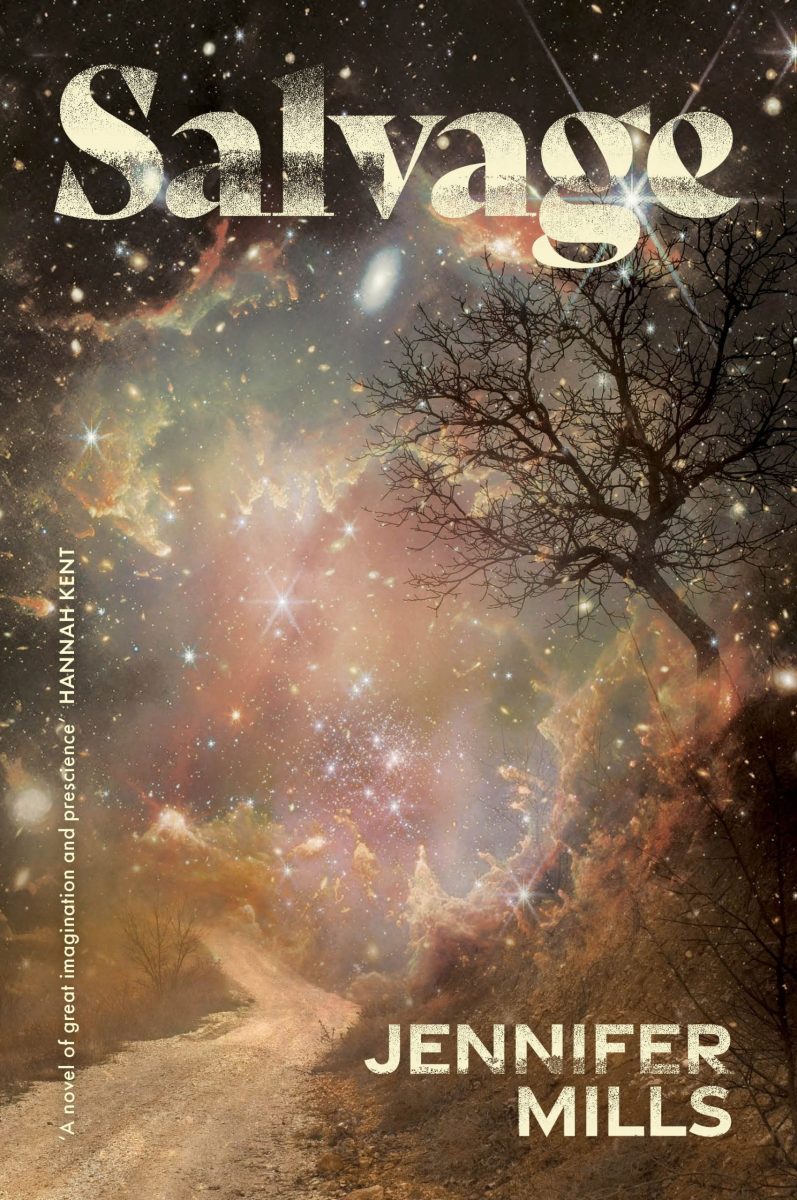
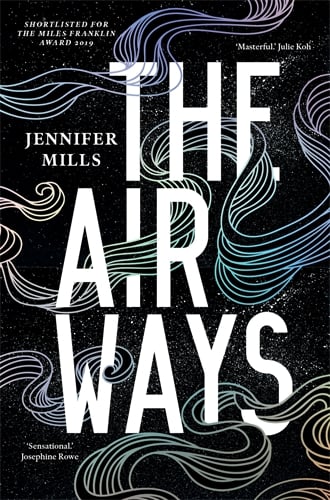
My health and wellbeing have improved because of this change, and it has greatly increased my capacity to support others, take part in community-led projects and engage in advocacy. It has enabled my role as Chair of the Australian Society of Authors and my participation in organising Constellations/Not Writers Week, along with countless smaller acts of support for other writers and artists.
Like most artists, when I have spending money, I spend it on books, music, art, gigs, films, and theatre, which in turn enrich my own practice.
The benefit of a fellowship is not just to the individual artist but to the culture as a whole. It is obvious to me that more fellowships should be made available, not to one or two writers a year, but to dozens.
Workers’ rights and tax free thresholds for creative work
The ‘centrality of the artist’ and the promise of recognising the ‘artist as worker’ represented a welcome conceptual shift in Revive, reflecting the reality of our working lives.
Most of us are not earning enough from our work, supporting ourselves with multiple jobs, and struggling with the cost of living just like other workers. As sole traders we lack the rights that attach to employees, and the access to benefits that other workers take for granted, including superannuation on freelance and contract work.
This government has made positive change in regulating the gig economy elsewhere, but it hasn’t been adequately applied to arts and culture work.
Legislated minimum rates and enforceable standards are basic expectations of all workers in our society. If we intend to treat artists and writers as workers, then we should adopt enforceable minimum standards for freelance work.
Tax reform to support arts and culture workers would offset some of the difficulties in slipping between the cracks of employee and small business. Considerations for tax reform should include a tax free threshold for creative income similar to the scheme that exists in Ireland. I support tax offsets for independent bookshops that support Australian authors, and other tax incentives that encourage reading and the buying of books.
At minimum, fellowships, grants and prizes awarded to artists and writers should be considered tax exempt. Paying tax on fellowships and grants adds unnecessary burdens and complications to what should be the simplest form of support.
Support for the wider community
As well as the above forms of direct funding for writers, we should be supporting the systems that support artists and writers.
This should start with broad welfare reform that understands and celebrates creative work, instead of the current punitive system. Raise the rate of JobSeeker, recognise creative practice as work, and remove so-called ‘mutual obligation’ for all.
I applaud the recognition of freelance and artistic work in meeting current income support obligations, but note that this recognition does not include creative practice itself. An increase in the rate of JobSeeker and removing so-called ‘mutual obligation’ would better support emerging artists, those taking time to work on their craft, and those who are experiencing periods of burnout or change.
Core funding for essential infrastructure including writers centres, literary journals, artist-run initiatives, small publishers, festivals and other organisations that support literature and employ writers. Such funding must be conditional on fair pay.
ArtsHub: Defunded Victorian arts organisations address Arts Minister
This should be accompanied by matched federal and state funding for artists in public schools around the country. Residencies and supported author visits, paid at standard rates, will ensure all public school students have equal access to arts education.
Another method of supporting writers and the sector is increased and ongoing support for reading, via public libraries, teacher librarians and the school curriculum, and content quotas for Australian books at schools.
A cultural policy that embraces creative solutions
Artists are experts in experimental, collaborative, creative practices. The next national cultural policy should reflect the way we work and embrace a wide range of possibility.
Like many writers and artists, I support the implementation of a basic income for artists. Many submissions asked for this during the last round of consultations, which Revive acknowledged. There has been no movement to implement this model in Australia, not even by supporting a small-scale pilot program.
The evidence for the value of this model has only grown. Ireland recently made its Basic Income for Artists scheme permanent after the pilot’s success, calculating a return of €1.39 on each €1 of investment. Artists on the scheme reportedly spent ‘more time creating, produced more work, and spent less time trapped in unrelated jobs just to survive’.
Arts and culture are a public good; when arts and culture are cared for, everyone in society sees the benefit. But too often, arts and culture workers don’t see the benefit of our work directly. We must be supported to do our best and share it. We need multiple forms of support to ensure better access for more participants, creative responses to the current challenges we face, and a healthier and stronger arts and culture ecosystem that everyone can enjoy.
The public consultation period for the next National Cultural Policy runs to 24 May. The Australian Society of Authors will also be making a submission, while Books Create Australia outlines a further advocacy campaign around books and reading.
The full version of this post was originally published with Jennifer Mills’ personal submission via her enews.