The UK and Australia enjoy vibrant cultural ecosystems that champion new and emerging arts alongside the traditional practices and old favourites. Audiences take creative life seriously and value its contribution to society, even if its practitioners always feel under-paid and under-appreciated – and yes, that’s something the two countries share.
As an arts writer and commentator, I’ve lived in Sydney, Adelaide and London over the last few years. While they have their strengths and similarities, there are also some clear differences. The experience of attending, supporting and living among the arts differs in ways that are practical, financial and social.
Arts audiences in UK and Australia – quick links
London is one of the world’s cultural capitals
The most obvious difference is scale and density. London is the clear winner here as one of the world’s great cultural capitals, on par with other major art centres like New York. There are over 200 museums in London and around 850 art galleries, ranging from tiny artist spaces to the biggest commercial galleries, such as Thaddaeus Ropac, Hauser & Wirth and Gagosian.
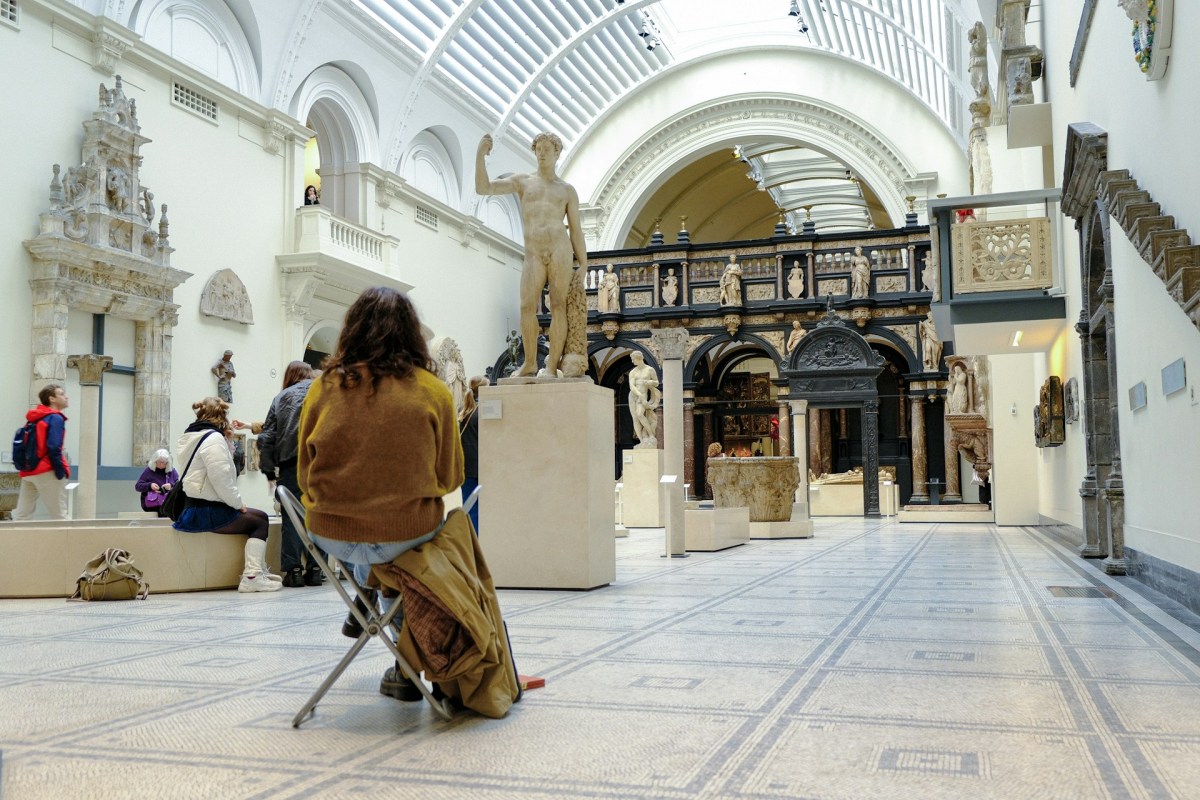
These stand alongside the major institutions such as Tate Modern, Tate Britain, the National Gallery and the Victoria & Albert Museum. You could literally go to a different museum or gallery every day for three years and still not see them all.
One of London’s great strengths is the smaller ‘house museums’, such as the Wallace Collection, Estorick or Handel Hendrix House. These are often tucked away in quiet suburban streets and have amazing collections.
It is the sheer number of options within a well-connected urban network that makes London feel so alive. This creates a sense that art is woven into the stuff of everyday city life. While there is always quite a lot going on in Australia, it is spread across the major cities and can’t match the density of London.
Libraries are a passion of mine, a cultural institution with a history that embraces the magic of Alexandria to the lions in New York and the astonishing architecture of Shanghai’s Zikawei Library. London has a good network of public libraries and while many are rather run-down, they are still important community centres. There are also some fascinating specialist libraries in London, including the Library of Freemasonry and at The Royal Philatelic Society.
Australians love an open-air festival
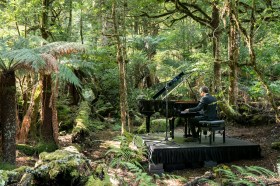
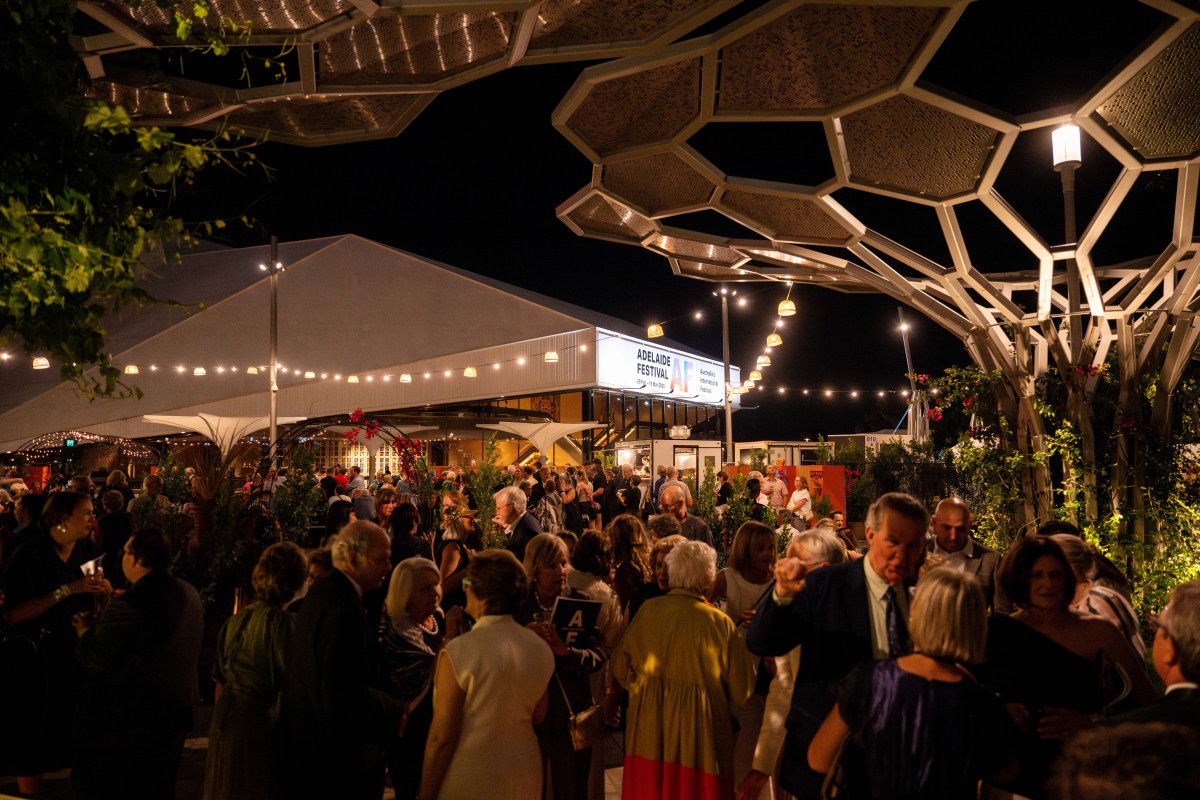
One thing Australia does rather better than London is the outdoor festival, thanks of course to the weather. From the Adelaide Festival, Adelaide Fringe and Illuminate through to Opera on the Harbour, Vivid Sydney and outdoor cinema nights, there’s a huge range of open air events to enjoy.
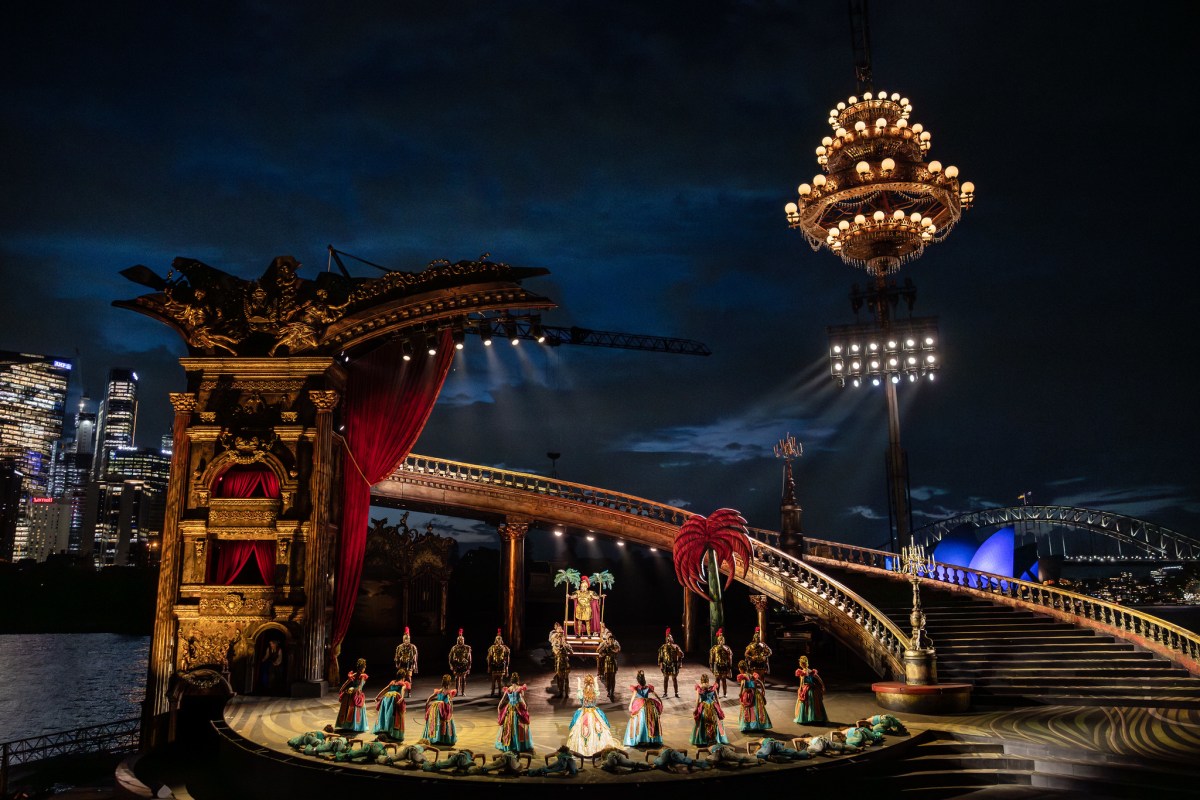
London does some outdoor theatre in Regent’s Park each summer and the traditional Shakespeare in the Squares, but nothing on the scale of Australian outdoor events.
Londoners take things very seriously
The Sydney Opera House is clearly the most iconic cultural institution in the country – and is also the place where you’ll see the most people taking pictures during a show, despite the best efforts of the ushers and their ‘no cameras’ signs. It seems nobody can resist the ‘I’m at the Opera House’ selfie.
There are other audience differences that go beyond this. London audiences are often very knowledgeable about their chosen artform. In a city where arts attendance is almost taken for granted, audiences will compare casts, directors, artists and curators in no uncertain terms. ‘Of course, it’s not as good as the 2017 production,’ they’ll say loudly.
Londoners will jump on tickets for a new production, sometimes nine months ahead of time, and then scrutinise every aspect of the show.
There is an intensity to this attention that can be both thrilling and a little intimidating. These audiences are ‘insiders’ – they know things we mere mortals don’t know – though experimental arts and new practices are also welcomed everywhere, from the alternative acts in a small theatre to the conceptual artists giving away their works outside the National Gallery.
I found visual art audiences in London to be the most performative, especially at the major commercial galleries such as White Cube Bermondsey and Saatchi in Sloane Square. Visitors often convey a real sense of ‘look at me looking at this artwork’, much like fashionistas strutting their stuff on the way to the latest catwalk showing.
London has a feeling of cultural confidence – it doesn’t need to explain itself because its place in the global art world is accepted.
Breaking down Australia’s ‘cultural cringe’
In contrast, Australian audiences often take a more relaxed approach to the whole art experience, with less social performance around attendance and a more open curiosity and enthusiasm about the experience.
In the past, I would have also said an Aussie audience dresses more casually, but these standards have changed in London too. Even at the Royal Opera House or the first night of the ballet, there is rarely a tuxedo to be seen.
While the days of the ‘cultural cringe’ may be behind us, there are still some old insecurities about the value of local work versus imported work, and the value of success at home set against recognition in London or New York.
Having lived overseas, it is clear to me that Australia really does value its own voice – even if it still needs to declare that everything is ‘world class’.
As for cultural resonance, it’s noticeable now that First Nations arts are being valued overseas as well as at home with leading practitioners being feted at art fairs and in museums.
London is very much a global collector and presenter of world cultures. Issues of identity and place, empire and colonialism, and race and immigration are major themes for artists and audiences everywhere today, even if the perspectives vary.
Australia is, of course, more geographically isolated and a little removed from the cultural zeitgeist of the day, although digital media has ameliorated that significantly in recent times. The UK still benefits enormously from its proximity to the great cultural centres of Europe and the vibrant arts ecosystem of the US.
The cost of supporting the arts
Cost is clearly a major factor for arts audiences everywhere. The major collections in London are still generally free, as they are in Australia (excepting Sydney’s Museum of Contemporary Art). Yet there is now talk in Whitehall of introducing an entry fee for tourists – a move which is being opposed by the arts sector.
But it’s in theatres and live performance where the costs can be staggering. The tickets for Barcelona in the West End last year were up around £150, basically double the $150 you’d expect to pay for a top-tier show in Sydney or Melbourne.
International touring shows are generally more expensive in Australia because of the distance and transport costs involved in staging the production, whereas shows can travel around the UK, or across Europe, much more cheaply and easily.
This also means Australian audiences often have to wait longer and pay more for the big ticket shows and blockbuster exhibitions. That’s where the major Australian arts festivals play such an important role in the cultural ecosystem.
Carrying the weight of tradition
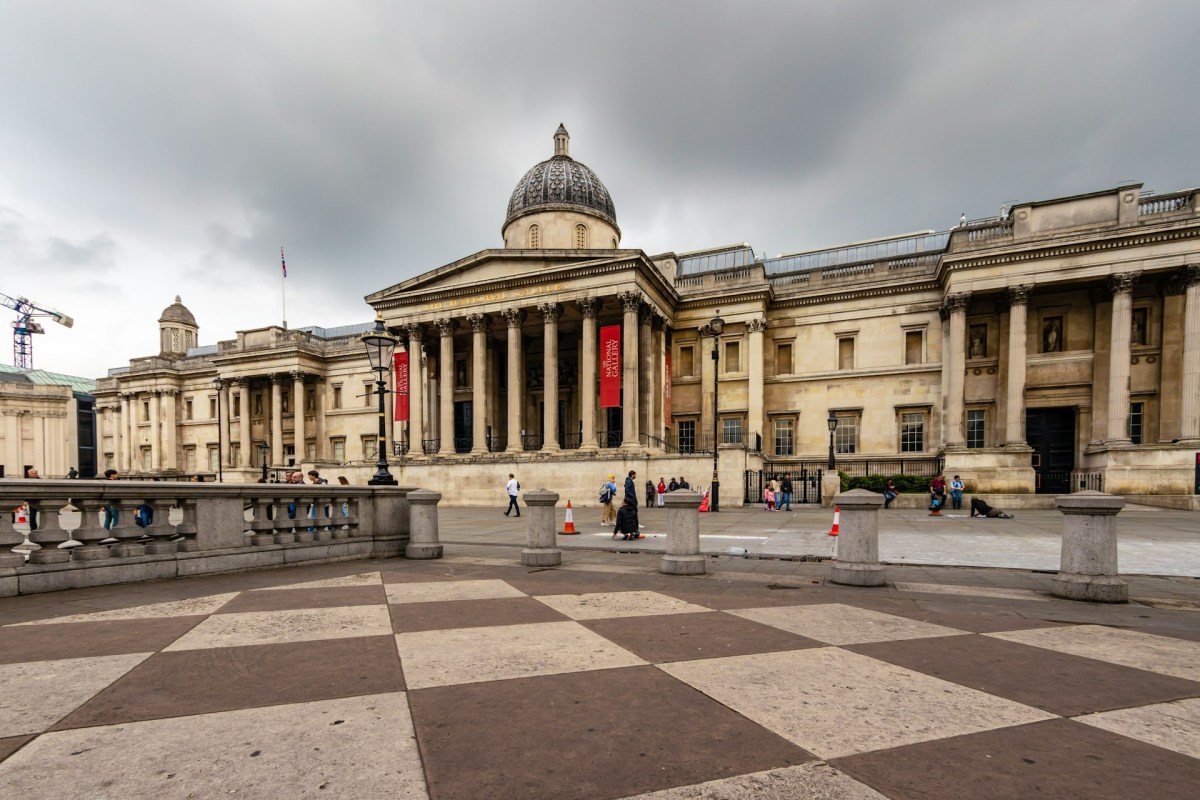
I do think the arts venues themselves have an impact on audience behaviour. Just as you lower your voice when you visit Westminster Abbey, so you feel the weight of cultural history when you enter the magnificent National Gallery on Trafalgar Square. Wilton’s Music Hall in London’s East End, one of the few surviving music halls in the UK, can trace the history of its building back to the 1690s. Set against this, Australian venues can feel more accessible and welcoming.
Even the newer theatres and art spaces in London exist in dialogue with the city’s strong cultural past. People often inherit habits of attendance built over generations, with theatres running the same show for years, such as The Snowman every Christmas.
The sheer density and diversity of the arts in London is hugely impressive and a little overwhelming. As an arts lover, there is always somewhere to go and something to do. But this can be exhausting and the ‘fear of missing out’ is rampant.
By contrast, everything feels rather special in Australia, precisely because it’s a smaller arts scene. This makes the arts ecosystem in Australia feel more authentic and connected to its local community.