Between 2023 and 2024, the cultural and creative industries contributed $67.4 billion to the Australian economy. Proportionally, audiences with disability attend the arts as much as non-disabled audiences. This means that making these industries accessible for the more than 20% of our population who identify as disabled is an economic imperative. But what will it take to make Australia’s arts and cultural sector truly accessible?
Established in 2022, the Access Fringe program at the Melbourne Fringe Festival is a 10-year partnership with Arts Access Victoria supporting d/Deaf and disabled artists through commissions, mentorships and specialised development programs. The initiative shows how embedding access into every space and conversation can lead to change across the entire cultural sector.
At last year’s Access Fringe, Cultural Equity Consultant Caroline Bowditch hosted talks with national and international industry speakers about ‘radical access’. As she said, ‘Radical Access imagines a radical version of best practice accessibility for the independent arts sector. It moves the conversation beyond the provision of access services into a space of cultural equity.’
Radical access in the arts – quick links
Changing ingrained cultural systems from within
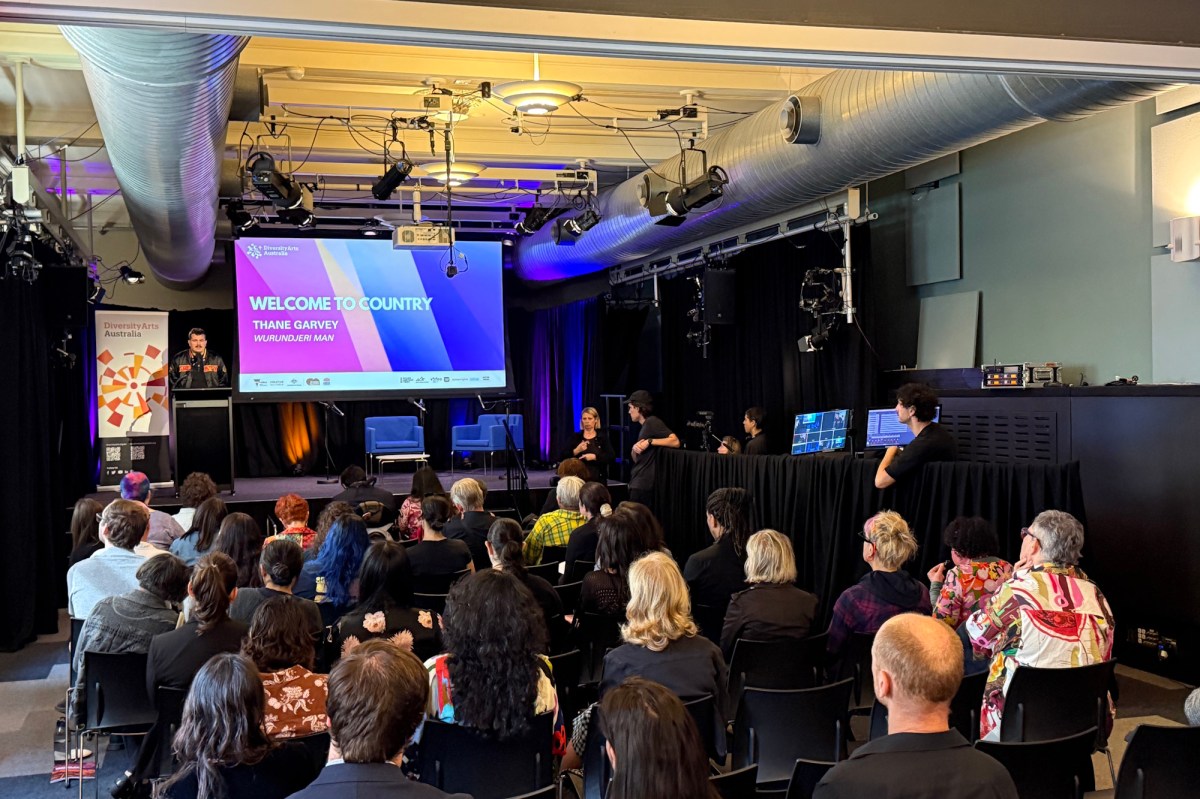
Reimagining ableist practices means understanding the effects of our everyday habitual behaviours and approaching our work with curiosity and care for how we might work together to create change. What becomes possible when we create space for bodies that think and move in different ways?
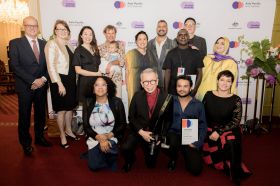
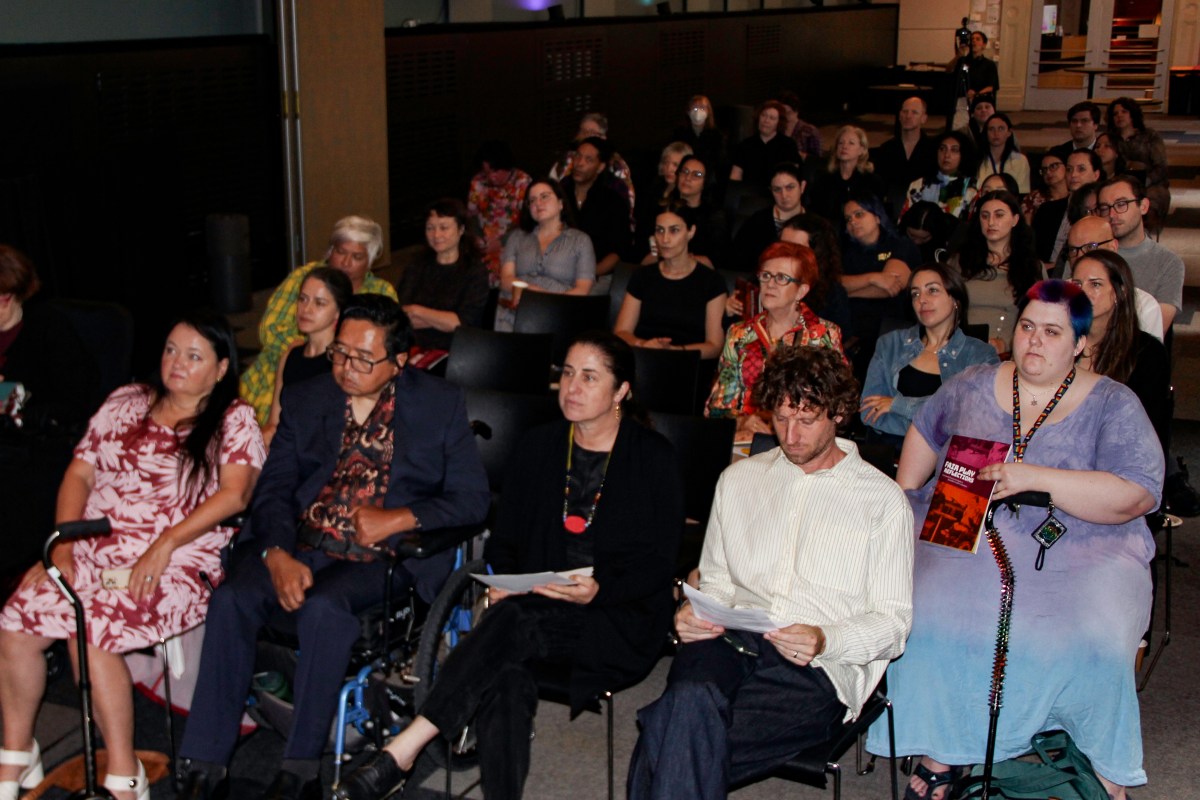
Last month’s launch of Diversity Arts Australia’s Fair Play: Equity, Inclusion and the Creative Industries report at Melbourne’s Wheeler Centre shows how sustained, behind-the-scenes work to shift equity and access across the creative industries can create important structural changes.
The Fair Play program was developed in 2019 to address systemic exclusion in the creative industries for First Nations people, d/Deaf and Disabled people, and artists and arts workers from underrepresented culturally and linguistically diverse backgrounds. Since its launch, it has grown into a national program that supports organisations to unlearn the systemic biases that no longer serve our communities or our creative sector.
Reaching more than 75 organisations and over 2000 participants through training, mentoring and sector conversations, Fair Play is proof that long-term collaboration and shared learning can ensure that diversity, accessibility and inclusion become an integral part of organisational thinking.
Speaking at the launch of the report, Fair Play trainer and mentor Kochava Lilit said: ‘A lot of disability justice practices benefit everyone. For people who are tired, who need flexible working arrangements because they are parenting, caring or living with disability and chronic illness.’
Emerging technologies and the future
Last year’s Art, Access and the Digital Now symposium at the Fremantle Biennale brought together world leading artists and arts organisations to discuss whether digital technologies such as artificial intelligence are tools for inclusion or exclusion.
ArtsHub: Dragon I review: one man and an AI assistant at Perth Festival
Although the unanimous undercurrent at the symposium was to exercise caution when it came to machine vision, there were many examples of using technology for good too. A clear standout was Scottish dance company Indepen-dance and their use of online and digital tools to enhance accessibility for disabled performers. Another example came from Nat Lim, Director of Singapore’s A11YVerse, who runs a living lab where technology provides opportunities for diverse communities to experiment with new approaches to work and learning.
Examples like these show that for technology to be accessible, it must be introduced and developed in collaboration with communities – testing, adapting and asking: ‘does this work for you?’
David Doyle, Executive Director of the community arts and cultural development organisation DADAA, said: ‘The Fremantle Biennale has placed artists and cultural thinkers with disability at the core; bringing arts practitioners and producers from across the globe to illuminate the urgent conversations that artists and communities are driving in the most uncertain of times.’
The importance of working together
When it comes to creating accessible spaces there are many people and organisations working behind the scenes to increase representation and visibility in the creative sector. In their fight to change the narrative in marketing and communications, the not-for-profit initiative Shift 20 encourages brands to think about how they are including different parts of their target audience from the outset of the creative process.
This includes planning projects to include people with disabilities from the beginning of the project – from concept and script development to casting and hiring access co-ordinators and disabled crew to authentically bring the story to life.
On Shift 20’s website, they link to Kantar’s The Power of Inclusive Advertising, a useful guide for screen practitioners wanting to make their production more inclusive.
As pioneering UK based theatremaker Jenny Sealy said in conversation with Caroline Bowditch at last year’s Radical Access program at Access Fringe: ‘Access is a question of ethics and community responsibility, not just a tick box exercise.’
In unlearning the multitude of ways that culturally ingrained ableist histories impact those who participate in the creative industries, all parts of our community can work together to ensure that access is integrated into every part of the cultural ecosystem.
The biggest tip: just jump in
If you are looking for guidance on how to make your workplace, project or event more accessible, a great place to start is to get familiar with the social model of disability. Recognising that people are disabled by cultural systems allows us to initiate new conversations about how we can work together to remove attitudinal, environmental, institutional and communication barriers.
ArtsHub: Australia’s arts and disability movement is gaining new momentum
By working in collaboration with people with lived experience of disability, cultural organisations can ensure programs, venues, rehearsals and digital spaces are designed with accessibility in mind.
When interwoven into creative decision-making processes, access features such as BSL interpretation and audio description activate new forms of understanding, experience and participation that have enormous creative and conceptual potential.
Disability, inclusion and equity consultant Morwenna Collett has devoted much of her career to examining best practice approaches and implementing systems to make creative experiences more accessible. With the support of a Churchill Fellowship and Music Australia, she has travelled the world researching how music festivals and cultural organisations are making real change when it comes to accessibility.
When I asked Collett how the creative community can work together to make the future more accessible for all Australians she said: ‘I believe we all need to just jump in and start somewhere, seek regular feedback, plan for improvements and connect with each other to keep learning.’