From Berlin and Montréal to Seoul and Singapore, you won’t be surprised to see that some of the world’s best-known creative centres sit on UNESCO’s Design Cities list. But you might not immediately think of Victoria’s second city, Geelong.
So, what makes this regional Australian city an official design capital?
Geelong’s UNESCO City of Design status – quick links
Geelong Design Week centres creative innovation
It’s a question worth asking as Geelong Design Week returns with its biggest program yet in 2026. Running from 1 to 11 October, the biennial celebration spans more than 80 events including exhibitions, talks, workshops, tours and installations – including the inaugural Victorian Regional Design Fair.
The title can sound like a curious piece of civic branding, but Geelong’s designation as one of UNESCO’s Cities of Design in 2017 was not so much about declaring the city as an aspiring design destination as recognising something that was already there.
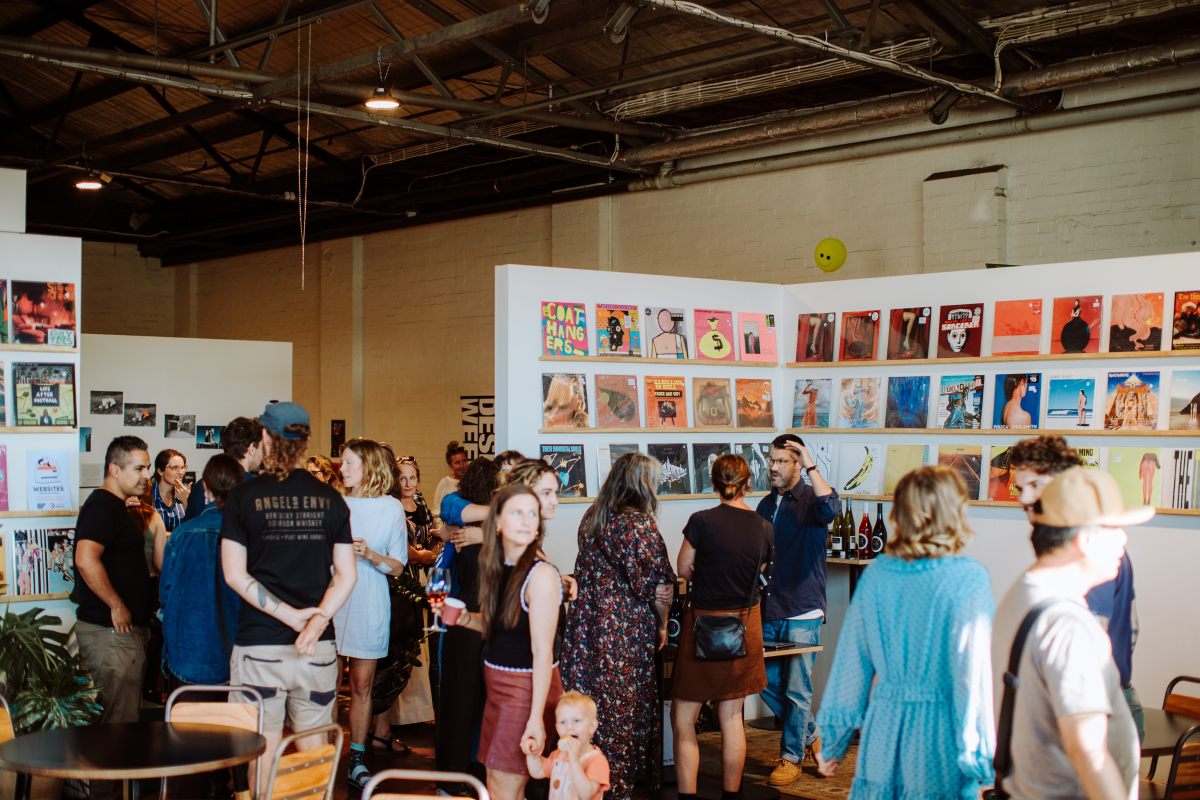
‘Design had long been part of our economy through wool and textiles, manufacturing and engineering,’ City of Greater Geelong CEO Ali Wastie tells ArtsHub.
‘As those industries evolved, it offered a foundation on which to build new opportunities.’
According to Wastie, the designation brought together Geelong’s history of ‘making and innovation’ with a community ambition for its future, and has become a framework for connecting Geelong’s industrial history with contemporary creative practice in the area.
ArtsHub: The ‘handmade’ label is no longer enough – makers must tell new stories
A city built on making
Geelong’s design story is, in many ways, a story about what happens when a place must continually reinvent itself.
Its industrial history – from wool and textiles through manufacturing and engineering – created a practical culture of working with materials, solving problems and turning ideas into useful things.
That legacy remains visible in the city’s contemporary design ecosystem, which Wastie describes as having ‘a practical quality’: an understanding of materials, how things work, and how to make something functional. Today, that extends across advanced manufacturing, architecture, product design, digital technology and contemporary craft.
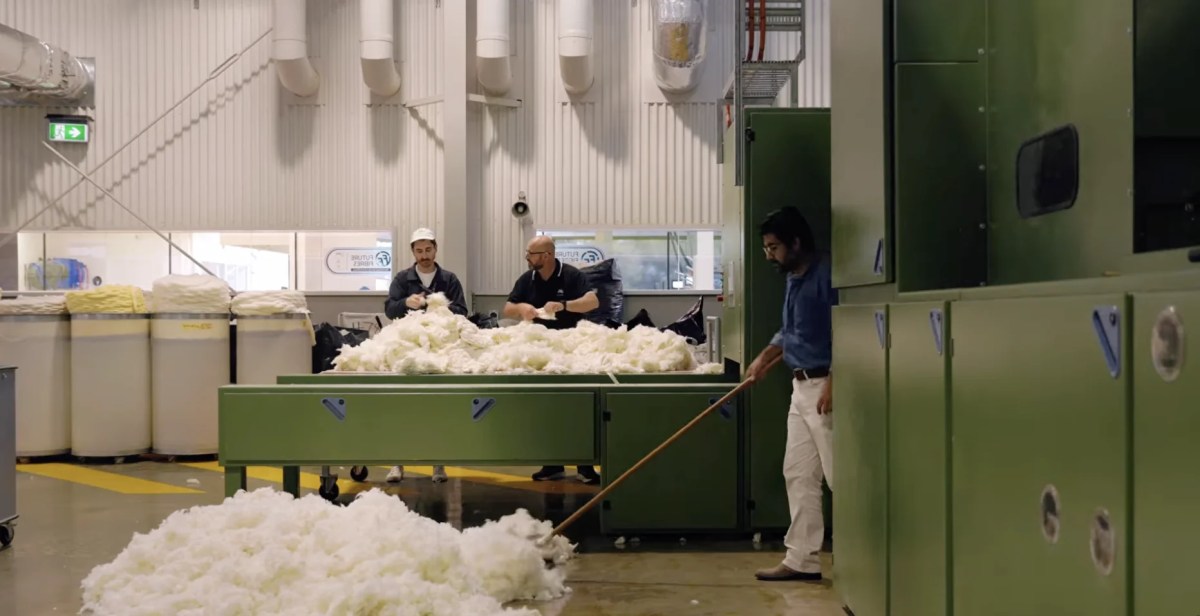
Beyond the colonial history, the city’s identity is also inseparable from place. ‘Wadawurrung knowledge, culture and continuing connection to Country are fundamental to understanding Geelong,’ says Wastie.
That makes the City of Design designation less about a particular aesthetic than a way of thinking about the city: how it grows, how people move through it, how materials are used and reused, and how local knowledge can inform its future.
The city’s own UNESCO reporting identifies three broad ambitions: embracing a design mindset, nurturing creative talent, and fostering a design culture.
When design becomes city-making
Almost nine years after the designation, that philosophy is increasingly visible beyond the creative industries.
Wastie points to the planning framework for Geelong’s Northern and Western Growth Areas, where the UNESCO commitment is linked to creativity and sustainable urban development.
‘You can also see those ambitions in projects already delivered. Wurriki Nyal, our civic precinct, was designed as a welcoming, accessible public space; its timber structure and environmental features helped it achieve a 6-Star Green Star Design and As Built rating,’ she explains.
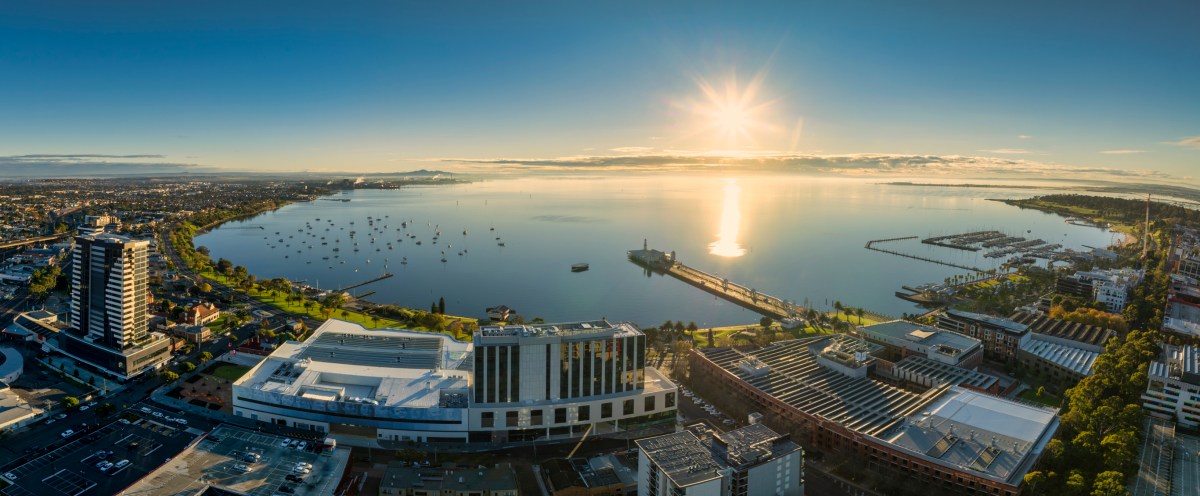
‘At Nyaal Banyul [Geelong’s convention and event centre], the question extends beyond the building itself to how it connects with the waterfront, CBD, cultural institutions and surrounding businesses.’
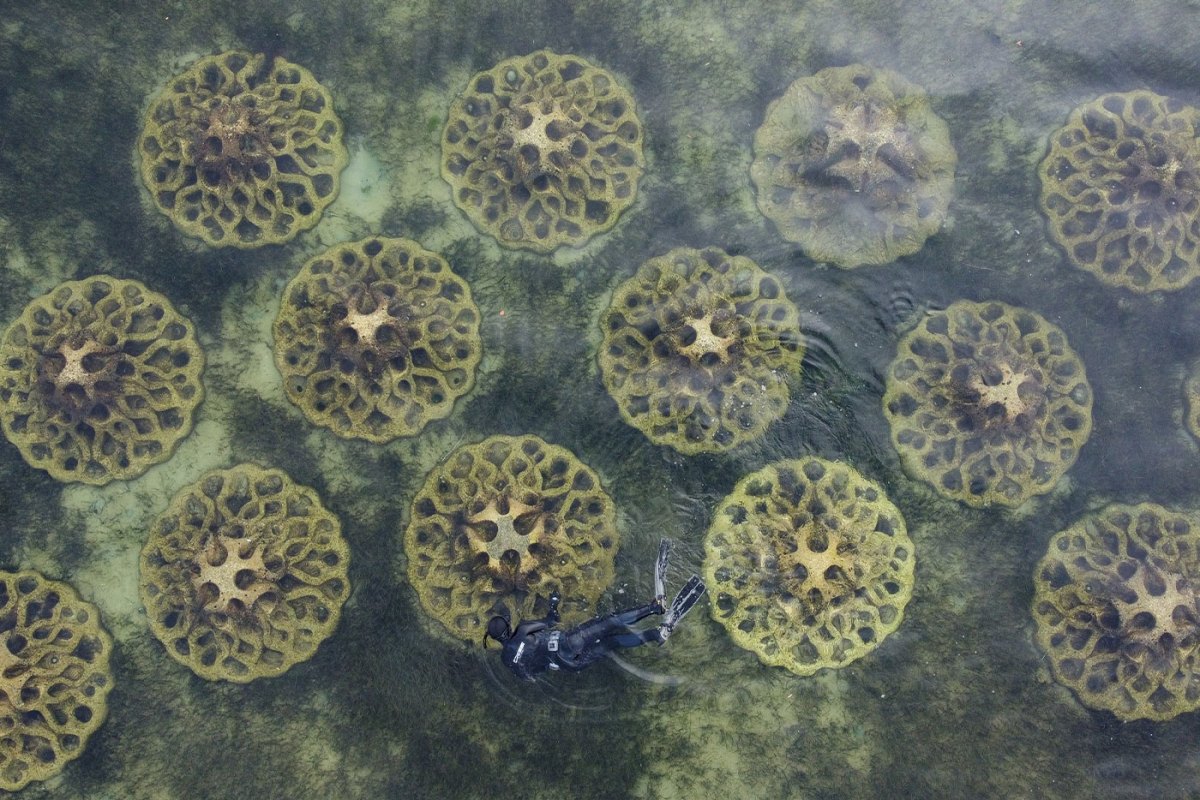
Increasingly, the city is also looking at design through the lens of circularity: considering how materials and infrastructure can be reused, recovered and kept in circulation rather than treating waste as an afterthought.
The ambition, Wastie says, is ultimately for design to become ‘part of how Geelong operates’ – from neighbourhood planning and infrastructure to creative industry support and environmental decisions.
Designing a regional creative economy
That philosophy only works if the people actually making things in Geelong have a meaningful role in it.
Kate Heppell, co-founder of colourful homewares and lifestyle brand Kip & Co, describes the area’s coastal landscape and creative community as fundamental to the business – which is recognised for its sustainable practices, focus on responsible sourcing, and celebration of Australian artists and designers.
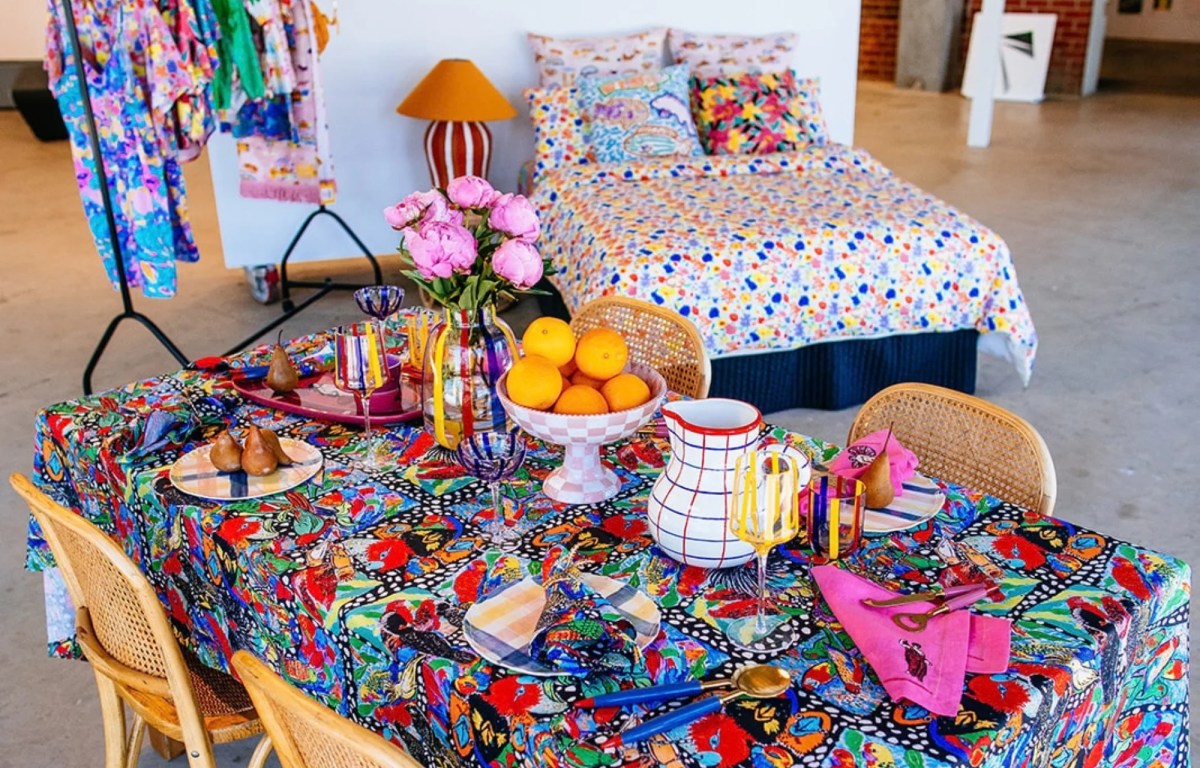
Although the company’s office is in Melbourne, Heppell lives on the Bellarine Peninsula, as does her sister and fellow co-founder Hayley Pannekoecke.
‘We’re continually influenced by our coastal lifestyles,’ Heppell tells ArtsHub, pointing to the way colour, scale, pattern and unexpected combinations find their way into Kip & Co’s work.
‘We think [everyone should] make your sanctuary what fills your cup. So if that’s colour or texture or a mix and match of patterns, do it. Express yourself in your home.’
For Heppell, being regional isn’t simply about escaping the city. It provides a kind of creative space – literally and figuratively – that feeds her practice.
‘It’s that space that it gives me to be creative,’ she says. ‘That landscape and the community and the people that live there … feeds my workflow.’
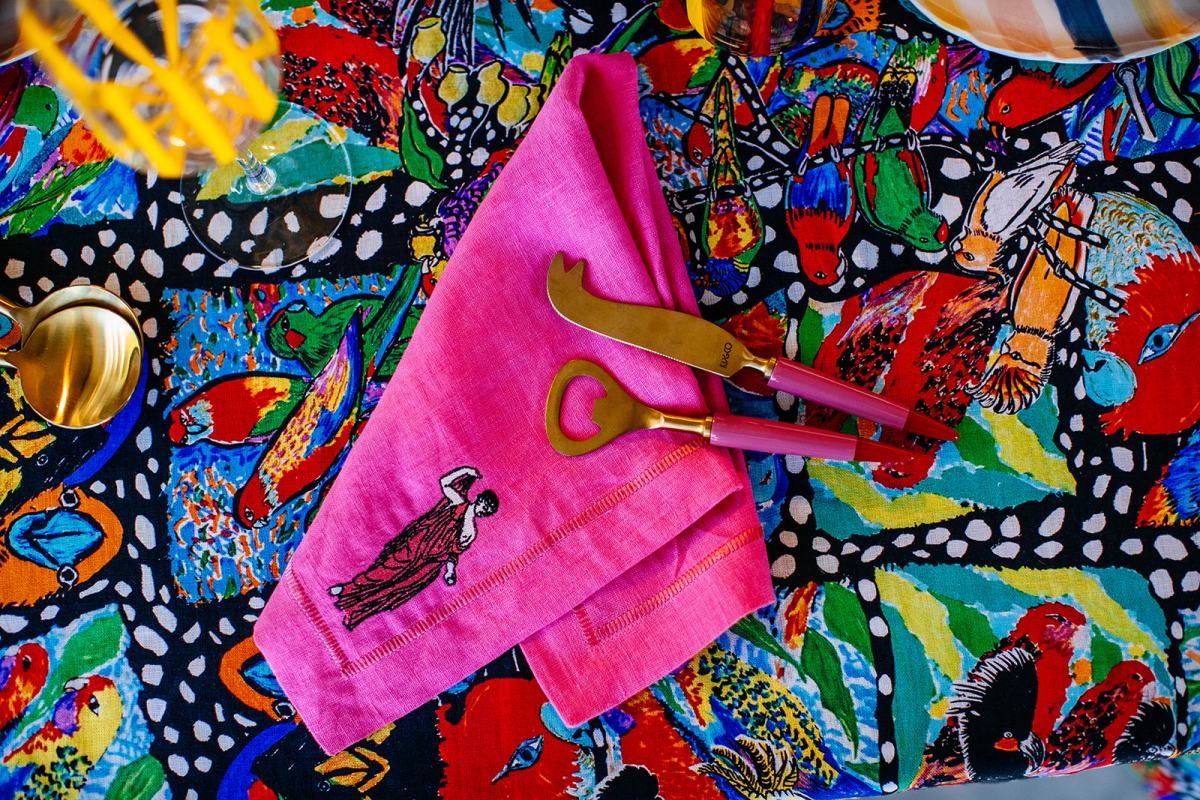
Geelong Design Week has become part of that ecosystem. Kip & Co has has been involved over several years, participating in panels and creating installations. Heppell says the connections made through the event have led to collaborations with other creatives, such as Geelong-based artist Nicko Phillips.
This year, the brand is taking a more immersive approach, creating an installation made from hundreds of pieces of coloured glassware.
For Heppell, that connective function is one of the real benefits of having a design festival in a regional city: it provides a platform for local practitioners to meet collaborators, share ideas, and reach audiences they might otherwise not encounter.
That is precisely the kind of design culture Geelong’s UNESCO designation seeks to encourage.
Bringing regional design into focus
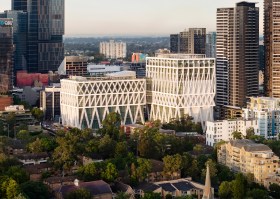
The inaugural Victorian Regional Design Fair makes that idea explicit. Held at the newly opened Nyaal Banyul Geelong Convention and Event Centre from 1 to 4 October, the new flagship event brings together more than 50 designers, makers, studios and creative businesses from across regional Victoria, alongside hosting talks, exhibitions, interactive experiences and a design shop.
It also shifts the conversation beyond Geelong itself. If the city’s UNESCO status gives it an international network for exchanging ideas, the Regional Design Fair creates a local and statewide network: a way of putting regional practitioners in the same room and making their work more visible.
That feels particularly significant in a country where design conversations can easily become concentrated around capital cities.
Geelong’s designation doesn’t mean every piece of civic infrastructure is suddenly ‘design-led’, nor does it mean every creative business in the region is connected to the UNESCO program. What it does provide is a framework – and increasingly, a platform – for recognising design as part of the region’s economic, cultural and civic life.
Geelong Design Week sits at the centre of that proposition. Its previous edition in 2024 attracted 40,925 attendances across 86 events and was estimated to contribute $1.4 million to the local economy.
The more interesting measure, however, may be what happens between the festivals: whether young designers can build careers in the region, whether creative businesses find collaborators, whether local knowledge informs development, and whether design becomes part of how the city imagines its next chapter.
For Geelong, becoming a City of Design was never really about having the right title. It was about deciding what to do with a history of making – and using it to design what comes next.