When Patrick Kennedy took the reins as Festival Director of Sydney Fringe last year, stewarding the final edition to be programmed by industry leader Kerri Glasscock, he inherited one of Australia’s largest open-access arts festivals.
This year, rather than simply overseeing another annual program, he saw an opportunity to rethink what the festival could be.
Kennedy wants people to see Sydney Fringe as much more than something that only exists for four weeks each September. He sees Sydney Fringe as a year-round advocate for independent artists, helping to create sustainable careers, stronger audiences and clearer pathways for work to move beyond its first staging.
That philosophy underpins this year’s festival, which brings together over 2000 artists across more than 350 events and 64 venues throughout September.
ArtsHub: Sydney Fringe director’s picks: 11 unmissable shows
Sydney Fringe’s bold plans for 2026 – quick links
Growing audiences, not just programs
While audiences will find everything from avant-garde performance to large-scale circus spectaculars at this year’s Sydney Fringe, Kennedy says the bigger ambition lies beyond the program itself.
‘We’re trying to become less of a festival that pops up in September and then disappears for 12 months,’ he tells ArtsHub. ‘We want to become a year-round presence and a sort of lobbying group for independent artists.’
‘We have so many wonderful independent venues in Sydney – like KXT on Broadway, the Old Fitz and the Hayes Theatre. I’ve been really focusing on analysing how Sydney Fringe fits into that ecosystem, and how we can be of assistance to them. We never want to be competing, that’s not the nature of our sort of organisation.’
Sydney Fringe’s new strategic plan, launched in January and projected to run through to 2029, balances audience growth with sector development.
Having previously spent two years leading marketing for the festival, and with a further 15 years’ experience in the commercial theatre world, Kennedy remains focused on growing audiences by building a clearer public understanding of what Sydney Fringe actually is.
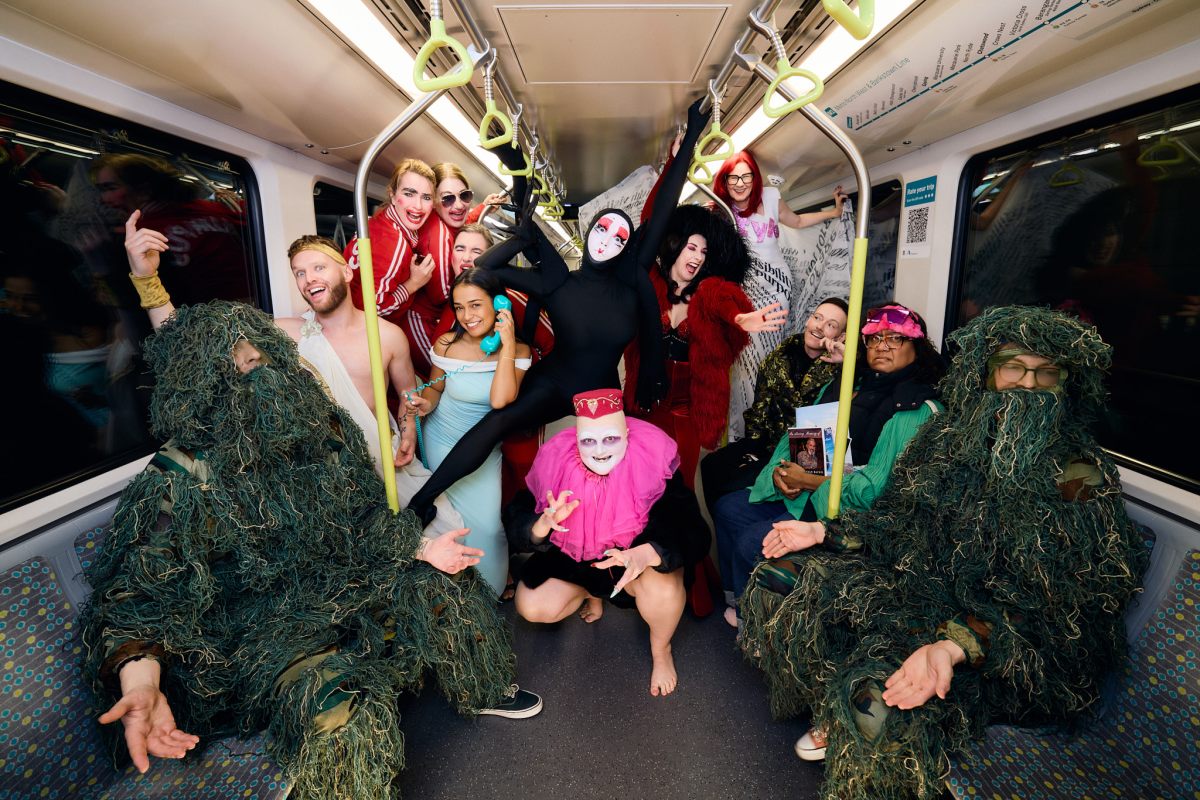
‘For artists, “Fringe” means something immediately,’ he says. ‘But if you stopped someone in the street and asked them what Sydney Fringe Festival was, they probably couldn’t tell you.’
Growing audience awareness, he argues, isn’t about commercialising the festival – it’s about ensuring artists actually have audiences to perform to.
‘You can have as many artists as you want, but if audiences aren’t growing alongside them, you end up with more artists and less busy auditoriums,’ he says.
Sydney Fringe reports strongest ticket sales yet
While increasing audience awareness is a long-term strategy, it’s clearly already paying off in ticket sales. When Sydney Fringe announced its 2026 program last Monday (13 July), tickets started flying immediately. ‘This is our most successful on-sale ever. It’s a 100% increase on last year in terms of sales,’ says Kennedy.
While discussions about the Australian theatre industry have been dominated by the performing arts crisis that has seen commercial musical tours cut short, and with lagging ticket sales being named as a contributor, this is especially good news.
‘I put that down to a very lively and active Sydney art audience. I think it’s a fallacy that all Sydneysiders want to do is sit in their houses and watch Netflix,’ says Kennedy, who also notes the festival’s affordable ticket prices as an incentive. (Many main shows are around $29 a ticket.)
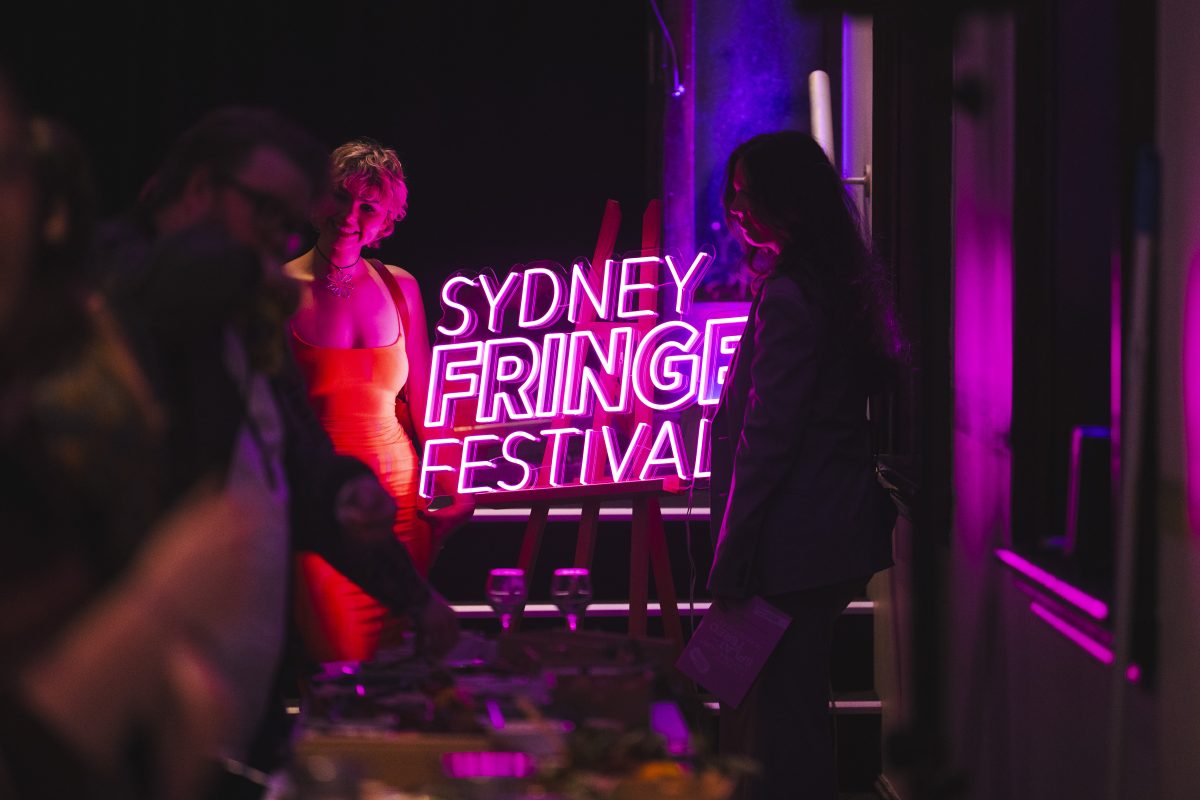
‘We had our most successful festival ever last year. We had a 12% increase in paid ticket sales, which is a significant jump for us. We did it on reduced budgets, reduced marketing, and what it told me is that there is a big appetite for this,’ he says.
‘There is an appetite for the theatre. Maybe it’s just that people do want to see something new, something fresh’ he adds, gesturing to the uptick of absurd performance art leading this year’s program – with inspirations coming from from Dadaism and the avant-garde clowning movement that arose around a century ago, when the world was experiencing an ‘identity crisis’ in the wake of a world war and a pandemic.
‘If the world is so unbelievably absurd, then why not go and see something which is even more absurd, that might give a little bit of your sanity back?’
An artist serving artists
Kennedy is equally conscious that audience growth alone won’t solve the structural challenges facing independent theatre. An active theatremaker himself, he is passionate about continuing to direct and design experimental plays that make people go ‘what the fuck was that?’ (his own words) alongside running the festival.
He already has another show planned for later this year at KXT on Broadway, Paradise Hotel by the late avant-garde playwright Richard Foreman.
‘Having lived and worked in the Sydney independent arts ecosystem, I was also hyper aware … of the struggles and strains of getting work up and running in this city in particular,’ says Kennedy.
That ongoing artistic practice and experience informs how he approaches the role.
‘I hope people see that strategy isn’t a dirty word,’ he says. ‘Being well-governed and thinking sustainably is how we serve artists. If we get this wrong, we won’t exist, and that would be a huge loss for the sector.’
ArtsHub: Profits or losses for state theatre companies – key trends revealed
Creating pathways beyond the festival
That eye on the broader ecosystem is already shaping several new initiatives announced this year.
The KXT Pipeline Award, a new partnership with KXT on Broadway, will guarantee one Sydney Fringe production a fully funded season within KXT’s acclaimed program, creating a concrete pathway for emerging work.
Meanwhile, Sydney Fringe has partnered with ArtsHub on the Fringe Reviewer Lab, creating a mentorship pathway for emerging arts critics at a time when opportunities are scarce.
‘When artists tell us why they’re doing [Sydney] Fringe, it’s rarely to make millions of dollars,’ says Kennedy. ‘It’s to get reviews, build audiences, create production images and develop their careers.’
Together with touring exchanges through the Made in Sydney, Made in Canberra and Made in Wollongong programs, Kennedy sees these initiatives as building a stronger ecology rather than simply presenting a festival.
‘We don’t want to compete with independent venues,’ he says. ‘We want to strengthen the whole ecosystem.’
The next step: a year-long Sydney Fringe venue
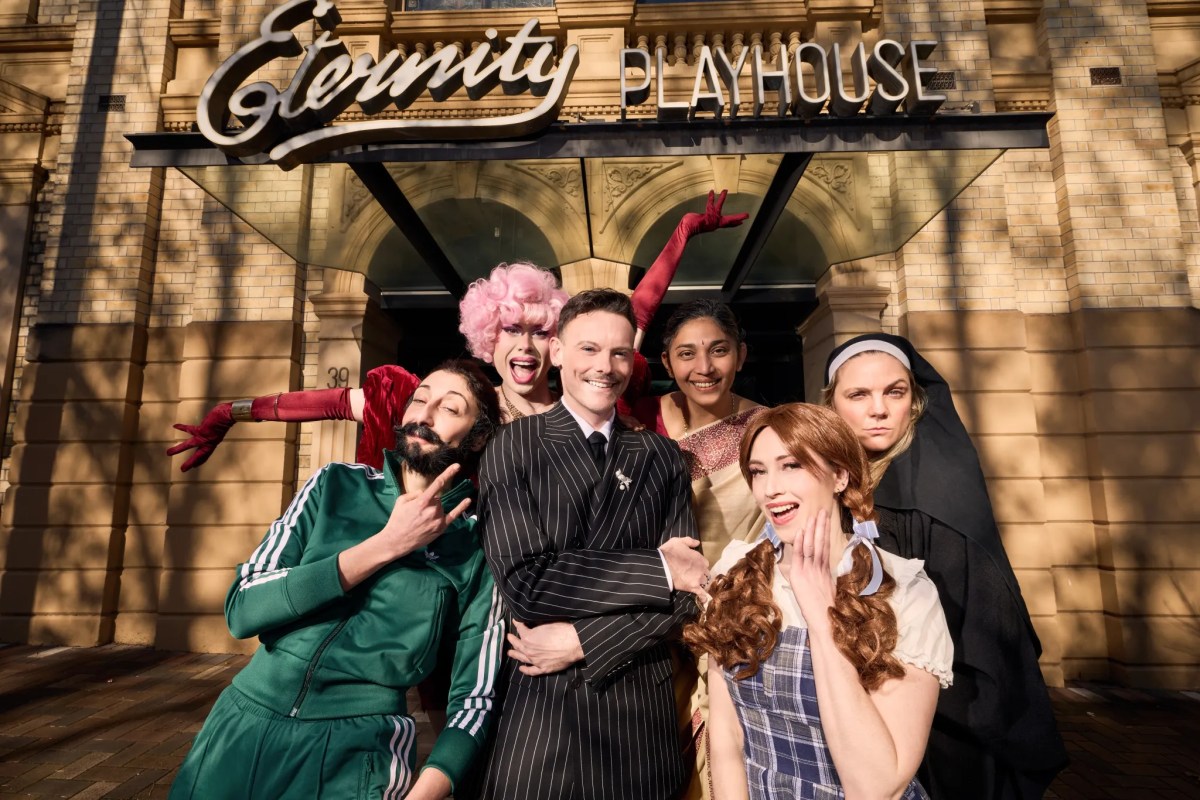
Off the back of re-opening the much-loved Eternity Playhouse (which had been sitting empty for a year after resident Darlinghurst Theatre Company entered voluntary administration) as Sydney Fringe’s Off-Broadway Hub in 2025, one of Kennedy’s biggest ambitions is to establish a permanent Sydney Fringe venue that operates year-round.
Rather than functioning as another curated theatre, the proposed venue would operate as an open-access space where independent artists can stage work without the prohibitive upfront venue hire costs that often prevent productions from getting off the ground.
Sydney Fringe is currently consulting across the sector and gathering letters of support before finalising a business case. ‘A lot of my time in the past six months has been spent on building a business case for taking over a building within the city. There are so many wonderful buildings in this city that just sit there and they’re not used,’ adds Kennedy.
A ‘once-in-a-generation opportunity,’ the venue would also address another longstanding gap in Sydney’s theatre landscape: what happens after a successful independent season.
‘We often see shows [in Sydney] that sell out and have so much critical acclaim, and there’s a demand for them, but they sort of don’t really have anywhere to go unless they tour interstate or internationally,’ says Kennedy. ‘Our dream is to create that next step.’