It’s a sentiment often expressed that without commercial gallery representation, artists’ options to exhibit in professional and affordable ways are narrowing in an increasingly cost-heavy environment.
Yet for some independent curators, the past few years of tough conditions have seen them pursue alternative exhibition models to allow artists to sidestep conventional gallery structures and diversify their practices while attracting more buyers for their work.
ArtsHub spoke to two such curators (one of whom is also an artist) about how they are developing these so-called alternative models.
Alternative exhibition models – quick links
Keeping ARIs alive amid rising rent costs
Consuelo Cavaniglia is a Sydney-based artist, curator and educator who, alongside artist Brendan Van Hek, founded the ARI space Sydenham International five years ago in Sydney’s Inner-West.
From the outset, the artists were intent on running an experimental art space, exploring what format an exhibition outcome could take.
As the artist tells ArtsHub, ‘Before we opened, we gathered artists, writers and curators for a series of roundtable events to ask them what they wanted in terms of support for their practice. It was really interesting for us to also hear that many artists were seeking spaces to have solo shows.’
‘So, I think that revealed the need out there generally for more opportunities for artists to exhibit their work, as well as the need for spaces to come together to share experimental aspects of their practice.’
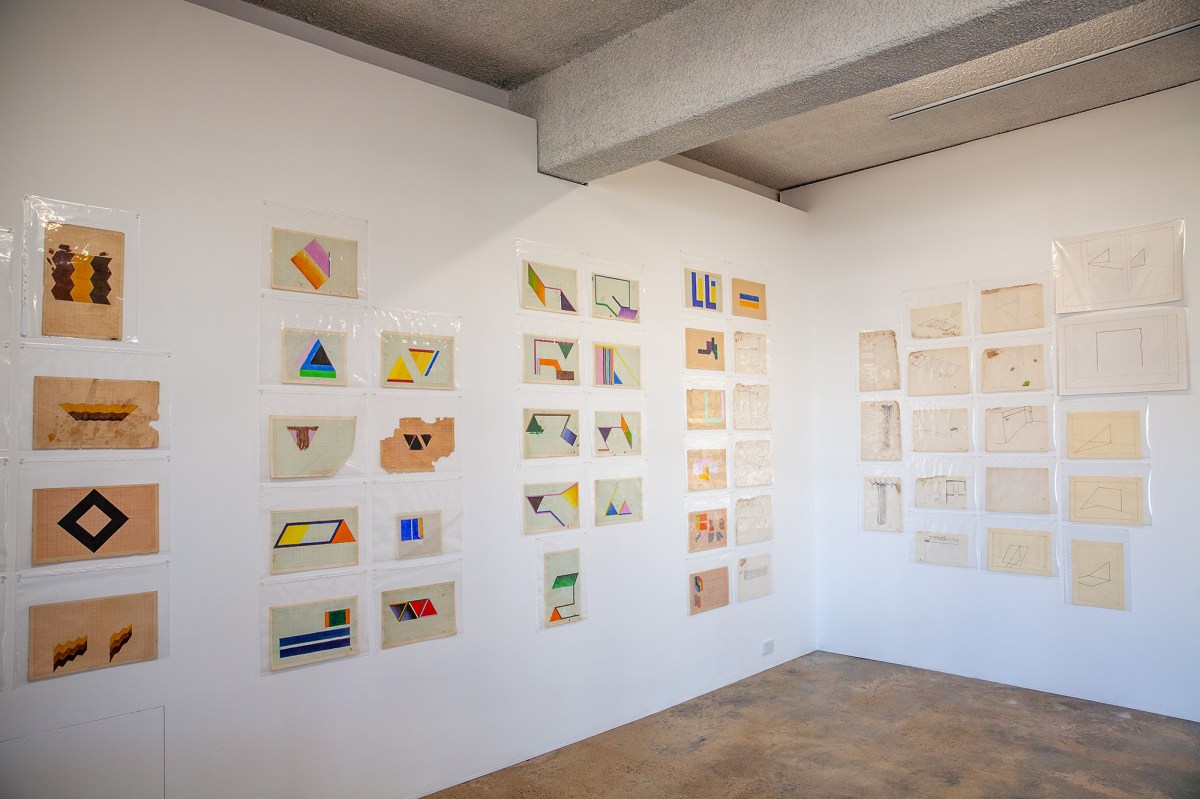
While Cavaniglia and Van Hek have had a successful five years of hosting myriad shows for independent artists – including hosting forums to foster critical dialogue around artists’ work – Cavaniglia tells ArtsHub that due to the increasing rents in Sydney’s Inner-West, Sydenham International will close at the end of this year.
Yet as she explains, it’s an outcome that, while disappointing, the ARI founders’ are philosophical about.
‘I think by their nature, ARIs can’t and don’t last forever, and that’s OK,’ she comments.
‘It’s more alarming when [ARI and gallery] spaces close and nothing replaces them. But there are some great new spaces that have recently opened around Sydney, like Solvent [in Annandale] and Numbers in King Cross. There’s also artist Conor O’Shea who runs SydneySydney where he opens a room in his house to host exhibitions.
‘So, I think, at least in the Sydney area, there continues to be a healthy ARI ecology.’
New ARI BANAL(E) activating existing exhibition model
Yet even before Cavaniglia and Van Hek call time on their current space, they are already busy curating another new arts event that charts a similarly artist-led path to exhibiting work.
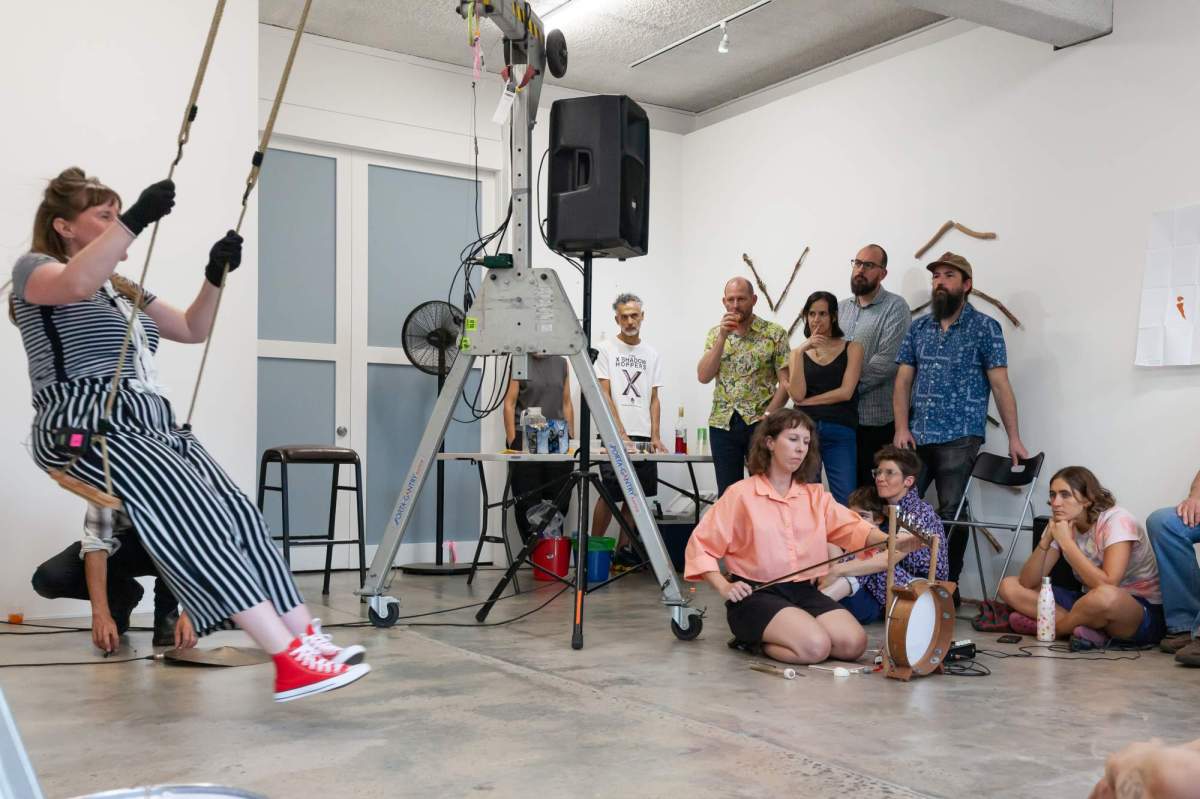
Building on existing ‘alternative’ exhibition models such as Melbourne’s gallery-led hotel art fair Spring 1883 (which is itself inspired by the Gramercy International Art Fair in New York which ran from 1994 to 1998), Cavaniglia and Van Hek are staging ARI BANAL(E) to be held at the Hyatt Hotel in Canberra as part of the upcoming Canberra Art Biennial.
‘ARI BANAL(E) is an extension of our ongoing work with artists and is an event that encourages both artists and collectors to see that there isn’t simply one way of showing, selling and buying art,’ Cavaniglia explains.
ARI BANAL(E) invites five other ARIs (in addition to Sydenham International) to show their work across six rooms at the Hyatt Hotel for a one-day only special exhibition.
ArtsHub: Khaled Sabsabi’s Between Suns reveals the depths of the artist’s spiritual practice
‘In a similar way to Spring 1883 or New York’s Gramercy event, artists will install works in unexpected ways. You might see a sculpture in a bathtub, for example,’ the curator says.
Ultimately, this latest project affirms these ARI founders’ strong support of their fellow artists, and reflects their belief that artists have multidisciplinary practices with numerous avenues open to them to exhibit their work.
‘I really believe there are so many different ways of being an artist,’ Cavaniglia says.
‘And I think Brendan [Van Hek] and I have always been interested in how artists can situate themselves in modes of exchange with audiences in more than one way.
‘You might do an exhibition in a white cube type of space, but at the same time you might exhibit in a zine fair,’ she continues.
‘So we’re interested in thinking about what it means to have a community of practice and how can we help each other to do things.’
ArtsHub: Sydney Contemporary 2026 – standout booths and artists in demand
Cavaniglia adds that while maintaining their collaborative outlook, the pair are also tuned in to the power of the commercial art market and the important role of art buyers and collectors in supporting artists’ careers.
‘One of the best things anyone can do to support an artist is to purchase their work,’ she says.
‘A sale means the artist receives income and that their work will be placed in a collection – whether that’s a private or public collection. It’s still one of the best things anyone can do to support an artist.’
Emerging models mixing online galleries with pop-up shows
Similarly, for Western Australia-based curator Bayoush Demissie, the idea of supporting artists by expanding their sales reach beyond traditional bricks and mortar galleries was a hugely important motivation for her in establishing the digital arts platform Aster + Asha Gallery in 2021.
After years working at a commercial gallery in Queensland, the curator noticed how many art buyers and collectors – many of whom were based interstate – were increasingly comfortable buying work from online platforms or from pictures in print catalogues.
‘I started to think there was greater scope to support artists, especially emerging artists, through digital platforms, in a market where website and digital transactions were becoming more common,’ she tells ArtsHub.
While maintaining a permanent online gallery presence, Demissie says Aster + Asha Gallery is built on a hybrid gallery model, which hosts some in-person exhibitions in contemporary spaces while also presenting work on the gallery’s main website and online sales platform.
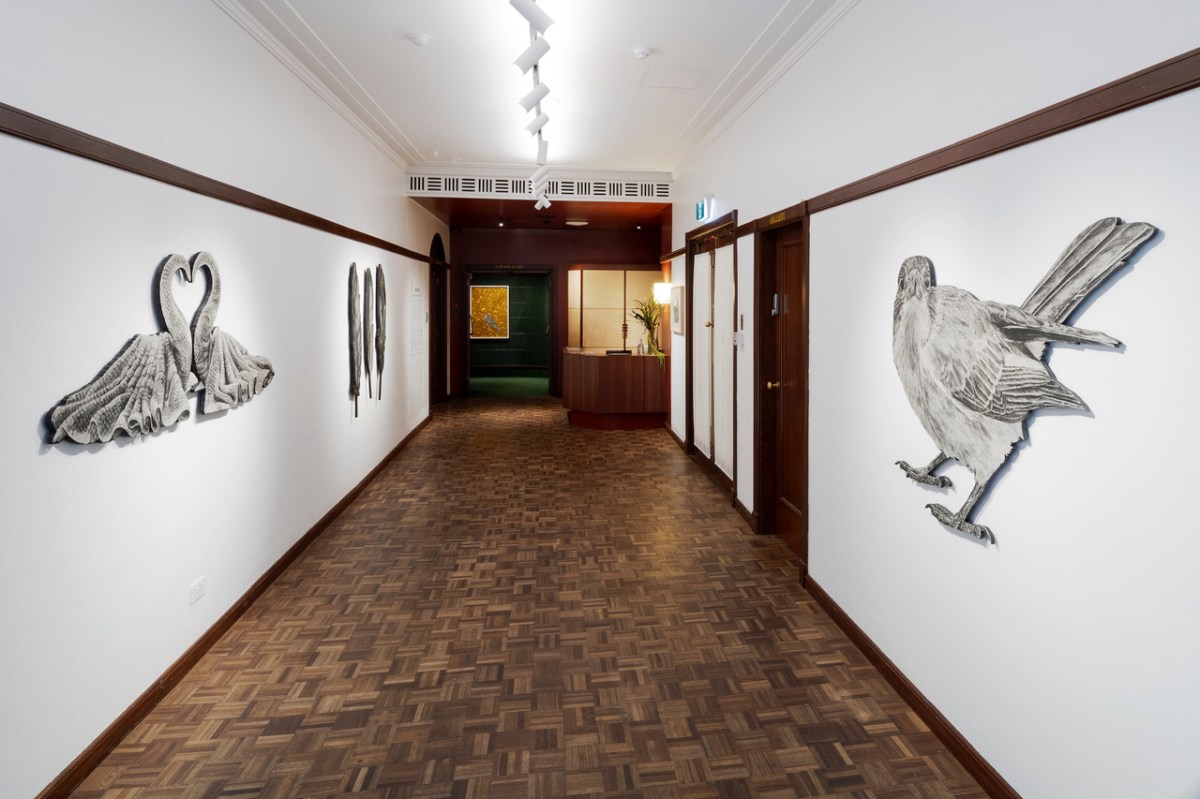
‘Our most recent in-person show was of WA artist Anna Richardson’s work at Lawson Flats which is an inner-city Perth art and design-focused co-working space with a restaurant and bar,’ she says, adding that while the gallery can see its sales spike a little around the in-person shows, many new doors also open for artists via its ongoing digital presence.
‘We have buyers in regional Australia and overseas who obviously don’t get to see [or] attend the shows in-person,’ she says.
‘So, ultimately, I think it’s about going where audiences are a little more, and I think online platforms are great because they give you a little bit more scope to be responsive and flexible, and I think that is something artists and collectors really appreciate.’
That said, the curator is clear in her resolve that nothing will ever surpass the power of art to connect with people in the room, and this is ultimately the gallery’s guiding light.
‘It’s really about connecting people and art together, and cultivating that energy you have in a room where people are looking at, thinking about and engaging in art,’ she says.
‘So this gallery is a way to curate shows and come up with concepts, but do that in a way that supports a long-term sustainable vision of the gallery. And at the moment that is about having an online program running alongside a pop-up program, where the two streams support each other.’