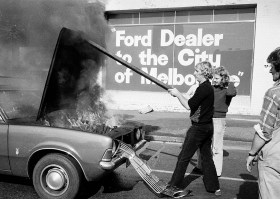
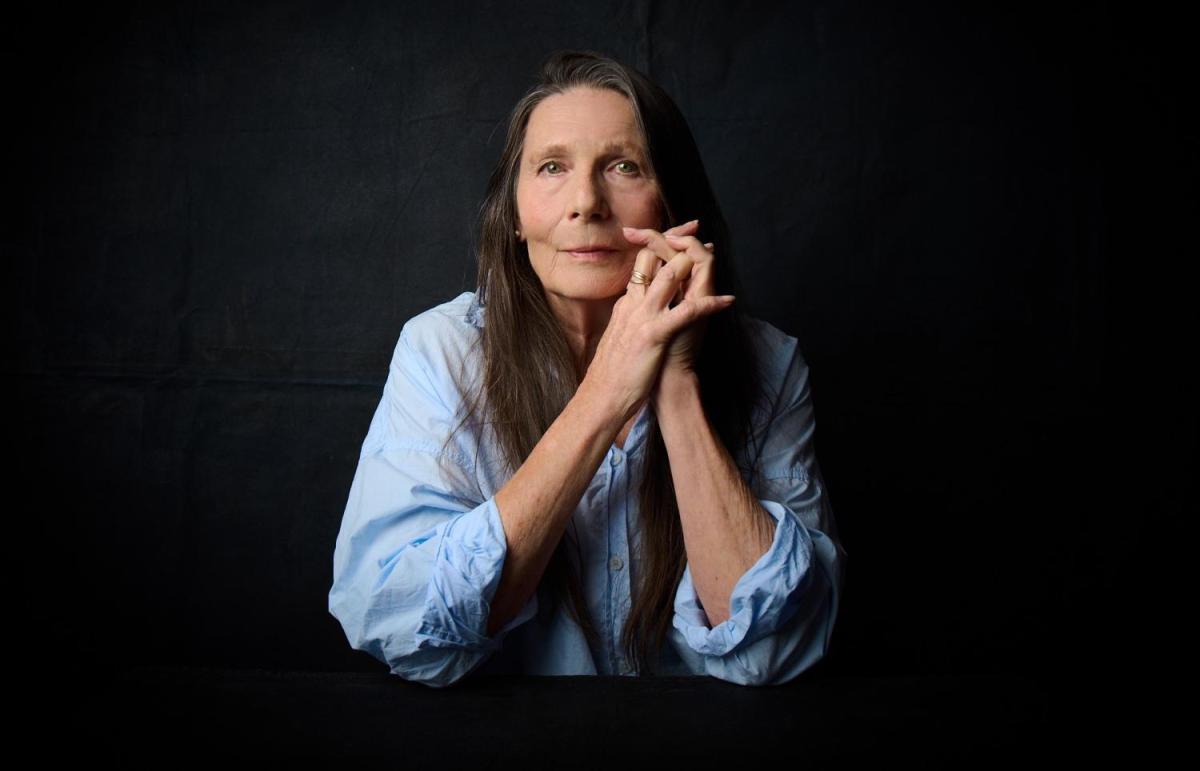
In 1975, Lorrie Graham became the first female photography cadet at The Sydney Morning Herald. Five decades later, her career has encompassed some of the most defining people, events and social stories of Australian life – from politicians and artists to farmers, activists, First Nations communities, and people displaced by war and natural disasters.
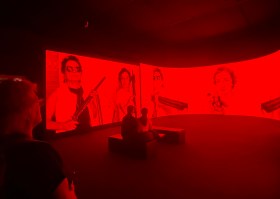
Now, Graham’s immense photographic archive has been acquired by the State Library of NSW, which is now presenting the new exhibition Lorrie Graham: Photojournalist until 31 October. The exhibition draws from more than 100,000 images and negatives spanning Graham’s prolific career.
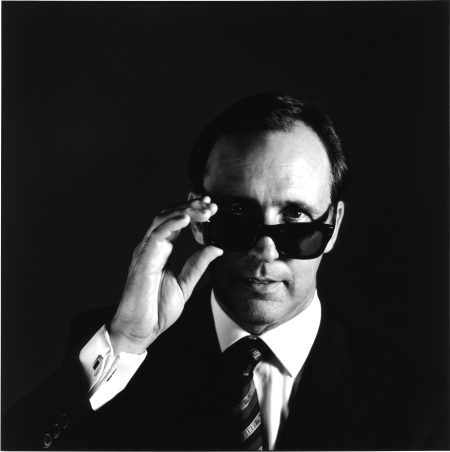
SLNSW is also showing Mervyn Bishop: Close Up, which honours the enduring legacy of Australia’s first Aboriginal press photographer, who Graham counts herself as lucky to have worked alongside during her time at Fairfax.
For Graham, revisiting her own archive is an opportunity not only to look back, but to consider what photojournalism can offer – and why it remains important in an era of instant digital images and AI-generated pictures.
Speaking with ArtsHub, she shares five reflections on her career and the changing nature of photography.
Lorrie Graham interview – quick links
You’ve photographed everyone from politicians and artists to farmers and activists. What makes you decide that someone or something is worth stopping to photograph?
Lorrie Graham: I think it has to be a fairly strong human story for me to be interested in it. It’s not fleeting. It’s something that is possibly an ongoing issue, like the book I did on the rural crisis in the mid-90s with Robert Milliken [On The Edge: The Changing World of Australia’s Farmers].
I’m also really interested in the notion of refugees, because I think a lot of people don’t realise that they themselves could be a refugee tomorrow. And I don’t mean a refugee coming from a conflict zone – you can be a refugee post a flood or a fire, that level of disruption in a person’s life.
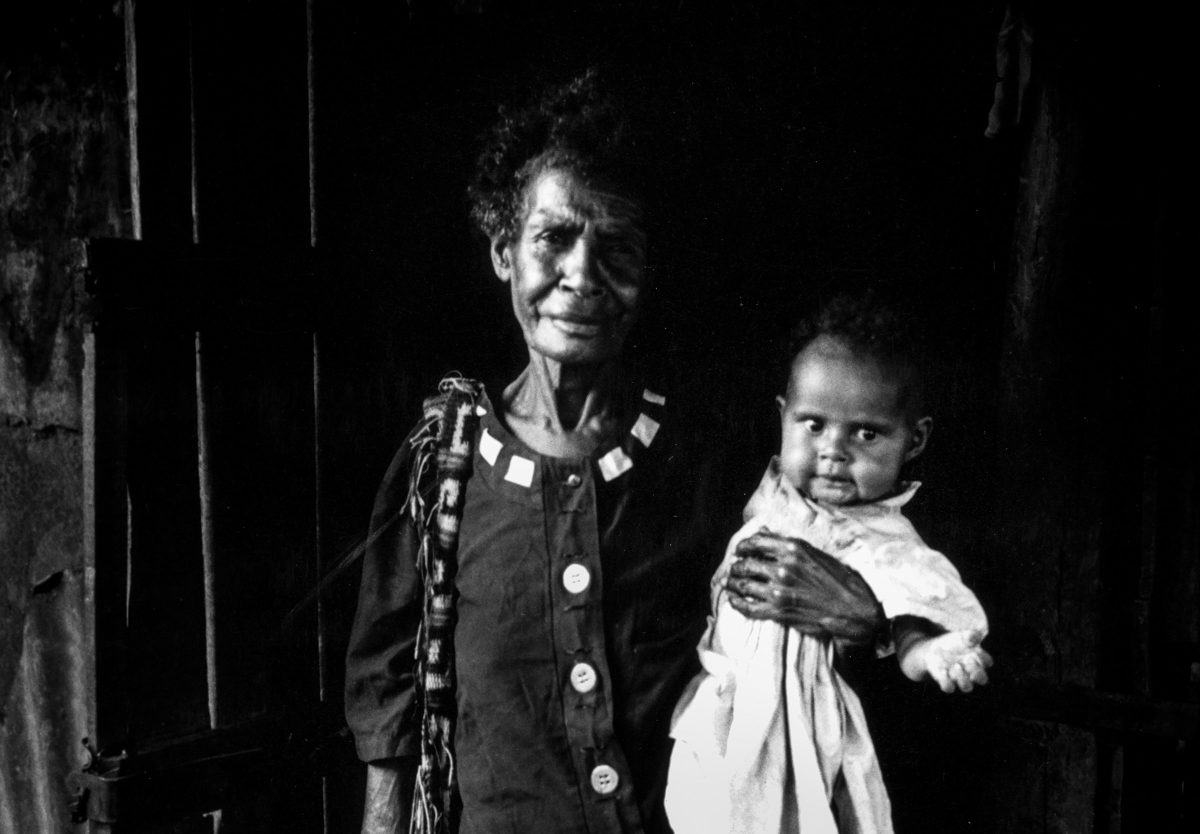
I think there’s been this kind of labelling of people, particularly those who come from areas like Afghanistan or Northern Iraq … People can be displaced and their lives completely uprooted by many things, and they could also be refugees. So I think the sort of labelling and targeting of people because of a name is a misunderstood thing.
Also, conflict. I’m always interested in how conflict affects particularly women and children, because they’re the ones that ultimately bear the brunt of it.
[I’m also interested in ] women’s issues – domestic violence, and where women find themselves in in our society – have always been subjects that I’ve also been very interested in and photographed. Indigenous people, too. There are many themes, but they tend to be very human stories.
I just think, given the weirdness of the world at the moment, we could be a lot nicer to one another than we are.
You’ve talked a lot over the years about the importance of photographers having their own voice. What does it mean to have a photographic voice?
LG: Look, it’s a very hard thing for a photographer to say about their own work, but you can tell a certain photographer by their photographs. But it’s also the body of work that becomes your voice. You become known for a certain area of work that you’re interested in, and you’re building on that constantly.
What’s also becoming increasingly important with things like AI is that people get to know photographers’ names. You need to be able to trust that that’s the person’s work, and to do that, I think you actually have to understand who the photographer is as well.
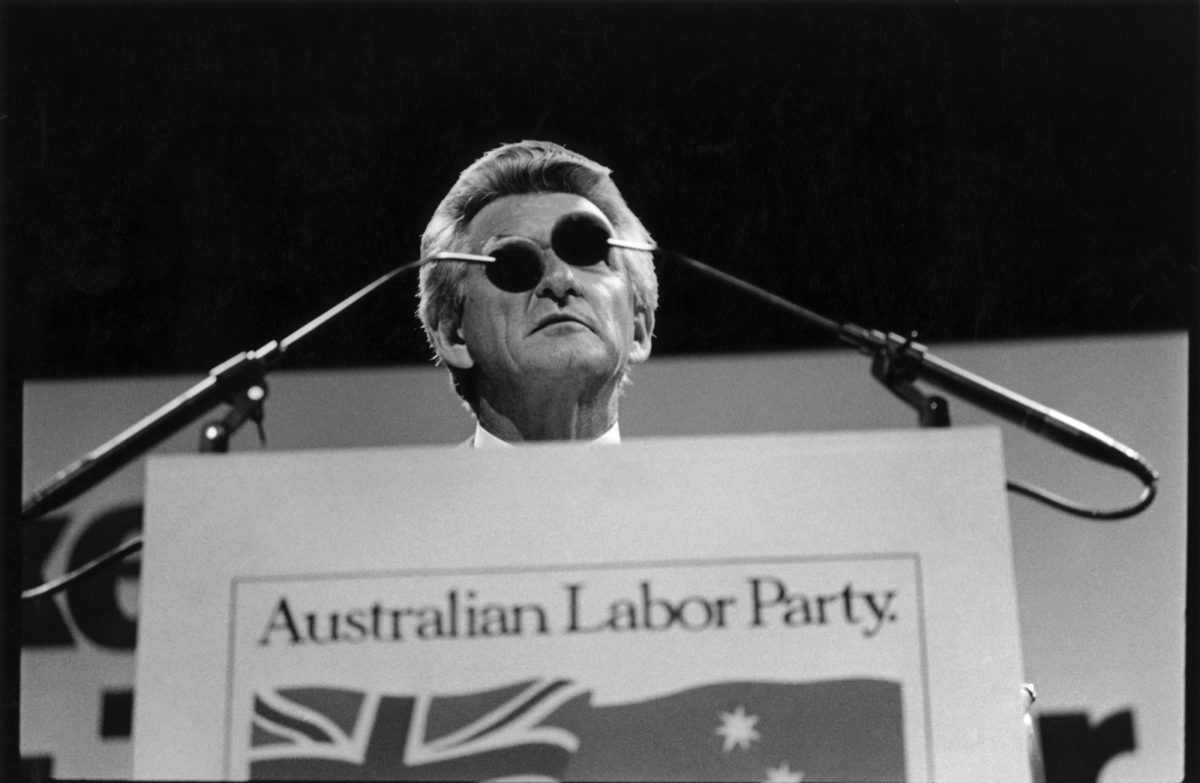
And that’s where the State Library [of NSW] comes into its own, in a sense. It’s got an incredible collection of photographers, and it attempts to tell the story of those photographers. I think in the future that’s going to become incredibly important for trust in the images.
If you’re interested in photography, you get to know who the Alex Ellinghausens and the Kate Geraghtys are, you get to know their work and understand what they’re trying to say and what they’re trying to do.
Photography has changed enormously since you began – from film and darkrooms to digital photography, mobile cameras, social media and AI. What has been gained, and what do you think we’ve lost?
LG: I think the biggest thing we’ve lost is time.
In the sense, [when] shooting black-and-white film, you have to be a lot more considered. You have 36 frames only before you have to change the film. It’s a much more considered way of seeing and shooting than it is with the digital camera, particularly, and now more so with the phone.
If you only have a limited number of frames to shoot something, it makes you very, very concentrated. You don’t move from the moment. I mean, the job is to live absolutely in the moment anyway. But when you’ve got film, that’s paramount.
The processing in a darkroom is the magic. It’s a much more ethereal, beautiful experience than looking at the back of your camera.
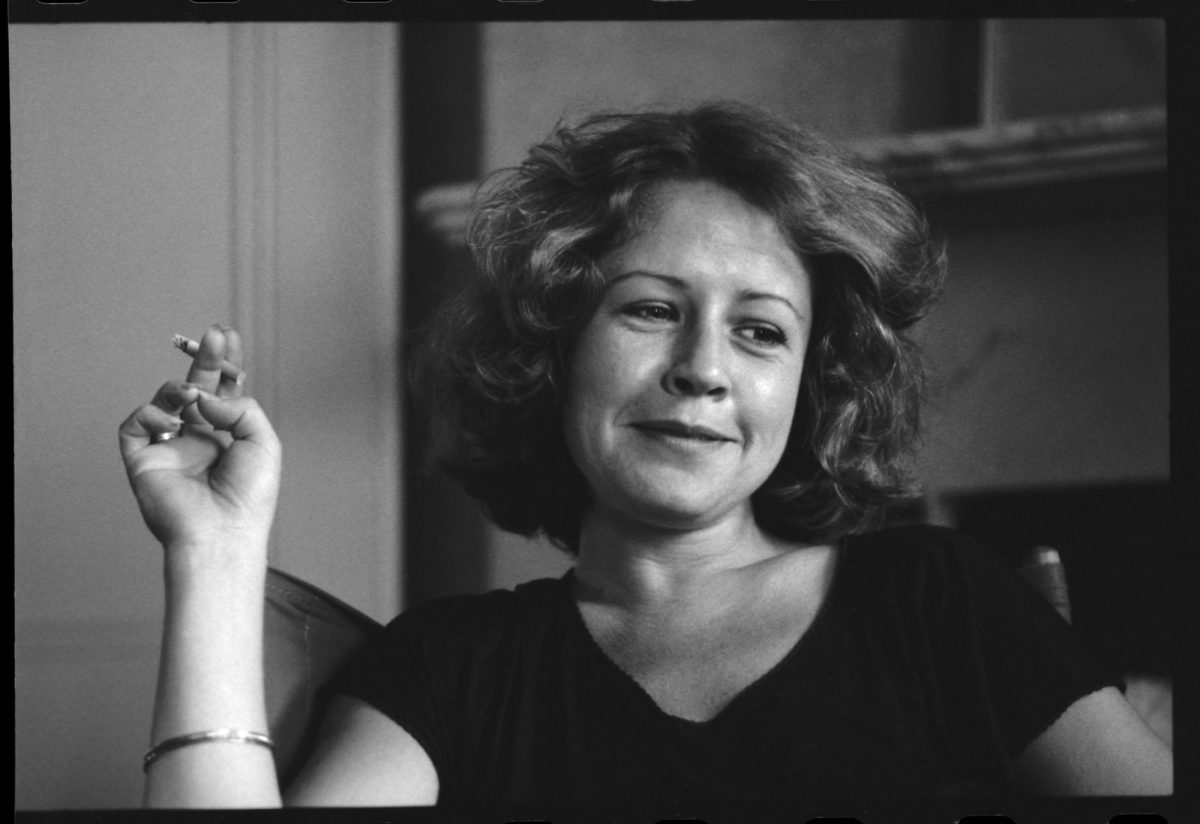
There are pluses, though. With digital and particularly with phones, you can have the image to your news desk or your editor almost immediately. But that also means that you haven’t necessarily probably contemplated what you shot and what was the most important.
I’ve shot film, shot digital, and I shot all of Covid on my iPhone, so I’ve kind of done all of it. And the thing is, film is kinder to people.
Digital is a very ugly medium for photographing people. Digital pixels are squares, and film grain is round. It’s a much kinder medium.
What made you want to pursue a career as a photojournalist? Were there women or other people in your field to look up to?
LG: I didn’t [have women photographers to look up to] in Australia. But the reason I wanted to be one was because of a book my dad gave me when I was 14, and that was by a photojournalist called Margaret Bourke-White.
There were four photographers that were the first LIFE magazine photographers, and she was the first female. It was basically that book that made me desperately want to be a photojournalist.
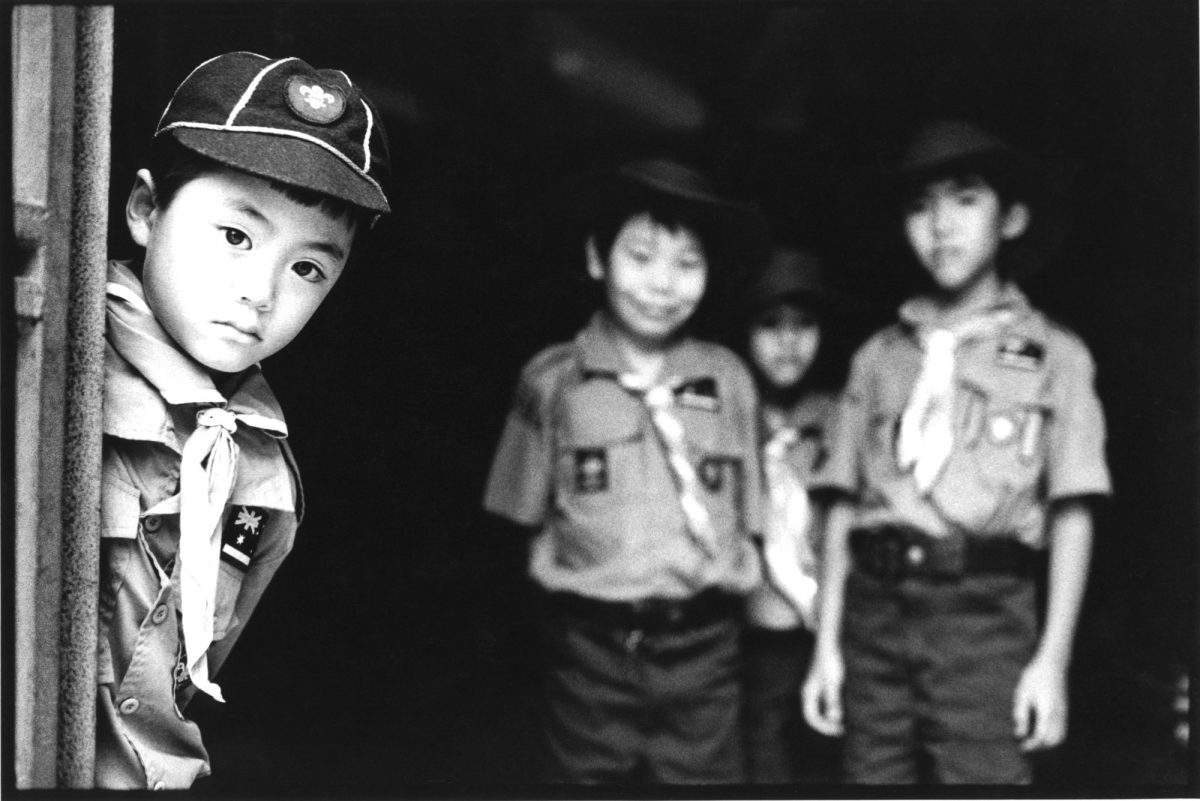
I stuck to that until I got my cadetship [as the SMH‘s first female photography cadet] in 1975, which was International Women’s Year. I have reflected a bit on this, because I don’t know that being the first anything was on my mind, or I just really wanted to be a photojournalist.
And the way I worked out to become a photojournalist was to get a cadetship on a newspaper, because that’s where you learn the skills and you can make mistakes. I was just going to go for it, and put up with shit. Which, if you’re a woman – I mean, there were 60 blokes and me in that department – you’re always going to get shit from some of them.
But you’re also going to get supported by a lot of them. And, it was also a time when there was no language or law around sexual discrimination … It wasn’t a particularly easy time. But I was getting to do the thing that I wanted to do.
What do you hope people take away from the exhibition?
LG: I hope they take away the importance of photojournalism, and that it is an important thing to encourage young photographers to do, even though it’s going to be probably pretty tough for them. But the work is really important.
And [I hope that] if you walk through the exhibition, basically what reflects back at you, is you.
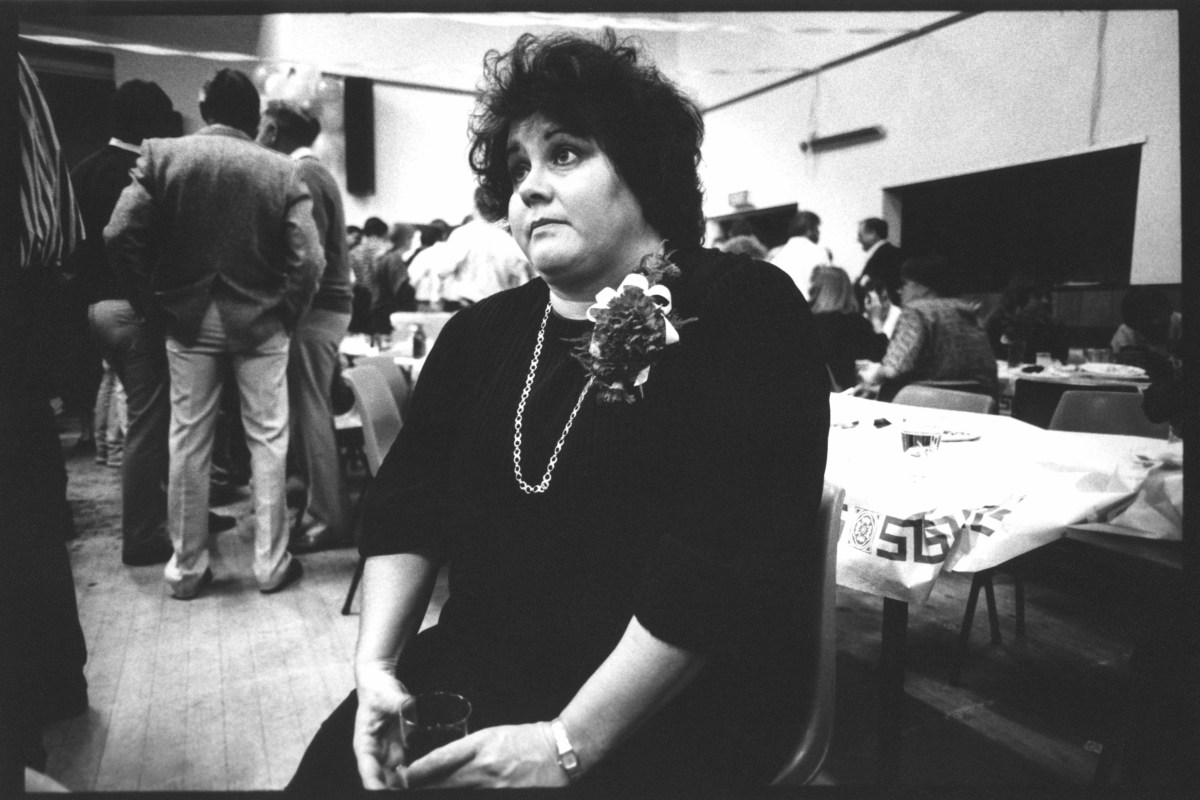
I have photographed lots of people in this country, and what I’ve photographed are real people’s stories. There are a couple of celebrities, and there are politicians, but a lot of the work is, you know, farmers, and the Cronulla Sharks Mermaids cheer squad. It’s people.
Basically, what I would love for people to see is themselves.