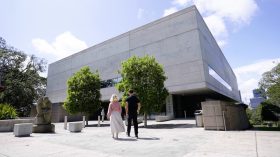
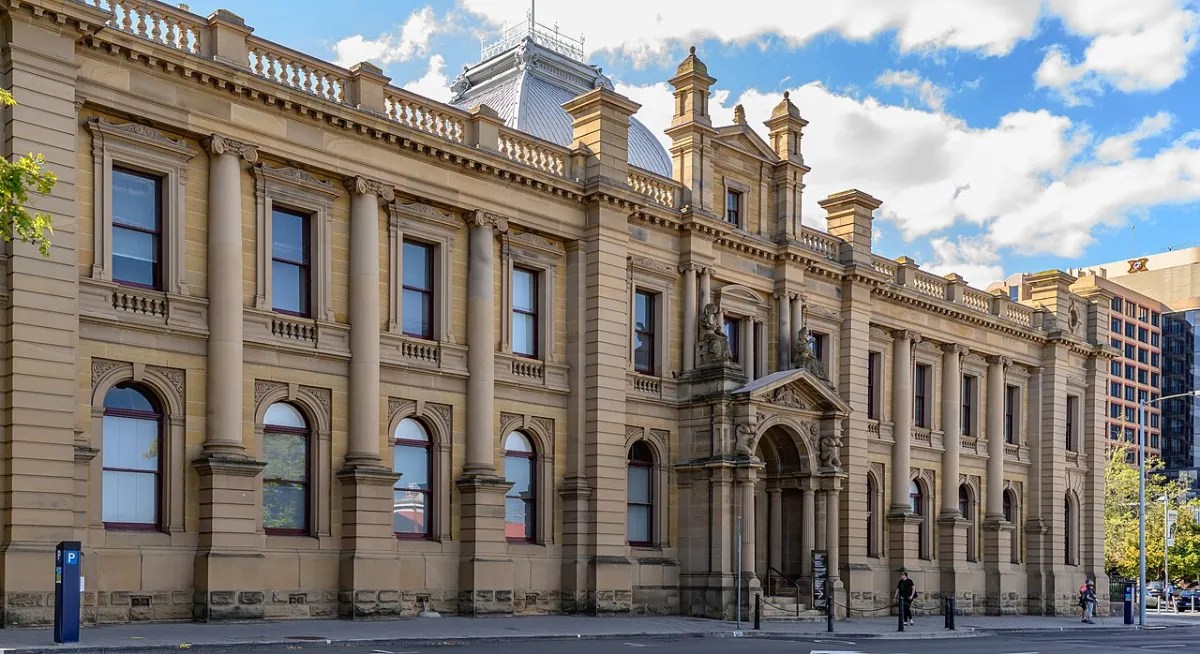
More than 100 prominent figures from the arts, sciences, politics and media have joined forces to condemn proposed job cuts and funding reductions at the Tasmanian Museum and Art Gallery, warning the changes could undermine the institution’s cultural, scientific and economic contributions to the state.
An open letter addressed to Tasmanian Premier Jeremy Rockliff, Treasurer Eric Abetz and Arts Minister Roger Jaensch is calling on the state government to reconsider the proposed cuts. The letter argues that these cuts threaten TMAG’s ability to care for its collection of almost one million objects and to fulfil its responsibilities to the public.
Signatories include former Tasmanian premier Lara Giddings, author Richard Flanagan, MONA founder David Walsh, actor Marta Dusseldorp and more than 40 leading scientists from universities and research institutions across Australia, the UK, Europe, Canada, the US and Russia.
Published by Friends of TMAG on 18 November, the letter warns that the proposed changes would damage Tasmania’s scientific research capabilities, cultural tourism and reputation, as well as compromise the museum’s ability to present exhibitions and public programs.
TMAG job cuts – quick links
Scientists warn of ‘far-reaching’ consequences
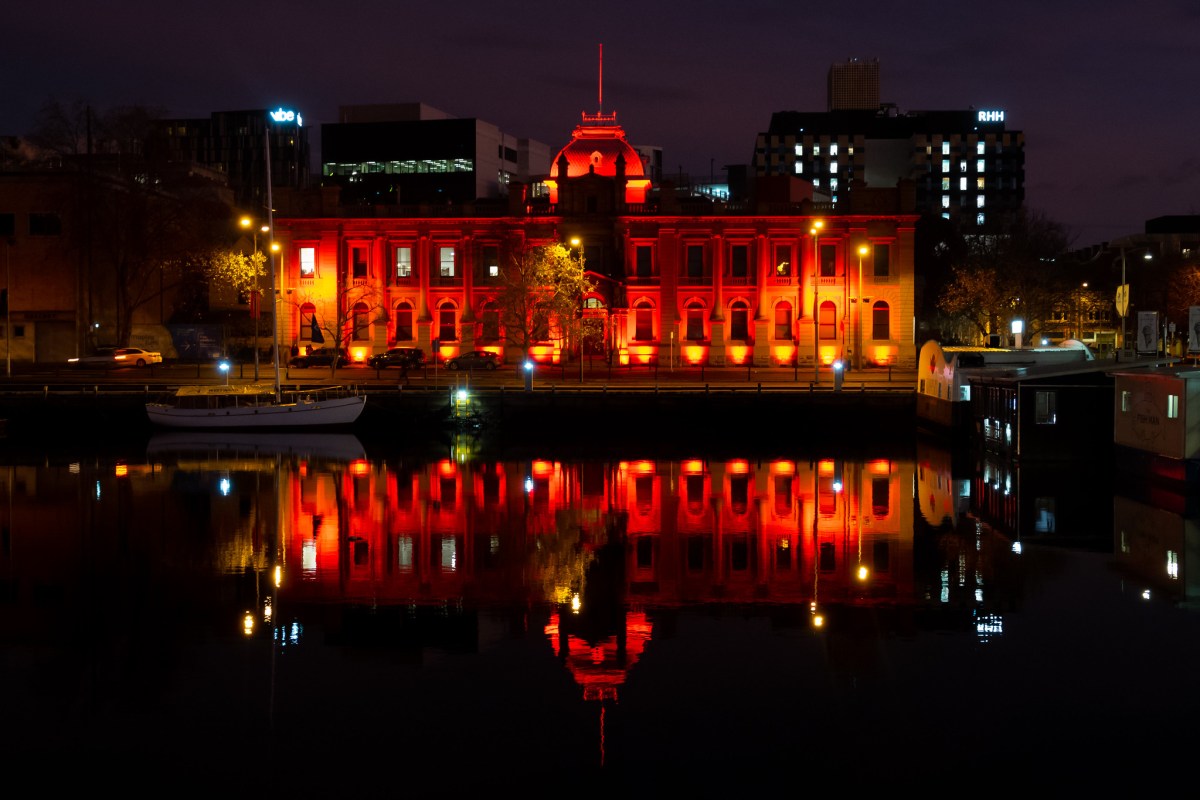
Founded in 1848, TMAG is Australia’s second-oldest museum and the only Australian institution to encompass an art gallery, museum and herbarium.
Its collections include colonial-era artworks and objects, more than 12,000 Tasmanian Aboriginal cultural artefacts and significant natural history specimens. The institution also plays an important role in scientific research, including work relating to climate change, species extinction, conservation and biosecurity.
In August, the Tasmanian branch of the Community and Public Sector Union issued an urgent call-out for support after TMAG staff said they were told almost 20 full-time positions could be axed by the end of the financial year (a figure which Tasmania’s Liberal Government later denied).
This week’s open letter identifies seven positions as being under threat, including roles within the herbarium, scientific research and exhibitions teams. It warns that losing specialist staff would have consequences extending well beyond the museum itself.
‘The cuts of the scientists will damage Tasmania’s reputation, its management of natural and rural environments and its agricultural economy,’ the letter states.
It also argues that reductions to exhibition staff would significantly compromise TMAG’s capacity to present exhibitions and public programs, undermining its contribution to cultural tourism.
As reported by The Art Newspaper on 23 November, prominent European scientists have already sent more than 25 letters from to Tasmanian MPs, the museum’s executive and its board, warning the proposed changes could have ‘consequences far beyond Tasmania’. Among those whose positions had been threatened was internationally renowned biologist Gintaras Kantvilas, head of the Tasmanian Herbarium.
Funding and workforce remain in dispute
In addition to staffing changes, The Art Newspaper reports that independent budget analysis commissioned by Friends of TMAG indicates the institution could lose up to 27% of its funding in 2027-28, while being expected to increase physical visitation by 6.4%.
The cuts form part of broader public sector savings measures under the Liberal state government, which has outlined plans to reduce the public service by up to 1700 positions by 2032.
The proposed changes have also attracted criticism from David Walsh, who wrote a separate letter published by Hobart newspaper The Mercury about the importance of the institution to generations of Tasmanians.
‘I want TMAG properly funded. I want the life-changing childhood experiences I had at TMAG to be available to all Tasmanians forever,’ he wrote. ‘I put stuff on Mona’s wall because TMAG put stuff in my heart.’
The dispute comes amid further pressure on Tasmania’s public museum sector. The ABC reported on 23 November that Launceston’s Queen Victoria Museum and Art Gallery has cut four staff members with a combined 90 years of experience, including three roles in its history department.
At TMAG, the proposed staffing changes are subject to review by the Tasmanian Industrial Commission, while a motion calling for the reversal of the cuts has been put before the Legislative Council. Decisions on both issues are expected soon.