For more than two decades, Sydney’s long-promised cinémathèque has been something of a cinematic white whale – frequently proposed, occasionally championed, but never quite realised – until now. On Saturday (7 March), the Art Gallery of New South Wales finally flipped the projector on Sydney Cinémathèque, giving the harbour city a permanent home for curated cinema.
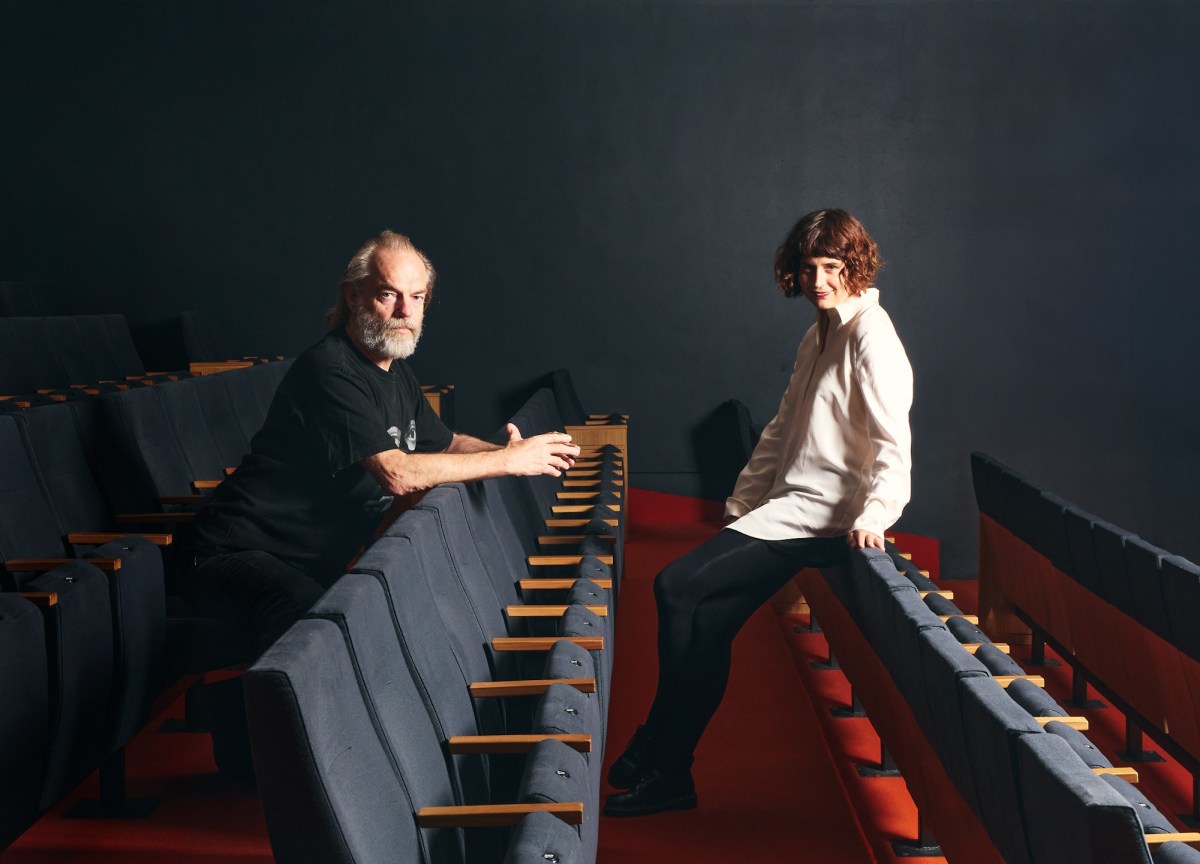
According to the gallery’s film curator Ruby Arrowsmith-Todd, the move simply puts a name to what the gallery has already been doing through its public programming.
‘What we’ve seen over the last, I would say 55 years, is huge demand for our screenings,’ she tells ScreenHub. ‘Our audiences just continue to grow. They continued to diversify, to get younger, to get more and more interested in coming for screenings, and it really was a matter of time to capitalise on the interest and claim what we’ve already been doing.’
Sydney Cinémathèque opening – quick links
Creating a home for curated film
For a city that proudly brands itself a UNESCO City of Film, Sydney has long been missing a hub for curated repertory cinema. For years, critics and cinephiles alike have wondered why we had no cinémathèque.
Arrowsmith-Todd believes part of the answer lies in Sydney’s realities. The soaring cost of inner-city real estate poses a real challenge to finding a suitable venue for a dedicated film program. In this environment, AGNSW’s longstanding film programming filled a gap.
‘We’ve been serving as a cinémathèque in all but name,’ Arrowsmith-Todd says. ‘The time was right to claim the title, and to recognise what we’ve already been doing. Now, we can look forward to what we want to become.’
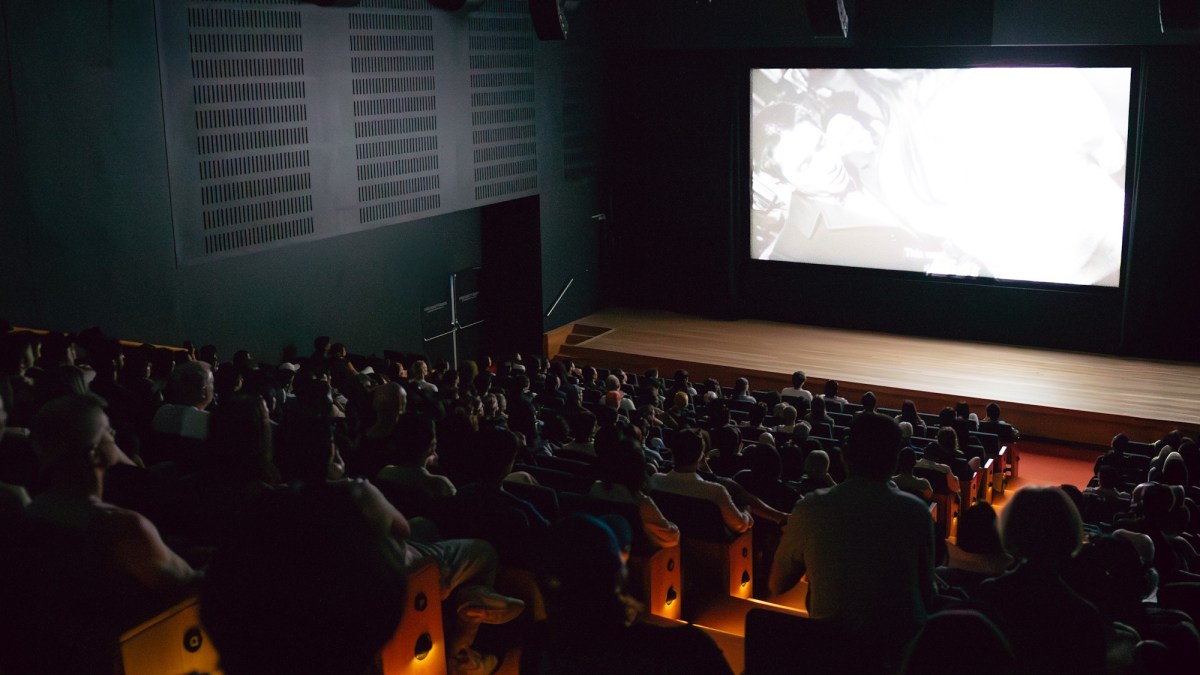
For David Michael Brown, one of Sydney’s leading film critics and former senior editor of Empire Magazine Australia, the arrival of Sydney Cinémathèque is simply long overdue. ‘It’s kind of preposterous that Sydney’s always talking about how important their film is without having a cinémathèque,’ he says.
Brown welcomes ‘more cinemas, more possibilities of seeing film’ and says that what AGNSW has been doing to date has been ‘brilliant’.
‘Seeing what they’ve done up to this point has been fantastic and that whole idea of seeing retrospective cinema has really been something that Sydney hasn’t had for aeons. I mean, how long ago did Valhalla close down?
‘It’s a shame that it’s taken this long, but it’s brilliant that it has arrived,’ he adds about the new permanent cinémathèque at AGNSW.
Reviving the communal cinema experience
Indeed, communal spaces for witnessing cinema remain essential – particularly in an era where films are more often streamed alone than experienced together. For Arrowsmith-Todd, that shared experience sits at the very heart of the cinémathèque’s purpose.
‘I think providing a space for publicly accessible, critically engaged screen culture is vital. Sydney Cinémathèque serves a key role in the city, it provides space for people to commune together each week in the dark, to be exposed to films [from] right across the world, from the beginnings of screen culture through to today,’ she says. ‘It also gives opportunities for people to come together and to discuss, reflect, debate and experience communally, which is really key.’
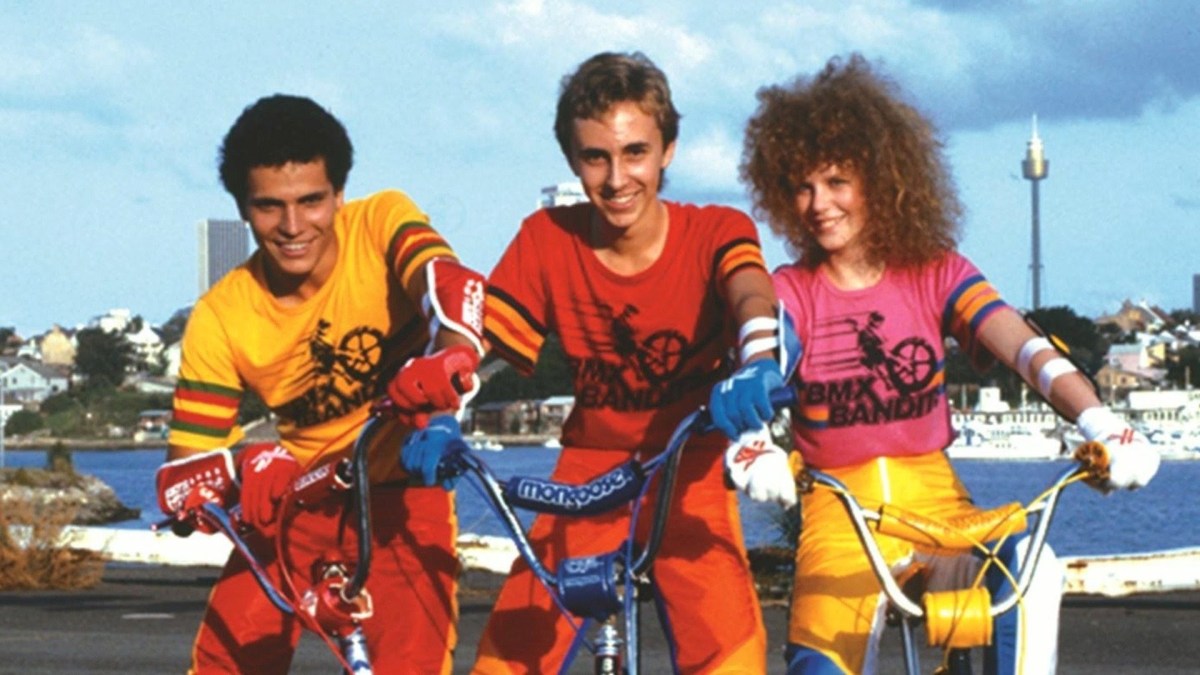
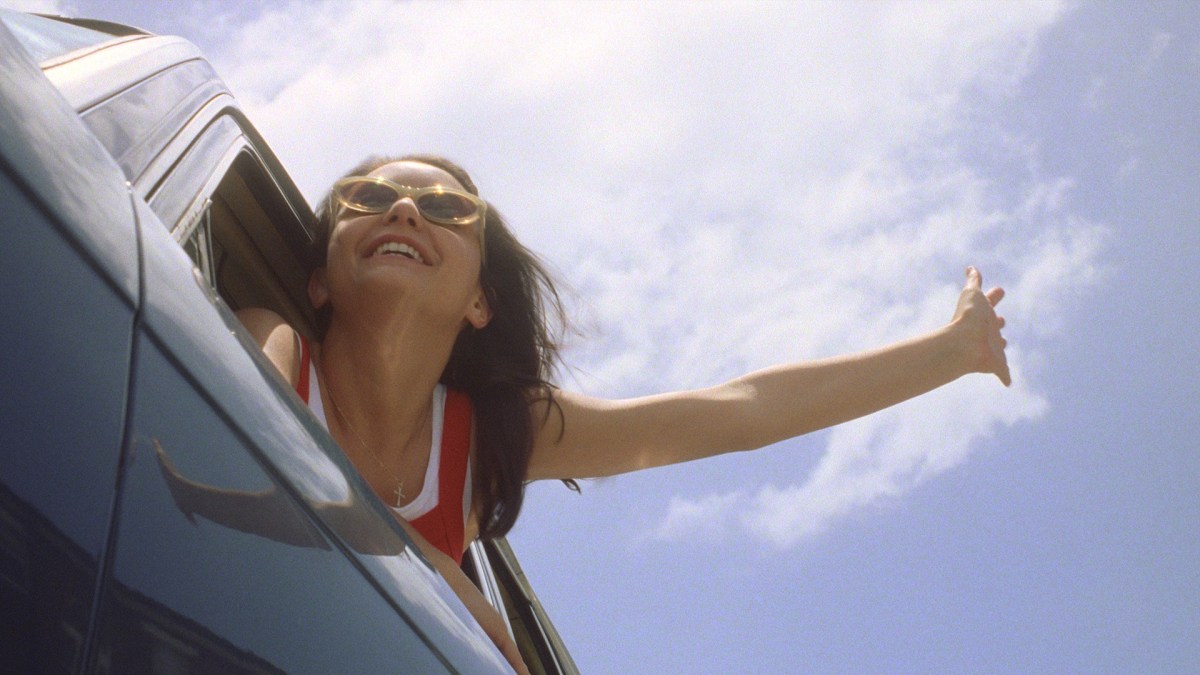
With a program that cuts across eras, formats and geographies, Sydney Cinémathèque makes a case for cinema as a living artform. Early Nicole Kidman films like BMX Bandits and Eyes Wide Shut sit alongside cult Australian classics, celluloid film prints and international discoveries from Hong Kong and Taiwan, and even Y2K coming-of-age films from China.
The goal, Arrowsmith-Todd explains, is ‘to reorient the program to show films that are more reflective of the part of the world that we’re in’.
ScreenHub: Natalie Miller Fellowship awards dual recipients with 2025 grant
Holding onto history
For Brown, the cinémathèque’s role runs deeper still, serving not only as a screening venue but as a vital space for preserving and restoring films that might otherwise fade from view.
‘The idea now that they’re going to be digging out some films … that might not be in that good condition because they haven’t been screened for a long time, and that they’re going to restore these prints – some of which are really important nationally for the country – is fantastic,’ he says.
With a diverse, younger and – as Arrowsmith-Todd says – ‘adventurous’ audience already forming in Sydney, the cinémathèque arrives at a moment when the city’s film culture appears ready to grow.
Brown hopes that spirit of curiosity spills into the wider city. After years of cinema closures, he sees the cinémathèque as a chance to reignite interest in the theatrical experience itself. If audiences embrace it, he suggests, the impact could ripple outward. ‘More cinema, more bums on seats,’ as he says.
Because ultimately, what keeps people coming back isn’t just the films themselves, but the feeling of discovering them together. As Arrowsmith-Todd explains, cinema is not only entertainment. ‘It’s a business, a social experience and an art form,’ she says, and one best encountered in the company of others.
Brown agrees. ‘Seeing a comedy or a horror with a packed cinema, you can’t get anything better,’ he says. ‘Last year, the Dark Knights Film Festival showed Braindead and it was packed. People were cheering and screaming and shouting, and you just got sucked in.
‘Seeing a film with an audience is so much better than just sitting in the lounge, watching it on your own, or watching it on your phone, and you come out feeling that you’ve seen something special, and there’s that kind of buzz. I think that experience is absolutely wonderful.’