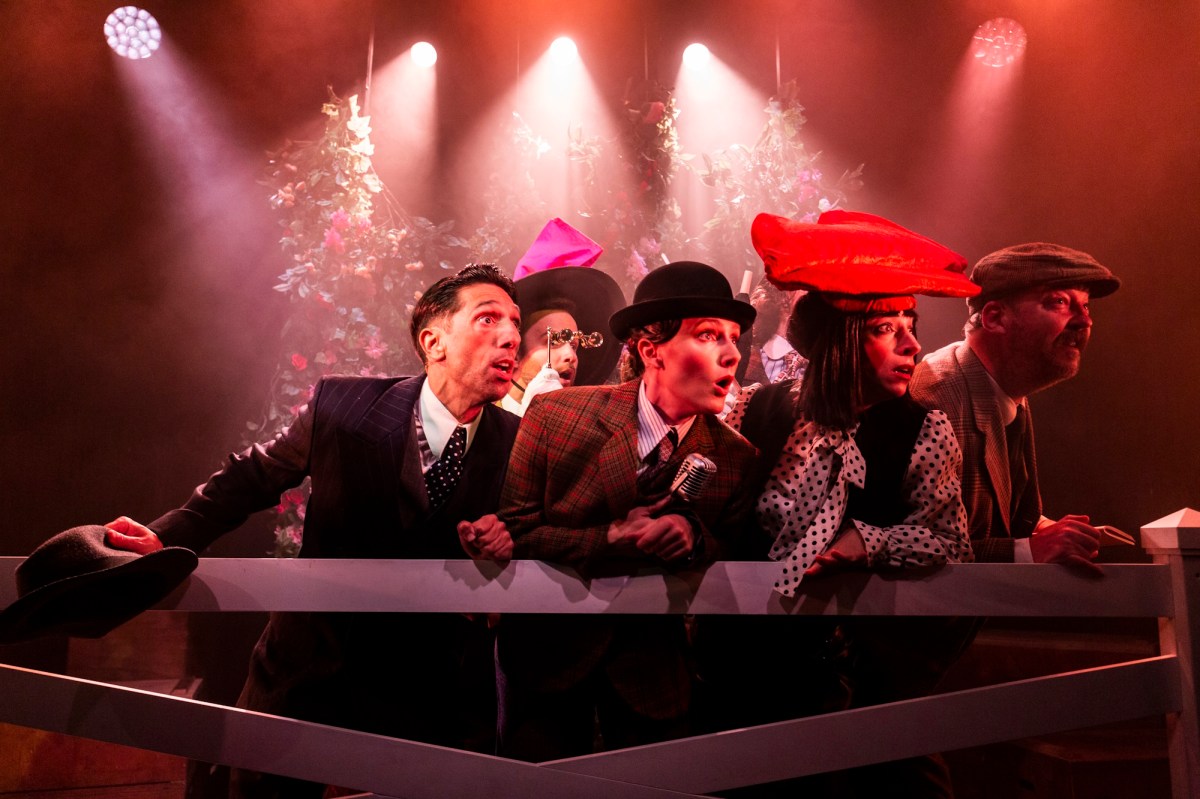
Since 2015, the performing arts sector has been faced with cuts to Federal Government arts funding, Covid closures and rising costs. Yet despite these challenges, independent theatre has continued to be the lifeblood of the sector in New South Wales.
While large theatre companies offer famous names and big-budget shows, it’s the theatres underneath pubs and hidden in suburban nooks where emerging talent can cut their teeth – with whatever support or donations they can get.
The New South Wales Government, through Create NSW, has played a vital role in sustaining this independent theatre scene. In the 2025 to 2026 financial year, for example, the agency invested $59.9 million into the arts.
Create NSW has also faced challenges in this time, with staffing cuts and fewer grants offered to theatre practitioners. In this changing landscape, it’s worth taking stock and asking what the benefits of Create NSW’s main funding programs have been to date – and what support should be developed to ensure the survival of independent theatre and emerging artists in NSW into the future.
Supporting NSW independent theatre – quick links
The Arts and Cultural Funding Program
Create NSW (which supports ArtsHub’s Creative Journalism Fellowship, of which this article is part) is the peak body for arts, screen and culture in NSW. The agency develops cultural infrastructure, provides funding opportunities for emerging and diverse artists, and creates resources for arts practitioners.
Create NSW’s key funding program is the Arts and Cultural Funding Program. Currently, the ACFP financially supports 171 arts and cultural organisations, and provides millions of dollars to theatre companies and to developing artists for professional development.
The application process is highly structured – and selective. Applications are considered by one of 10 artform boards, and are assessed on their relevance to ACFP priority areas, which include First Nations stories and communities, and Next Generation artists and audiences.
Other support programs under ACFP include the Next Steps and Creative Steps programs, which offer grants from $2000 to $100,000 to emerging creatives. These grants can be put towards hiring performance spaces, workshops or materials for creating new work.
Unsurprisingly, perceptions of the ACFP, and how well it serves theatres and artists, vary depending on who you ask.
Perceptions of the ACFP
Hayes Theatre
Government funding pays for our overheads, venue and administrative staff, so for us it is essential.
Hayes Theatre receives $125,000 in multi-year funding from Create NSW, separate funding from Creative Australia, and subsidised rent from the City of Sydney council. Will Harvey, Executive Director at Hayes Theatre, says Create NSW ‘is doing a great job’ and their funding program is ‘supportive of a wide range of arts and artists’. However, he said a production could still end up with a six-figure loss.
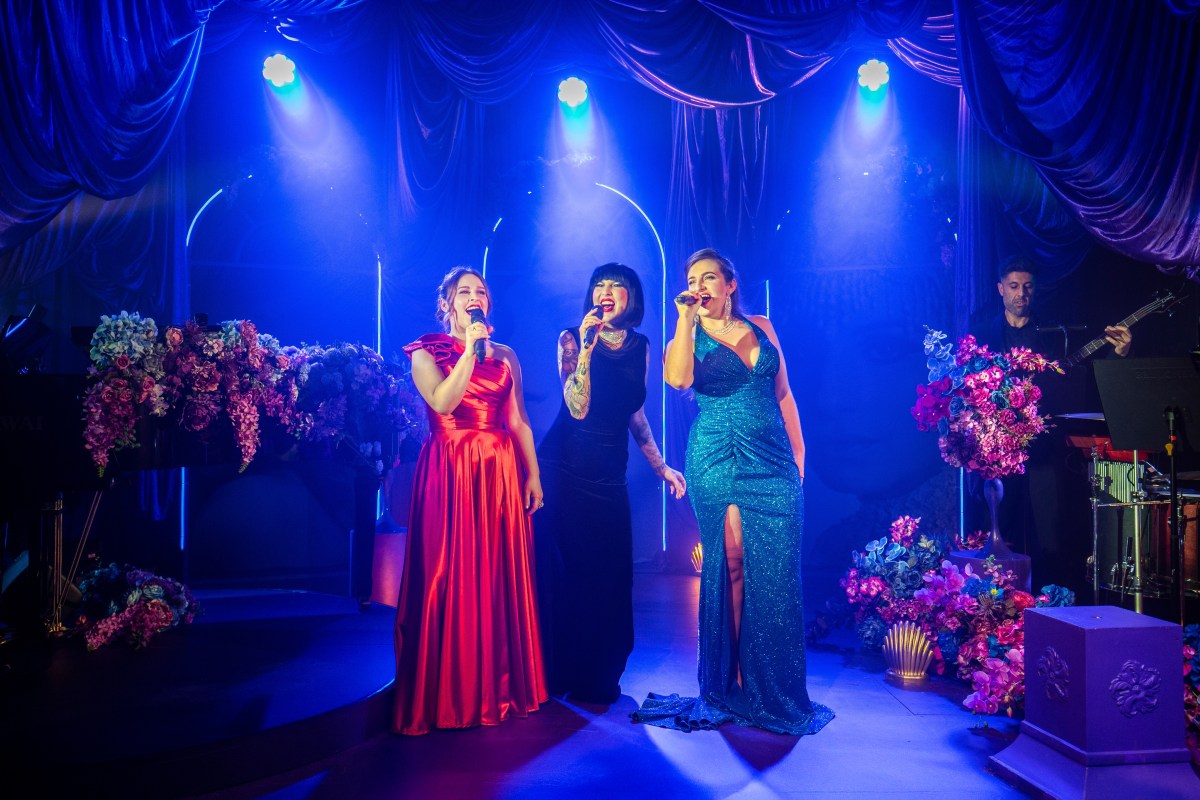
‘The way I often put it to people is that government funding pays for our overheads, venue and administrative staff, so for us it is essential,’ says Harvey.
In an ideal world, Harvey would like to see a suite of financial measures, including ‘a theatre producer offset, increasing tax deductibility of donations, and tax breaks for companies investing in theatre’.
Australian Theatre for Young People
Anything that eases the producer’s or donor’s risk is a good idea.
The Australian Theatre for Young People received two-year funding in 2025 after previously being removed from the four-year funding cycle. Hayden Tonazzi, ATYP’s Artistic Director, says feedback on their application forced a shift in the company’s attitude.
‘After … the first unsuccessful application, we went into quite intense strategic planning,’ he says. ‘From it came our new approach, which is centring young and emerging artists, understanding their strengths and programming around them, whilst supporting growth and learning in their practice.’
Despite rethinking the company’s approach, ATYP has still had to move from fully-waged performances to a smaller flat fee and profit share model (if the show earns revenue). This is because of reduced funding compared to past years.
Like Harvey, Tonazzi sees room for a wider array of financial supports beyond traditional grants, suggesting ‘anything that eases the producer’s or donor’s risk is a good idea’.
Tonazzi would also like to see reduced costs for ATYP’s government-owned building, and measures to support pay-what-you-can theatre. Pointing to US research, he said pay-what-you-can ‘removes barriers for younger and first-time audiences without diminishing economic value’.
He thinks the benefit of art to mental health is one reason why other government departments should get involved. ‘For every dollar invested in the arts, $7 is saved in mental health services,’ he said. ‘We’re starting to see recognition of that across different government portfolios, but that’s something that should be encouraged.’
Tonazzi would also like to see some empathy for overstretched arts organisations, noting that constant reporting to government bodies, in the templates they request, is a time-consuming process.
Playwright Ang Collins
Space and mentorship for artists [are] the first things to go when all the funding and resource cuts happen.
Ang Collins, a playwright living on Gadigal Land in Sydney, is a past recipient of the Incubator Fellowship. The fellowship allowed her to undertake a three-month residency at Griffin Theatre Company and develop her play Naturism, which premiered in 2025.
Create NSW’s website now says the fellowship is ‘closed’ and Collins says that such professional development opportunities are missing from current funding models.
‘I really think space and mentorship for artists is lacking. They’re the first things to go when all the funding and resource cuts happen. Incubator’s no longer there, and that’s disappointing because it was awesome.’
For Collins, there’s need for more discussion between government and artists, and more fellowships like Incubator. These fellowships, she says, could provide professional development, residencies, access to theatre spaces, or international opportunities: ‘Twenty different types of Incubator grants for people of different backgrounds, stages of their career, or socio-economic status will make our landscape thrive 20 times more than what it is.’
In the same vein, she thinks there’s merit in providing a Universal Basic Income for artists, modelled off what has been implemented in Ireland, though she admitted this would be a ‘stretch goal’.
‘I know that it’s not just a matter of waving a magic wand,’ Collins says, ‘but if the government were to massively inject funding into the arts, I think diversity of opportunity is the key.’
New Theatre
We’re about giving people a chance, but we’re not recognised for that at all.
Gemma Greer, Manager of New Theatre, has not been able to receive any funding for her company. ‘To be eligible for funding,’ she says, ‘you have to pay anyone that’s involved in a production. Since we don’t pay anyone involved in New Theatre, we aren’t eligible.’
She says the funding model ‘needs to be completely different’ to accommodate volunteer-run community theatre. ‘Create NSW does not support amateur theatre. We’re about giving people a chance, but we’re not recognised for that at all.’
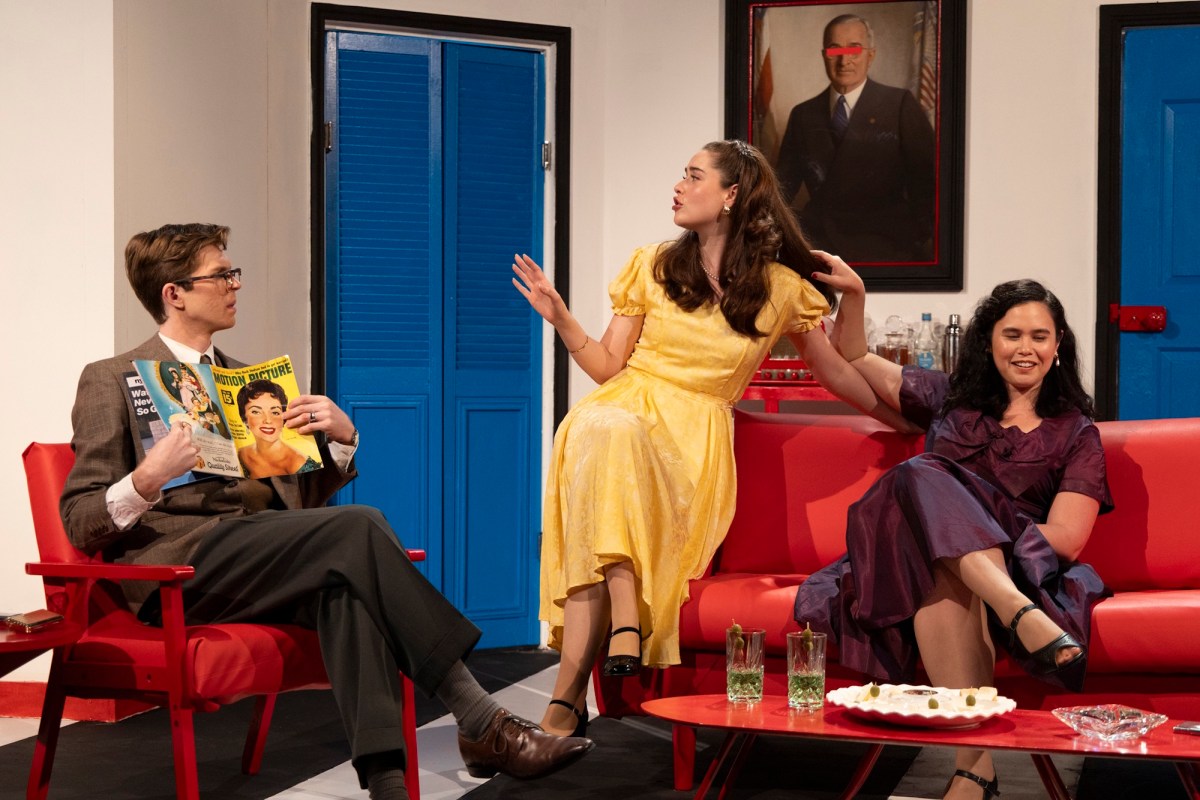
In terms of what the NSW Government can do to improve support, Greer wants a new category for community theatre so that the sector may receive funding – whether as part of the ACFP or a separate program.
‘There needs to be somewhere in the New South Wales funding that community theatre sits. There’s community funding through Service New South Wales, but that’s not project based and often goes towards events like street festivals. There needs to be a new place for community organisations.’
Looking forward
Even though perceptions of the ACFP vary, these practitioners and artists all agree that more can be done. The most common suggestion, of course, was more funding – reversing the widespread impacts of the 2015 Federal Government arts funding cuts spearheaded by then Arts Minister George Brandis.
At the time of those cuts, it wasn’t immediately clear which companies would survive but some found a way. A decade on, Greer echoes the resourceful mindset. ‘We’ll do something,’ she says, when asked about the future for local theatre if nothing changes. ‘New Theatre’s been around for almost 100 years. We’ll work it out.’
But such survival is not always without loss. Tonazzi says if the funding landscape doesn’t improve, youth theatre will continue exist, but ‘without structural change, we risk losing an entire generation of artists, producers and theatremakers’.
Harvey agreed. ‘We need to really work to make sure artists have enough job opportunities. I don’t think that’s the way we’re heading.’
Create NSW was approached for comment. A spokesperson said: ‘NSW is home to many world-class theatremakers and productions that have achieved international acclaim. Create NSW recognises the importance of independent theatremakers.
‘The NSW Government through Create NSW proudly supports independent theatremakers by investing in and enabling a robust and sustainable ecosystem across NSW. This support provides artists with the essential resources and platforms to develop, deliver and present groundbreaking, award-winning work.
‘Creative Communities, the NSW Government’s 10-year arts, culture and creative industries policy acknowledges the diverse ecosystem within the industry and the importance of ensuring that all parts of that ecosystem are advocated for within Government, enabled to develop and have access to investment opportunities.’
This acknowledgment and recognition of the vital contribution that theatre companies and artists make to NSW is critical, but it also requires action. What government programs work, and where they can be improved, must be addressed or the sector faces another decade of uncertainty. And as Collins says, 2026 ‘is a really good time to be asking these questions’.
This article is published as part of ArtsHub’s Creative Journalism Fellowship, an initiative supported by the NSW Government through Create NSW.